Unravel the complexities of Histrionic Personality Disorder (HPD) and its profound impact on relationships. This comprehensive guide explores the unique...
Read article : Optimizing Relationship Dynamics: Addressing Histrionic Personality DisorderNeurodivergence
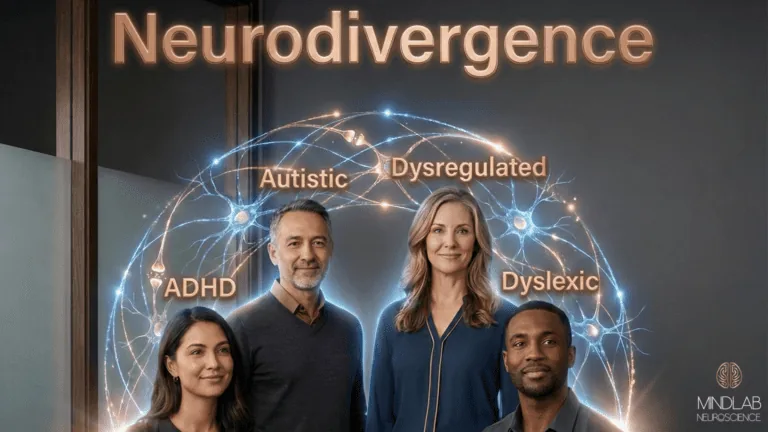
The spectrum of cognitive variability. We analyze distinct neural architectures—from ADHD to Autism—and the environmental protocols required to work with, rather than against, specific processing styles.
9 articlesStructural Variance, Not Deficit
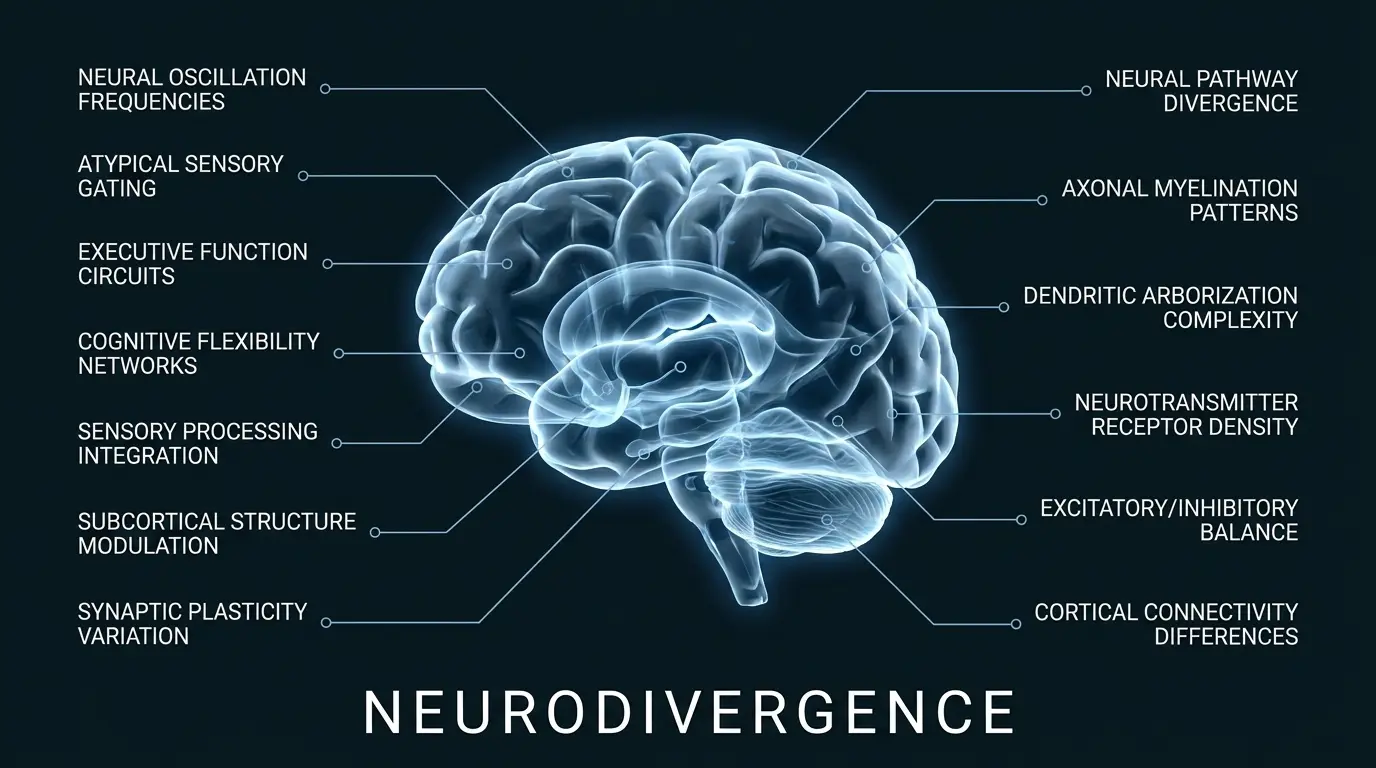
Neurodivergence is not a software bug; it is a variance in the hardware’s operating system. It represents distinct neural architectures often characterized by differences in synaptic pruning—the process where the brain eliminates weak connections. While a “neurotypical” brain prunes aggressively to prioritize efficiency and social conformity, many neurodivergent brains maintain higher levels of local hyper-connectivity. This results in enhanced pattern recognition and sensory sensitivity at the cost of executive filtering.
The Filtering Mechanism
A core distinction lies in “Sensory Gating.” The neurotypical brain is designed to inhibit background noise (ticking clocks, clothing texture) to focus on top-down goals.
-
Low Latent Inhibition: Many neurodivergent brains process information “bottom-up,” taking in raw data without filtering it first. This can lead to sensory overwhelm (overstimulation), but it also allows for the detection of details and associations that standard brains miss.
-
The Salience Network: The brain’s ability to switch between internal thought and external tasks is often dysregulated, leading to the “hyperfocus” state where attention is locked onto a high-dopamine interest to the exclusion of basic needs.
Engineering the Environment
Because the internal filter is permeable, the external environment must be engineered to act as the filter.
-
Body Doubling: For ADHD phenotypes, the presence of another person anchors the “Default Mode Network,” reducing internal chatter and facilitating task initiation.
-
Stimming as Regulation: Repetitive movement (stimming) is often misunderstood as distraction; mechanistically, it is a way to generate proprioceptive feedback that calms the nervous system and frees up working memory for processing.

Latest Articles
Our brain's perfectionism isn't permanent. Discover how neuroplasticity helps you embrace imperfections, rewire decades of high standards, and find freedom...
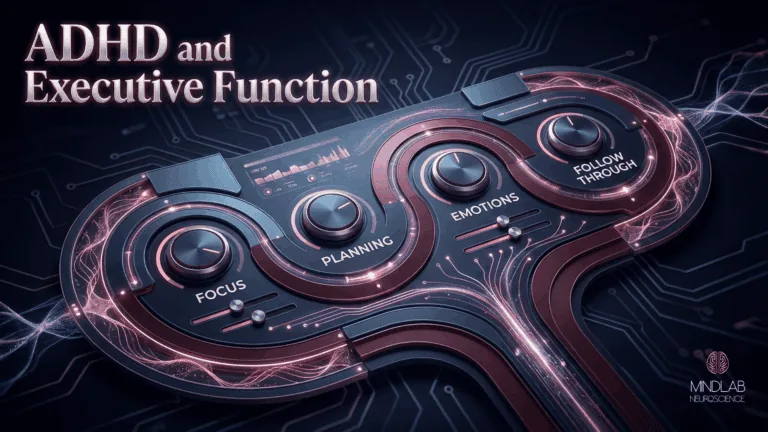
Read article : Learn How to Embrace Imperfections Using NeuroplasticityADHD & executive function challenges are not laziness or a lack of willpower. They are rooted in how your brain’s...
Read article : ADHD and Executive Function: Optimize Your Brain’s Control CenterWhen feedback hits like a threat, RSD at work can hijack your day. Here’s a neuroscience-based reset to stay grounded...
Read article : Rejection Sensitive Dysphoria (RSD) at work: How to Stay Grounded When Feedback Hits HardTired of one-size-fits-all therapy that ignores how your brain actually works? Real-Time Neuroplasticity Coaching™ delivers personalized, neuroscience-based support for lasting...
Read article : Neurodivergent Coaching: Real-Time Neuroplasticity™Remote neuroscience coaching is not talk therapy on Zoom. It is real-time brain rewiring in the moments your nervous system...
Read article : Remote Neuroscience Coaching: How It Works and Who It’s ForADHD, focus, and executive function problems are not character flaws. They live in your brain’s control networks. This guide shows...
Read article : ADHD; Focus & Executive Function: A Neuroscience GuideWhen you live with ADHD and brain fog, even small tasks can feel impossibly complex. This guide explains why your...
Read article : ADHD and Brain Fog: Gaining Clarity & Focus with NeuroscienceIf you have attention deficit hyperactivity disorder (ADHD), previously known as ADD, everything from paying the bills on time to...
Read article : Optimizing Focus and Control: Strategies for Adults with ADHD