Key Takeaways
- ADHD brain fog: dopamine dysregulation, weak prefrontal cortex connectivity to reward, attention networks, not laziness.
- ADHD reflects reduced prefrontal-striatal connectivity, not simply a dopamine deficit: generic productivity advice fails.
- The fog thickens with poor sleep, blood-sugar swings, stress, and screen time, each depleting dopamine.
- Executive function degrades when prefrontal dopamine runs low: missed appointments and dropped threads, not carelessness.
- These circuits stay plastic: dopamine-matched strategy and environment design can rebuild attention and clarity.
Brain fog is not a willpower problem. It is a dopamine-and-connectivity problem, and because those circuits stay plastic, deliberate design can measurably rebuild clarity over time.
Your Path From ADHD and Brain Fog to Real Clarity and Confidence
ADHD brain fog is not a willpower problem. It is a dopamine-and-connectivity problem. In ADHD, the prefrontal cortex runs on chronically low and erratic dopamine signaling, and the circuits linking it to the brain’s reward and attention systems transmit inefficiently. That is why simple tasks can feel wrapped in haze, why motivation evaporates, and why effort alone never seems to close the gap. You are not forgetful or lazy; you are working with a brain whose attention hardware is genuinely wired differently.
In my practice I see the cost of misreading this every week: capable people who have spent years convinced they simply aren’t disciplined enough, when what they actually have is a neurochemical supply problem the willpower model cannot touch. Once you understand the root cause, the work changes. Instead of pushing harder against the fog, you build the conditions that let the prefrontal cortex regain its grip on executive function. The fog is not a fixed sentence; it responds to targeted, brain-specific strategy.
Real Stories From Everyday Life
For so many people, living with ADHD and brain fog means losing track of essentials, feeling perpetually behind, and facing constant frustration. One person forgets important deadlines even after multiple reminders; another keeps apologizing for missed meetings despite trying every planner app on the market. The pattern is the brain’s wiring, not a character flaw.
Small victories matter, whether it’s remembering a birthday, finishing a project, or just feeling fully present for a moment. Hearing these stories reminds us that ADHD and brain fog are real lived experiences, and there is genuine hope for making life more manageable and fulfilling.
Neuroscience in Everyday Language
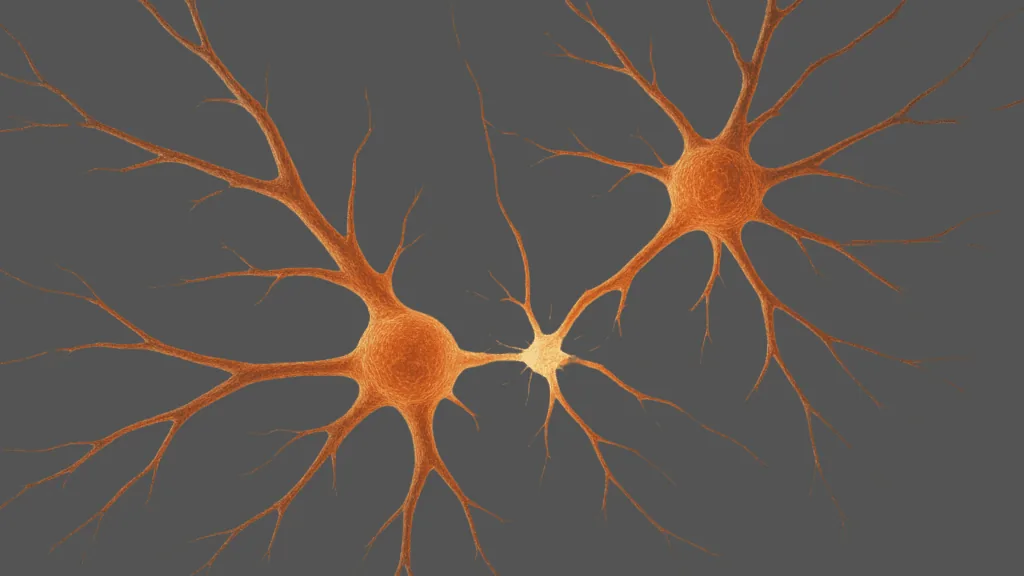
ADHD and brain fog are rooted in distinctive brain architecture and neurochemical shifts that science can now explain and address. Dopamine shortages hijack the motivational drive, while executive function suffers from inefficient neural signaling between key brain regions. Many find that their brains crave excitement and novelty, making it nearly impossible to sustain repetitive routines without targeted support.
Real relief comes when individuals and families recognize that biology, not just attitude, underpins these mental struggles. That shift turns frustration into focused problem-solving and opens access to strategies built around how the ADHD brain actually handles dopamine. The key difference between ADHD and ordinary brain fog: ADHD involves persistent dopamine dysregulation and executive dysfunction, while typical brain fog is situational, triggered by temporary factors like sleep loss or stress.
ADHD and Brain Fog: The Dopamine Connection
Dopamine is the central player in the daily mechanics of ADHD and brain fog, governing motivation, memory, and the ability to start or finish a task. When levels run too low or too erratic, even genuine intention runs dry, leaving you stuck in a way that feels entirely outside your control, because, neurologically, it largely is.
Science now advises customizing routines to spark dopamine intentionally with movement, novelty, and creative pursuits that feed the brain’s reward system. Over time, this teaches the brain to rely on healthy triggers rather than fleeting, unsustainable bursts of energy. Individuals who master what brings out their dopamine sweet spot often report dramatic improvements in memory, focus, and enthusiasm for life itself.
Why Traditional Methods for ADHD and Brain Fog Often Fall Short
Here is the hard part: the standard approaches most people try (generic productivity systems, talk-based processing, and willpower-driven habit advice) deliver some benefit for surface issues but fall flat for ADHD brain fog. The frustration I hear most often comes from people who worked diligently at exactly those methods, only to find nothing structurally changed, because the core neurological mismatch was never addressed.
What changes the trajectory is work that matches the actual neurology. When you stop treating ADHD as a discipline failure and start engineering the brain’s dopamine and executive-function systems directly (through structured novelty, environment design, and habit architecture built for an ADHD brain) the shift is real: bursts of focus last longer, details become retrievable, and organizing daily life moves from wishful thinking toward something workable. People describe feeling seen for the first time, because the strategy finally fits the challenge instead of fighting it.
Choosing a brain-based approach is what finally unlocks the clarity and motivation that effort-only methods leave permanently out of reach.

Triggers That Make Brain Fog Worse
ADHD and brain fog flare when sleep quality drops, nutrition goes off track, or stress builds unchecked. Anyone who’s ever faced a day of poor rest knows how quickly the mind’s clouds and energy evaporate. High-sugar meals or skipped breakfasts compound the problem, draining the brain’s natural reserves and making fog thicker and more disorienting.
Emotional or situational stress, ranging from workplace deadlines to personal conflicts, directly lowers dopamine, and fog thickens even more. Many experience even more haze after hours of screen time, with digital overstimulation blocking signals that refresh attention and clarity.
Changes to routine also bring risk and uncertainty. A new sleep schedule or exercise plan may disrupt before it helps, until the body adapts. Seasonal patterns play a critical role, with winter bringing more cloudy days and sharper drops in mental energy for many. Dietary improvements make a noticeable difference, with high-protein, high-fiber meals supporting alertness and reducing fog significantly.
For those with chronic illness or facing hormonal shifts, indicators can spike unpredictably, but recovery is possible when triggers are identified and addressed thoughtfully. Brain fog feel like preventing you from starting tasks, remembering details, or sustaining focus, but with neuroscience-based interventions targeting dopamine and executive function, these barriers dissolve and prevention becomes possible.
ADHD and the Executive Function Struggle
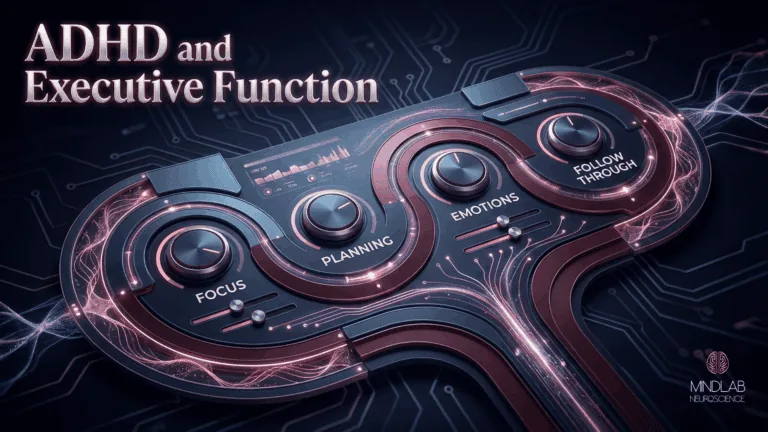
ADHD and brain fog deeply affect executive function, the brain’s command center for prioritizing, tracking, and recalling information. Little errors accumulate, such as missing appointments, forgetting chores, and losing track of routines that should be automatic.
People often blame themselves, but the root cause is not laziness or carelessness. It is how the brain is wired, and specifically how working memory holds and loses information. Progress comes from visible reminders, breaking tasks into chunks, and leaning on structured supports that boost reliability. These practical adjustments make a real difference, helping people reclaim consistency and a sense of competence in daily life.
Society and the ADHD Experience
Cultural norms expect perfection and speed, which can make ADHD and brain fog feel even more overwhelming and isolating. Children with ADHD are often viewed as daydreamers or troublemakers, while adults may feel pressure to hide their challenges in demanding jobs and competitive environments.
As society recognizes neurodiversity, more organizations and schools are beginning to offer tools, flexible environments, and genuine understanding. When people are valued for their unique strengths rather than judged for their differences, ADHD and brain fog become manageable parts of a rich, adaptive life. Powerful advocates are speaking out, showing everyone that mental clarity and success are achievable even for the most distracted minds.
Parenting, Friendship, and Relationships
Relationships require extra patience and clear communication in the world of ADHD and brain fog. Missed birthdays or forgotten appointments can strain family ties, and friends may misread distance or inattention as personal rejection. When the people around someone offer nonjudgmental support and ask honest questions instead of assuming the worst, trust grows and connection strengthens over time.
Daily Routines and Coping Strategies
A routine is a powerful antidote to the chaos of ADHD and brain fog. Regular sleep habits, nutritious meals, and daily movement anchor the mind and restore momentum when fog threatens to take over. Using time-blocking, visual cues, multisensory triggers like music, scents, or color-coded notes, and body-doubling to stay on task helps push distraction back.
Support systems, whether virtual communities, accountability partners, or family check-ins, offer encouragement and practical solutions tailored to your needs. The key is flexibility; routines must evolve with your needs and should focus on achievable goals, not rigid perfection that leads to failure. Brain fog pattern prevention starts with addressing root causes through sleep optimization, balanced nutrition, stress management, and neuroscience-informed intervention that tackles dopamine imbalances directly.
Neuroscience-Based Interventions and Lasting Change
Neuroscience-based intervention for ADHD and brain fog represents a breakthrough in how we address these challenges at the biological level. Unlike approaches that focus solely on coping skills or reflection, neuroscience-based interventions work directly with brain chemistry and neural pathways to create real, lasting change.
Sustained, dopamine-matched practice gradually recalibrates how the prefrontal cortex regulates attention and motivation, restoring the neurological foundation that drives focus and executive function. The change people experience can be striking. What once felt impossible (remembering appointments, starting projects, holding focus through a workday) becomes achievable as the underlying circuits strengthen and the brain’s regulatory chemistry steadies.
The strength of this method comes from how accurate it is. Neuroscience-based intervention targets the actual problem: how dopamine, norepinephrine, and other neurotransmitters interact with key brain regions responsible for attention and impulse control. When these systems function optimally, the fog dissipates, clarity arises, and daily tasks transform from overwhelming to manageable. Combined with neuroplasticity-based habit formation, structured routines, and lifestyle optimization, neuroscience-based approach creates sustainable progress that compounds over time.
Technology amplifies these gains. Smart reminders, habit trackers, and focus applications reinforce new neural pathways as you practice them consistently. Over weeks and months, the brain rewires itself, making new patterns automatic and natural. People consistently report that energy returns, memory sharpens, and motivation becomes consistent rather than elusive. The clarity people experience is not just temporary relief but a fundamental recalibration of how their brain processes information and generates the drive to move forward. This is how lasting transformation happens: when science addresses the root cause directly.
Looking at ADHD and Brain Fog From New Angles
No two journeys are the same with ADHD and brain fog. Children, athletes, professionals, and parents each invent their own workarounds to succeed and thrive in their unique environments. Some individuals understand that art, music, or creativity serves as their escape from mental fog and leads them to breakthrough moments.
Empathy, Self-Compassion, and Growth Mindset
Self-compassion is the foundation of meaningful change with ADHD and brain fog. When you replace self-criticism with self-kindness (noting small wins, resetting after setbacks, treating a missed day as data rather than failure) motivation builds and progress quickens. This is not soft advice: research increasingly frames ADHD as a connectivity difference between the prefrontal cortex and striatum rather than a simple dopamine shortage, which means the belief that your circuits can adapt with the right input is biologically well-founded.
Success Stories and Lasting Change
Lasting change comes from persistence and a willingness to experiment with what actually works. People describe setting small, stackable goals (prepping meals, keeping visible reminders, using simple digital tools) and watching clarity return week after week.
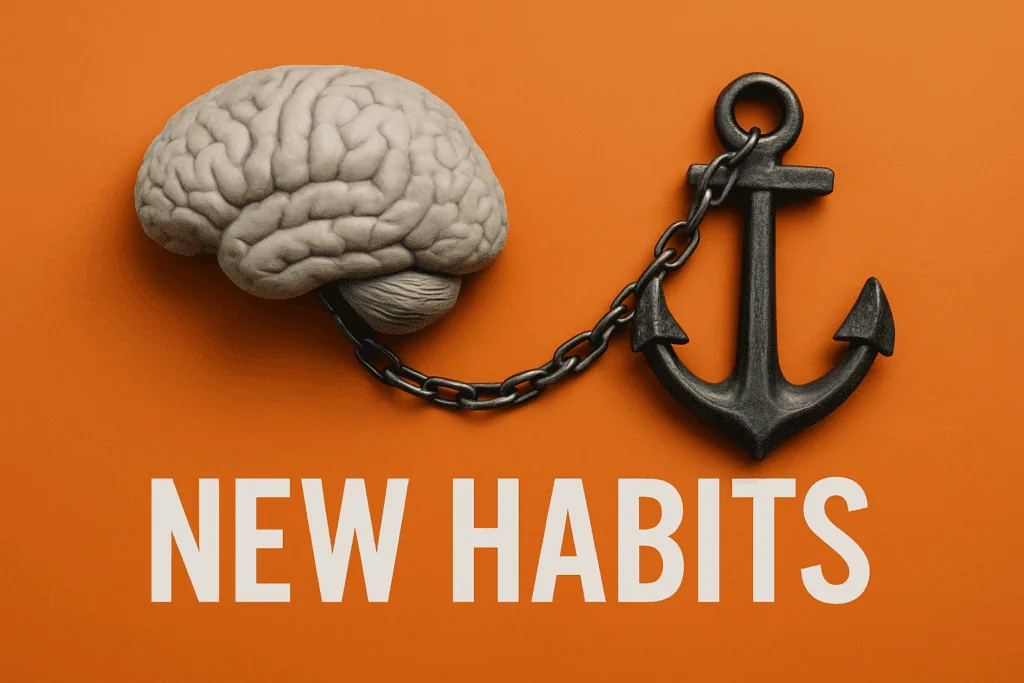
How to Anchor New Habits
Anchoring new habits when living with ADHD and brain fog begins with understanding that change is a journey, not an instant transformation. Most research shows that making habits stick requires steady patience and a willingness to experiment.
Taking three deep breaths before a task helps your mind reset and prepares you for forward movement. Setting gentle reminders on your phone or jotting down notes in colorful journals makes important moments and responsibilities easier to remember. Every small win builds genuine confidence and trains your brain to recognize success.
Sometimes habits slip, especially when ADHD and brain fog disrupt routines or energy levels. Relapse is entirely normal for everyone on this path. The goal is not perfection, but the ability to reset and try again, each time learning what works best for your lifestyle. This practice of resetting is a true mark of resilience and personal growth. When you encounter setbacks, approach yourself with kindness and curiosity rather than criticism, acknowledging that progress is rarely linear.
Helpful routines for managing ADHD and brain fog include daily movement, such as walks or stretches; morning check-ins to set intentions and review goals; and keeping important objects visible and easily accessible. Sticky notes, color-coded systems, and clear workspace layouts can powerfully support memory and organization. Connecting with supportive peers or groups adds motivation and accountability, turning habit formation into a shared experience rather than a solo struggle. Over time, these new patterns strengthen pathways in your brain, making clarity and focus feel natural and lasting.

Your Next Step: From Brain Fog to Clarity
ADHD and brain fog are real challenges, but they do not have to define your future or cap your potential. Lasting change takes more than willpower or self-help alone. It takes work matched to your specific neurochemistry. If you have tried generic systems, apps, or motivational advice without lasting results, the move is not to keep trying harder alone; it is to understand your own brain well enough to work with it. That means mapping your specific brain chemistry, identifying your personal dopamine triggers, and building routines engineered for an ADHD brain, moving from stuck and foggy toward genuine clarity, steadier motivation, and real confidence.
Reading about the dopamine and executive-function mechanics behind ADHD brain fog is useful, but translating it into routines your specific brain will actually hold takes individualized work. If the patterns in this article describe your experience, the next step is a focused conversation about the neural architecture driving them.
What is the connection between ADHD and brain fog?
ADHD and brain fog share a common neurological root in dopamine dysregulation within the prefrontal cortex. ADHD involves reduced dopamine transporter efficiency and lower baseline dopaminergic signaling in the executive function networks responsible for sustained attention and working memory. Brain fog emerges when these already-compromised circuits become further depleted by stress, poor sleep, or cognitive overload. The prefrontal cortex requires optimal dopamine levels to maintain clarity: too little produces the scattered, hazy cognition characteristic of brain fog. Understanding this shared dopamine mechanism explains why the two conditions so frequently co-occur and intensify each other.
Why do people with ADHD struggle with executive function?
Executive function depends on the dorsolateral prefrontal cortex and anterior cingulate cortex: regions that require consistent dopamine availability to operate effectively. In ADHD, dopamine signaling in these areas is chronically suboptimal, impairing the brain’s ability to prioritize tasks, hold information in working memory, inhibit impulsive responses, and shift between activities smoothly. This is not a motivation problem: it is a neurotransmitter supply problem. The brain’s executive control center simply does not receive the neurochemical fuel it needs to coordinate complex, multi-step behavior, which is why effort alone cannot compensate for the underlying neural architecture deficit.
Can brain fog from ADHD be durably improved?
Neuroplasticity research demonstrates that the neural circuits underlying both ADHD and brain fog can be structurally rewired through targeted, sustained intervention. Dopamine receptor sensitivity can be upregulated by reducing overstimulation sources and implementing structured reward environments that match ADHD-specific neurochemistry. Prefrontal cortex connectivity strengthens measurably with consistent practice of attention-regulation exercises over a sustained period of steady work. The key is personalization: generic productivity advice fails because ADHD brains require dopamine-optimized strategies, not willpower-dependent ones. When interventions match the actual neurology, lasting clarity and improved executive function become achievable outcomes.
What makes ADHD brain fog worse during the day?
Several neurological factors compound ADHD brain fog as the day progresses. Decision fatigue depletes prefrontal dopamine reserves: every choice, no matter how small, draws from a finite neurochemical pool. Blood glucose fluctuations after meals redirect metabolic resources away from cognitive networks. Accumulated sensory input overwhelms the reticular activating system, reducing its ability to filter relevant from irrelevant information. Cortisol follows a circadian pattern that peaks in morning and declines by afternoon, removing a natural cognitive enhancer. Sleep debt from ADHD-related circadian rhythm disruptions further reduces the baseline dopamine available for executive function throughout the day.
How does dopamine affect focus and clarity in ADHD?
Dopamine serves as the prefrontal cortex’s signal-to-noise regulator. At optimal levels, it amplifies relevant neural signals while suppressing background noise, producing the experience of clear, directed focus. In ADHD, dopamine levels in the prefrontal region sit below this optimal threshold, allowing irrelevant neural activity to compete with task-relevant processing. The result is the scattered attention and mental cloudiness that defines brain fog. When dopamine availability is enhanced through environmental design, structured novelty, and targeted behavioral protocols, the prefrontal cortex regains its filtering capacity and cognitive clarity returns. This is why ADHD focus can be exceptional when genuine interest provides a natural dopamine surge.
References
- Castellanos, F. X. and Proal, E. (2012). Large-scale brain systems in ADHD: Beyond the prefrontal-striatal model. Trends in Cognitive Sciences, 16(1), 17-26.
- Kolb, B. and Gibb, R. (2014). Searching for the principles of brain plasticity and behavior. Cortex, 58, 251-260.