Key Takeaways
- ADHD executive challenges stem from dopamine signaling and prefrontal cortex efficiency, not effort or intelligence
- High achievers mask ADHD through crisis-driven performance cycles that end in burnout and system collapse
- Working memory deficits, inhibitory control issues, and time perception distortions create bottlenecks requiring neural interventions
- Environmental design and externalized supports can compensate for executive limitations better than 10 willpower keys
- The same wiring that creates executive challenges also generates creativity, crisis performance, and pattern recognition
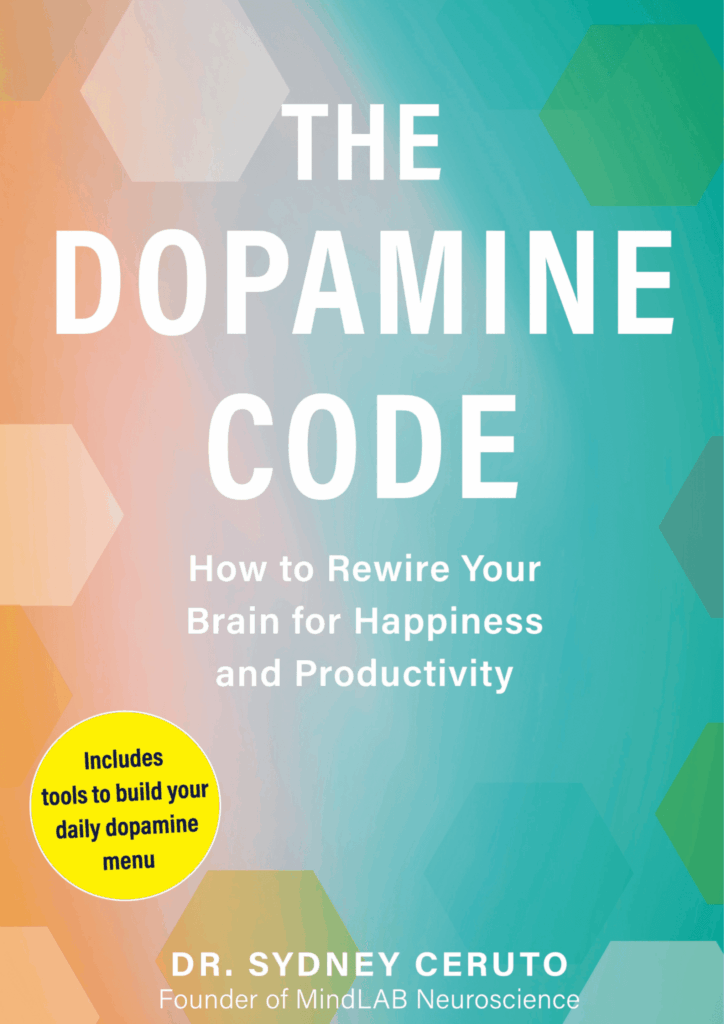
When high-capacity individuals with ADHD hit performance walls despite extraordinary intelligence and drive, the issue isn’t motivation or character: it’s executive function architecture. The prefrontal cortex networks that govern planning, inhibition, and sustained attention operate differently, creating a gap between cognitive potential and consistent execution that traditional productivity advice cannot bridge. This is the core of our ADHD and executive function work, and the dopamine mechanics behind it are explored in The Dopamine Code.
White matter microstructure in frontoparietal tracts predicts the severity of executive function deficits in adults with ADHD, with diffusion tensor imaging revealing disrupted connectivity that worsens time estimation and planning accuracy.
Emotional dysregulation in ADHD reflects deficient top-down modulation from lateral prefrontal cortex to the amygdala, compounding standard executive impairments and amplifying stress-related performance deterioration.
The gap between what you know you’re capable of and what you can consistently deliver isn’t a character flaw. It’s a mismatch between how your brain processes executive demands and how the world expects those demands to be met. In my 26 years of practice, I’ve observed that the most accomplished clients often struggle the most with this disconnect: their intelligence masks the underlying executive function challenges until the system reaches a breaking point.
The Executive Function Control Network: Architecture and Disruption
The executive function control network integrates the prefrontal cortex, anterior cingulate cortex, and parietal regions to govern four core cognitive control processes: working memory maintenance, inhibitory control, cognitive flexibility, and performance monitoring. When operating optimally, this network enables goal retention under distraction, strategic adaptation after failure, and sustained effort during demanding tasks. This pattern is examined in the Cognitive Architecture pillar overview.
In ADHD, this network faces three primary disruptions. First, as Faraone and Larsson’s work on ADHD genetics shows, the condition is highly heritable, and the dopamine and norepinephrine systems that modulate prefrontal activity operate with different baseline levels and responsivity patterns. The prefrontal cortex requires optimal catecholamine tone to maintain working memory and resist distractions: too little and attention wanders, too much and thinking becomes rigid. ADHD brains often struggle to achieve this optimal zone, particularly for tasks that don’t provide immediate reward or novelty.
In my practice, I consistently observe that clients can demonstrate extraordinary executive function when the task is crisis-driven, novel, or personally meaningful, but struggle with routine maintenance activities that require sustained, internally-driven motivation. This isn’t inconsistency: it’s the dopamine system responding predictably to different reward contexts. The challenge is learning to engineer those optimal contexts deliberately rather than waiting for external circumstances to provide them.
Second, the anterior cingulate cortex, which monitors performance and signals when cognitive control needs to be adjusted, may show different activation patterns. This region helps you notice when you’re off-task, when a strategy isn’t working, or when emotional arousal is interfering with clear thinking. When this monitoring system is less efficient, you may not realize you’ve become distracted until significant time has passed, or you may not notice that frustration is beginning to derail your focus.
The third disruption involves the default mode network: the brain regions active during rest and introspection. In neurotypical brains, this network quiets down when focused attention is required. In ADHD, the default mode network may remain more active during demanding tasks, creating internal competition for cognitive resources. This is why you might experience racing thoughts, mind-wandering, or difficulty achieving the mental clarity that sustained work requires.
| Executive Function Component | ADHD Impact | Behavioral Manifestation |
|---|---|---|
| Working Memory | Reduced capacity and maintenance | Losing track of multi-step tasks, forgetting instructions |
| Inhibitory Control | Delayed or weakened response inhibition | Interrupting others, impulsive decisions, task-switching |
| Cognitive Flexibility | Difficulty with set-shifting under stress | Getting stuck in unproductive approaches, all-or-nothing thinking |
| Performance Monitoring | Reduced error awareness and adjustment | Not noticing when off-task, delayed course corrections |
Understanding these specific neural mechanisms transforms how you approach executive challenges. Instead of trying to force your brain to operate like a neurotypical executive system, you can build supports that work with your actual neural architecture.
The High-Achiever ADHD Paradox: Success Masking Dysfunction
High-achieving individuals with ADHD frequently develop masking strategies that conceal executive dysfunction behind measurable career success. Research indicates a large share of adults with ADHD are not diagnosed until adulthood, many holding advanced degrees and leadership roles. This compensation creates a paradox: external competence signals hide internal cognitive chaos, generating chronic stress that accelerates burnout and impairs long-term functioning.
ADHD disrupts cerebellar-prefrontal timing circuits, causing elapsed duration to be systematically underestimated, a measurable data-processing error, not a motivational failure.
The masking typically follows predictable patterns. First, there’s the crisis-performance cycle. Many high achievers with ADHD unconsciously structure their work and life around urgency. They take on projects with tight deadlines, respond to emergencies, and wait until the pressure is intense enough to trigger the dopamine and norepinephrine release that brings executive function online. This strategy works, in the short term. The quality of work produced under pressure can be exceptional, reinforcing the belief that “I only work well under stress.”
However, crisis-driven performance is metabolically expensive. The chronic activation of stress response systems eventually leads to adrenal fatigue, sleep disruption, and nervous system dysregulation. Over years, what initially felt like an effective work style becomes a source of burnout and health problems. The executive function that emerges under stress also tends to be narrow and intense rather than flexible and sustainable.
The second common pattern is perfectionist overcompensation. Knowing that executive function can be unreliable, many high achievers develop extreme standards for their output. They review work endlessly, overresearch decisions, and resist sharing projects until they feel flawless. This perfectionism serves as insurance against the shame of making careless mistakes or missing important details, but it also creates massive inefficiency and prevents the kind of iterative improvement that builds executive skills over time.
I’ve observed that perfectionist tendencies in ADHD often mask a deeper fear of exposure: the concern that if people saw the actual process behind the polished output, they would question your competence. This fear drives overworking, over-preparation, and a reluctance to delegate or collaborate in ways that would actually support executive function.
The third pattern involves identity fragmentation. High achievers with ADHD often develop a split between their “professional self” and their “private self.” At work, they may appear organized, decisive, and consistently productive. At home, the same person might struggle with basic household management, financial organization, or maintaining personal routines. The cognitive resources required to maintain professional performance leave little capacity for the executive demands of daily life.
This fragmentation can create relationship conflicts and personal shame. Partners, family members, and close friends see a different person than colleagues do. They may interpret difficulties with household tasks, time management, or follow-through on personal commitments as a lack of caring or respect, when it’s actually a result of executive resource allocation and depletion.
Working Memory and Attention: The Foundation of Executive Control
Working memory, the cognitive system that holds and manipulates information in conscious awareness, forms the neurological foundation of executive control. Research shows individuals with ADHD demonstrate working memory capacity that measures below neurotypical peers, making this system highly vulnerable to interference during multi-step tasks, sustained attention, and real-time information tracking.
The practical impact of working memory challenges extends far beyond simple forgetfulness. When you can’t reliably hold information in conscious awareness, complex tasks become exponentially more difficult. Multi-step projects require constant external reminders of where you are in the process. Conversations become harder to follow when multiple topics are being discussed. Decision-making slows down because you can’t easily compare options without losing track of the criteria.
In my work with executives, I see how working memory limitations create a cascade of secondary problems. Meetings become stressful because holding all the discussion threads while formulating responses taxes the system. Email becomes overwhelming because each message requires you to remember context, priorities, and previous decisions while crafting appropriate responses. Strategic planning feels impossible because connecting long-term goals to immediate actions requires holding multiple time horizons and variables in mind simultaneously.
The attentional component of executive function involves three distinct networks: alerting (maintaining vigilant attention), orienting (directing attention to specific inputs), and executive attention (resolving conflicts between competing inputs). ADHD typically affects all three, but executive attention, your ability to focus on relevant information while inhibiting irrelevant inputs, is often the most impaired.
Executive attention difficulties create what feels like constant mental noise. Your brain processes more of the environmental and internal stimuli that neurotypical brains automatically filter out. The conversation in the next office, the notifications on your phone, the random thoughts that pop into consciousness: all compete for limited cognitive resources. This isn’t a lack of discipline; it’s a difference in the neural mechanisms that determine what receives conscious attention.
What makes this particularly challenging for high achievers is that executive attention problems are context-dependent. In stimulating, novel, or high-stakes environments, the brain may actually show enhanced focus. During crisis situations, important meetings, or engaging projects, attention can become laser-focused. But in routine, boring, or ambiguous situations, the same brain struggles to maintain basic concentration. This inconsistency can feel maddening and often leads to self-blame and confusion about your actual capabilities.
Time Perception and Planning: The Hidden Executive Challenge
ADHD impairs internal time perception through disrupted cerebellar-prefrontal timing circuits, producing what researcher Russell Barkley terms “time blindness.” Studies show individuals with ADHD tend to underestimate elapsed time compared to neurotypical controls. This neurological difference distorts duration, sequence, and pacing judgments, not a motivational failure, but a measurable difference in temporal data processing.
Time blindness manifests in several predictable ways. Duration estimation becomes unreliable: tasks that will take hours feel like they should take minutes, while brief interruptions seem to stretch endlessly. This makes planning essentially impossible, because you can’t accurately estimate how long activities will take or how much you can realistically accomplish in a given timeframe.
Temporal sequencing also becomes challenging. The brain struggles to organize activities in logical chronological order or to understand how current actions relate to future outcomes. This contributes to procrastination patterns, because the connection between “starting now” and “meeting the deadline” feels abstract and distant rather than concrete and urgent.
In my practice, I’ve observed that time perception difficulties create a cascade of executive problems. Poor planning leads to overcommitment, which creates stress and crisis situations, which then triggers the emergency focus that temporarily solves the immediate problem while reinforcing the underlying pattern. Clients often describe feeling like time suddenly “jumps forward”: they’ll start working on something with plenty of time available, then look up and realize they’re late for the next appointment.
The planning difficulties that result from time perception problems extend beyond scheduling. Strategic thinking requires the ability to mentally time-travel: to imagine future scenarios, consider different timelines, and work backward from desired outcomes to current actions. When time feels fluid and unpredictable, this kind of temporal reasoning becomes cognitively expensive and often unreliable.
| Time Perception Challenge | Executive Impact | Compensation Strategy |
|---|---|---|
| Duration Blindness | Chronic underestimation of task time | External timers, time-blocking with buffers |
| Sequence Confusion | Difficulty with multi-step planning | Visual project timelines, backward planning |
| Present Bias | Overweighting immediate vs. future rewards | Artificial urgency, accountability systems |
| Transition Difficulty | Getting stuck in current activity | Structured transition rituals, external cues |
The solution isn’t to develop better time intuition: that’s working against your neural architecture. Instead, effective approaches externalize time awareness through tools, structures, and environmental cues that provide the temporal information your internal systems can’t reliably generate.
Emotional Regulation and Executive Function: The Stress-Performance Connection
Executive function and emotional regulation share overlapping neural circuits, which means that emotional arousal directly impacts cognitive control. In ADHD, this connection is often more pronounced: emotional states can dramatically alter executive capacity, sometimes within minutes. Understanding this relationship is crucial for developing sustainable performance strategies.
When the emotional centers of the brain become activated, they can essentially hijack the prefrontal cortex resources needed for executive function. This isn’t a character weakness; it’s a predictable neurological response. The amygdala and related limbic structures prioritize immediate emotional processing over complex cognitive control when they detect threat, frustration, or overwhelm.
In high-achieving adults with ADHD, this often manifests as performance volatility tied to emotional states. On days when you feel calm and optimistic, executive function may work beautifully: you can focus, make decisions efficiently, and maintain organized thinking. On days when you’re stressed, frustrated, or anxious, the same brain may struggle with basic cognitive control tasks.
The shame cycle common in ADHD creates additional executive burden. When you notice that you’ve become distracted, made a careless error, or failed to follow through on a commitment, the emotional response of self-criticism consumes cognitive resources and makes it even harder to reengage with the task. I consistently observe this pattern in my practice: clients who can maintain focus and clarity while treating themselves with compassion, but whose executive function collapses under the weight of self-attack.
This creates a paradox: the emotional self-regulation required for optimal executive function is itself an executive function. Breaking this cycle requires understanding that emotional states aren’t just background conditions: they’re active determinants of cognitive capacity. Managing your internal emotional environment becomes as important as managing your external work environment.
The practical implication is that sustainable executive function strategies must include nervous system regulation as a foundation. Breathing practices, movement, sensory regulation tools, and other calming techniques aren’t luxuries or stress management add-ons: they’re core executive function supports. When the nervous system is calm and regulated, the prefrontal cortex can access its full capacity for planning, attention, and impulse control.
a neuroplasticity blueprint for brain rewiring: Rewiring Executive Patterns in Context
Real-Time Neuroplasticity™ targets executive function rewiring during the actual moments of cognitive challenge, not in isolated skill-building sessions. Research suggests context-dependent learning improves transfer compared to decontextualized training. The prefrontal cortex consolidates new behavioral patterns most efficiently when intervention occurs while maladaptive executive circuits are actively firing.
According to Barkley’s framework of executive function development, this means creating structured opportunities to practice executive skills while they’re actually needed, rather than in artificial training environments. For working memory challenges, this might involve practicing information management during real meetings rather than through abstract cognitive exercises. For attention difficulties, it means developing focus skills while engaged in actual work tasks that matter to you, not through generic concentration drills.
The key insight is that executive function exists within emotional and motivational contexts. Your brain’s capacity for cognitive control is influenced by whether the task feels meaningful, whether you feel confident in your ability to succeed, and whether the environment supports or undermines your focus. Effective interventions consider these contextual factors rather than treating executive function as a purely cognitive phenomenon.
In my practice, I work with clients to identify their optimal executive function contexts, the situations where their cognitive control naturally works well, then engineer those conditions into other areas of their life. If you focus beautifully during crisis situations, we explore how to create appropriate urgency without manufactured chaos. If you think clearly when working on personally meaningful projects, we look at ways to connect routine tasks to deeper values and goals.
This approach recognizes that you already have executive function capabilities: they’re just contextually constrained. Rather than building entirely new skills, we’re expanding the range of contexts where your existing capacities can emerge. This is both more efficient and more sustainable than trying to override your natural neural patterns through willpower alone.
Environmental Design: Externalizing Executive Function
Environmental design reduces cognitive load by transferring executive function demands from the brain to physical and digital systems. Research shows working memory is consistently impaired in ADHD, with adults performing measurably below neurotypical peers on working-memory tasks. Structuring spaces to hold, organize, and prompt critical information compensates for this deficit without relying on unreliable internal resources.
Visual organization systems serve as external working memory. Instead of trying to remember all your current projects and their status, a well-designed task board makes that information immediately visible. Instead of holding meeting preparation steps in your head, a template checklist ensures nothing gets forgotten. The goal is to make important information available at a glance rather than requiring conscious recall.
Digital tools can extend your cognitive capacity when chosen strategically. Calendar systems that provide multiple views and automatic reminders compensate for time perception challenges. Project management platforms that break complex initiatives into visible, trackable steps support planning difficulties. Note-taking systems that capture ideas as they arise prevent the cognitive load of trying to remember everything until later.
The key principle is reducing decision fatigue through default choices and automated systems. Every small decision (what to wear, what to have for breakfast, which task to work on first) consumes executive resources. By creating default choices for routine decisions and automated systems for repeated processes, you preserve cognitive capacity for the decisions that actually matter.
Physical environment design also plays a crucial role. Clutter and visual chaos increase cognitive load for ADHD brains, while organized, simplified spaces reduce the amount of attention required for basic navigation. This doesn’t mean sterile minimalism: it means intentional design that supports rather than drains your executive resources.
In my work with high-achieving clients, environmental design often provides more leverage than cognitive training. A well-designed workspace, optimized digital systems, and thoughtfully structured routines can dramatically reduce the executive function demands of daily life, freeing up cognitive resources for the complex thinking that actually requires human judgment and creativity.
The Integration Challenge: From Understanding to Implementation
Knowledge about ADHD and executive function is abundant, but sustainable change requires translating that understanding into consistent daily practice. The integration challenge, moving from insight to implementation, is where most improvement efforts stall. Understanding your executive profile is valuable, but change happens through repeated practice in real-world contexts.
The most effective integration approaches focus on one specific executive skill at a time rather than trying to improve everything simultaneously. Your brain can only build new neural pathways efficiently when attention is concentrated on a narrow target. Attempting to enhance working memory, improve time management, and develop better emotional regulation all at once typically results in none of these areas showing meaningful improvement.
Start with the executive challenge that creates the most friction in your daily life. If task initiation is your primary bottleneck, focus exclusively on developing reliable starting routines before addressing other areas. If working memory is the main limitation, experiment with external memory systems and information management practices before moving to other executive skills.
The implementation process works best when it includes both structure and flexibility. Structure provides the scaffolding that supports new patterns when motivation is low or circumstances are challenging. Flexibility allows you to adapt approaches based on what you’re learning about your unique neural patterns and environmental contexts.
Track implementation through behavior rather than outcomes. Instead of measuring whether you completed all planned tasks (which depends on many variables outside your control), measure whether you used the starting routine you designed, whether you consulted your external memory system, or whether you took the planned regulation break. These process measures provide more reliable feedback about skill development and are less vulnerable to the shame cycles that often derail improvement efforts.
In my experience working with high-capacity individuals, sustainable change requires patience with the neurodevelopment process. Executive skills are complex neural networks that strengthen through repeated use over time, not through intensive short-term effort. The goal is consistent practice that gradually builds new default patterns rather than dramatic behavioral overhauls that exhaust your cognitive resources.
What is executive function and how does ADHD affect it?
Executive function encompasses the prefrontal cortex operations that manage attention, working memory, planning, and impulse control. Reduced dopamine signaling in prefrontal circuits impairs these capacities, making it harder to prioritize, sustain focus, and regulate behavior across tasks. The deficit is not motivational: it is neurochemical, and it responds to targeted structural interventions designed to support the specific circuits involved.
How does dopamine relate to ADHD and attention regulation?
Dopamine is critical for signaling relevance and reward in prefrontal networks, and ADHD involves suboptimal dopamine availability in these circuits. This deficit makes it difficult to sustain attention on low-stimulation tasks while simultaneously creating a pull toward high-dopamine, novel activities.
Can you strengthen executive function with an ADHD brain?
Neuroplasticity allows targeted strengthening of prefrontal circuits even when baseline dopamine levels are suboptimal. Structured environmental design and incremental skill-building leverage the brain’s adaptive capacity to improve executive function performance over time. The key is consistency of conditions: the basal ganglia encodes new defaults through repeated practice in stable contexts, not through motivation or effort intensity alone.
Why do people with ADHD struggle with time management?
Time perception depends on prefrontal and dopaminergic circuits that are underactivated in ADHD, creating a distorted sense of time passage and deadline urgency. This neurological difference makes future consequences feel abstract, causing the brain to prioritize immediate stimulation over planned action.
References
- Faraone, S. V., and Larsson, H. (2019). Genetics of attention deficit hyperactivity disorder. Molecular Psychiatry, 24(4), 562-575. https://pubmed.ncbi.nlm.nih.gov/29892054/
- Barkley, R. A. (1997). Behavioral inhibition, sustained attention, and executive functions: constructing a unifying theory of ADHD. Psychological Bulletin, 121(1), 65-94. https://pubmed.ncbi.nlm.nih.gov/9000892/
From Reading to Rewiring
Understand the neuroscience. Apply it to your life. Work directly with Dr. Sydney Ceruto to build a personalized strategy.
Schedule Your Strategy Call