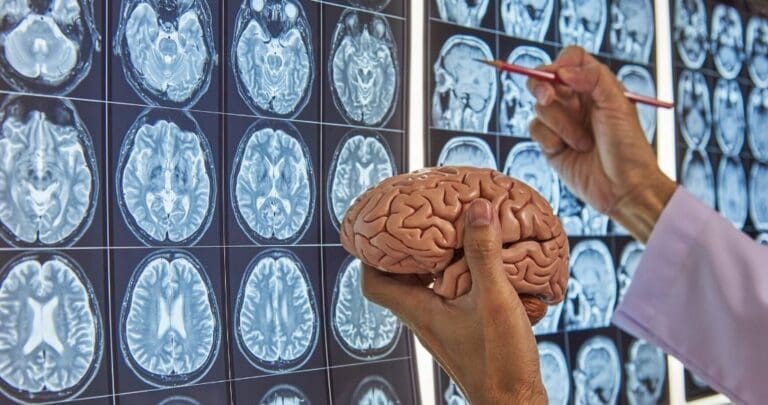
The cultural conversation around self-care has reduced it to consumption — bath products, weekend retreats, permission to do nothing. The neuroscience points to something more precise and more consequential. The human nervous system operates on a regulatory budget. The autonomic nervous system oscillates between sympathetic activation (mobilization, threat response, effortful output) and parasympathetic restoration (recovery, digestion, cellular repair, memory consolidation). The HPA axis requires periods of low cortisol output to maintain receptor sensitivity. The prefrontal cortex, which consumes disproportionate metabolic resources relative to its size, requires genuine downregulation to replenish the neurotransmitter pools — particularly dopamine and norepinephrine — that sustain executive function. Self-care, in neurobiological terms, is the set of behaviors that shift the autonomic balance toward parasympathetic dominance, allow cortisol clearance and receptor resensitization, and create the conditions under which the brain’s most resource-intensive systems can recover. Without this recovery, the systems degrade — and the degradation is cumulative, progressive, and eventually visible in decision quality, emotional reactivity, and physical health.
Porges’ polyvagal theory reframed autonomic regulation by identifying three hierarchical response states — ventral vagal (social engagement and safety), sympathetic (mobilization and fight-or-flight), and dorsal vagal (immobilization and shutdown) — with the critical insight that the capacity to access the restorative ventral vagal state depends on neural detection of safety signals, not merely the absence of threat. Thayer and Lane’s neurovisceral integration model demonstrated that heart rate variability — a measure of vagal tone and parasympathetic flexibility — predicts prefrontal cortical function, emotional regulation capacity, and the ability to sustain executive performance under demand, establishing a direct physiological link between autonomic recovery and cognitive capability. Dallman’s research on comfort food and HPA axis regulation revealed that the drive toward specific “self-care” behaviors often reflects the brain’s attempt to pharmacologically dampen a hyperactive stress response — the craving for carbohydrates and fats is a cortisol-reduction strategy, not a character weakness. McEwen’s allostatic load framework quantified the cumulative cost of insufficient recovery: sustained wear on cardiovascular, metabolic, immune, and neural systems that produces measurable pathology over time.
The mainstream self-care industry treats the problem as a deficit of permission — as though the barrier to recovery is merely willingness to prioritize rest. This misses the neurological reality. A nervous system that has been chronically activated does not simply downregulate because the person decides to relax. The autonomic nervous system is not under voluntary control. A person lying on a beach with a racing mind, elevated baseline cortisol, and a sympathetic nervous system that has been in sustained activation for months is not recovering — they are lying down while remaining neurologically mobilized. True parasympathetic activation requires specific conditions: neuroception of safety (not just the absence of obvious threat), vagal engagement through social co-regulation or specific physiological practices, and sufficient duration for cortisol clearance and receptor resensitization. These conditions are not guaranteed by leisure time, and they are frequently blocked by the same neural patterns that created the depletion in the first place.
Dr. Sydney Ceruto’s work at MindLAB Neuroscience addresses the regulatory architecture that determines whether a person can actually recover or merely goes through the motions of rest without neurological restoration. Through Real-Time Neuroplasticity™, she identifies the specific autonomic patterns, stress-response calibrations, and neural threat detections that prevent a client’s nervous system from accessing the parasympathetic states required for genuine recovery — and intervenes during the conditions that maintain the activation, when those circuits are engaged and amenable to reorganization. The goal is not to add self-care behaviors to an overloaded schedule. It is to restore the neural capacity for the autonomic regulation that makes recovery possible in the first place. A strategy call begins with mapping how your nervous system is regulating — or failing to regulate — under the specific demands of your life. The articles below explore the neuroscience of nervous system regulation, parasympathetic activation, stress recovery, and the mechanisms that determine whether rest actually restores or merely passes time.