
Key Takeaways
- What if thinking is compelling because the brain is programmed for predictability and control.
- Under uncertainty, planning and threat-detection networks work overtime, producing an endless scroll of what-if thoughts.
- Neuroscience confirms that anticipatory anxiety is rooted in overactive brain systems continuously scanning for risk.
- Prefrontal cortex and limbic system create concern loops that intensify as the amygdala signals threats.
- When what-if thinking becomes the default, rumination crowds out calm and creates emotional exhaustion.
The Mental Trap of What If Thinking: Anxiety in the Modern Mind
What-if thinking is the brain’s prediction system stuck in an open loop: the prefrontal cortex and amygdala keep generating future threat scenarios but never close the evaluation, so the search for certainty never resolves. In my practice, I consistently see that the people most trapped by it are not anxious by temperament, they are high-functioning planners whose prediction machinery has learned to treat uncertainty itself as the danger. That distinction changes the intervention: the goal is not to calm the feeling but to teach the circuit to finish the loop.
‘What if ‘thinking is a mental pattern that fuels anxiety, drains focus, and amplifies stress across daily life? People plagued by what if thoughts find themselves searching endlessly for certainty, envisioning future scenarios, and anxiously forecasting worst-case outcomes. This chronic “what if thinking” shapes the mind, fostering worry rather than resilience.
Neuroscience explains why what if thinking is so compelling: the brain is programmed to hunt for predictability and control. When uncertainty is high, neural networks responsible for planning and threat detection work overtime, producing an endless scroll of what-if thoughts in the search for security.
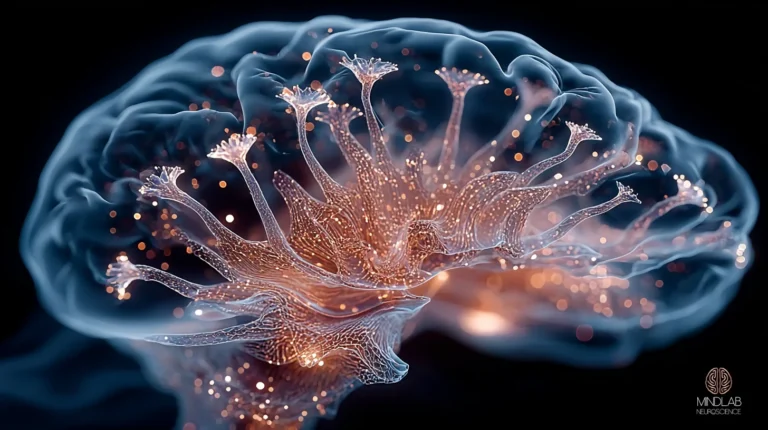
Neuroscience confirms that anticipatory anxiety is rooted in overactive brain systems continuously scanning for risk. The prefrontal cortex and limbic system create loops of concern, intensifying as the amygdala signals possible threats. When what-if thinking becomes the default, rumination crowds out calm, and the mind struggles to rest, creating emotional exhaustion.
Over time, this mental habit deepens, causing not only ongoing anxiety but also sleep issues, distraction, and physical signals such as tension or fatigue. Recognizing how what if thinking shapes your mind is the first step in breaking free, bringing awareness to unhelpful patterns so they can be restructured for clarity and peace.
The Neuroscience of ‘What If’ Thinking and Anticipatory Anxiety
Dopamine, the neurotransmitter for motivation and reward, surges as we anticipate possible futures. The act of pondering “what if” may give short-term relief, but chronic repetition wires anxiety pathways, making it harder for the mind to disengage. The longer what-if thinking shapes your cognitive landscape, the deeper these neural grooves, reinforcing future worry as a constant companion.
Rumination is the companion process, mentally revisiting potential disasters or opportunities that never manifest. Scientific studies show that breaking cycles of what-if thinking and rumination reduces the grip of anticipatory anxiety and boosts emotional regulation.
Relationships, Work, and What If Thinking

What if thinking can quietly erode the foundation of relationships, creating suspicion, disconnection, and emotional distance long before any real conflict begins. Within partnerships, these hypothetical anxieties: “What if they leave? What if I’m not enough? What if I get hurt again?”, don’t just surface in arguments; they subtly invade daily interactions: a misunderstood text, an unreturned call, a slight change in mood.
Chronic stress produces dendritic remodeling in the prefrontal cortex, reducing the capacity for executive function and emotional regulation.
In the professional world, what if thinking shapes your mind into a maze of indecision and self-doubt. “What if I make a mistake?” or “What if others outperform me?” often becomes the internal soundtrack at work, breeding procrastination, fear of failure, and reluctance to contribute new ideas. Projects may stall, opportunities can slip by, and a single setback can spark relentless rumination that undermines creativity and visibility. Even team dynamics are affected; colleagues who overthink may avoid leadership, struggle to delegate, or quietly sabotage their own growth through absent-mindedness or unnecessary caution.
Friendships and family connections, too, can sag under the weight of what-if thoughts. Hypervigilance leads to reading too much into words and actions, making connections feel fraught or unsafe. Recognizing that what-if thinking shapes your mind and relationships is a powerful invitation to cultivate awareness, practice compassion, and create new habits of open dialogue and gentle curiosity. This is how the pattern is broken, and how trust, communication, and genuine connection are rebuilt for the long term.
Culture, Media, and the Amplification of What If Thinking
Modern culture provides fertile soil for what if thinking to thrive, as news cycles and social media serve up a 24/7 buffet of real and imagined risks. Every headline screams for attention, spotlighting disaster, scarcity, or some future threat lurking just beyond the horizon.
Social platforms up the ante: highlight reels from friends or influencers can make achievements and picture-perfect lives the norm, accelerating social comparison and anxiety. “What if I’m missing out?” “What if I don’t have what it takes?” These questions don’t just sap joy, they keep the brain’s vigilance circuits firing, crowding out gratitude and making it difficult to focus on genuine priorities.
Escaping this cycle means choosing intentionality over autopilot. Limiting exposure to anxiety-inducing media, curating a digital space that promotes learning and inspiration, and practicing present-moment anchoring are all science-based strategies for mental defense. Awareness of how what if thinking shapes your mind, especially in the digital age, adds choice to vulnerability, helping you reclaim your attention and rewrite the story from chaos to calm.
Genetics, Biology, and Why What If Thinking Persists
What if thinking doesn’t affect everyone equally; genetics and biology shape each person’s susceptibility to persistent future worry. People with highly reactive amygdalas or strong family histories of anxiety are naturally more attuned to rumination and what if thoughts.
Life’s ongoing stressors and environmental triggers further amplify this biological sensitivity. A brain primed in childhood to anticipate risk is more likely to use what if thinking as a coping mechanism, often leading to rippling effects: difficulties with emotional regulation, lingering tension, concentration struggles, and diminished resilience. Persistent use of what if thinking doesn’t just produce mental health patterns. It can shift physical well-being by influencing sleep cycles, immune responses, and even metabolic health.
The hopeful frontier in this field is neuroplasticity. Decades of research underscore that with intentional practice (positive relationships, relaxation routines, healthy sleep, and supportive environments) the brain can learn new, adaptive patterns. What if thinking may never disappear entirely for some, but its power can be dramatically lessened, making room for peace, presence, and a fresh relationship with life’s uncertainties.
Dopamine: The Drive Behind What If Thinking
Dopamine is a powerful neurochemical that underpins why what-if thinking shapes your mind, and why uncertainty can feel so urgent and consuming. Released during anticipation, dopamine primes the brain for vigilance and puts it on alert for both opportunities and threats.
The human brain operates as a complex network where the efficiency of information transfer between regions determines cognitive capacity more than the activity of any single area.
This heightened dopamine response is most pronounced when outcomes feel unpredictable, risk feels high, or answers are missing. In fact, research shows that ambiguous situations trigger increased dopamine release, activating brain centers for motivation, problem-solving, and readiness to act. The more unresolved the reward or danger, the more dopamine surges, and the stickier and more persistent future worry and rumination become. That’s why what-if thinking often lingers and becomes self-perpetuating, even when solutions are unavailable.
Balancing dopamine’s influence isn’t about suppressing anticipation, but about channeling it. Mindful practices like savoring achievements, expressing gratitude for current resources, and cultivating contentment encourage the brain to enjoy the present, not just chase the future. Setting meaningful goals and learning to tolerate ambiguity without compulsively seeking certainty recalibrates your reward system, shrinking the mental space taken up by what-if thinking. When dopamine’s energy is paired with self-awareness, “what if” thoughts lose their power to drive anxiety, and instead become fuel for purposeful growth, resilience, and innovation.
Physical Health and the Impact of What If Thinking

Persistent what-if thinking isn’t just a mental hurdle. It’s a full-body experience with profound physical consequences. Each cycle of anticipatory worry triggers your body’s stress response, flooding your system with cortisol and adrenaline. Over time, this chronic elevation of stress hormones weakens the immune system, disrupts digestion, and increases inflammation throughout the body.
Nowhere is this mind-body connection more dramatic than in the quality of sleep. When what if thinking shapes your mind at night, it transforms the bedroom into a stage for endless hypothetical rehearsals, replaying scenarios that may never materialize. This restlessness undermines the deep, restorative sleep necessary for resilience and hormone regulation. Poor sleep feeds back into heightened anxiety and reduced cognitive function, creating a destructive loop that saps energy and optimism from daily life.
Learning to disrupt what-if thinking before bed (through soothing rituals, reflective practices, and gentle distraction) restores crucial balance and replenishes both body and mind. Yoga, breathwork, or simply writing down lingering worries can quiet racing thoughts, allowing the nervous system to reset and mend.
The Upside: Leveraging What If Thinking for Growth
Despite its reputation, what if thinking can become a powerful force for positive change when harnessed mindfully. Imagining new paths, potential risks, or creative solutions helps cultivate adaptability and vision. What if thinking, when directed with intention rather than compulsion, encourages curiosity, learning, and strategic foresight, hallmarks of resilient leaders, innovators, and anyone facing life’s inevitable uncertainties.
The distinction lies in relationship and purpose: channeling what-if thinking not into rumination, but into thoughtful scenario planning and creative exploration. Leaders and creators use it to brainstorm contingencies, artists to envision novel expressions, and individuals to prepare and adapt, not panic, when circumstances shift. Anticipatory thoughts become seeds of growth rather than anchors to worry when paired with actionable steps and a willingness to experiment.
By setting healthy boundaries and viewing what-if thinking as a resource instead of a threat, individuals can unlock new motivation, enhance problem-solving, and develop lasting confidence to meet challenges. When fueled by intention, self-awareness, and hope, the energy once trapped in anxiety is released for progress, connection, and purposeful achievement, transforming a source of worry into a wellspring of growth.
Science-Based Solutions: Ending Rumination and Future Worry
The rise of technology and constant connectivity has fundamentally changed how thinking shapes your mind. Every ping, news flash, and health alert prompts immediate “what if” thoughts: what if something is wrong, what if I missed out, what if things change tomorrow?
Even moderate stress exposure impairs prefrontal cortex function by flooding the region with catecholamines, shifting neural processing toward subcortical, reflexive circuits.
Social media routines amplify anticipatory anxiety: scrolling through curated highlight reels can trigger comparison, FOMO, and future worry, feeding the cycle even when there’s no present danger. Health trackers and productivity apps, designed to optimize, can unintentionally breed overthinking and compulsive self-monitoring. The mind gets trained to forecast outcomes, track statistics, and prepare for all possible risks, courting hypervigilance in place of relaxation.
Science recommends a radical shift. Intentional tech habits (such as scheduled offline intervals, mindful content selection, and digital detox periods) are vital for recalibrating emotional balance. Prioritizing present-moment activities and nurturing offline relationships helps interrupt the spiral of future-focused rumination. When technology is used as a tool for connection and creativity, rather than constant surveillance, anxiety decreases, fulfillment grows, and well-being flourishes. Adapting to the digital age means learning not just to manage devices, but to master the art of choosing when and how “what if thinking” gets our attention.
Resilience Means Embracing Uncertainty
True mental resilience isn’t the absence of worry. It’s the cultivated ability to remain steady and open in the face of the unknown. What if thinking shapes your mind by tempting you toward certainty, but genuine strength appears when you gracefully accept that outcomes are unpredictable? Life can’t always be managed from the head.
The process starts with reframing discomfort. Each moment of uncertainty prompts a choice: retreat into anxious rumination, or pause and ask what possibilities might be unfolding. Adaptive habits (such as honoring progress over perfection, reflecting on past successes in adversity, or simply sitting with discomfort rather than rushing to resolve it) help strengthen the inner muscles of courage and patience. Whether through journaling, mindful breathwork, or celebrating small risks taken each day, these practices turn uncertainty into an influential teacher.
Over time, when what-if thinking shapes your mind with anxious energy, resilient individuals harness that same energy for purposeful action and deeper self-awareness. They become more resourceful, collaborative, and imaginative, able to navigate shifting circumstances with optimism and grace. This mindset not only anchors lasting well-being, it supports vibrant, trusting relationships, authentic leadership, and personal growth that endures when life is uncertain. Embracing uncertainty isn’t simply surviving the unknown; it’s thriving because of it.