Key Takeaways
- Dating apps exploit variable reward: swiping runs gambling’s dopamine loop, driving compulsive seeking over connection.
- Paradox of choice overwhelms the prefrontal cortex: more options, worse decisions, higher regret, lower commitment.
- Ghosting, breadcrumbing, and situationships dysregulate attachment: intermittent reinforcement escalates anxiety and erodes secure bonding.
- Modern dating selects for surface dopamine, filtering out the sustained contact that builds oxytocin attachment.
- Protecting mental health means designing the dating environment with attachment neuroscience, not against it.
Mental health in modern dating is a growing concern as our ways of finding love continue to evolve. In today’s fast-paced world, dating has been transformed by digital platforms, shifting social norms, and the pressure to curate an idealized online image. While swipe-based dating apps like Tinder and Bumble make it easier than ever to connect with others, they also bring significant challenges to emotional well-being, a tension that runs through the neuroscience of connection in modern dating.
The complexities of modern dating include decision fatigue from endless swiping, the superficial judgments inherent in profile-based matchmaking, and the emotionally destabilizing culture of ghosting. These dynamics often leave individuals feeling anxious, inadequate, or stuck in a cycle of disappointment. Add to this the ever-present fear of missing out (FOMO) on “better” connections, and it’s clear why today’s dating landscape can feel more overwhelming than fulfilling.
The uncertainty and intermittent reinforcement characteristic of modern dating apps produce dopaminergic activation patterns analogous to variable-ratio reward schedules, driving compulsive checking behavior and heightening rejection sensitivity.
Attachment insecurity moderates the relationship between digital dating exposure and mental health outcomes, with anxious attachment amplifying emotional dysregulation in response to ambiguous online social signals.
This blog delves into the intersection of mental health and modern dating, exploring the emotional toll these changes have introduced. From understanding the unique pressures of swipe-based dating to offering actionable strategies for emotional resilience, we’ll examine how to navigate this complex world while protecting your mental well-being.
The Complexities of Modern Dating
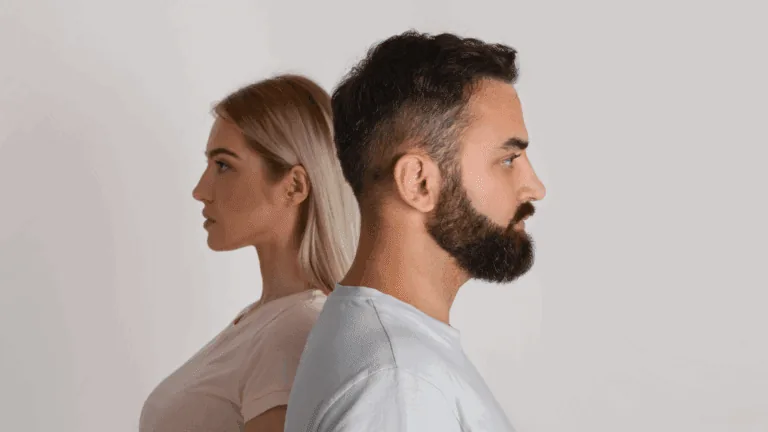
Modern dating has undergone profound transformation through smartphone apps, shifting gender norms, and declining marriage rates, which have fallen sharply since 1970. App-based dating consistently links to increased anxiety, loneliness, and rejection sensitivity. Social media amplifies comparison behaviors, while reduced face-to-face interaction weakens the emotional attunement skills essential for forming secure romantic attachments.
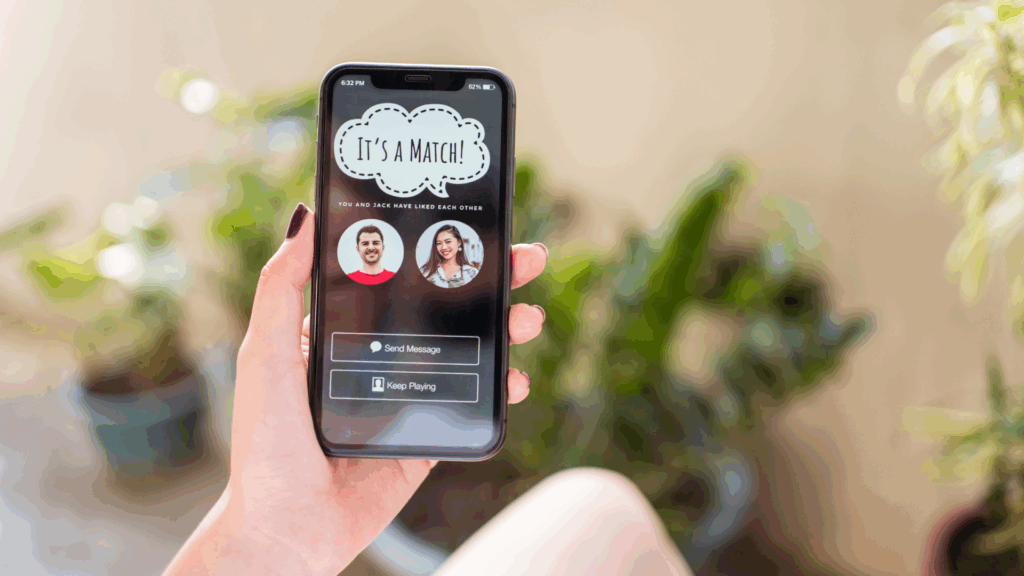
Dating Apps and Online Platforms Dating apps like Tinder, Bumble, and Hinge have revolutionized dating, offering unparalleled convenience. With just a swipe, you can connect with someone who shares your interests. This ease brings choice overload, where the sheer number of potential matches creates decision paralysis and dissatisfaction. The focus on appearance reduces individuals to superficial qualities, fostering feelings of dehumanization. Additionally, ghosting and the ease of unmatching contribute to a sense of instability in relationships, exacerbating stress and mental health in modern dating.
how echo chambers affect the brain and polarize and Comparison Platforms like Instagram and Snapchat amplify the challenges of modern dating. While they promote connection, they also encourage “compare and despair,” where curated images of perfect lives and relationships lead to unrealistic expectations. Many clients share how this pressure makes them feel inadequate in their own romantic pursuits, further compounding anxiety and issues related to mental health in modern dating.
Casual Dating Culture Hookup culture, while liberating for some, often leaves others feeling emotionally unfulfilled. The absence of intimacy in transient encounters can result in loneliness and a lack of connection. For those seeking meaningful relationships, navigating a landscape that prioritizes short-term interactions is both frustrating and discouraging, further straining mental health in modern dating.
Mental Health in Modern Dating: Key Challenges
Dating apps intensify rejection sensitivity by exposing users to repeated cycles of ghosting and unanswered messages, directly eroding self-worth. Many dating app users report heightened anxiety after experiencing ghosting. This rejection-driven anxiety becomes self-reinforcing, preventing authentic connection and significantly worsening mental health outcomes in modern dating contexts.
Associations Between Relationship Status and Self-Worth
Modern society often equates relationship status with personal value, pressuring individuals to conform to a “coupled” ideal. For many, being single triggers feelings of inadequacy, while unstable relationships lead to heightened stress and challenges to mental health in modern dating.
Emotional Burnout
The repetitive cycle of matching, connecting, and losing interest drains emotional energy. This “dating fatigue” can make people cynical about finding meaningful relationships, a recurring issue in mental health in modern dating.

Personal Insights: What I’ve Observed
Breadcrumbing, intermittent affection without genuine relational intent, measurably erodes self-worth and spills into professional functioning. Clients consistently report that hope-then-silence cycles undermine confidence across life domains, not solely in dating contexts. One entrepreneur described emotional depletion severe enough to impair decision-making, illustrating how modern dating patterns carry documented psychological costs beyond romantic disappointment.
Another client, a vibrant and outgoing professional, revealed how the constant comparison on social media had infiltrated their self-esteem. Every scroll through Instagram became a battlefield, filled with perfectly curated photos of couples on exotic vacations or engagements captioned with #relationshipgoals. This led to a nagging sense of inadequacy, as though they weren’t “winning” at life because they hadn’t yet found someone to share those moments with. The pressure was so intense that they started avoiding social gatherings, fearing judgment from friends and family.
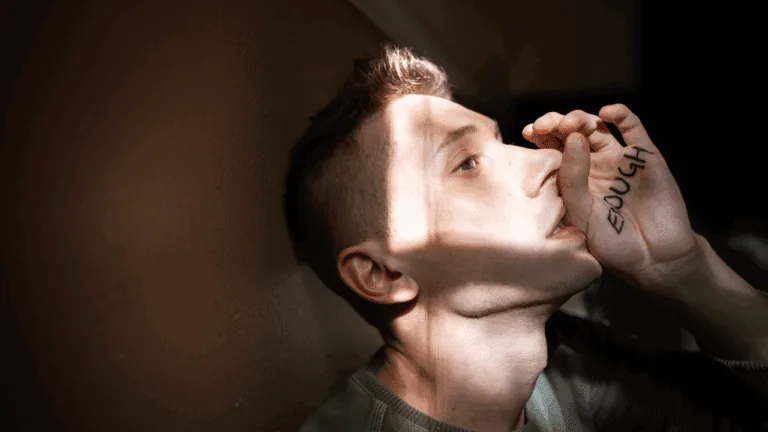
I’ve also worked with individuals who, despite being charismatic and accomplished, felt paralyzed by the fear of rejection. One client described the dread of opening a dating app notification, bracing for ghosting or a dismissive response. This constant cycle of anticipation and letdown wasn’t just taxing: it was deeply destabilizing, affecting their ability to focus on their career and other relationships.
What struck me most in these sessions was the common thread: the modern dating landscape often forces people to seek external validation in environments that are, by design, fleeting and superficial. It’s a setup that leaves even the most confident individuals vulnerable to self-doubt. These experiences underscore the urgent need to address the emotional toll of modern dating, not just by navigating its complexities but by reclaiming a sense of self-worth that isn’t dependent on matches, likes, or temporary connections.
Through these stories, I’ve learned that mental health in modern dating isn’t just a personal struggle: it’s a societal one. The intersection of technology, expectations, and the human desire for connection creates a perfect storm that can leave individuals feeling more disconnected than ever. But understanding these patterns is the first step in breaking free and finding authenticity in an environment that often feels anything but real.
Strategies for Maintaining Mental Health in the Dating World
Set Clear Boundaries
Defined boundaries protect mental health during dating by preventing emotional burnout and app-related anxiety. Excessive dating app use correlates with increased psychological distress. Limiting app engagement to scheduled daily windows, restricting emotional disclosure to reciprocal connections, and maintaining pre-existing social commitments preserves neurological resources and reduces cortisol-driven stress responses.
Focus on Authentic Connections
Instead of swiping endlessly, prioritize meaningful conversations. Look for people who share your values and take the time to build healthy relationships before rushing into anything. Authenticity also starts with how you present yourself. Avoid curating a “perfect” image that doesn’t reflect who you truly are. Genuine connections are more likely to last because they’re built on honesty rather than pretense, which can have a profound impact on mental health in modern dating.
Limit Social Media Use
Social media often distorts reality and fosters harmful comparisons. Reduce the time you spend scrolling through curated images of “perfect” relationships. Consider taking breaks from platforms that make you feel inadequate. Instead, focus on fostering real-world experiences and connections that ground you in reality and improve mental health in modern dating.
Redefine Success
Success in modern dating isn’t about finding a partner: it’s about growing emotionally and learning from every interaction. Shifting this mindset can transform how you approach dating. Celebrate small victories, like learning more about yourself or discovering what you truly want in a partner, even if a connection doesn’t lead to a long-term relationship. This perspective is essential for maintaining mental health in modern dating.
Seek Support
Matchmakers are becoming emotional support providers for many, offering guidance and validation throughout the dating process. Alternatively, confide in trusted friends or seek clinical work to explore your feelings and build coping strategies. Having someone to share your experiences with can make the dating journey feel less isolating, a crucial factor for mental health in modern dating.
Take Breaks When Needed
If dating feels overwhelming, step away for a while. Use the time to focus on self-care, pursue hobbies, and reconnect with other aspects of your life. Breaks can help you reset emotionally and return to dating with renewed energy and clarity about what you want, enhancing your mental health in modern dating.
How to Talk to Your Partner About Mental Health
Couples who openly discuss mental health report significantly stronger relationship satisfaction. Research on close relationships shows that honest emotional disclosure tends to increase relational trust. Initiating honest conversations about psychological struggles reduces stigma between partners, activates oxytocin-mediated bonding circuits, and builds the psychological safety both individuals need to sustain long-term emotional intimacy.
Approach Mental Health Like Physical Health
Just as you’d discuss a physical condition with your partner, approach mental health with the same importance. This normalizes the topic and reduces stigma, making it easier to communicate openly.
Set Personal Boundaries
Before diving into the conversation, consider what you’re comfortable sharing and what you’d like to keep private. Boundaries also include the tone and length of the discussion. Decide if you want to focus on sharing your experience, listening to your partner, or both.
Choose the Right Time
Timing matters. Avoid having this conversation during stressful moments, like after work or an argument. Instead, choose a calm, relaxed time when you both feel emotionally available.
Prepare Thoughtfully
Write down key points you’d like to express, especially if discussing a specific condition. Including resources or facts can help your partner better understand your experience.
Practice Forbearance
Your partner may need time to process what you’re sharing. Be understanding and offer examples or resources that help them empathize with your perspective.
Reclaiming Your Mental Health in Dating
Healthy dating starts with understanding your own relationship patterns and how your nervous system responds to connection and rejection.
While the challenges of mental health in modern dating are undeniable, they aren’t insurmountable. By setting boundaries, prioritizing authentic connections, and redefining success, you can navigate this complex landscape with confidence. Remember, your worth isn’t defined by your relationship status but by the richness of your inner life.
Modern dating did not create new emotions. It created new delivery mechanisms for the oldest emotions, and those mechanisms are optimized for engagement, not for connection. The brain that swipes is running the same seeking circuit as the brain that gambles. Neither is getting what it actually needs.
Are dating apps bad for mental health?
These questions address the most common concerns about mental health in modern dating, grounded in current neuroscience research. Each answer examines how digital-era dating environments interact with attachment systems, reward circuits, and the neural architecture that governs emotional risk-taking and relational trust.
Why does ghosting hurt so much?
Ghosting activates the brain’s abandonment circuit without providing the closure signal needed to process the loss. Explicit rejection is painful but neurologically complete because the brain receives a clear endpoint and begins grieving. Ghosting leaves the attachment system unresolved: scanning for the missing signal, generating hypotheses about fault, and unable to close the loop. The resulting open-loop state is metabolically expensive and often persists far longer than the actual connection warranted.
How do I stop swiping compulsively?
Compulsive swiping is a dopamine-seeking behavior identical to social media scrolling: unpredictable rewards produce a seeking state that resists voluntary stopping. Practical interventions include setting a daily time limit of 10-15 minutes, closing the app after matching rather than continuing to swipe, and recognizing the “one more” urge as a dopamine signal rather than meaningful intuition. The brain’s seeking circuit does not voluntarily disengage and requires an external boundary like a timer to interrupt the loop.
Can modern dating cause attachment issues?
Modern dating can exacerbate existing attachment vulnerabilities and create new ones. Repeated ghosting sensitizes the rejection circuit. Intermittent reinforcement (breadcrumbing) escalates anxious attachment patterns. The paradox of choice weakens the commitment circuit. For individuals with secure attachment, these effects are typically manageable. For individuals with pre-existing anxious or avoidant patterns, the modern dating environment can significantly amplify those patterns, pushing anxious individuals toward hypervigilance and avoidant individuals toward deeper withdrawal.
What is the healthiest way to use dating apps?
Treat the app as a discovery tool, not a connection tool. Identify potential matches and move to in-person contact within one to two weeks. Limit daily usage to prevent dopamine loop entrainment, and evaluate people based on face-to-face experience rather than profile curation. First-meeting chemistry reflects dopamine activation and may not predict compatibility, so allow multiple meetings before making attachment decisions because genuine oxytocin-based bonding requires sustained contact.
How does modern dating culture affect mental health differently than previous generations?
Dating apps create a paradox of choice that elevates anxiety and reduces commitment satisfaction because the brain’s decision-making systems become overwhelmed by seemingly unlimited options. The constant availability of alternatives also triggers comparison cycles that erode self-worth and make it harder to invest deeply in any single connection.
Why does rejection in online dating feel more psychologically painful than in-person rejection?
Digital rejection often arrives without explanation or context, denying the brain the narrative closure it needs to process social pain and move forward. The ambiguity of being ghosted or unmatched activates the same neural pain circuits as physical injury while providing none of the social cues that help regulate emotional recovery.
What boundaries help protect mental health while actively dating?
Setting specific time limits for dating app usage, maintaining existing friendships and personal interests, and establishing clear personal standards before engaging prevents the emotional depletion that comes from open-ended searching. These boundaries ensure that dating enhances your life rather than becoming a source of chronic stress and diminished self-esteem.
How can someone maintain a positive self-image despite repeated dating disappointments?
Anchoring your identity in multiple sources of meaning beyond romantic success, such as career achievements, friendships, and personal growth, creates psychological resilience against dating setbacks. Recognizing that compatibility is a mutual filter rather than a judgment of your worth reframes rejection as useful information rather than personal failure.
References
- Ward, J. (2017). What are you doing on Tinder? Impression management on a matchmaking mobile app. Information, Communication & Society, 20(11), 1644-1659. DOI
- Coduto, K. D., et al. (2020). Swiping for trouble: Problematic dating application use among psychosocially distraught individuals. Journal of Social and Personal Relationships, 37(1), 212-232.
- Schwartz, B. (2004). The paradox of choice: Why more is less. Ecco/HarperCollins.