Key Points
- Relocation and reinvention activate the brain's threat circuits, producing dysregulation that persists beneath outward success and satisfaction.
- Real-Time Neuroplasticity™ rewires the neural patterns driving anxiety, irritability, and decision fatigue that accumulate during major life transitions.
- Dr. Sydney Ceruto addresses the specific architecture of displacement: the loss of co-regulation, cultural recalibration, and compounded uncertainty.
- Resilience during transition means your brain processes ambiguity and unfamiliarity without draining the cognitive resources you need for performance.
- Primarily remote methodology integrates seamlessly with international schedules and time zones.
| Marker | Traditional Approach | Neuroscience-Based Approach | Why It Matters |
|---|---|---|---|
| Root Cause | Teaches adjustment strategies | Rewires the neural patterns driving dysregulation | Durable change, not ongoing management |
| Methodology | Talk-based coaching or wellness practices | Real-Time Neuroplasticity™ | Neural architecture change, not lifestyle tweaks |
| Speed of Change | Months of gradual adjustment | Shifts begin within weeks | Faster stabilization during transition |
| Durability | Requires continuous practice | Durable neural restructuring | Holds through future transitions |
| Personalization | General frameworks for change management | Mapped to your specific neural architecture | Targets your unique patterns precisely |
| Scope | Addresses relocation stress specifically | Resolves emotional architecture holistically | Benefits extend far beyond the move |
Why Emotional Regulation & Resilience Matters in Lisbon
Lisbon has become one of Europe’s most dynamic destinations for professionals in transition: founders scaling companies from Parque das Nações, remote executives managing global teams from Chiado, investors navigating Southern European markets from Avenida da Liberdade. The city’s appeal is real. But the emotional demands of building a life in a new country while maintaining professional momentum are far more complex than the relocation brochures suggest.
The unique emotional challenge for Lisbon’s international professional community is the compounding of transitions. A tech founder in Alfama is not just building a company: they are navigating unfamiliar regulatory systems, managing teams across time zones, and building a social network from scratch while their support system sits thousands of miles away. A relocated executive in Belém faces the peculiar strain of outward success and internal destabilization that comes with voluntary upheaval. These situations do not break people visibly. They erode regulation slowly, producing anxiety, irritability, and decision fatigue that accumulates beneath a competent surface.
Dr. Ceruto’s Real-Time Neuroplasticity™ methodology is particularly effective for professionals navigating these layered transitions. Rather than teaching coping strategies that require cognitive bandwidth already stretched thin, the work restructures the neural patterns that generate reactivity under uncertainty. The brain’s response to ambiguity, cultural displacement, and professional isolation can be durably rewired, not managed, but resolved.
For Lisbon’s growing community of high-performing expatriates and globally mobile professionals, emotional regulation is the invisible foundation that determines whether relocation becomes a launchpad or a slow erosion. MindLAB’s remote methodology integrates seamlessly into international schedules and provides the neural infrastructure that thriving in a new environment actually requires.
The specific emotional challenges facing Lisbon’s professional community deserve closer examination. Founders building companies in the Santos and Estrela districts often describe a particular form of isolation: surrounded by opportunity and beauty, yet lacking the deep relational network that previously provided emotional scaffolding. This absence activates neural patterns associated with social threat, even when the conscious mind recognizes that the move was chosen and the circumstances are favorable. The brain does not distinguish between chosen upheaval and forced displacement at the level of stress response. Both tax the same regulatory systems.
Lisbon’s pace of life, while often cited as a benefit, introduces its own regulatory challenge for high-performers. Professionals accustomed to the velocity of New York, London, or Sao Paulo sometimes experience a paradoxical increase in anxiety when the external tempo slows. Without the constant stimulation that previously masked internal dysregulation, unresolved emotional patterns surface, often for the first time. The restlessness that appears during quiet evenings in Principe Real, the irritability that emerges on leisurely weekends in Cascais, and the creeping dissatisfaction that accompanies objectively ideal circumstances are all signs that the brain’s regulatory architecture needs attention, not a change of scenery.
Dr. Ceruto’s work with internationally mobile professionals recognizes that emotional regulation challenges often intensify during periods of transition, not because circumstances have worsened, but because the neural demands have shifted. Building a life in Lisbon while maintaining professional standards calibrated to more intense markets requires regulatory capacity that most people have never needed before. Real-Time Neuroplasticity™ builds that capacity structurally, giving the brain the architecture it needs to thrive in a new context rather than simply endure the adjustment.


Dr. Sydney Ceruto, PhD, Neuroscientist & Author, MindLAB Neuroscience
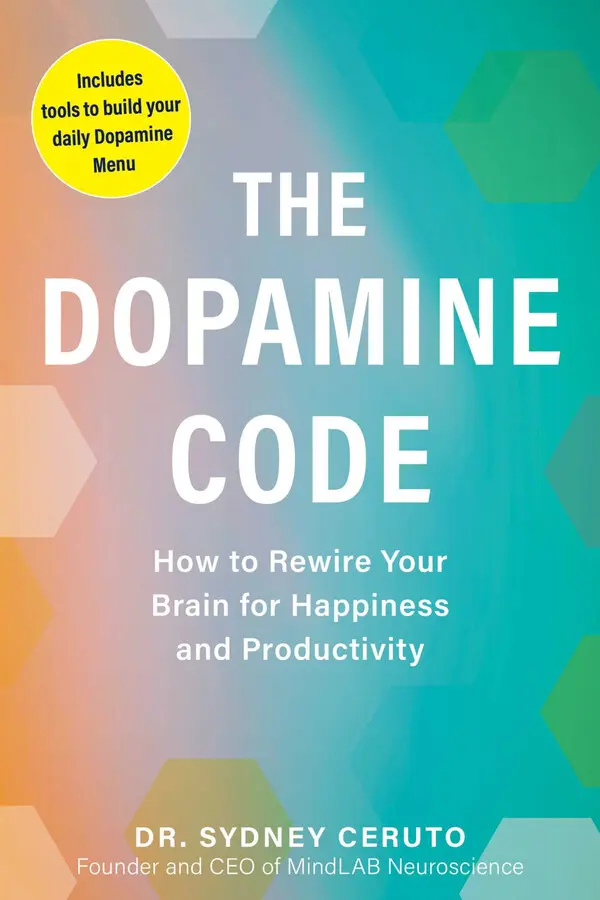
Dr. Ceruto holds a PhD in Behavioral & Cognitive Neuroscience from NYU and Master’s degrees in Clinical Psychology and Business Psychology from Yale University. She lectures at the Wharton Executive Development Program at the University of Pennsylvania and has been an Executive Contributor to the Forbes Coaching Council since 2019. Dr. Ceruto is the author of The Dopamine Code (Simon & Schuster, June 2026). She founded MindLAB Neuroscience in 2000 and has spent over 26 years leading it, pioneering Real-Time Neuroplasticity™, a methodology that durably rewires the neural pathways driving behavior, decisions, and emotional responses.
Frequently Asked Questions About Emotional Regulation & Resilience
How does relocation affect emotional regulation at the neural level?
Relocation strips away environmental familiarity, which the brain relies on for baseline regulation. Without familiar routines, social networks, and cultural cues, the nervous system operates at a heightened state of alertness. This consumes cognitive resources and reduces emotional regulation capacity over time.
I moved to Lisbon by choice and love it here. Why do I still feel emotionally off-balance?
Voluntary relocation creates a confusing emotional pattern: the conscious mind is satisfied while the nervous system processes upheaval. This disconnect between intellectual satisfaction and neural destabilization is extremely common among Lisbon's international professionals. MindLAB addresses the neural layer directly.
Can this help with the isolation that comes with building a new life abroad?
Social isolation changes neural regulation patterns: the brain loses the co-regulatory benefits of established relationships. Dr. Ceruto addresses the specific circuits affected by social disruption so your emotional architecture stabilizes independently, making it easier to build new connections from a position of strength.
How does MindLAB work with clients in European time zones?
MindLAB works with clients globally via phone. Scheduling accommodates European time zones without difficulty. Many of Dr. Ceruto's clients are internationally based, and the methodology requires no phone-based interaction.
I manage a remote team across multiple countries from Lisbon. Can this help with leadership strain?
Remote leadership across time zones and cultures creates unique emotional regulation demands: constant context-switching, asynchronous conflict resolution, and the pressure of maintaining authority without physical presence. Dr. Ceruto addresses the neural patterns driving leadership fatigue in distributed environments.
What is the difference between this and working with an expat coach?
Expat coaching addresses practical and psychological adjustment strategies. MindLAB rewires the neural architecture that determines how your brain processes displacement, uncertainty, and cultural stress. The distinction is between learning to adapt and durably changing how your nervous system handles change.
How is the Strategy Call conducted?
The Strategy Call is a focused phone conversation with Dr. Ceruto. She maps the specific neural patterns driving your emotional challenges, determines fit, and outlines the engagement scope.
How long does it typically take to see results?
Most clients notice shifts in their emotional baseline within the first few weeks. The situations that previously triggered anxiety or irritability begin producing calmer, more measured responses. Full neural consolidation occurs over the complete course of work.
Can this help with decision fatigue from managing too many life transitions at once?
Decision fatigue is a direct consequence of emotional dysregulation, when the brain's regulatory resources are depleted, every decision feels disproportionately heavy. MindLAB's work restores the neural capacity for efficient decision-making by addressing the patterns consuming those resources.
Is this confidential? I am concerned about professional perception.
Complete confidentiality is foundational to MindLAB. No records are shared with any parties. Remote sessions eliminate visibility. Many internationally based professionals value this discretion as essential to their engagement.
Also available in: Miami · Wall Street · Midtown Manhattan · Beverly Hills
Take the First Step
One hour with Dr. Sydney Ceruto. You leave knowing which neural pattern is actually driving this, and what to do about it.
Book a Strategy Call
The Dopamine Code
Decode Your Drive
Why Your Brain Rewards the Wrong Things
Your brain's reward system runs every decision, every craving, every crash, and it was never designed for the life you're living. The Dopamine Code is Dr. Ceruto's framework for understanding the architecture behind what drives you, drains you, and keeps you locked in patterns that willpower alone will never fix.
Published by Simon & Schuster, The Dopamine Code is Dr. Ceruto's framework for building your own Dopamine Menu, a personalized system for motivation, focus, and enduring life satisfaction.
Order Now!Available now