




Key Points
- Rewires the presence-biased neural patterns that create communication gaps in hybrid organizations
- Addresses the cultural collision between Manhattan corporate frameworks and Westchester team norms
- Builds unified communication architecture from leadership teams with diverse corporate backgrounds
- Eliminates the invisible information barriers that hybrid and multi-site work creates
- Creates lasting organizational communication culture that functions across locations and formats
| Marker | Traditional Approach | Neuroscience-Based Approach | Why It Matters |
|---|---|---|---|
Why Team Dynamics & Organizational Communication Matters in Westchester County
Organizational Communication in Westchester’s Business Community
Westchester County’s corporate landscape has evolved significantly over the past decade. The traditional corporate campuses along the I-287 region (in Harrison, White Plains, and Tarrytown) have been joined by a growing ecosystem of mid-size companies, professional services firms, and satellite offices in communities from New Rochelle to Mount Kisco. This evolution has created organizational communication challenges that are distinctly Westchester.
The first challenge is hybrid work. Westchester organizations were early adopters of flexible arrangements because the county’s professional population had always split their time between local offices and Manhattan. But this structural familiarity masked a neural-pattern problem: leaders whose communication frameworks were built for in-person environments struggled to maintain team cohesion and information flow when half the team was consistently elsewhere. The result is organizations where critical conversations happen in hallway encounters that remote colleagues never access.
Dr. Ceruto works with Westchester leadership teams to rewire the neural patterns that create these invisible communication barriers. She identifies the specific cognitive frameworks that cause leaders to unconsciously privilege physical-presence communication: the tendency to make decisions in impromptu office conversations, the failure to document context that in-person attendees absorb automatically, the subtle status differential that develops between those who are physically present and those who aren’t.
The second distinctly Westchester challenge involves organizations led by executives whose neural patterns were formed in Manhattan corporate culture. When these leaders run Westchester-based teams, they often bring communication frameworks (high-pressure, hierarchy-driven, politically sophisticated) that clash with the more collaborative, community-oriented culture that Westchester’s business environment tends to foster. This cultural collision creates team dysfunction that neither party fully understands.
White Plains has emerged as a significant business center in its own right, attracting companies that want access to Westchester’s talent pool without Manhattan overhead. These organizations face the team-building challenge of assembling leadership teams from diverse corporate backgrounds (finance, healthcare, technology, professional services) each bringing different neural frameworks for communication, decision-making, and conflict resolution. Building a unified communication culture from these varied inputs requires neurological intervention, not just organizational policy.


Dr. Sydney Ceruto, PhD, Neuroscientist & Author, MindLAB Neuroscience
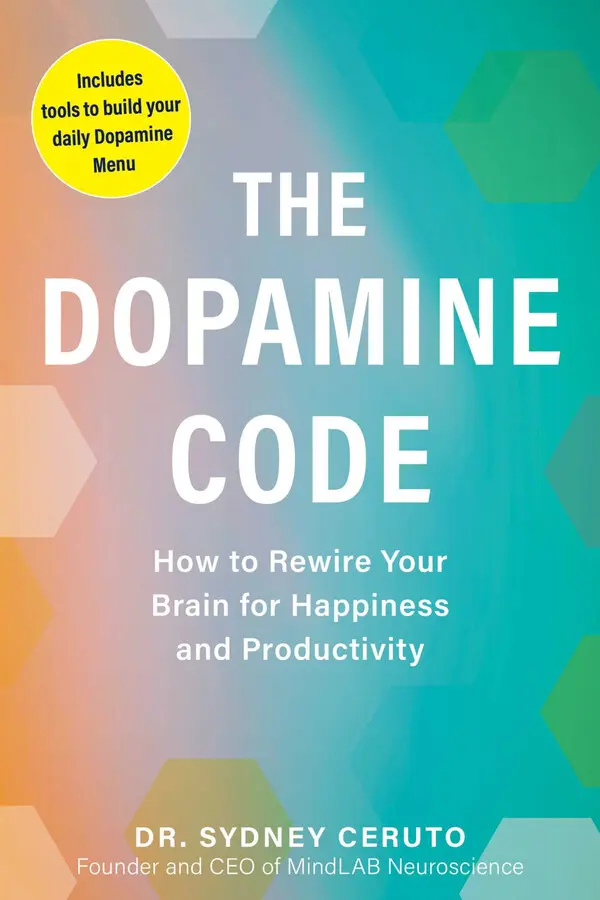
Dr. Ceruto holds a PhD in Behavioral & Cognitive Neuroscience from NYU and Master’s degrees in Clinical Psychology and Business Psychology from Yale University. She lectures at the Wharton Executive Development Program at the University of Pennsylvania and has been an Executive Contributor to the Forbes Coaching Council since 2019. Dr. Ceruto is the author of The Dopamine Code (Simon & Schuster, June 2026). She founded MindLAB Neuroscience in 2000 and has spent over 26 years leading it, pioneering Real-Time Neuroplasticity™, a methodology that durably rewires the neural pathways driving behavior, decisions, and emotional responses.
FAQs About Team Dynamics & Organizational Communication in Westchester County
Our Westchester office has a communication gap between in-office and remote team members. Can you help?
Our leadership team came from different Manhattan corporate cultures and can't gel. Is this a neural issue?
We're a White Plains company trying to build a unified culture from diverse hires. Can this help?
How does the hybrid work model specifically affect team dynamics in Westchester?
Our corporate campus culture feels stuck in a previous decade. Can this modernize how we communicate?
How long does it take to shift communication dynamics in a Westchester organization?
Can this address the tension between our Manhattan-based executives and Westchester-based teams?
We've tried off-site team retreats and they helped for about two weeks. Why?
Is this relevant for healthcare organizations in Westchester?
What does the business case look like for this kind of work?
Also available in: Miami · Wall Street · Midtown Manhattan · Beverly Hills · Lisbon
Take the First Step
One hour with Dr. Ceruto. You leave knowing which neural pattern is actually driving this, and what to do about it.
Book a Strategy Call
The Dopamine Code
Decode Your Drive
Why Your Brain Rewards the Wrong Things
Your brain's reward system runs every decision, every craving, every crash, and it was never designed for the life you're living. The Dopamine Code is Dr. Ceruto's framework for understanding the architecture behind what drives you, drains you, and keeps you locked in patterns that willpower alone will never fix.
Published by Simon & Schuster, The Dopamine Code is Dr. Ceruto's framework for building your own Dopamine Menu, a personalized system for motivation, focus, and enduring life satisfaction.
Order Now!Available now