Key Takeaways
- Anger activates the amygdala 200 milliseconds before conscious awareness, creating a window for intervention
- The 90-second rule: anger’s neurochemical cascade dissipates within 90 seconds unless retriggered by rumination
- Cognitive reappraisal rewires the anterior cingulate cortex, durably altering how threats are processed
- Real-time intervention during anger episodes creates lasting neuroplastic changes in emotional regulation circuits
- The pause-and-breathe technique activates the parasympathetic nervous system, shifting brain states from reactive to reflective
Anger management isn’t about suppressing emotions: it’s about rewiring the neural pathways that trigger explosive responses before your prefrontal cortex can engage rational control.
When you feel anger rising (that familiar heat in your chest, the tension in your jaw, the urge to react immediately) your brain is executing a 200-million-year-old survival program. The amygdala, your brain’s threat detection center, has identified danger and flooded your system with norepinephrine and cortisol before your conscious mind even registers what happened. This isn’t a character flaw. It’s neurobiology.
The challenge isn’t eliminating anger: it’s creating new neural pathways that allow your prefrontal cortex to engage before your limbic system takes control. In 26 years of practice, I’ve observed that people who struggle with anger management aren’t lacking willpower. They’re operating with neural circuits that prioritize immediate response over considered action. The solution isn’t behavioral modification. It’s neuroplastic rewiring.
The Neuroscience of Anger: What Happens in Your Brain
When your brain perceives a threat (whether it’s criticism from your partner, a challenging email from your boss, or someone cutting you off in traffic) a cascade of neurochemical events unfolds with remarkable speed and precision. Understanding this cascade is foundational to any meaningful intervention, because the biology of anger operates faster than conscious thought and shapes.
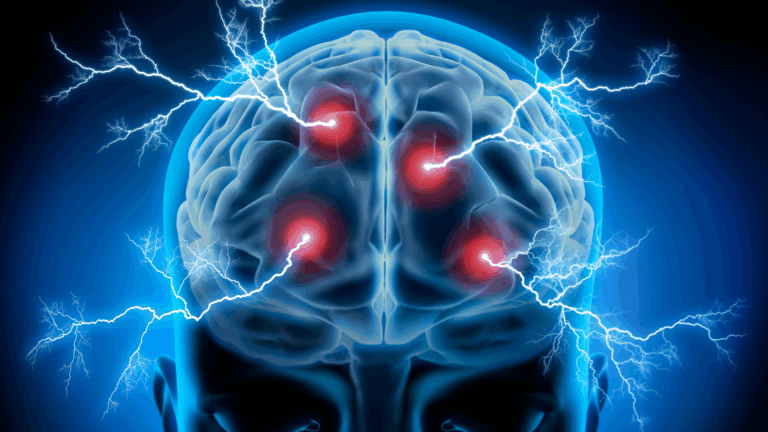
The process begins in the amygdala, two almond-shaped structures deep in your limbic system that serve as your brain’s alarm system. Within 200 milliseconds of perceiving a threat, the amygdala sends distress signals to the hypothalamus, which activates your sympathetic nervous system. Heart rate accelerates. Blood pressure spikes. Stress hormones flood your bloodstream. Your body is now primed for fight-or-flight.
Simultaneously, the amygdala hijacks your attention, narrowing your perceptual field to focus exclusively on the perceived threat. This evolutionary adaptation helped our ancestors survive predator encounters, but in modern contexts, it often amplifies minor irritations into major conflicts. The neurochemical cocktail of norepinephrine, epinephrine, and cortisol doesn’t distinguish between a saber-toothed tiger and a passive-aggressive comment from a colleague.
In my practice, I consistently observe that high-performing individuals often experience more intense anger responses than they expect. Their brains are calibrated for rapid decision-making and threat assessment: qualities that serve them professionally but can create emotional volatility in personal relationships. The same neural efficiency that drives career success can trigger explosive anger when stakes feel high. Emotion and cognition are not separate systems but deeply intertwined networks that shape every decision under pressure.
| Brain Structure | Function in Anger | Time to Activation | Result |
|---|---|---|---|
| Amygdala | Threat detection and alarm | 200 milliseconds | Fight-or-flight response initiated |
| Hypothalamus | Stress hormone release | 500 milliseconds | Cortisol and adrenaline flood system |
| Anterior Cingulate | Emotional regulation | 2-6 seconds | Can override if trained |
| Prefrontal Cortex | Rational evaluation | 6+ seconds | Conscious control possible |
The critical insight is the timing gap. Your amygdala reacts at 200 milliseconds, but your prefrontal cortex (the brain region responsible for executive function, impulse control, and rational thinking) requires 6 seconds or more to fully engage. This behavioral pattern creates a neurological window where anger can escalate unchecked unless you have trained alternative pathways.
Emotional memories formed during high-arousal states become deeply encoded in the amygdala, creating what I call “anger triggers”: specific situations, words, or behaviors that reliably activate your threat response. These triggers operate below conscious awareness, which is why you might find yourself furious before you even understand why.
The standard advice to “count to ten” has neurological merit, but it’s incomplete. Counting engages the prefrontal cortex, but it doesn’t address the underlying neural pathway that created the explosive response. True anger management requires rewiring these pathways through targeted neuroplastic intervention.
The 90-Second Rule: Your Brain’s Natural Reset Mechanism
One of the most powerful discoveries in anger research involves what neuroscientist Jill Bolte Taylor calls the “90-second rule.” When your amygdala triggers an anger response, the resulting neurochemical flood (norepinephrine, epinephrine, and cortisol) naturally dissipates from your bloodstream within 90 seconds if not retriggered by continued thought patterns.
The amygdala triggers a neurochemical flood that dissipates within 90 seconds: what sustains anger is rumination, not biology.
This finding means that the physiological component of anger is actually quite brief. What keeps anger burning beyond those initial 90 seconds is rumination: the mental replay of the triggering event that reactivates your stress response. Each time you think, “I can’t believe they said that,” or “This is completely unacceptable,” you’re essentially pressing the reset button on your anger response, flooding your system with fresh stress hormones. Porges has extensively documented how the polyvagal system governs this recovery arc, highlighting the vagus nerve’s central role in returning the body to regulated calm.
In my work with executives and high-performers, I’ve found that those who struggle most with anger often have highly analytical minds that compulsively process and reprocess triggering events. Their cognitive strength becomes a liability: they can construct elaborate mental narratives about why they’re justified in their anger, keeping their sympathetic nervous system activated long after the initial trigger has passed.
The solution involves interrupt protocols that break the rumination cycle:
Physiological Interrupts:
- Deep diaphragmatic breathing activates the vagus nerve, shifting from sympathetic to parasympathetic dominance
- Progressive muscle relaxation releases the physical tension that maintains emotional arousal
- Cold water on the wrists stimulates the dive reflex, rapidly lowering heart rate
Cognitive Interrupts:
- Label the emotion: “I’m noticing anger arising” creates psychological distance through the prefrontal cortex
- Set a mental timer: “I’ll give myself 90 seconds to feel this fully, then reassess”
- Fact vs. story distinction: separate observable events from interpretive narratives
The key insight is that anger becomes problematic not in its initial appearance, but in its maintenance. Your brain’s natural recovery mechanisms work efficiently when you allow them to operate without interference.
Cognitive Reappraisal: Rewiring Your Threat Assessment System
Cognitive reappraisal is among the most powerful long-term strategies for anger management, working by deliberately changing how you interpret triggering situations at the neural level. This isn’t positive thinking or emotional suppression: it is targeted neural retraining that alters how your brain categorizes and responds to potential threats, building new automatic pathways over time.
Cognitive reappraisal works by engaging the anterior cingulate cortex and ventrolateral prefrontal cortex: brain regions that can override amygdala activation when sufficiently developed. Research by Kevin Ochsner at Columbia University shows that people who practice reappraisal techniques actually reshape their neural architecture, making calm responses increasingly automatic over time.
The process involves three distinct phases:
Phase 1: Situation Awareness Before reappraisal becomes possible, you must develop meta-cognitive awareness: the ability to observe your emotional state while experiencing it. This process requires training your attention to notice anger as it arises, rather than being consumed by it. I teach clients to identify their personal anger signatures: physical sensations, thought patterns, or behavioral impulses that signal escalating arousal.
Phase 2: Perspective Flexibility Once you can observe your anger response, the next step involves generating alternative interpretations of the triggering event. This isn’t about finding the “correct” interpretation, but about demonstrating to your brain that multiple perspectives are possible. The act of considering alternatives activates your prefrontal cortex and reduces amygdala reactivity.
Phase 3: Neural Integration With consistent practice, reappraisal becomes increasingly automatic. What initially required conscious effort eventually operates as an unconscious bias toward non-threatening interpretations. Your brain literally rewires itself to default to curiosity rather than defensiveness.
In my practice, I often work with clients whose anger stems from perfectionist tendencies or control needs. Their brains have learned to interpret any deviation from their expectations as a threat requiring immediate correction. Through reappraisal training, they develop what I call “cognitive flexibility”: the ability to hold multiple interpretations simultaneously without needing to determine which is “right.”
One client, a private equity partner, came to me after explosive anger episodes were damaging his family relationships. His brain had been trained to identify problems rapidly and mobilize resources for solutions: a valuable professional skill that became toxic in personal contexts. Through targeted reappraisal work, he learned to separate “problems that require my intervention” from “things that are different from what I expected.” This simple categorization shift dramatically reduced his anger frequency and intensity.
Real-Time Neuroplasticity: The MindLAB Approach to Anger Intervention
Traditional anger management focuses on post-event processing: analyzing what went wrong after you’ve already lost control. This neuroscience-informed approach has limited effectiveness because it doesn’t address anger during the critical neurological window when pathways are most malleable. Real-Time Neuroplasticity™ intervenes during live anger episodes, when your brain is biologically primed for rapid change.
The methodology I’ve developed over 26 years operates on a simple principle: the moment of highest emotional arousal is also the moment of maximum neuroplastic potential. When your amygdala is activated and stress hormones are flooding your system, your brain is in an optimal state for forming new neural connections, if you can access the right intervention techniques. Targeted activation during peak emotional arousal can accelerate the formation of durable neural pathways more effectively than calm-state rehearsal alone.
This process requires what I call “embedded partnership”: having someone available to guide you through the reframing process while your anger is active, not hours or days later when the neuroplastic window has closed. Most people can intellectually understand anger management strategies when they’re calm, but accessing those strategies during emotional overwhelm requires external support until new pathways become automatic.
The Real-Time Neuroplasticity™ protocol for anger involves several phases:
Immediate Stabilization: Within the first 90 seconds, the goal is preventing escalation, not resolution. This involves activating the parasympathetic nervous system through controlled breathing and creating physical distance from triggering stimuli. The brain cannot process complex cognitive interventions while the sympathetic system is dominant.
Cognitive Bridging: Once physiological arousal decreases, we engage the prefrontal cortex through structured questioning that disrupts rumination patterns. Rather than analyzing the trigger event, we focus on identifying the underlying need or value that feels threatened.
Neural Pathway Selection: The critical intervention involves consciously choosing how to respond while alternative pathways are still available. This isn’t about suppressing your natural reaction: it’s about demonstrating to your brain that other responses are possible and potentially more effective.
Integration and Encoding: The final phase ensures that new response patterns become encoded in long-term memory through immediate practice and reinforcement. This prevents the common pattern where people understand new strategies intellectually but revert to old patterns under stress.
What makes this approach unique is its timing. Instead of processing anger after it’s dissipated, we work with it while it’s active, using the energy and attention that anger provides to create lasting neural change. The intensity that makes anger feel overwhelming is the same intensity that makes new learning possible.
Advanced Strategies: Working with Your Anger Patterns
Once you understand anger’s basic neuroscience, more sophisticated intervention becomes possible. In my experience, people who struggle with chronic anger often have specific pattern signatures: predictable sequences of triggers, thoughts, and behaviors that activate repeatedly. Identifying and interrupting these patterns at the neural level creates durable shifts in emotional regulation. The underlying research is covered in the Emotional Regulation hub.
Pattern Mapping: The first step involves documenting your anger episodes with scientific precision. Rather than general observations like “I got angry,” track the specific sequence: environmental trigger, physical sensation, thought pattern, emotional label, behavioral impulse, and actual response. This data reveals the predictable pathway your anger follows, making intervention possible.
Trigger Desensitization: Many anger triggers involve threats to core identity or values. A comment that threatens your competence, fairness, or autonomy activates deeper neural circuits than surface irritations. By identifying which underlying needs drive your strongest reactions, you can develop targeted responses that address the actual threat rather than its surface manifestation.
Response Flexibility Training: Instead of trying to eliminate anger, develop a repertoire of possible responses. Your brain defaults to familiar patterns under stress, so expanding your behavioral options requires conscious practice during low-stakes situations. This behavioral pattern creates what neuroscientists call “response generalization”: the ability to access alternative behaviors when needed.
The most effective intervention I’ve developed involves what I call “anger as information.” Rather than viewing anger as an emotion to manage, treat it as an evaluative tool that reveals what your brain perceives as threatened. This reframe transforms anger from an enemy to an ally: a reliable signal that something important to you needs attention.
For high-performing individuals, this approach often reveals that anger serves a protective function around core values like excellence, justice, or autonomy. Their explosive reactions aren’t random: they’re precisely calibrated responses to perceived threats against things they hold sacred. Understanding this connection allows for more targeted intervention that honors their values while developing more effective expression strategies.
Environmental Design for Anger Prevention
Your physical and social environment significantly influences your anger frequency and intensity, often in ways that go unnoticed until patterns are systematically examined. The brain continuously scans for threat cues, and environmental stressors (noise, clutter, time pressure, toxic relationships) maintain chronic low-level arousal that makes explosive reactions far more likely than most people realize.
Research by environmental psychologist Roger Barker demonstrates that behavior is more strongly influenced by environmental factors than most people realize. This finding means that anger management isn’t just an internal psychological process: it’s also about designing environments that support emotional regulation.
Physical Environment Modifications:
- Reduce sensory overload through organized, calm spaces that don’t trigger hypervigilance
- Create designated “cooling off” areas where you can retreat during escalating situations
- Eliminate or minimize environmental stressors that maintain chronic tension
Social Environment Curation:
- Identify relationship patterns that consistently trigger anger and develop specific strategies for those interactions
- Establish clear boundaries around energy-draining individuals or situations
- Build support networks that can provide perspective during challenging moments
Temporal Environment Management:
- Schedule demanding conversations during times when your emotional regulation is strongest
- Build buffer time around stressful activities to prevent overwhelm
- Create daily practices that maintain baseline emotional equilibrium
In my work with executives, I consistently observe that anger problems often stem from unsustainable environmental demands rather than personal shortcomings. Their brains are constantly processing threat signals from overscheduled calendars, demanding relationships, and high-stakes decisions. Reducing environmental stress load often eliminates anger problems that seemed like character issues.
One client, a tech CEO, experienced regular anger outbursts during team meetings. Rather than focusing on anger management techniques, we analyzed his meeting environment. We discovered that back-to-back scheduling, inadequate preparation time, and poor room acoustics were maintaining chronic stress that made explosive reactions inevitable. Simple environmental modifications (meeting spacing, preparation protocols, and room changes) eliminated the anger episodes entirely.
Building Long-Term Emotional Resilience
Effective anger management ultimately involves building what neuroscientists call “emotional resilience”: your brain’s capacity to maintain stability under stress and recover quickly from emotional disruption. This isn’t about becoming emotionally numb or suppressing natural reactions. It’s about developing neural networks that can handle increasingly intense challenges without losing control.
Emotional resilience involves several interconnected brain systems working in harmony. The prefrontal cortex provides executive control and rational evaluation. The anterior cingulate cortex monitors conflict between competing impulses. The insula processes internal bodily sensations and primary emotions and emotional intelligence explained. The posterior cingulate cortex maintains perspective and self-awareness. Strengthening these networks through targeted practice creates more robust emotional regulation over time.
Mindfulness-Based Interventions: Regular mindfulness practice strengthens the insula and anterior cingulate cortex, improving your ability to observe emotional states without being overwhelmed by them. This isn’t about achieving perfect calm: it’s about developing the capacity to maintain awareness during emotional intensity. Consistent mindfulness practice produces measurable structural changes in the anterior insula, directly supporting the regulatory capacity needed for anger resilience.
Stress Inoculation Training: Gradually exposing yourself to controlled stressors while practicing regulation techniques builds resilience through a process called “post-traumatic growth.” Your brain learns that it can handle challenging situations without losing control, reducing the perceived threat level of future stressors.
Values-Based Response Training: Connecting your behavior to deeply held values creates intrinsic motivation for emotional regulation. When you understand how anger mismanagement conflicts with your core identity and goals, your brain naturally prioritizes regulation strategies.
The ultimate goal isn’t eliminating anger: it’s transforming your relationship with intense emotions. Instead of being overwhelmed by anger, you learn to use its energy and information while maintaining conscious choice about how to respond. This behavioral pattern creates what I call “emotional sovereignty”: the capacity to experience the full range of human emotions while retaining agency over your actions.
In my experience, people who develop genuine emotional resilience don’t experience less anger: they experience anger differently. What previously felt overwhelming and uncontrollable becomes manageable and informative. The same intensity that once drove destructive behavior becomes fuel for powerful, purposeful action aligned with their deepest values and goals.
How long does it take to rewire anger responses in the brain?
Neural pathway modification begins immediately with targeted intervention, but lasting change typically requires 6-8 weeks of consistent practice. The brain’s neuroplasticity allows for rapid adaptation when interventions occur during optimal windows of arousal and attention. Consistency matters more than intensity, as repeated activation of alternative pathways gradually makes regulated responses the brain’s default under stress.
Can anger management techniques work if you have a naturally aggressive temperament?
Temperament influences your baseline arousal levels and trigger sensitivity, but neural pathways remain changeable throughout life. Higher-intensity individuals often require more sophisticated intervention strategies but can achieve excellent regulation outcomes with proper training. The neuroplastic capacity for change does not diminish with a reactive temperament: it simply requires more deliberate and sustained engagement with targeted techniques.
What’s the difference between healthy anger and problematic anger patterns?
Healthy anger provides information about threatened values or boundaries and dissipates naturally within 90 seconds. Problematic anger involves prolonged rumination, disproportionate responses, or destructive behaviors that damage relationships and goals. The key distinction lies not in the intensity of the initial response but in whether the nervous system returns to baseline or remains in a state of sustained activation.
Should you express anger or suppress it for better mental health?
Neither expression nor suppression is optimal for long-term mental health or relationship quality. The most effective approach involves processing anger’s information while consciously choosing how to respond based on your values and goals rather than reactive impulses. Channeling anger into purposeful communication or physical release preserves the signal’s value without the costs of unchecked expression or the physiological burden of chronic suppression.
How do you handle anger triggers that seem to appear randomly?
Most “random” anger triggers connect to deeper patterns involving core identity threats or unmet needs. Systematic pattern tracking reveals these connections, allowing for more targeted intervention strategies that address root causes rather than surface signals.
What happens in the brain during an anger response?
The amygdala detects a perceived threat and triggers a rapid fight-or-flight response before the prefrontal cortex has time to evaluate the situation rationally. This neurological hijack floods the body with adrenaline and cortisol, narrowing focus and making measured responses extremely difficult. The entire cascade unfolds in milliseconds, which is why developing trained alternative pathways before an episode occurs is essential for effective regulation.
Why is pressing the pause button so effective for managing anger?
Creating a deliberate pause of even 6 to 10 seconds allows the prefrontal cortex to re-engage and override the amygdala’s automatic reaction. This brief delay gives your rational brain enough time to assess the situation accurately and choose a response you won’t regret. The pause also activates interoceptive awareness, allowing you to notice physiological arousal and consciously redirect it before reactive behavior takes hold.
How can unmanaged anger affect your relationships over time?
Repeated angry outbursts train the people around you to associate your presence with emotional unpredictability, eroding trust and intimacy. Over time, this pattern can activate avoidance behaviors in others, leaving you increasingly isolated even within close relationships. The neurological impact extends to your own stress systems, as habitual anger maintained through rumination keeps cortisol chronically elevated and progressively narrows your capacity for empathic connection.
What are practical techniques to interrupt the anger cycle in the moment?
Deep diaphragmatic breathing activates the parasympathetic nervous system and counteracts the adrenaline surge, while physically changing your environment breaks the trigger loop. Naming your emotion aloud or internally also engages the prefrontal cortex and reduces the amygdala’s grip on your response. Cold water on the wrists, progressive muscle release, and brief mindful grounding exercises all create physiological interrupts that reset the nervous system within seconds.
References
- Damasio, A. R. (2021). Feeling and Knowing: Making Minds Conscious. Pantheon Books.
- Doidge, N. (2007). The Brain That Changes Itself: Stories of Personal Triumph from the Frontiers of Brain Science. Penguin Books.
- Immordino-Yang, M. H. (2016). Emotions, Learning, and the Brain: Exploring the Educational Implications of Affective Neuroscience. W. W. Norton.
- Kabat-Zinn, J. (2013). Full Catastrophe Living: Using the Wisdom of Your Body and Mind to Face Stress, Pain, and Illness. Bantam Books.
- LeDoux, J. E. (1996). The Emotional Brain: The Mysterious Underpinnings of Emotional Life. Simon & Schuster.
- Porges, S. W. (2011). Polyvagal Theory: Neurophysiological Foundations of Emotions, Attachment, Communication, and Self-Regulation. W. W. Norton.
- Sapolsky, R. M. (2017). Behave: The Biology of Humans at Our Best and Worst. Penguin Books.
- Buhle, J. T., et al. (2014). Cognitive reappraisal of emotion: a meta-analysis of human neuroimaging studies. Cerebral Cortex, 24(11), 2981-2990. https://doi.org/10.1093/cercor/bht154
- Davidson, R. J., Putnam, K. M., & Larson, C. L. (2000). Dysfunction in the neural circuitry of emotion regulation: a possible prelude to violence. Science, 289(5479), 591-594. https://doi.org/10.1126/science.289.5479.591
From Reading to Rewiring
Understand the neuroscience. Apply it to your life. Work directly with Dr. Sydney Ceruto to build a personalized strategy.
Book a Strategy CallAnger is one of the most misunderstood emotional experiences in neuroscience and everyday life. The questions below address the mechanisms behind anger responses, the brain structures involved, and the evidence-based strategies that create lasting change. Understanding these fundamentals can shift how you approach your own emotional regulation.