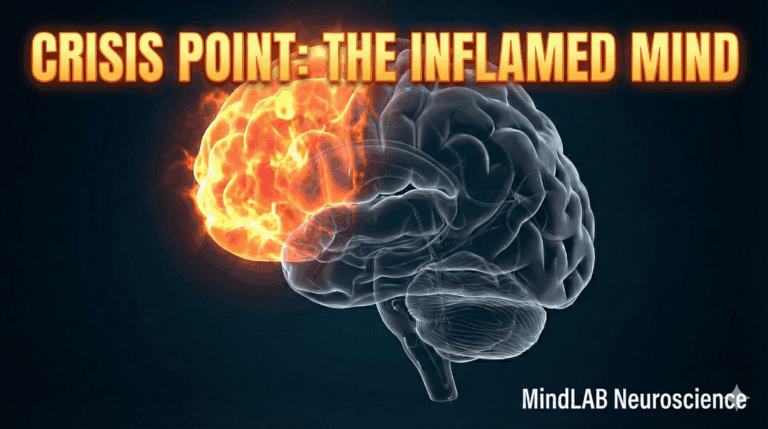
Amid the relentless demands of modern life, mastering stress management is crucial for personal growth and overall well-being. With the increasing pressures of daily routines, understanding how neuroscience-based techniques can help manage stress and foster personal growth is essential. As a brain-based practice professional, I have developed a unique approach that leverages the latest findings in neuroscience, neuroplasticity, and brain-based practice to help you navigate life’s challenges effectively.
Understanding Stress and Its Impact on Personal Growth
Stress management is a natural response to challenging situations and can be both beneficial and detrimental. When managed effectively, stress can motivate us to perform at our best and adapt to change. In fact, a certain level of stress, often referred to as com, can enhance productivity and focus, driving us towards specific goals. This phenomenon aligns with the Yerkes-Dodson law, which posits that optimal performance occurs at moderate levels of arousal.
However, chronic stress can harm our mental and physical health, hindering personal growth. Studies have shown that excessive or prolonged activation of stress response systems can lead to toxic stress, which negatively impacts behavior and health across the lifespan. Chronic stress exposure can fundamentally alter dopamine signaling pathways, compounding the damage to reward processing and emotional regulation. In children, early life stress has been linked to adverse effects on neural systems vital for development, affecting their long-term psychological and behavioral outcomes.

The Role of Neuroscience in Stress Management
To overcome the adverse effects of stress, and develop a formidable stress management protocol, we need to incorporate successful techniques and develop a mindset that fosters stron psychological resilience and adaptability. Neuroscience reveals that resilience involves structural and functional alterations in the brain in response to stress. For instance, research indicates that positive adaptations in brain architecture can occur through physiological responses known as allostasis.
Understanding how stress influences our brains helps us recognize that it can serve as a catalyst for growth if managed well. Engaging in effective stress management practices allows individuals to harness the motivating aspects of stress while protecting against its harmful effects. This dual nature of stress illustrates why developing resilience capabilities is vital. For example, certain individual differences in neurochemistry, neuroplasticity, and prior experiences shape how one copes with stress. People who cultivate resilience often utilize strategies such as cognitive restructuring and neural re-wiring to mitigate stress’s detrimental effects and promote growth.
By incorporating neuroscience-based techniques into our stress management strategies, we can not only cope with stress more effectively but also use it as a tool for personal growth and development. This approach allows us to build resilience, enhance our cognitive abilities, and ultimately thrive in the face of life’s challenges.
1. Reframe Your Perspective
Reframing your perspective involves looking at challenges as opportunities for growth and learning. Embracing a growth mindset encourages curiosity and experimentation. This technique helps rewire the brain to view stressors positively, promoting resilience and adaptability.
How can I apply reframing my perspective to manage daily stress?
Applying perspective reframing to manage daily stress involves a conscious shift in how you perceive and interpret stressful situations. Here are some practical steps:
- Identify the stressor: Recognize what’s causing your stress. Is it a deadline, a conflict, or an unexpected change?
- Pause and reflect: Take a moment to step back from the situation. This creates space between the stressor and your reaction.
- Challenge your initial thoughts: Ask yourself, “Is this really as bad as I think it is?” or “What’s another way to look at this?”
- Find the opportunity: Look for potential benefits or learning experiences in the situation. For example, a tight deadline could be an opportunity to improve your time management skills.
- Use positive self-talk: Replace negative thoughts with more balanced or optimistic ones. Instead of “I can’t handle this,” try “This is challenging, but I’ve overcome difficult situations before.”
- Focus on what you can control: Identify aspects of the situation you can influence and focus your energy there.
- Practice gratitude: Even in stressful situations, try to find something to be grateful for. This can shift your focus from negative to positive aspects.
- Visualize success: Imagine yourself successfully navigating the stressful situation. This can boost your confidence and reduce anxiety.
By consistently practicing these techniques, you can train your brain to automatically reframe stressful situations, making daily stress management more effective and less overwhelming. Remember, neuroplasticity allows your brain to form new neural pathways, making this positive reframing easier over time.
2. Set Realistic Goals
Breaking down goals into manageable tasks and prioritizing them helps maintain focus and motivation. Setting realistic goals ensures that you do not overwhelm yourself, which can lead to stress management. In my own practice, I teach my client’s an incredible technique I call “cracking the habit code”. This method aligns with the brain’s reward system, providing a sense of accomplishment and progress.
How do I set realistic goals that align with my brain’s reward system?
Setting realistic goals that align with your brain’s reward system is a powerful way to enhance motivation and reduce stress. Here’s how you can do it:
- Start small: Begin with easily achievable goals. This triggers the release of dopamine, the “feel-good” neurotransmitter, which reinforces the behavior and motivates you to continue.
- Be specific: Instead of vague goals like “reduce stress,” set specific objectives like “practice 10 minutes of intentional awareness daily.” Specific goals are easier for your brain to process and act upon.
- Make it measurable: Establish clear criteria for success. This allows your brain to recognize progress, triggering reward responses.
- Set time-bound goals: Having deadlines creates a sense of urgency and helps maintain focus. However, ensure these deadlines are realistic to avoid unnecessary stress.
- Break larger goals into smaller milestones: This provides more frequent opportunities for reward, keeping you motivated throughout the process.
- Celebrate small wins: Acknowledge and celebrate each milestone achieved. This reinforces the behavior and encourages continued effort.
- Align goals with personal values: When goals resonate with your core values, they become more meaningful, increasing intrinsic motivation.
- Visualize the process and outcome: Mentally rehearsing the steps to achieve your goal and imagining the successful outcome can increase motivation and reduce stress.
- Use positive reinforcement: Reward yourself in healthy ways when you achieve goals. This could be as simple as positive self-talk or a small treat.
- Adjust as needed: Be flexible and willing to adjust your goals if they prove too easy or too challenging. This helps maintain an optimal level of motivation and stress.
By setting goals this way, you’re working with your brain’s natural reward system, making the process of achieving goals more enjoyable and less stressful. This approach can significantly enhance your overall stress management and personal growth journey.

3. Practice Self-Compassion
Being kind to yourself and recognizing that everyone experiences setbacks is crucial. Learning from mistakes and showing yourself understanding and compassion can help reduce stress and improve mental well-being. Self-compassion activates the com, promoting emotional resilience.
4. Establish Healthy Boundaries
Learning to say “no” to excessive demands on your time and energy is vital for protecting your mental and emotional well-being. Establishing healthy boundaries helps prevent burnout and ensures that you have time for autonomic recovery and personal growth.
5. Cognitive Restructuring
Cognitive restructuring involves identifying and challenging negative thought patterns contributing to stress management. Replacing these thoughts with more balanced and positive perspectives can help reduce stress management and promote a healthier mindset. This technique leverages the brain’s neuroplasticity to form new, positive neural connections.
6. Visualization
Visualization techniques involve imagining yourself successfully navigating stressful situations. This mental rehearsal strengthens neural connections associated with positive outcomes, helping you build confidence and reduce anxiety in real-life scenarios.
7. Breathing Exercises
Deep, controlled breathing techniques activate the body’s parasympathetic response, reducing stress management levels and promoting mental clarity. Breathing exercises help regulate the autonomic nervous system, promoting a state of calm and focus.

Putting the Pieces Together
By integrating successful stress management techniques with brain-based methods and personal growth strategies, individuals can effectively mitigate stressors and develop enduring, science-backed coping skills. This holistic approach, grounded in neuroscience, offers a pathway to enhanced resilience and improved overall well-being.
Research continues to unveil the intricate connections between stress, brain function, and personal development. As our understanding deepens, so does our ability to harness the brain’s innate capacity for change and adaptation. By applying these insights, we can cultivate more effective responses to life’s challenges and foster lasting personal growth.The journey towards better stress management and personal development is ongoing. It requires patience, practice, and a willingness to embrace new perspectives. As we continue to learn about the brain’s remarkable plasticity, we unlock new possibilities for managing stress and enhancing our quality of life.
Remember, the power to change and grow lies within each individual. By understanding and applying these neuroscience-based techniques, everyone has the potential to build resilience, manage stress more effectively, and embark on a journey towards a more fulfilling life.
The patterns described in this article were built through thousands of neural repetitions — and they require targeted intervention to rewire. Real-Time Neuroplasticity™ provides the mechanism: intervening during the live moments when the pattern activates, building new neural evidence that a different response is architecturally possible.
Key Takeaways
- Chronic stress is not a mindset problem — it is a HPA (hypothalamic-pituitary-adrenal) axis dysregulation that requires physiological intervention, not willpower or perspective shifts.
- The autonomic nervous system does not respond to instructions from the conscious mind: telling yourself to “calm down” activates the prefrontal cortex but does not reach the brainstem circuits running the stress response.
- The most effective stress interventions work by activating the parasympathetic nervous system through its own inputs — breath rate, temperature, movement, and social signals — bypassing the conscious mind entirely.
- Cortisol clearance requires physical activity: aerobic movement is the only reliable mechanism for metabolizing the cortisol that chronic stress accumulates in the bloodstream without adequate physical discharge.
- Sleep is not recovery from stress — it is the primary HPA axis reset mechanism. Sleep deprivation elevates baseline cortisol by 37–45%, creating a stress loop that no daytime intervention can fully compensate for.
| Technique | Target System | Mechanism | Common Substitution That Fails |
|---|---|---|---|
| Resonance breathing (5-6 breaths/min) | Vagus nerve / parasympathetic activation | Slow exhalation activates vagal brake, dropping heart rate and cortisol within 3 minutes | “Take a deep breath” — shallow fast breaths have no vagal effect |
| Aerobic movement (20+ min) | HPA axis / cortisol clearance | Physical exertion metabolizes accumulated cortisol; BDNF release reduces amygdala reactivity | Gentle walking — insufficient intensity to clear cortisol load |
| Cold water exposure (face/neck, 30 sec) | Dive reflex / sympathetic brake | Trigeminal nerve activation triggers immediate parasympathetic override via the mammalian dive reflex | Cold showers — too diffuse and prolonged to reliably trigger the reflex |
| Neural labeling (naming the emotion) | Amygdala / prefrontal modulation | Labeling activates right ventrolateral PFC, which inhibits amygdala activity within seconds | Suppressing the emotion — increases amygdala activation, not decreases it |
| Social engagement (voice contact) | Oxytocin / social nervous system | Hearing a known, trusted voice activates the ventral vagal complex, producing rapid parasympathetic shift | Text messaging — lacks prosodic cues that activate the social engagement system |
| Sleep architecture protection | HPA axis reset / cortisol baseline | Deep sleep stages produce the primary cortisol suppression window; loss of even 90 minutes raises next-day baseline | Sleeping longer on weekends — delayed reset, does not prevent weekly cortisol accumulation |
| Sensory load reduction (20-min window) | Sympathetic arousal / attentional depletion | Removing screens, noise, and social demands allows the prefrontal cortex to restore executive bandwidth | “Unwinding” with passive screen consumption — maintains sympathetic activation through visual novelty |
The stress response does not take instructions from your conscious mind. Telling yourself to calm down is like asking the engine of a running car to stop by talking to the dashboard. The autonomic nervous system has its own inputs — breath rate, temperature, movement, and social signals — and those are the only levers that reach it directly.
Frequently Asked Questions
Why doesn’t “just relax” work for chronic stress?
The instruction to relax originates in the prefrontal cortex, which is not directly wired to the HPA axis or the brainstem circuits that govern the autonomic stress response. The pathway from “I decide to relax” to actual sympathetic downregulation is indirect, slow, and easily overridden by a threat signal that the amygdala has already processed. In chronic stress states, the amygdala is in a sustained activation pattern that has lowered the threshold for threat detection — meaning the system is primed to interpret ambiguous signals as dangerous. Against this background, a conscious intention to relax has roughly the same physiological leverage as deciding to lower your blood pressure. The interventions that actually work bypass conscious instruction entirely and access the autonomic system through its direct inputs.
What is the fastest way to activate the parasympathetic nervous system?
The fastest reliable method is a slow, extended exhalation — specifically a breath pattern around 5-6 cycles per minute with an exhalation roughly twice the length of the inhalation. This activates the vagal brake: the inhibitory signal the vagus nerve sends to the sinoatrial node of the heart, dropping heart rate within one to three breath cycles. Cold water contact on the face and neck triggers the mammalian dive reflex almost instantaneously — a phylogenetically ancient mechanism that prioritizes oxygen conservation by driving dramatic parasympathetic activation. Both work because they speak directly to the brainstem through physiological inputs, not through the cognitive circuits that stress has already compromised.
Does exercise actually reduce stress, or does it just distract from it?
Exercise produces genuine neurobiological stress reduction through multiple mechanisms, not distraction. Aerobic activity at moderate-to-vigorous intensity metabolizes cortisol — the cortisol that chronic stress accumulates in the bloodstream is there because it was produced to fuel physical action that never happened. Twenty or more minutes of aerobic movement provides the physical discharge the stress response was designed to produce. Beyond cortisol clearance, exercise increases BDNF (brain-derived neurotrophic factor), which supports hippocampal function and reduces amygdala hyperreactivity over time. Post-exercise HPA axis suppression lasts several hours. These are direct physiological effects; distraction would not produce them.
Why does talking to someone help reduce stress?
Hearing a known, trusted voice activates the ventral vagal complex — the branch of the vagus nerve that governs the social engagement system and produces parasympathetic calming. The prosodic features of a trusted voice (familiar pitch, pacing, tone) are processed by the middle ear muscles and the brainstem before they reach conscious awareness, producing an autonomic shift that is neurologically distinct from the cognitive experience of “being supported.” This is why voice contact (not text) reliably produces stress reduction — text lacks the prosodic cues that activate the social nervous system. Oxytocin release during genuine social attunement provides additional HPA buffering, reducing the cortisol response to subsequent stressors for hours afterward.
Can chronic stress cause permanent brain changes?
Yes — sustained high cortisol produces documented structural changes in the brain over time. The hippocampus, which is highly vulnerable to glucocorticoids, shows measurable volume reduction under chronic stress conditions — affecting memory consolidation and the ability to contextualize threat (which normally dampens amygdala activation). The amygdala, by contrast, can increase in volume and reactivity under sustained stress, producing a lower threat threshold that amplifies future stress responses. Prefrontal grey matter density decreases, reducing executive function and emotional regulation capacity. These changes are not permanent: neuroplasticity research shows that HPA normalization, adequate sleep, and aerobic exercise can reverse hippocampal volume loss and reduce amygdala hyperreactivity even after sustained stress exposure.
Anxiety & Stress — MindLAB Locations
References
- McEwen, B. S. (2007). Physiology and neurobiology of stress and adaptation: Central role of the brain. Physiological Reviews, 87(3), 873-904. DOI
- Ulrich-Lai, Y. M., & Herman, J. P. (2009). Neural regulation of endocrine and autonomic stress responses. Nature Reviews Neuroscience, 10(6), 397-409. DOI
- Thayer, J. F., Åhs, F., Fredrikson, M., Sollers, J. J., & Wager, T. D. (2012). A meta-analysis of heart rate variability and neuroimaging studies: Implications for heart rate variability as a marker of stress and health. Neuroscience & Biobehavioral Reviews, 36(2), 747-756. DOI
If this pattern has persisted despite your understanding of it, the neural architecture sustaining it is identifiable and addressable. A strategy call with Dr. Ceruto maps the specific circuits driving the cycle and identifies whether it can be interrupted at its neurological source rather than managed from its surface.
This article is part of our Stress & Nervous System Regulation collection. Explore the full series for deeper insights into stress & nervous system regulation.