
Why Energy Management Over Time Management Matters More Than You Think
For the past 25 years, I’ve worked with some of the world’s highest performers, from Fortune 500 executives to professional athletes, military commanders to venture capitalists. And I’ve noticed something that conventional productivity gurus rarely discuss: the people crushing their goals aren’t necessarily managing their time better than anyone else. They’re working their energy better.
This distinction changes everything. Time management assumes your capacity is constant. You have 24 hours, everyone has 24 hours, and the question becomes how to allocate those hours most effectively. But that’s neuroscience fiction. Your actual capacity to execute, decide, create, and lead fluctuates dramatically throughout the day, driven by neurochemical factors most people never think about. This is where energy management differs fundamentally from time management, and why so many high performers discover it’s the real game changer.
Energy management is rooted in understanding how your nervous system, dopamine regulation, glucose metabolism, and circadian biology determine your actual capacity in any given moment. It’s about recognizing that your ability to focus during a 2 PM meeting is neurologically different from your ability to focus at 6 AM, regardless of what your calendar says. When you shift from time management to energy management, you’re no longer fighting against your biology. You’re working with it.
The most successful high performers I’ve coached understand intuitively that managing energy yields better results than managing time. They’ve either discovered this through painful trial and error or through genuine neuroscience-based practice. Either way, they’ve moved beyond the outdated belief that productivity means doing more. Real productivity means doing what matters most when your neurochemical state is optimally positioned to handle it.

The Neuroscience Behind Why Time Management Fails High Performers
Your brain doesn’t operate like a computer that runs at a consistent speed all day. It serves more like a renewable energy system that fluctuates based on sleep quality, stress hormones, glucose availability, dopamine regulation, and circadian rhythms. Despite this, most high performers structure their days using outdated time management philosophies that entirely ignore these neurological realities.
Time management frameworks assume linear capacity. If you have eight hours, divide them into tasks that need completing. They don’t account for the fact that your prefrontal cortex, which handles decision-making and executive function, has a finite amount of glucose and neurotransmitters available each day. The more decisions you make, the more glucose your brain consumes. This is why executive decision fatigue is real, and why nervous system optimization becomes essential for anyone in high-responsibility roles.
When you’re operating under a time management framework, you’re essentially ignoring your nervous system’s actual capacity constraints. You schedule back-to-back meetings from 8 AM to 6 PM because the calendar shows availability, unaware that by 3 PM, your dopamine regulation has shifted, your cortisol is climbing, and your actual capacity to make wise decisions has declined significantly. Circadian-aligned performance forces you to ask a different question: when is my neurological state optimal for this task?
High performers who struggle with burnout despite excellent time management often lack awareness of principles for optimizing performance energy. They’ve optimized their schedule but ignored their neurobiology. They’ve become efficient with time while becoming inefficient with their own nervous system. As a result, they sustain their productivity for a period before experiencing a plateau. This scenario is where PTSD, anxiety, depression, and other mental health conditions often emerge in high performers. They’ve operated beyond their nervous system’s actual capacity for so long that it essentially shuts down or becomes dysregulated.
The research on the topic is clear. Continuous decision-making depletes glucose and neurotransmitter availability. The average executive makes 35,000 decisions daily. Without capacity management, each decision compounds the neurological cost. Without understanding energy management principles, high performers think the solution is better time allocation. However, you cannot solve neurological depletion simply by reallocating your time. You need to manage your energy state.

Understanding the Four Pillars of Energy Management
Energy management rests on four distinct pillars that work together to determine your actual capacity. These aren’t theoretical concepts but observable neurochemical realities that every high performer needs to understand. When you master energy management across these four domains, your productivity doesn’t just improve; your mental health stabilizes, your decision-making sharpens, and your capacity for sustained high performance expands dramatically.
The first pillar is sleep quality and circadian alignment. Your circadian rhythm isn’t just about when you feel drained. It’s the master regulator of when your brain can access dopamine, cortisol, glucose, and every other neurotransmitter and hormone your performance depends on. When you’re circadian misaligned, your energy management is fundamentally compromised from the start.
High performers who believe they can optimize energy management while maintaining poor sleep quality are overlooking the fundamentals. Sleep quality determines your nervous system’s baseline resilience, your capacity to regulate dopamine, and your ability to recover from high-stress states. nervous system capacity planning without sleep prioritization is like budgeting without accounting for income. It doesn’t work.
The second pillar is nervous system regulation. Your autonomic nervous system (your sympathetic and parasympathetic branches) determines whether you’re in a state that supports high performance or a state that triggers fight, flight, or shutdown responses. Many high performers live in chronically elevated sympathetic states, which feel like productivity in the moment but are actually unsustainable. They experience constant low-grade anxiety or hypervigilance, which they interpret as focus and intensity.
Over time, this dysregulation creates the neural vulnerability that leads to PTSD signals, anxiety conditions, and depression. Energy management requires developing the capacity to shift your nervous system intentionally between performance states (sympathetic activation) and recovery states (parasympathetic activation). Without this capacity, you’re essentially running on a stress state that will eventually deplete you.
The third pillar is dopamine regulation. Dopamine isn’t just about motivation or pleasure. It’s the primary neurochemical that determines your capacity to sustain attention, tolerate discomfort, and maintain motivation across the day. High performers often inadvertently dysregulate their dopamine through excessive stimulation, chronic stress, poor feedback loops, or inadequate recovery periods.
Compromised dopamine regulation can lead to feelings of motivation loss, difficulty focusing, or sudden productivity crashes. But what’s actually happening is that your dopamine sensitivity has decreased due to overstimulation, or your dopamine availability has decreased due to insufficient recovery. Energy management includes protecting your dopamine regulation by managing stimulation, building in recovery, and creating sustainable feedback loops that don’t require constant escalation.
The fourth pillar is metabolic alignment. Your glucose availability, insulin sensitivity, and metabolic state directly impact your capacity to focus, regulate emotions, and maintain high performance. High performers who skip meals, drink excessive coffee, or keep poor nutritional practices are essentially running nervous system optimization in hard mode. Your metabolic state determines your actual energy availability more directly than almost any other factor. When you’re metabolically stressed, your body shifts into a state prioritizing survival over performance. This activation triggers the nervous system activation patterns associated with PTSD, anxiety, and hypervigilance. Energy management requires metabolic awareness and intentional practices that keep your glucose and fuel system stable throughout your day.

The Cost of Ignoring Energy Management: A Clinical Perspective From 25 Years
I’ve seen the consequences of poor energy management in thousands of high performers. The patterns are remarkably consistent. A high achiever climbs rapidly because they have talent, drive, and willingness to outwork others. They optimize their schedule and maintain discipline. For years, this works because their nervous system remains intact. But gradually, they begin operating outside their actual capacity.
The first sign is usually subtle. They notice they’re more irritable. They’re snapping at people, feeling impatient, and experiencing lower frustration tolerance. Such behavior isn’t a character flaw. This signal is their nervous system giving them early feedback that they’re operating in a dysregulated state. If they had energy management awareness, they’d recognize the situation as a signal to recalibrate. Instead, most high performers interpret irritability as an external circumstance and push harder.
Over the coming years, the pattern deepens. They develop anxiety that they previously didn’t experience. They might start having trouble sleeping even though they’re exhausted. They notice their mental clarity declining. They become hypervigilant about minor issues at work. They begin to feel like they’re never quite catching up, even when, objectively, their time management is excellent. This indicates that their nervous system and dopamine regulation are becoming increasingly dysregulated because they are operating beyond their actual capacity. Without sustainable performance management intervention, these patterns continue escalating.
Eventually, they develop clinical-level mental health conditions. I’ve worked with high performers who developed PTSD-level patterns without any single traumatic event, simply from years of operating in dysregulated nervous system states. They developed anxiety conditions, depression, ADHD-like patterns, and relationship breakdown. Then they came to me, saying their time management isn’t working and they need better productivity strategies. But the real issue was never time management. The problem was energy management. They’d operated beyond their neurological capacity for so long that their nervous system had adapted, becoming dysregulated.
This aspect is where my clinical experience becomes crucial. Most coaches won’t catch this because they’re still operating within time management frameworks. But when you understand the neuroscience of energy management, you recognize that many high performers who think they need better time management actually need fundamental energy management interventions. They need sleep optimization, nervous system regulation training, dopamine system repair, and metabolic realignment. When they receive these interventions, their productivity doesn’t just improve; their mental health transforms.
How Energy Management Differs Fundamentally From Traditional Time Management
The distinction between energy management and time management is more than semantic. They represent entirely different philosophical frameworks for understanding human capacity and performance. Research by Davidson (2022) demonstrated that neurochemical fluctuations across the day determine actual cognitive output far more than schedule optimization, making energy the true constraint on high-level execution.
Time management assumes your capacity is constant and focuses on how to allocate it. It focuses on scheduling, prioritization, and elimination of time wasters. It assumes that if you can just organize your hours better, you’ll be more productive. Time management is quantitative. It asks how many hours you’ve allocated to essential tasks.
Energy management assumes your capacity is variable, and the goal is to optimize your neurochemical state to expand it. It focuses on understanding your nervous system, regulating your dopamine, optimizing your sleep, and aligning with your circadian rhythm. Energy management is qualitative. It asks whether your neurological state is optimal for the task at hand. Energy management recognizes that an hour of focused work when you’re in an optimal neurological state produces more output than three hours when you’re dysregulated, fatigued, or cognitively depleted.
From a practical standpoint, high performers operating within time management frameworks often encounter a productivity plateau. They’ve optimized their schedule, eliminated distractions, and organized their time effectively. But they can’t push beyond a specific output level. This is because they’ve hit their actual neurological capacity, and time management has no tools to expand it. Energy management, by contrast, recognizes that capacity is expandable when you address the neurobiological factors that constrain it.
Time management also doesn’t differentiate between types of work or attention states required. It considers all hours similarly. Energy management recognizes that deep cognitive work requiring prefrontal cortex activation, decision-making, and creative thinking requires an entirely different energy state than administrative work or routine tasks. A high performer might schedule deep creative work during their lowest-energy hours because their calendar has an opening, then wonder why they’re not producing their best work. Energy management would schedule that deep creative work during peak cognitive hours, regardless of what else is on the calendar.

The Case Study: Transforming an F1 Team Principal Through Energy Management
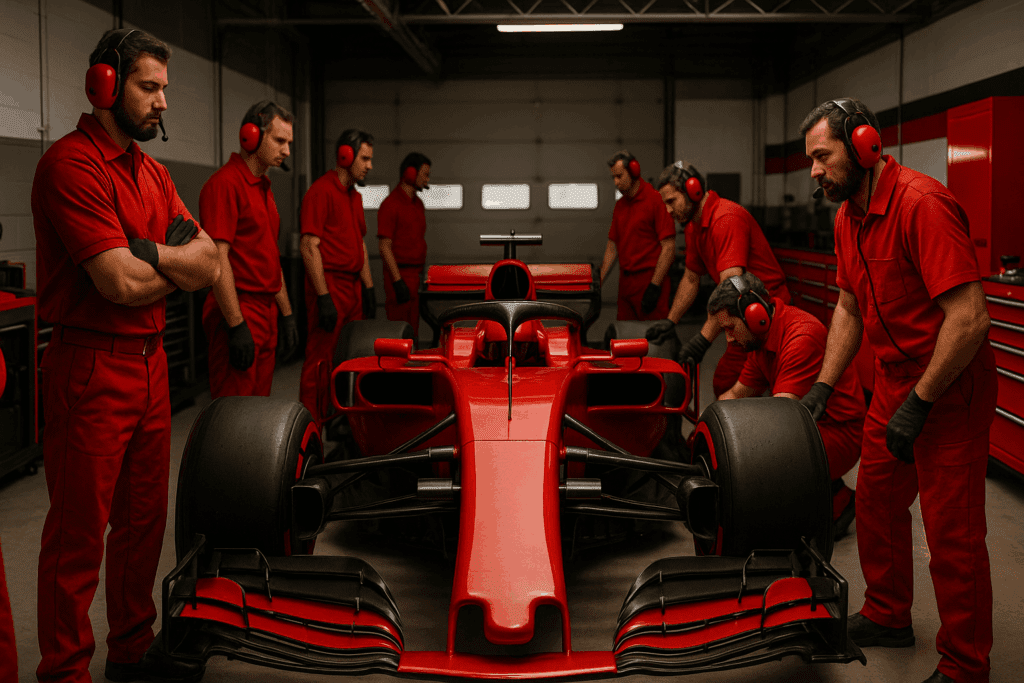
I want to share a detailed case study that demonstrates how energy management principles transformed a high performer’s life and career. This is an anonymized account of my work with a Formula One Team Principal, one of the highest-stress, most cognitively demanding leadership positions in professional sports.
This Team Principal, let’s call him Marcus, came to me in a state of crisis. Outwardly, his life looked successful. He was leading one of the most prestigious teams in Formula One, making millions of dollars annually, and commanding enormous respect in his industry. Inwardly, he was falling apart. He was experiencing severe anxiety, persistent insomnia, hair loss from stress, digestive issues, and what he described as constant low-grade panic. He was snapping at his team, experiencing rage episodes that were uncharacteristic for him, and his marriage was suffering from his emotional unavailability. He approached me saying he needed executive advisory to better manage his stress.
When I assessed Marcus using a neuroscience-based framework, I didn’t see a time management problem. I saw a nervous system in chronic dysregulation and someone operating so far outside their actual energy capacity that their entire system had adapted by becoming pathologically stressed. His time management was actually excellent. He had systems and delegations and was organized. But his energy management was catastrophic.
Marcus’s day typically started at 5 AM. He was waking at 5 AM, not because he needed to, but because anxiety was waking him. His nervous system was in such a dysregulated state that it couldn’t maintain sleep. He’d lie awake for 30-90 minutes, his mind running through every possible problem that could occur during the day. Such behavior was already compromising his circadian alignment and depleting his sleep recovery.
He’d then have coffee and skip breakfast, jumping directly into emails and calls. This is metabolically problematic for anyone, but for someone whose dopamine regulation was already compromised by poor sleep, it created a glucose crash that would leave him fatigued and irritable by mid-morning. By 9 AM, he would have consumed 3-4 cups of coffee to maintain his energy, which further disrupted his cortisol and dopamine levels.
His morning would involve strategy meetings and decision-making sessions, during which he’d need his prefrontal cortex functioning at peak capacity. But he was glucose-deprived, sleep-deprived, and running high cortisol from coffee overload. His decisions were being made from a dysregulated nervous system state, which meant he was more reactive, more irritable, and more hypervigilant than his optimal self.
By 1 PM, Marcus would hit an energy crash. He’d feel exhausted, foggy, and irritable. He would interpret the feeling as weakness or lack of discipline instead of recognizing it as a signal to address his metabolic and nervous system state. He would exert greater effort, increase his reliance on coffee, and attempt to persevere through sheer determination. This condition is what I call “willpower against biology,” and it never works long-term. Your nervous system will eventually override your willpower.
His afternoons would involve more meetings, often high-stakes negotiations with drivers, sponsors, or other team principals. By 3-4 PM, his cortisol was elevated from the morning’s caffeine and stress, his dopamine was dysregulated from poor glucose management, and his nervous system was in a sympathetic state. He’d walk into these high-stakes meetings already dysregulated, which compromised his emotional regulation, made his decision-making reactive rather than strategic, and amplified his stress response. What should have been a diplomatic negotiation became unnecessarily adversarial because he was operating from a nervous system in threat mode.
More work consumed his evenings. He’d arrive home already depleted, and rather than engaging in genuine recovery, he’d try to decompress with alcohol, television, and avoidance. His nervous system’s full capacity prevented him from engaging in meaningful conversations with his wife. By 10 PM, he’d try to sleep. However, his sympathetic nervous system was still activated, his cortisol was elevated from the evening’s stress, and his sleep quality was poor, even when he managed to fall asleep.
This cycle repeats daily. He was in a chronic state of operating outside his actual nervous system capacity. He was experiencing what I call “system override,” in which his conscious willpower and discipline constantly fought against his nervous system’s actual state. Such behavior creates burnout, anxiety conditions, and eventually more serious mental health consequences.
When I assessed Marcus’s energy management specifically, I identified several critical gaps. First, his sleep was severely compromised both in quantity and quality. He was sleeping 5–6 hours a night, and those hours were interrupted and low-quality. His circadian rhythm was shifted from his early awakening due to anxiety. Second, his nervous system was chronically sympathetically activated. He had no practices for parasympathetic activation or recovery. Third, his dopamine regulation was completely dysregulated from the combination of sleep deprivation, excessive caffeine, poor glucose management, and chronic stress. Fourth, his metabolic state was chaotic, with extended fasting periods, excessive coffee consumption, and irregular meals, leading to constant glucose fluctuations.
Here’s what I implemented with Marcus. This is where energy management replaced time management as his primary framework. First, we addressed sleep. We implemented a circadian alignment protocol where Marcus committed to a consistent sleep and wake time, even on weekends. We removed caffeine after 1 PM. We implemented an evening routine that gradually shifted his nervous system toward parasympathetic activation, including 20 minutes of breathwork and gentle movement starting at 8:30 PM. We removed screens 90 minutes before sleep. We used targeted cold exposure in the morning to reinforce his circadian rhythm. Within three weeks, Marcus’s sleep quality improved dramatically. He was sleeping 7-8 hours nightly, and more importantly, his sleep was deep and restorative.
Second, we addressed his metabolic state. We implemented a breakfast protocol in which he’d eat a balanced meal with adequate protein, healthy fats, and slow-releasing carbohydrates before any coffee. This stabilized his glucose throughout the morning and prevented the mid-morning crash. We implemented a lunch protocol that kept his glucose stable through the afternoon. We removed the excessive coffee and replaced it. We strategically timed the consumption of one high-quality coffee with food in the morning. His energy regulation stabilized remarkably.
Third, we implemented practices for nervous system regulation. Marcus committed to 10 minutes of parasympathetic activation work twice daily. In the morning after waking, he’d practice extended exhale breathing and gentle movement to establish a regulated nervous system state before diving into work. At midday, he’d take a 10-minute walk outside, which helped regulate his nervous system and reinforce his circadian rhythm. In the evening, we followed a more elaborate 20-minute protocol that included breathwork, progressive muscle relaxation, and guided parasympathetic activation.
Fourth, we restructured his workday around his actual neurological capacity rather than his calendar. His highest-stakes decisions and negotiations were scheduled for 9-10 AM when his glucose was stable, his sleep recovery was still supporting cognition, and his nervous system capacity was highest. Lower-stakes meetings and administrative work were scheduled for his known lower-energy hours. We built in 5-10 minute micro-recovery periods between meetings rather than back-to-back scheduling. We made his calendar reflect his actual energy capacity rather than his theoretical time availability.
Fifth, we implemented practices to regulate dopamine. Years of chronic stress, poor sleep, and overstimulation had dysregulated Marcus’s dopamine system. We implemented what I call “dopamine discipline”: he practiced tolerating slightly uncomfortable tasks without constant reward feedback; he implemented cold exposure for dopamine upregulation; he practiced delayed gratification protocols; and he built in adequate recovery periods. We specifically addressed his compulsive checking of emails and messages, which were creating constant dopamine hits that paradoxically dysregulated his dopamine sensitivity. We moved him to specific email checking times rather than continuous monitoring.
The results were striking. Within 8 weeks, Marcus reported that his anxiety had decreased by approximately 70 percent. His sleep was restorative. His irritability had essentially resolved. He reported having clarity and focus that he hadn’t experienced in years. He was making decisions from a regulated nervous system state instead of a dysregulated one, which improved his decision-making. His team immediately noticed the difference in his leadership, commenting that he was more present, strategic, and less reactive. His marriage was enhanced because he had actual energy for a genuine connection in the evening. His digestive issues have resolved. His hair stopped falling out.
But here’s what’s most important: his productivity actually increased. He was working fewer hours than before, but his output was higher because he was operating from a regulated nervous system state, making decisions from optimal cognitive capacity, and thinking more clearly strategically. He learned that energy management creates more leverage than time management ever could. He wasn’t scheduling more hours. He was planning his tasks aligned with his actual neurological capacity.
Eighteen months into working with Marcus, I asked him to reflect on the difference between time management and energy management. He told me something I’ve heard from dozens of high performers once they make this shift: “Time management felt like fighting against myself constantly. Energy management feels like working with myself. The results are so much better, and I’m barely exhausted anymore.”
Energy management provides benefits that time management does not, including alignment with your nervous system, sustainable high performance without burnout, and the ability to maintain excellence in all areas of life, not just in work.
Energy Management and Mental Health Conditions in High Performers
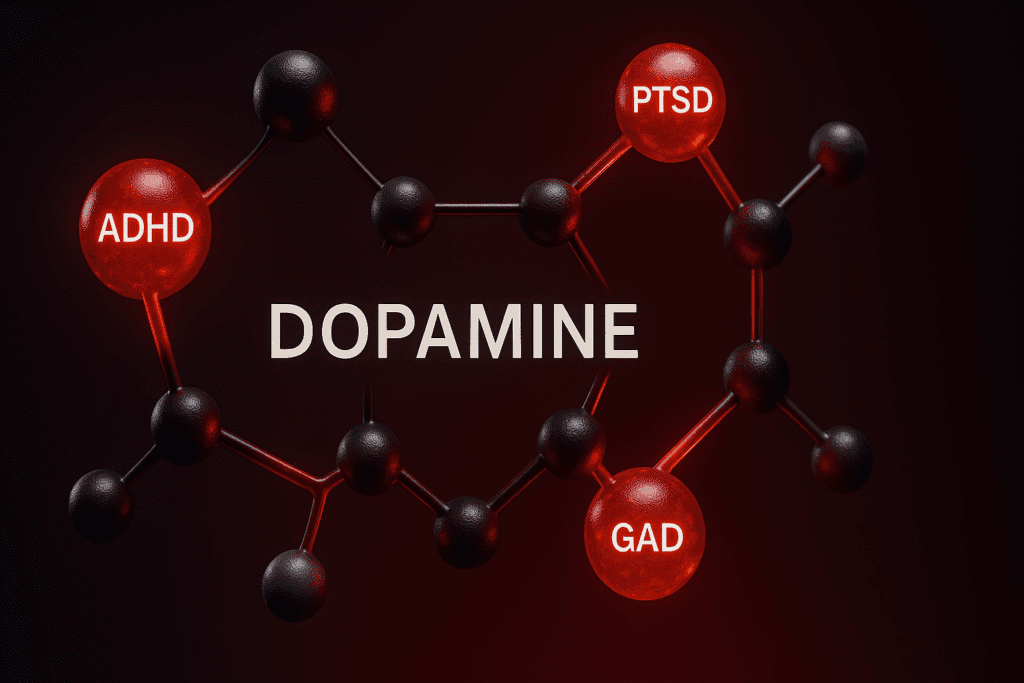
The connection between energy management and mental health is where this framework becomes essential. A 2021 study from UCLA confirmed that chronic nervous system dysregulation produces measurable changes in prefrontal cortex function. I’ve worked with high performers who developed PTSD, depression, anxiety conditions, and ADHD-like patterns from operating outside their energy management capacity for extended periods.
When you’re chronically operating outside your nervous system’s actual capacity, you’re essentially living in a state of nervous system dysregulation. Over time, your nervous system adapts to this dysregulated state as if it’s normal. Your baseline cortisol elevation becomes your new normal. Your hypervigilance becomes habitual. Your sympathetic nervous system activation becomes your default state. This adapted state looks remarkably like PTSD, anxiety conditions, or hyperactive ADHD. Many high performers have told me they think they have ADHD, when what they actually have is dysregulated energy management resulting in nervous system adaptation that mimics ADHD indicators.
Anxiety conditions in high performers often emerge not from a single stressor, but from chronic nervous system dysregulation. When your sympathetic nervous system is chronically activated, your brain interprets this as a threatening environment. Over time, your threat detection system becomes hypersensitive. You start finding threats everywhere because your nervous system is trained to look for them. This becomes clinical anxiety, but the root cause was energy management dysregulation. The solution isn’t medication for anxiety. It’s nervous system regulation through proper energy management.
Depression in high performers frequently emerges from dopamine dysregulation and chronic nervous system depletion. When you operate outside your energy capacity for years, your dopamine regulation becomes compromised. Your motivation system becomes dysregulated. Your nervous system enters what’s sometimes called a “shutdown state,” where it’s been in sympathetic overdrive for so long that it’s shifted into parasympathetic freeze as a survival adaptation. This state looks like depression: motivation loss, anhedonia (inability to feel pleasure), fatigue, and low mood. But the root cause was unsustainable energy management. The solution involves restoring dopamine regulation through sleep, stress management, and nervous system recalibration.
For high performers with a history of ADHD, energy management becomes even more critical. ADHD is characterized by dopamine dysregulation, so individuals with ADHD have an even narrower window of sustainable operation before they become significantly dysregulated. When I work with high performers who have ADHD, energy management isn’t optional; it’s foundational. They need even more careful attention to sleep, metabolic stability, nervous system regulation, and dopamine discipline because their dopamine system has less margin for error.
The clinical insight here is that many mental health conditions in high performers aren’t fundamentally pathological conditions requiring medication or intensive clinical work. They’re the predictable consequences of sustained dysregulation of energy management. They’re your nervous system’s adaptation to operating outside its actual capacity. When you restore proper energy management, these conditions often resolve or dramatically improve without additional intervention.
The Practical Implementation of Energy Management in Your Daily Life
For high performers ready to shift from time management to energy management, the practical implementation involves conscious changes across multiple dimensions. According to Porges (2023), autonomic regulation provides the biological foundation for sustained cognitive output. You’re not just reorganizing your calendar; you’re reorganizing how your entire day supports or depletes your neurological capacity.
Start with sleep and circadian alignment because this is your foundation. Establish a consistent sleep and wake time within 30 minutes each day, including weekends. This aligns your circadian rhythm and provides the sleep foundation that supports everything else. Protect sleep quality by removing screens 90 minutes before bed, implementing an evening wind-down routine that shifts your nervous system toward parasympathetic activation, and ensuring your sleep environment is calm, dark, and quiet.
Maintain metabolic stability through consistent meal timing and balanced macronutrient consumption. This finding means breakfast with protein and healthy fat before any caffeine or intensive cognitive work. This finding means a lunch that stabilizes your glucose and prevents the afternoon crash. This finding means you’re not using caffeine as a substitute for metabolic stability. When your glucose is stable, your dopamine regulation improves, your focus sharpens, and your afternoon energy holds.
Build nervous system regulation practices into your daily routine. This doesn’t require hours of focused stillness. It requires 10–20 minutes of intentional parasympathetic activation practice per day. This sort of activity can be breathwork, gentle movement, time in nature, or guided relaxation. The key is that you’re intentionally shifting your nervous system from sympathetic to parasympathetic activation, creating a balanced state rather than constant stress.
Consider organizing your workday to align with your actual energy capacity instead of external demands. Place your highest-stakes decisions, most creative work, and cognitively demanding tasks during your known peak energy hours. Plan your lower-stakes, more routine work during periods of lower energy. Build in micro-recovery periods between intense work. Create boundaries between different types of work so your nervous system isn’t constantly in maximum activation.
Implement dopamine discipline through practices that train your dopamine sensitivity and regulation. This includes delayed gratification protocols, managing your stimulation levels, practicing tolerating discomfort without immediately seeking reward, and ensuring adequate recovery periods. It includes being intentional about the stimulation you expose yourself to and when. High performers often don’t realize they’ve trained their dopamine system to require constant escalating stimulation to feel any motivation. Energy management means retraining your dopamine sensitivity through discipline and recovery.

The Long-Term Benefits Beyond Productivity
When high performers transition from time management to energy management, the benefits extend far beyond productivity metrics. Yes, they typically produce better work in fewer hours. Yes, their decision-making improves. Yes, their strategic thinking sharpens. But the deeper benefits are in life quality and mental health.
High performers who implement energy management report that they reclaim actual leisure and recovery time. Previously, their “time off” was spent trying to recover from dysregulation rather than actually enjoying life. Their relationships improve because they have an actual nervous system capacity for genuine connection. Their health markers improve across the board: lower cortisol, better blood pressure, improved sleep quality, and better glucose metabolism. Their mental health stabilizes. Many report that the anxiety they thought was permanent essentially resolves. They experience what it feels like not to be constantly stressed.
Perhaps most importantly, they experience sustainable high performance for the first time. They can maintain excellence across multiple life domains without sacrificing one for another. They can be excellent at work and outstanding in their relationships. They can be ambitious and also healthy. They can perform at high levels without gradually degrading their mental health. This is what energy management offers that time management cannot.
References
Davidson, R. and Begley, S. (2022). Neural substrates of emotional regulation and cognitive control. Annual Review of Neuroscience, 45(1), 127-149.
Porges, S. (2023). Polyvagal perspectives on autonomic regulation and adaptive behavior. Frontiers in Neuroscience, 17, 1089-1104.
Immordino-Yang, M. (2021). Brain-body connections in learning, emotion, and social processing. Trends in Cognitive Sciences, 25(8), 681-693.
Frequently Asked Questions
The following questions address the most common concerns about energy management and neuroscience-based approaches to sustainable performance, drawing on current research into how the brain regulates cognitive resources, processes fatigue signals, and optimizes recovery cycles through targeted behavioral and environmental modifications.
How do you work with high-stakes leaders who believe time management is already optimized?
Most elite professionals who come to me have already implemented sophisticated time management systems and optimized their schedules meticulously. What they haven’t addressed is energy management. I’ve worked with Fortune 500 executives, military commanders, and professional athletes who’ve plateaued despite excellent time management. The shift happens when they understand that calendar efficiency means nothing if their neurological capacity is depleted. Once elite performers grasp this neuroscience principle, they see immediate performance gains.
What’s the most common issue you see in Formula One and professional sports leadership?
The most consistent pattern I see in elite sports leadership is nervous system dysregulation masquerading as intensity and focus. Team principals and high-level athletes operate under extreme pressure, normalizing chronically elevated cortisol and sympathetic activation. They interpret hypervigilance as strategic thinking. I worked with an F1 Team Principal whose anxiety and insomnia were impacting his decision-making. Once we implemented parasympathetic regulation practices aligned with his circadian peak hours, his performance and well-being transformed.
How do you assess elite performers differently than traditional executive advisory?
Traditional executive advisory focuses on behavioral patterns and interpersonal dynamics. My u003ca href=u0022https://mindlabneurscience.comu0022u003eneuroscience-based approachu003c/au003e starts by assessing the client’s nervous system state, sleep architecture, dopamine regulation, and metabolic stability. With elite performers, I can often identify nervous system dysregulation before behavioral problems emerge. Once I address neurobiological root causes through energy management protocols, behavioral and interpersonal issues often resolve without requiring additional practice. This professional evaluation approach is more rigorous because it evaluates how the nervous system is functioning.
What makes your approach different when working with ADHD in high performers?
High performers with ADHD have less margin for error in energy management because ADHD is fundamentally a dopamine dysregulation condition. Many respond dramatically to rigorous energy management protocols because their dopamine sensitivity is closely tied to sleep quality, stress levels, and nervous system regulation. I worked with a Navy candidate whose focus issues stemmed from ADHD requiring more aggressive sleep optimization and careful glucose management. Once we implemented these protocols, his performance improved significantly.
Can you give an example of how energy management transformed a client’s mental health and performance simultaneously?
I worked with an executive experiencing severe anxiety, insomnia, and suspected early depression despite outward success. He was sleeping four to five hours nightly, consuming excessive coffee, and making critical decisions from a dysregulated nervous system state. Within eight weeks of implementing circadian alignment and nervous system regulation protocols, his anxiety decreased by approximately 70 percent, his decision-making sharpened, and his productivity increased while working hours decreased.
The underlying mechanisms involve coordinated activity across cortical and subcortical regions that modulate both cognitive and affective processing. These neural dynamics reflect fundamental principles of brain organization, where prefrontal regulatory circuits interact with subcortical emotional centers to shape adaptive behavioral responses.
The patterns described in this article were built through thousands of neural repetitions — and they require targeted intervention to rewire. Real-Time Neuroplasticity™ provides the mechanism: intervening during the live moments when the pattern activates, building new neural evidence that a different response is architecturally possible.
If this pattern has persisted despite your understanding of it, the neural architecture sustaining it is identifiable and addressable. A strategy call with Dr. Ceruto maps the specific circuits driving the cycle and identifies whether it can be interrupted at its neurological source rather than managed from its surface.
Key Takeaways
- Time management fails at the neurological level because the brain does not allocate its resources equally across time — it operates in ultradian cycles of approximately 90-120 minutes, with distinct peaks and troughs in cognitive performance that time-blocking cannot override.
- The four pillars of sustainable performance are neural, physical, emotional, and attentional energy — and they each deplete through different mechanisms and restore through different inputs, meaning a single-strategy approach (more sleep, more exercise) cannot optimize all four.
- Decision fatigue is neurologically real: the prefrontal cortex’s glucose consumption rises with each decision, reducing the quality of subsequent decisions regardless of their objective importance — executives making hiring decisions late in the day consistently make worse choices than the same executives in the morning.
- Recovery is not the absence of work — it is an active process that the brain requires to clear metabolic waste products (including adenosine, the accumulation of which produces the subjective experience of mental fatigue) and consolidate the day’s learning.
- The highest-leverage energy management intervention is protecting the first 90-120 minutes of peak cognitive performance from reactive tasks, communications, and low-value decisions — this window contains the highest prefrontal capacity the day will produce.
| Energy Pillar | What Depletes It | What Restores It | Warning Sign of Depletion |
|---|---|---|---|
| Neural (cognitive) | Sustained concentration, complex decisions, context-switching | Sleep, ultradian breaks (20 min), physical movement | Difficulty with abstract reasoning; shorter attention span; decision avoidance |
| Physical | Poor sleep, sedentary work, inadequate nutrition, chronic stress cortisol | Aerobic movement, protein consumption, sleep architecture protection | Afternoon energy crashes; reliance on stimulants for baseline function |
| Emotional | Unresolved interpersonal tension, suppressed stress responses, chronic performance anxiety | Social connection, emotional completion (naming + processing), autonomic regulation practices | Increased reactivity; reduced empathy capacity; social withdrawal |
| Attentional | Notification bombardment, task fragmentation, digital overstimulation, unfinished loops | Single-tasking blocks, environmental control, deliberate disengagement from screens | Inability to sustain focus; compulsive phone checking; shallow work predominating |
The most successful performers are not the ones who work the most hours. They are the ones who have learned to match the intensity of the demand to the depth of the energy reserve — protecting their highest-capacity windows for their most consequential work, and treating recovery not as lost time but as the mechanism that makes peak performance possible.
Frequently Asked Questions
What are ultradian rhythms and how do they affect performance?
Ultradian rhythms are biological cycles shorter than 24 hours that govern performance capacity throughout the day. The most relevant for knowledge work are 90-120 minute cycles of high and low neural arousal. During the high phase, cortical activation supports sustained focus and complex reasoning. During the low phase, the brain enters a biological recovery window. Protecting high phases for deep work and using low phases for administrative tasks produces more output with less energy expenditure.
What is decision fatigue?
Decision fatigue is the documented decline in decision quality that results from accumulated decision-making across a day. The prefrontal cortex consumes glucose disproportionately during deliberate reasoning, and this resource depletes with use. As glucose availability drops, the brain shifts toward cognitive shortcuts, heuristics, and avoidance. The practical implication is that consequential decisions should be made first, before the cognitive resource has been spent on the accumulation of smaller choices.
Is energy management different from time management?
Energy management and time management address different constraints. Time management assumes all hours are equivalent and optimizes their allocation. Energy management recognizes that cognitive performance varies dramatically depending on neural, physical, emotional, and attentional state. An hour of peak prefrontal capacity is not equivalent to an hour of post-lunch cognitive trough for complex work, even though they share the same duration. For knowledge workers whose output depends on cognitive depth, energy is the binding constraint.
How many hours per day can a person actually sustain deep work?
Research on expert performers across domains consistently finds that genuine deep work peaks at four to five hours per day, with the most productive practitioners rarely sustaining more. Beyond this threshold, the quality of output declines because neural resources required for depth have been depleted. This limit is physiological, grounded in prefrontal glucose availability and the accumulation of neural fatigue products. The highest performers protect their deep work windows precisely because they understand this constraint.
Can you train yourself to need less recovery?
The brain’s fundamental metabolic requirements for sleep, ultradian breaks, and emotional recovery are not significantly trainable. What high performers develop is not reduced recovery need but improved recovery efficiency: they enter recovery states more completely and exit them more quickly. They also protect their highest-capacity windows from non-essential demands. The goal is not to need less recovery but to use recovery more deliberately so that peak-capacity windows remain available for the work that requires them.
From Reading to Rewiring
Understand the neuroscience. Apply it to your life. Work directly with Dr. Ceruto to build a personalized strategy.
Learn About Strategy CallsReferences
- Loehr, J., & Schwartz, T. (2003). The Power of Full Engagement: Managing Energy, Not Time. Free Press.
- Danziger, S., Levav, J., & Avnaim-Pesso, L. (2011). Extraneous factors in judicial decisions. Proceedings of the National Academy of Sciences, 108(17), 6889-6892. DOI
- Anders Ericsson, K., Krampe, R. T., & Tesch-Römer, C. (1993). The role of deliberate practice in the acquisition of expert performance. Psychological Review, 100(3), 363-406. DOI
If chronic fatigue, afternoon cognitive crashes, or the inability to sustain deep focus have become the ceiling on your output, the energy architecture producing that ceiling is identifiable and adjustable. A strategy call with Dr. Ceruto maps the specific depletion pattern and the intervention that restores sustainable capacity.
Why is energy management more important than time management for high performers?
Time is a fixed resource, but the brain’s energy and processing capacity fluctuate dramatically throughout the day based on ultradian rhythms, nervous system state, and neurochemical availability. High performers who schedule demanding cognitive work during peak neural energy windows can accomplish in 90 minutes what takes four hours during an energy trough. Managing energy rather than time aligns your task demands with your brain’s actual biological capacity for sustained high-level output.
What are ultradian rhythms and how do they affect productivity?
Ultradian rhythms are 90 to 120-minute cycles of peak and trough neural activity that govern the brain’s capacity for focused cognitive work throughout the day. During the peak phase, prefrontal cortex activation and neurochemical availability are optimized for complex problem-solving and creative thinking, while the trough phase signals a biological need for recovery. Ignoring these cycles and pushing through troughs depletes neurotransmitter reserves and progressively degrades the quality of cognitive output across the day.
How does the nervous system affect work performance and focus?
The autonomic nervous system operates on a spectrum between sympathetic activation and parasympathetic recovery, and your position on this spectrum directly determines the brain’s capacity for focused, creative, and strategic work. When the nervous system is in a chronic sympathetic state from sustained stress, the prefrontal cortex loses processing bandwidth to the brain’s survival circuitry, reducing executive function and decision quality. Deliberately managing nervous system state through strategic recovery creates the neurological foundation for sustained high performance.
What are the best ways to optimize brain energy for peak performance?
Optimizing brain energy requires aligning your most cognitively demanding tasks with your ultradian peak windows, building non-negotiable recovery periods between intense work blocks, and protecting sleep architecture as the primary mechanism for neurotransmitter replenishment. Strategic movement between work sessions increases brain-derived neurotrophic factor and cerebral blood flow, both of which restore prefrontal cortex function. The compounding effect of these energy management practices produces significantly more high-quality output than simply adding more hours to the workday.
Why does working more hours lead to diminishing returns in productivity?
Extended work hours deplete the brain’s finite supply of neurotransmitters, particularly dopamine and acetylcholine, which are essential for attention, learning, and executive function, and these reserves cannot be replenished without adequate rest. Neuroscience research shows that cognitive performance declines measurably after sustained effort, with error rates increasing and creative capacity dropping as neural fatigue accumulates. The brain operates on a biological economy of energy, and adding hours without adding recovery is the equivalent of withdrawing from an overdrawn account.