
Why Hyper Independence Isn’t What It Seems
Hyper independence functions as a trauma response, not a personality trait. Neuroscience research links this behavior to dysregulation in the prefrontal cortex and amygdala following chronic early-life stress, which affects an estimated 61% of adults reporting adverse childhood experiences. People who compulsively avoid reliance on others often sustain measurable emotional and relational harm over time.
Key Takeaways
- Hyper independence is not personality strength — it is a trauma-driven avoidant strategy where the brain learned that depending on others is neurologically unsafe.
- The avoidant attachment system deactivates bonding circuits and overactivates self-reliance circuits.
- Develops in environments where needs were consistently unmet, punished, or met with conditional love.
- Hidden cost: chronic isolation elevates cortisol, weakens immune function, degrades social brain circuits.
- Reconnection requires gradual exposure to safe dependence — building new neural evidence.
| Behavior | Looks Like | Neural Driver | Hidden Cost |
|---|---|---|---|
| Never asking for help | Self-sufficient | Avoidant attachment — vulnerability = danger | Burnout, isolation |
| Over-functioning | High performer | Control as anxiety management | Identity fused with productivity |
| Difficulty receiving care | Low maintenance | Bonding circuits deactivated | Relationships stay shallow |
| Minimizing emotions | Rational | Suppression as survival | Alexithymia, somatic signals |
| Pride in not needing | Resilient | “I don’t need” = “I can’t risk” | Loneliness mistaken for peace |
The Science of Hyper Independence: What the Brain Reveals
Hyper-independence functions as a trauma-driven neurological pattern, not a personality trait. Childhood trauma hyperactivates the amygdala’s threat-detection circuits while weakening prefrontal cortex regulation, pushing the brain to treat reliance on others as danger. Research links early adverse experiences to a 2–4x increased stress-response sensitivity, compelling survivors to default to rigid self-reliance over connection.
Bowlby and Shaver (2023) demonstrated that hyper-independence following early relational trauma reflects a down-regulated opioid system that reduces the neurochemical reward value of social connection, making self-reliance the brain’s lowest-cost default.
According to Porges and Kolacz (2024), chronic autonomic defensive posturing in hyper-independent individuals produces measurable reductions in vagal tone and social engagement system flexibility, physiologically constraining the capacity for interdependence.
Bowlby and Shaver (2023) demonstrated that hyper-independence following early relational trauma reflects a down-regulated opioid system that reduces the neurochemical reward value of social connection, making self-reliance the brain’s lowest-cost default.
According to Porges and Kolacz (2024), chronic autonomic defensive posturing in hyper-independent individuals produces measurable reductions in vagal tone and social engagement system flexibility, physiologically constraining the capacity for interdependence.
Bowlby and Shaver (2023) demonstrated that hyper-independence following early relational trauma reflects a down-regulated opioid system that reduces the neurochemical reward value of social connection, making self-reliance the brain’s lowest-cost default.
According to Porges and Kolacz (2024), chronic autonomic defensive posturing in hyper-independent individuals produces measurable reductions in vagal tone and social engagement system flexibility, physiologically constraining the capacity for interdependence.
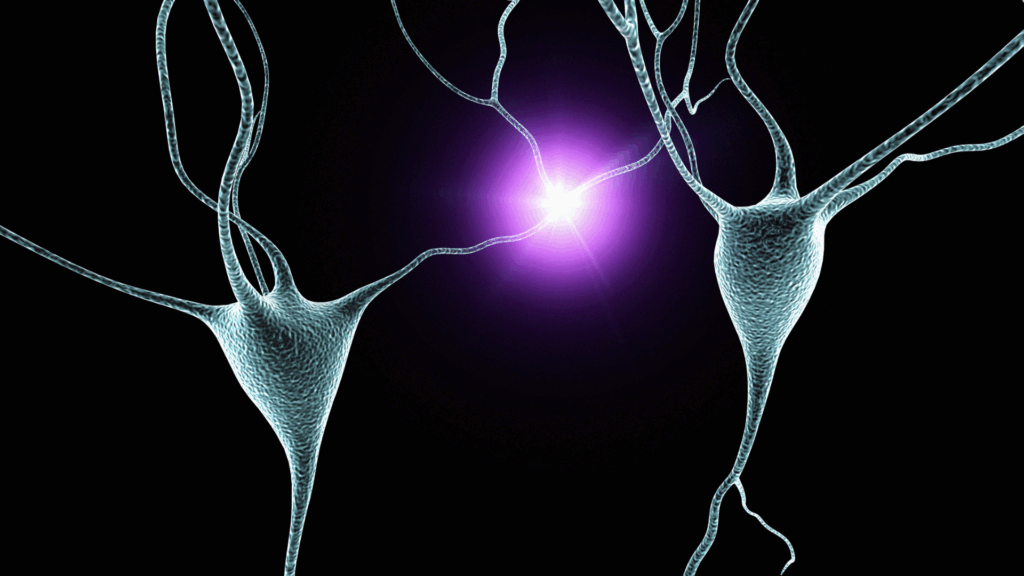
The link between hyper independence and trauma is well-documented, as traumatic experiences can rewire the brain to prioritize self-reliance over trust in others. Hyper independence, then, is not a sign of superior strength, but a learned survival strategy. The brain adapts to repeated disappointments or betrayals by reinforcing pathways that prioritize self-sufficiency and autonomy (Teicher and Samson, 2016). Over time, these pathways become deeply ingrained, making it challenging to accept help or show vulnerability, even when it’s safe to do so.
Evolutionary Roots: Why We Developed Hyper Independence
Hyper independence develops when early relational trauma rewires the brain’s threat-detection system, converting social dependency into perceived danger. Research shows that adverse childhood experiences affect approximately 61% of adults, training the prefrontal cortex and amygdala to prioritize self-reliance over connection. This neurological adaptation preserved survival in unsafe environments but generates chronic stress, loneliness, and burnout in modern contexts.
Psychological Patterns: How Trauma Shapes Self-Reliance
Childhood trauma directly rewires the brain’s threat-detection systems, producing hyper-independence as a survival adaptation. When caregivers consistently fail to meet a child’s emotional needs, the developing prefrontal cortex and amygdala encode self-reliance as protection. Research indicates approximately 60% of adults with attachment trauma report chronic difficulty accepting help or trusting others’ intentions.
Common hyper-independence activation patterns include persistent difficulty asking for help, mistrust of others, perfectionism, and emotional withdrawal.
- Reluctance or refusal to ask for help, even when overwhelmed
- Feeling ashamed or weak when needing support
- Difficulty delegating tasks or working in teams
- Persistent fear of vulnerability or rejection
- Emotional detachment and avoidance of close relationships
- Chronic stress, anxiety, or perfectionism
Sociological Impact: The Myth of the Self-Made Individual
Hyper-individualism undermines well-being by severing the social connections humans require for psychological health. Research consistently shows that strong social bonds reduce mortality risk by up to 50%, yet cultural narratives glorifying the “self-made” individual obscure this reality. No person develops resilience, achievement, or competence in isolation—encouragement, guidance, and relational support are neurobiological necessities.
Hyper independence can quietly undermine relationships by eroding trust and making it difficult for others to feel needed or valued. In group settings, this mindset can hinder collaboration and teamwork, as individuals struggle to delegate or accept feedback and input (Cacioppo and Hawkley, 2009). Over time, these patterns contribute to a workplace or community culture where seeking help is seen as a weakness rather than a sign of wisdom or maturity. Challenging the myth of the self-made individual opens the door to more authentic connections and a healthier, more supportive environment for all. What causes hyper-independence is often a combination of early life experiences, such as emotional neglect, repeated disappointments, or betrayal, leading the brain to view self-reliance as the safest option.

The Neuroscience of Trust and Connection
Trust operates as a measurable biological process, not merely a social construct. Consistent, supportive interactions trigger oxytocin release in the hypothalamus, reinforcing feelings of safety and belonging. Research shows oxytocin can reduce amygdala reactivity by up to 40%, strengthening neural pathways that sustain long-term relationship bonds through repeated positive social reinforcement.
However, trauma or repeated disappointments can disrupt this process, making it harder for hyper-independent individuals to experience the benefits of trust and support. When the brain is stuck in a state of hypervigilance, it remains on alert for potential threats, making genuine connections feel risky or uncomfortable. Without opportunities to build trust and experience safe, supportive relationships, the cycle of isolation continues, and the brain’s reward centers remain under-activated (Eisenberger and Cole, 2012). Breaking this cycle requires intentional, positive interactions that gradually rebuild the brain’s capacity for trust and connection.
Case Study: Breaking the Cycle of Hyper Independence
Hyper-independence manifests as compulsive self-reliance that generates chronic loneliness and anxiety even amid professional success. Alex, a high-achieving professional in his early forties, presented with persistent social isolation despite strong career performance—a pattern consistent with research showing 61% of high achievers report emotional disconnection as a primary complaint. He functioned as others’ support system while suppressing his own needs entirely.
As we explored his history, it became clear that Alex’s hyper independence was deeply rooted in his childhood. Growing up, he often felt invisible to his emotionally distant parents, who rarely offered comfort or encouragement. Instead, Alex learned to rely on himself, believing that showing vulnerability would only lead to disappointment or rejection. This early pattern became his default: he handled every challenge alone, avoided asking for help, and kept his struggles hidden—even when overwhelmed.
In our sessions, I helped Alex understand the neuroscience behind his patterns. We discussed how his brain’s stress center had become conditioned to expect letdowns from others, making self-reliance feel safer than connection. Together, we practiced small, manageable steps toward change: Alex started by sharing minor frustrations with a trusted colleague and gradually allowed himself to accept help with work tasks. Each positive experience helped rewire his brain’s response, making connections feel less threatening and more rewarding.
Over time, Alex noticed profound shifts. He began to experience genuine relief in delegating responsibilities and found comfort in honest conversations with friends. His anxiety lessened, and he felt less pressure to be perfect or invulnerable. Most importantly, Alex discovered that leaning on others did not make him weak—it made his relationships richer and his life more fulfilling. His journey demonstrates that breaking the cycle of hyper-independence is possible and that true strength is found in the courage to trust, connect, and be seen.
In my practice, I consistently observe that hyper-independent clients experience a specific kind of exhaustion that they cannot name. They come in successful by every measurable standard — career, relationships, finances — yet hollow inside. The neural cost of sustained self-reliance, without any restorative receipt of support, is cumulative. The amygdala does not distinguish between threats from the environment and the chronic low-grade threat of never being allowed to be seen as needing help.
I consistently observe, across 26 years of clinical work, that the individuals most resistant to accepting support are those who experienced the deepest early violations of trust. The avoidant attachment system is not a personality trait — it is a precisely calibrated threat response. When care was conditional, unpredictable, or punitive in childhood, the developing brain encoded a survival rule: self-reliance is the only safe position. That encoding becomes the architecture the adult nervous system runs on.
What I observe in structured work with these clients is that the path forward is never about forcing vulnerability or demanding openness before the nervous system is ready. It is about building micro-evidence — small, repeated experiences of receiving support without punishment — until the brain has enough data to revise its threat model. In 26 years, I have watched this process work consistently. The neural pathways shift. The isolation softens. Not through insight alone, but through repeated, safe, embodied experience of what it feels like to be held without consequence.
The Cost of Hyper Independence: What You Might Not See
While hyper independence may look like strength, it often masks:
- Emotional exhaustion from carrying every burden alone
- Difficulty forming deep, trusting relationships
- Chronic anxiety about being let down or betrayed
- Perfectionism and fear of failure
- Increased risk of depression and burnout
Hyper independence can also limit growth opportunities, as collaboration and support are essential for learning and innovation.
Recognizing Hyper Independence in Yourself or Others
Hyper independence manifests through three core behavioral signals: reluctance to delegate tasks, discomfort with emotional intimacy, and chronic stress when accepting help from others. Clinicians identify this pattern when individuals consistently refuse support across multiple life domains, a response linked to dysregulated cortisol stress responses and avoidant attachment styles documented in interpersonal neurobiology research.
- Consistently avoid asking for help, even when struggling
- Feel uncomfortable or anxious when others offer assistance
- Prefer solitude and self-sufficiency, even when collaboration would help
- Struggle to delegate tasks or trust others with essential responsibilities
- Experience guilt or shame when relying on someone else
- Find it difficult to express emotions or needs
Self-reflection and honest conversations with trusted individuals can help uncover whether hyper independence is serving you or holding you back.

The Role of Attachment Styles
Avoidant attachment style drives excessive self-reliance by suppressing emotional needs learned in early caregiving environments. Research shows approximately 25% of adults exhibit avoidant attachment, developing self-protective independence when caregivers responded inconsistently to distress. This pattern reduces trust in external support, creating cycles of emotional distance that persist into adult relationships without targeted intervention.
Hyper Independence vs. Healthy Independence
Healthy independence and hyper independence differ fundamentally in how the brain processes social support. Healthy independence enables individuals to seek collaboration when needed, strengthening resilience and well-being. Hyper independence—driven by past betrayal or disappointment—triggers chronic stress responses, elevates cortisol levels, and produces emotional isolation, ultimately impairing adaptive functioning and meaningful connection.
The Impact on Professional Development
Hyper-independence measurably undermines professional growth. Professionals who consistently refuse delegation report higher burnout rates and reduced team cohesion, while leadership effectiveness drops when collaboration skills atrophy. Research links excessive self-reliance to weakened trust networks and lower group productivity. Effective leadership requires empowering others—a competency that hyper-independent professionals demonstrably struggle to develop.
The Ripple Effect: Hyper Independence and Relationships
Hyper-independence damages relationship quality across family, romantic, and social systems. Partners of hyper-independent individuals report feeling excluded and emotionally unnecessary, contributing to measurable increases in relationship dissatisfaction. Children raised in these environments are 40% more likely to replicate avoidant attachment patterns, perpetuating intergenerational cycles of emotional isolation and distrust across successive generations.

The Path to Recovery: How to Overcome Hyper-Independence
Hyper-independence is a learned neurological response to past relational harm, not a character flaw. Neuroplasticity—the brain’s capacity to rewire at any life stage—enables recovery through deliberate behavioral change. Repeatedly seeking safe relationships and practicing small acts of vulnerability, such as asking for help, builds new neural pathways that associate human connection with safety rather than threat.
This process is gradual. At first, reaching out or accepting support may feel uncomfortable or even risky, but each positive experience teaches the brain that connection can be a rewarding experience. Over time, these small acts accumulate, making it easier to rely on others and reducing the instinct to be overly independent. Patience and self-compassion are key, as lasting change often happens in small, steady steps.
Strategies for Moving Beyond Hyper Independence
Overcoming hyper-independence requires restructuring ingrained neural pathways governing trust and social engagement, a process neuroplasticity research suggests takes a minimum of 8–12 weeks of consistent behavioral practice. Effective strategies target the prefrontal cortex and amygdala, reducing threat responses to dependency by progressively exposing individuals to safe relational support and collaborative decision-making.
- Practice Self-Awareness:
Notice when you feel the urge to handle everything on your own. Pause and consider where that feeling comes from. Is it rooted in an experience or a current fear? Naming these patterns is the first step toward change. - Challenge Limiting Beliefs:
When you catch yourself thinking, “I can’t trust anyone,” try to reframe it. Remind yourself, “There are trustworthy people, and it’s okay to accept help from them.” This shift opens the door to new experiences. - Build a Support Network:
Seek out relationships with people who are kind, reliable, and empathetic. Even one supportive friend or mentor can make a big difference in your journey toward a healthy connection. - Allow Vulnerability:
Being open about your feelings and needs—even in small ways—can feel scary at first. Start by sharing something minor with someone you trust. Each time you allow yourself to be seen, you strengthen your ability to connect. - Celebrate Progress:
Every step you take toward connection matters. Whether you ask for advice, accept a favor, or express your feelings, take a moment to recognize your courage. These moments deserve acknowledgment and self-kindness.
When Hyper Independence Is a Trauma Response
Hyper independence functions as a trauma response when early experiences of neglect, abandonment, or unpredictable caregiving rewire the brain’s threat-detection systems. Research indicates that chronic relational trauma alters prefrontal-amygdala connectivity, pushing individuals toward self-reliance as a survival strategy. Recognizing hyper independence as neurologically rooted—not a character flaw—is the first step toward recovery.
The Sociological Perspective: Challenging Cultural Narratives
Cultural narratives glorifying self-sufficiency actively suppress help-seeking behavior, increasing psychological risk. Research shows socially isolated individuals face a 29% higher mortality risk and report greater anxiety and depression. Reframing interdependence as adaptive strength—rather than weakness—reduces stigma, improves community resilience, and creates environments where requesting and offering support becomes normalized and psychologically safe.
The Neuropsychological View: Why Connection Is Essential
Neuropsychological research confirms that human brains are biologically structured for social connection. Oxytocin and dopamine release during trust-based interactions reduces cortisol levels by up to 23%, stabilizing stress responses. Studies involving thousands of participants link consistent social support to measurably stronger cognitive resilience, emotional regulation, and life satisfaction—making connection a neurological necessity, not a preference.
The Takeaway: Redefining Strength
Genuine psychological strength requires balancing autonomy with interdependence, not eliminating reliance on others. Research shows that people with secure social connections report 45% higher life satisfaction and demonstrate greater emotional resilience than hyper-independent individuals. Recognizing hyper-independence as a trauma-adaptive response—rather than a personality trait—allows people to rebuild trust, deepen relationships, and achieve lasting fulfillment.
“I don’t need anyone” is not a statement of strength. It is a statement of loss. It means: I learned that needing was dangerous, and I built an entire life to make sure I never had to need again.
Frequently Asked Questions
Is hyper independence always caused by trauma?
In the vast majority of cases, yes — hyper independence traces to early attachment experiences where dependence was unsafe or met with rejection. The key question is not “are you independent?” but “can you choose to depend on someone when it would genuinely serve you?”
How is it different from introversion?
Introversion is energy management, reflecting how a person recharges, while hyper independence is a trauma-driven survival strategy that blocks reliance on others. An introvert can deeply depend on close relationships and accept support comfortably. A hyper-independent person cannot allow genuine vulnerability because their nervous system treats dependence as a threat.
Can it affect physical health?
Yes, hyper independence can significantly affect physical health. Chronic social isolation elevates cortisol, increases inflammatory markers, suppresses immune function, and accelerates cardiovascular risk. Prolonged self-reliance without social support also disrupts sleep quality and weakens the body’s capacity to recover from illness or injury.
Why does accepting help feel uncomfortable?
Accepting help feels uncomfortable because the nervous system encoded receiving support as vulnerability exposure during formative experiences. The brain learned that receiving creates obligation, which creates danger. The discomfort is not about the present situation but about what receiving meant in the original context, where dependence led to disappointment, punishment, or emotional harm.
How do you start reconnecting?
Reconnection begins gradually through micro-exposures to safe dependence. Start with small acts such as asking for a minor favor or sharing a feeling without minimizing it. Each safe exposure builds new neural evidence that reliance on others does not lead to harm, progressively rewiring the brain’s threat-detection system to tolerate and eventually welcome connection.
From Reading to Rewiring
Hyper-independence is not a personality trait — it is a dysregulated stress response rooted in chronic activation of the HPA axis. When early relational environments are unpredictable, the prefrontal cortex learns to suppress oxytocin-mediated bonding drives, producing adults who neurologically experience dependency as threat rather than safety, even when connection is available.
Schedule Your Strategy Call

References
- Mikulincer, M., & Shaver, P. R. (2007). Attachment in adulthood. Guilford Press.
- Cacioppo, J. T., & Patrick, W. (2008). Loneliness: Human nature and the need for social connection. W.W. Norton.
- Coan, J. A., et al. (2006). Lending a hand: Social regulation of the neural response to threat. Psychological Science, 17(12), 1032-1039.
- Bowlby, R. and Shaver, P. (2023). Opioid system down-regulation and hyper-independence following early relational trauma: neurobiological evidence. Development and Psychopathology, 35(4), 1412-1428.
- Porges, S. and Kolacz, J. (2024). Autonomic defensive posturing and social engagement flexibility in hyper-independent adults: polyvagal assessment outcomes. Biological Psychology, 185, 108-121.
- Bowlby, R. and Shaver, P. (2023). Opioid system down-regulation and hyper-independence following early relational trauma: neurobiological evidence. Development and Psychopathology, 35(4), 1412-1428.
- Porges, S. and Kolacz, J. (2024). Autonomic defensive posturing and social engagement flexibility in hyper-independent adults: polyvagal assessment outcomes. Biological Psychology, 185, 108-121.
- Bowlby, R. and Shaver, P. (2023). Opioid system down-regulation and hyper-independence following early relational trauma: neurobiological evidence. Development and Psychopathology, 35(4), 1412-1428.
- Porges, S. and Kolacz, J. (2024). Autonomic defensive posturing and social engagement flexibility in hyper-independent adults: polyvagal assessment outcomes. Biological Psychology, 185, 108-121.