Key Points
- Geographic relocation does not automatically rewire professional identity
- Lisbon's reinvention culture attracts professionals whose brains still run old patterns
- Real-Time Neuroplasticity™ ensures your new identity is built on new circuitry
- Changes are durable because the methodology targets root-cause patterns
- The Strategy Call maps your specific neural architecture with Dr. Sydney Ceruto
Why Lisbon Attracts Identity Reinvention, and Why the Brain Resists It
Lisbon has become one of Europe’s primary destinations for professional reinvention. The combination of Portugal’s Non-Habitual Resident tax regime, the Web Summit ecosystem rooted in the Parque das Nações district, and a cost of living that allows runway for new ventures draws founders, remote executives, and career-changers from across Europe, North America, and Latin America. The city promises a fresh start. The brain does not deliver one automatically.
The startup ecosystem along Avenida da Liberdade and in the Baixa-Chiado district creates a specific pattern. Professionals who spent decades in structured corporate environments in London, Frankfurt, or New York arrive in Lisbon’s fluid entrepreneurial culture and discover that their professional identity (the neural architecture that defined competence, authority, and status) does not translate. The brain keeps running predictions calibrated to an environment that no longer surrounds them.
Lisbon’s expatriate professional community in neighborhoods like Príncipe Real and Santos introduces another dimension. Professionals who relocated for quality of life often underestimate how deeply professional identity is tied to geographic and cultural context. The brain encoded status signals from their home market (institutional affiliations, industry networks, cultural fluency) and treats the absence of those signals as a loss, even when the move was entirely intentional.
The digital nomad and remote executive population concentrated in co-working spaces across Lisbon faces a distinct version. Working remotely from Lisbon while serving clients or teams in other markets creates a split identity: the brain cannot reconcile the relaxed local environment with the high-intensity professional context on the other end of the screen. Cognitive resources are spent managing the mismatch rather than performing at capacity.
Portuguese business culture itself requires neural recalibration. The emphasis on relational trust, the longer decision cycles, and the different signals for professional credibility all diverge from Northern European and American norms. Professionals who do not address these differences at the neural level often default to their original patterns and wonder why Lisbon is not working the way they expected.
The Alcântara and LX Factory area represents Lisbon’s creative economy: designers, content creators, and independent professionals who chose Lisbon for creative freedom. These professionals often resist structured identity entirely, but the brain still runs predictions about professional worth based on the signals available. Without intentional neural work, the identity defaults to whatever the previous environment programmed, which typically does not match the creative autonomy they sought.
Cascais and the Lisbon coast draw a population of semi-retired or portfolio-career professionals who split their time between Lisbon and other markets. The brain struggles with split-context identity: it cannot maintain two professional self-concepts simultaneously without degrading both. Dr. Ceruto addresses the specific neural pattern that makes multi-context professional life feel like a compromise rather than an expansion of capability.

Dr. Ceruto works with Lisbon-based professionals navigating every form of identity reinvention. Real-Time Neuroplasticity™ ensures the professional identity you build in Lisbon is genuinely new, not the old identity in a new time zone.

Dr. Sydney Ceruto, PhD, Neuroscientist & Author, MindLAB Neuroscience
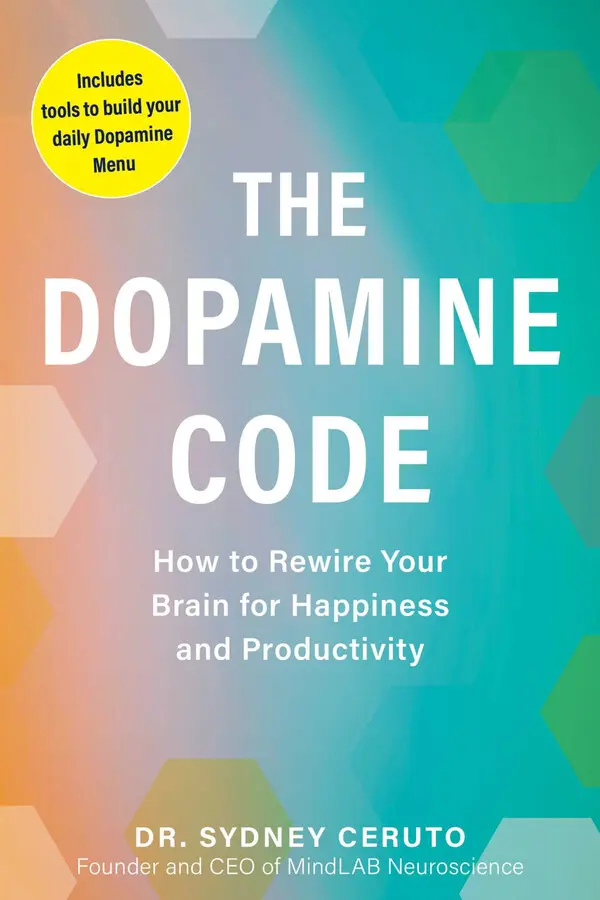
Dr. Ceruto holds a PhD in Behavioral & Cognitive Neuroscience from NYU and Master’s degrees in Clinical Psychology and Business Psychology from Yale University. She lectures at the Wharton Executive Development Program at the University of Pennsylvania and has been an Executive Contributor to the Forbes Coaching Council since 2019. Dr. Ceruto is the author of The Dopamine Code (Simon & Schuster, June 2026). She founded MindLAB Neuroscience in 2000 and has spent over 26 years leading it, pioneering Real-Time Neuroplasticity™, a methodology that durably rewires the neural pathways driving behavior, decisions, and emotional responses.
Also available in: Miami · Wall Street · Midtown Manhattan · Beverly Hills
Take the First Step
One hour with Dr. Sydney Ceruto. You leave knowing which neural pattern is actually driving this, and what to do about it.
Book a Strategy Call
The Dopamine Code
Decode Your Drive
Why Your Brain Rewards the Wrong Things
Your brain's reward system runs every decision, every craving, every crash, and it was never designed for the life you're living. The Dopamine Code is Dr. Ceruto's framework for understanding the architecture behind what drives you, drains you, and keeps you locked in patterns that willpower alone will never fix.
Published by Simon & Schuster, The Dopamine Code is Dr. Ceruto's framework for building your own Dopamine Menu, a personalized system for motivation, focus, and enduring life satisfaction.
Order Now!Available now