Personal Development Coaching
Unlike conventional personal development coaching, this program recalibrates your internal framework: the set of beliefs, habits, and thought patterns that shape how you interpret opportunity and constraint. High-performers often have outdated mental models inherited from earlier career stages. As your context changes (leadership scope expands, stakes rise, team complexity grows) the strategies that got you here can become invisible limiting factors.
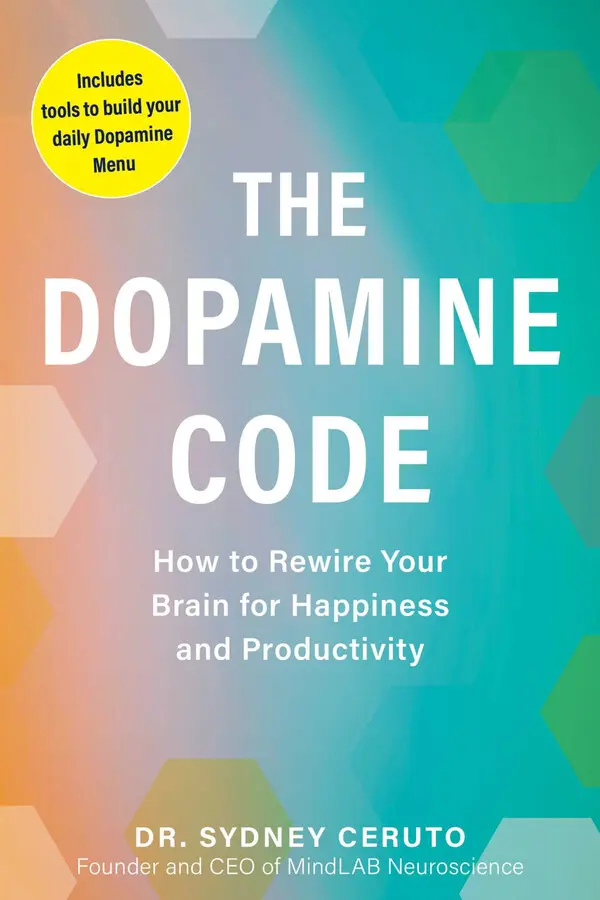
Real-time neuroplasticity targets the default mode network and anterior cingulate cortex, two regions that shape self-concept and identity. Research demonstrates that adult neuroplasticity remains trainable throughout life, meaning your sense of self isn’t fixed. Dr. Ceruto’s programs activate the neural substrates of flexible thinking so you can upgrade your internal operating system without losing the strengths that built it.