







Good Judgment, Until It Counts Most
“High-stakes moments tend to bring the most pressure, and pressure makes the brain more likely to hand control to an old, practiced response.”
If this page describes you, you are probably not a poor decision-maker. Day to day, your judgment is likely why you were hired. The trouble is concentrated in a few moments: the final negotiation, the committee vote, the client meeting where a relationship is won or lost.
In those moments, something changes. Some people rush to close and give away more than they meant to. Some lock up and miss the window. Some say yes to protect a relationship and spend the next year paying for it.
Because these are the moments with the most at stake, the cost is out of proportion to how often it happens. A single poor call in a deciding meeting can cost more than a year of sound ones earned.

Why Pressure Changes How You Decide
Under acute pressure, stress chemistry weakens the prefrontal cortex, the brain’s planning and self-control center. Control shifts toward responses the brain has practiced so often they run without deliberation.
That shift is useful in an emergency. In a boardroom it means the decision you make under the most pressure can be the one you have thought about least.
Higher stakes can also make performance worse. When more rides on a moment, the push to get it right can run too hot, and the gap between what you know and what you do in the room widens.
Building a Response That Holds in the Room
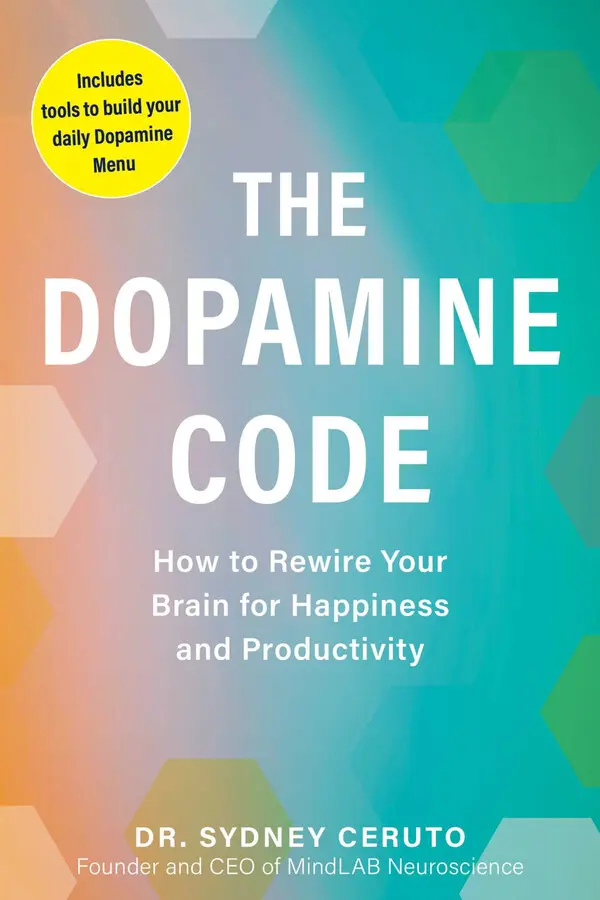
With Real-Time Neuroplasticity™, Dr. Ceruto works on a practiced response in the conditions that trigger it. She works with you around the actual high-stakes moments on your calendar: before the negotiation and soon after the vote.
The aim is for a different response to be available when the pressure peaks. A plan made the night before is easy to lose in the room. A response rehearsed close to live pressure has a better chance of holding.
The work begins by identifying which moments trigger the pattern and what it looks like in each. Dr. Ceruto and the client then agree on what a better response would be in the specific settings where it has cost the most.

How This Differs From Executive Coaching and Consulting
Executive coaching tends to focus on goals and accountability, and business consulting on strategy and analysis. Dr. Ceruto’s work sits apart from both. It is aimed at what your brain does with the strategy once the pressure arrives.
Who This Work Is For
Professionals who decide for themselves to invest in changing the pattern, and who can point to what it has already cost: a deal, a client, a promotion, their standing with a board or partners. It is a significant investment, and the Strategy Call is where you decide whether it is the right one.
If a closing, a vote or a client decision keeps slipping at the last moment, that is the conversation to bring to a Strategy Call. For a fuller picture of how Dr. Ceruto works on performance under pressure, see executive performance; for everything MindLAB offers locally, see the Midtown Manhattan page.