





Key Points
- Major life transitions trigger a neural reorganization period where the brain is exceptionally receptive to durable structural change.
- Without guided intervention, the brain defaults to threat-based wiring that prioritizes survival over growth.
- Real-Time Neuroplasticity™ works during the live consolidation window, not after patterns have already hardened.
- Identity, decision-making capacity, and emotional regulation all restructure simultaneously during major transitions.
- Dr. Ceruto’s methodology produces durable architectural change, eliminating the need for ongoing maintenance or coping strategies.
| Marker | Traditional Approach | Neuroscience-Based Approach | Why It Matters |
|---|---|---|---|
| Approach | Conventional Support | Self-Directed Adaptation | Real-Time Neuroplasticity™ |
| Timing | After patterns solidify | Reactive, unstructured | During the neural consolidation window |
| Target | Emotional coping | Surface-level habit changes | Neural pathway architecture |
| Duration of results | Requires ongoing maintenance | Inconsistent, often temporary | Durable structural rewiring |
| Identity integration | Narrative processing only | Trial and error | Guided neural identity reconstruction |
| Personalization | Protocol-based frameworks | Generic advice and books | Mapped to your specific neural patterns |
Why Transitions in Westchester County Carry Distinct Pressure
Westchester County’s communities (Scarsdale, Bronxville, Rye, Chappaqua, Larchmont) are built on stability. Property values, school districts, social networks, and professional reputations all reinforce an architecture of permanence. When a major life transition disrupts that architecture, the environment itself becomes a source of pressure rather than support.
A divorce in Scarsdale plays out across school pickup lines, country club memberships, and neighborhood dinner parties. A career exit in Chappaqua unfolds within a community where professional identity has been a primary social currency for decades. The brain cannot process these transitions in isolation because the community context keeps reinforcing the identity that is being dismantled.
White Plains serves as the county’s commercial center, housing corporate offices for companies including Danone North America and New York Power Authority. Professionals in these organizations face career transitions within a community that has watched their ascent and will witness any disruption. The social visibility is inescapable in a way that larger, more anonymous cities simply do not produce.
The Suburban Visibility Problem
Westchester’s median household income exceeds $100,000, and communities like Bronxville and Scarsdale rank among the wealthiest in the northeast. The social infrastructure is intimate: everyone knows everyone. This closeness, which provides tremendous support in stable times, becomes a neurological burden during transitions. The amygdala, the brain’s threat-detection center, registers social scrutiny as danger, and in small communities, the scrutiny is constant.
Parents navigating a custody restructuring run into the other family at every school event. Professionals who left a firm encounter former colleagues at the Westchester Country Club or on the train platform. The brain never gets a break from the contextual reminders of what changed, which prevents the neural system from completing its reorganization. The town pool, the youth sports fields, the local restaurants in Rye and Larchmont: every familiar setting now carries a different emotional charge that the brain must process.
How Dr. Ceruto Works With Westchester Transitions
Dr. Ceruto’s Real-Time Neuroplasticity™ methodology provides what tight-knit suburban communities cannot: a completely private space for the brain to reorganize. The work is conducted primarily by phone, carries absolute confidentiality, and operates on the neural architecture driving your experience, not just the emotions on the surface.
For Westchester residents, Dr. Ceruto recalibrates the threat responses that community visibility triggers. The prefrontal cortex regains its capacity for strategic thinking instead of diverting resources to social monitoring. The default mode network, the system governing self-narrative, builds a coherent identity that incorporates the transition rather than hiding from it.

The methodology is particularly effective for transitions that unfold over months within the same community environment: exactly the pattern that defines life changes in Westchester. From the waterfront estates along the Long Island Sound shore to the historic village centers of Bronxville and Hastings-on-Hudson, the work addresses transitions where personal upheaval and community identity are inseparable.

Dr. Sydney Ceruto, PhD, Neuroscientist & Author, MindLAB Neuroscience
Dr. Ceruto holds a PhD in Behavioral & Cognitive Neuroscience from NYU and Master’s degrees in Clinical Psychology and Business Psychology from Yale University. She lectures at the Wharton Executive Development Program at the University of Pennsylvania and has been an Executive Contributor to the Forbes Coaching Council since 2019. Dr. Ceruto is the author of The Dopamine Code (Simon & Schuster, June 2026). She founded MindLAB Neuroscience in 2000 and has spent over 26 years leading it, pioneering Real-Time Neuroplasticity™, a methodology that durably rewires the neural pathways driving behavior, decisions, and emotional responses.
Frequently Asked Questions About Life Transition Navigation
What qualifies as a major life transition?
Any event that fundamentally disrupts your established patterns, identity, or sense of direction. Divorce, career changes, family restructuring, empty nest, loss of a spouse or parent, health events, or relocation. The defining feature is that the brain’s existing wiring no longer matches current reality.
Why do transitions feel so much harder in a close-knit community like Westchester?
Because the brain cannot separate the transition from the community context. Every social interaction (school events, neighborhood gatherings, chance encounters at the grocery store) triggers neural reminders of the change. The brain’s threat-detection system stays activated because it reads social awareness as potential judgment. This prevents the neural system from completing its reorganization.
How does Real-Time Neuroplasticity™ address life transitions?
Dr. Ceruto identifies the specific neural patterns consolidating during your transition and intervenes while they are still forming. The methodology works in the live window when the brain is most receptive to durable structural change, ensuring new wiring supports forward movement rather than threat-based defaults.
What does the Strategy Call involve?
A focused phone conversation with Dr. Ceruto. She maps the specific neural mechanisms driving your current experience and determines whether her methodology is the right fit. The call uses a phone-only format, a deliberate preference that keeps the focus on the conversation rather than the camera.
Is this completely confidential?
Yes. No client information is ever disclosed under any circumstances. In communities as interconnected as Westchester’s, confidentiality is not just a policy: it is a structural requirement. The phone-based format means no office visits, no parking lot sightings, no waiting room encounters.
How long does the process take?
Duration depends on the transition’s scope. Single-domain changes often produce measurable shifts within weeks. Complex transitions involving family, career, and community dynamics simultaneously may require longer engagement. Program structure and investment details are discussed during the Strategy Call.
Can this help with a divorce that is still ongoing?
Yes. The brain does not wait for legal proceedings to conclude before forming new patterns. Dr. Ceruto’s methodology intervenes during the process, ensuring the neural architecture that forms during the upheaval serves long-term functioning. Working during the transition is more effective than waiting until after it resolves.
Is this relevant for empty nest transitions?
Absolutely. The brain builds years of identity architecture around the parenting role. When children leave, that architecture loses its primary function. The result is not just sadness: it is a neurological identity gap that conventional advice about finding new hobbies does not address. Dr. Ceruto works at the level where identity actually lives: the neural pathways.
How is this different from conventional support?
Conventional approaches focus on emotional processing after patterns have formed. Dr. Ceruto’s methodology works during the consolidation window at the level of neural architecture. The result is durable structural change, not strategies that require ongoing repetition.
Do I need to travel anywhere for this?
No. Sessions are conducted primarily by phone. MindLAB Neuroscience serves clients globally. The Westchester context on this page reflects the specific community dynamics that shape transitions in this area, but the methodology works regardless of location.
Also available in: Miami · Wall Street · Midtown Manhattan · Beverly Hills · Lisbon
Take the First Step
One hour with Dr. Sydney Ceruto. You leave knowing which neural pattern is actually driving this, and what to do about it.
Book a Strategy Call
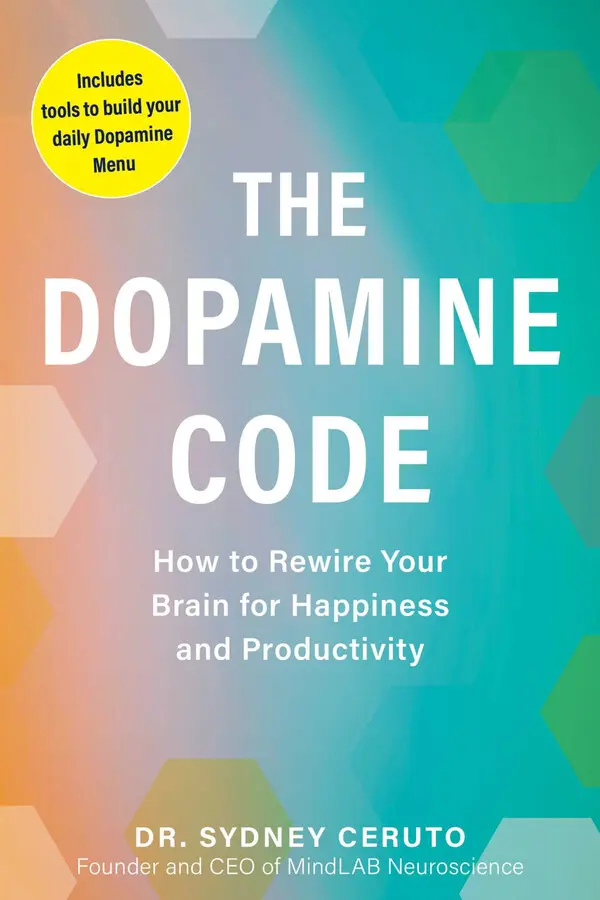
The Dopamine Code
Decode Your Drive
Why Your Brain Rewards the Wrong Things
Your brain's reward system runs every decision, every craving, every crash, and it was never designed for the life you're living. The Dopamine Code is Dr. Ceruto's framework for understanding the architecture behind what drives you, drains you, and keeps you locked in patterns that willpower alone will never fix.
Published by Simon & Schuster, The Dopamine Code is Dr. Ceruto's framework for building your own Dopamine Menu, a personalized system for motivation, focus, and enduring life satisfaction.
Order Now!Available now