Circadian Rhythm Optimization in Midtown Manhattan

The body's internal clock governs far more than sleep timing. When it drifts out of alignment, cognition, mood, metabolism, and long-term brain health all degrade.

The body’s internal clock governs far more than sleep timing. When it drifts out of alignment, cognition, mood, metabolism, and long-term brain health all degrade.

Book a Strategy Call

How Your Body’s Internal Clock Works

Every cell in the human body runs on a clock. The master pacemaker — the suprachiasmatic nucleus — is a paired structure of approximately 20,000 neurons in the anterior hypothalamus that generates endogenous rhythms of approximately 24 hours. These rhythms persist even in the complete absence of environmental cues. This master clock receives light input directly from the retina through specialized melanopsin-containing retinal ganglion cells and uses that input to synchronize the entire body to the external day-night cycle. Every organ, every metabolic pathway, every neurotransmitter — a chemical messenger between brain cells — system is downstream of this central timing signal.

When Your Internal Clock Goes Wrong

When this system falls out of alignment the brain’s performance degrades in measurable, dose-dependent ways. Approximately 60% of all cognitive performance parameters show significant circadian phase-dependence in controlled research. Sustained attention, information processing speed, working memory, and executive function all fluctuate with circadian phase. The prefrontal cortex — the region most critical for judgment and decision-making — shows peak activation at a circadian phase that varies by individual chronotype. Forcing cognitive work during the biological trough produces not just lower performance but a dangerous metacognitive blindspot: individuals feel sleepier during circadian misalignment but fail to rate their own performance as worse.

The Hidden Health Cost

Social jetlag affects up to 87% of the working population. Each additional hour of social jetlag is associated with significantly elevated metabolic markers: higher BMI, increased waist circumference, elevated fasting insulin, and higher triglycerides, independent of sleep duration, diet, or physical activity. The mechanism operates through desynchronized peripheral clocks — metabolic oscillators throughout the body. When these peripheral clocks decouple from the master clock, insulin sensitivity drops, glucose tolerance degrades, and the same meal consumed at the wrong circadian phase generates a substantially larger glycemic and insulinemic response.
Emotional and Mood Effects

The emotional cost is equally measurable. The molecular clock directly regulates neurotransmitter systems through the suprachiasmatic nucleus. Circadian misalignment disrupts these rhythms, contributing to mood instability, anhedonia — reduced pleasure capacity — and elevated anxiety. Night shift workers show approximately 40% higher risk of depression compared to day workers.

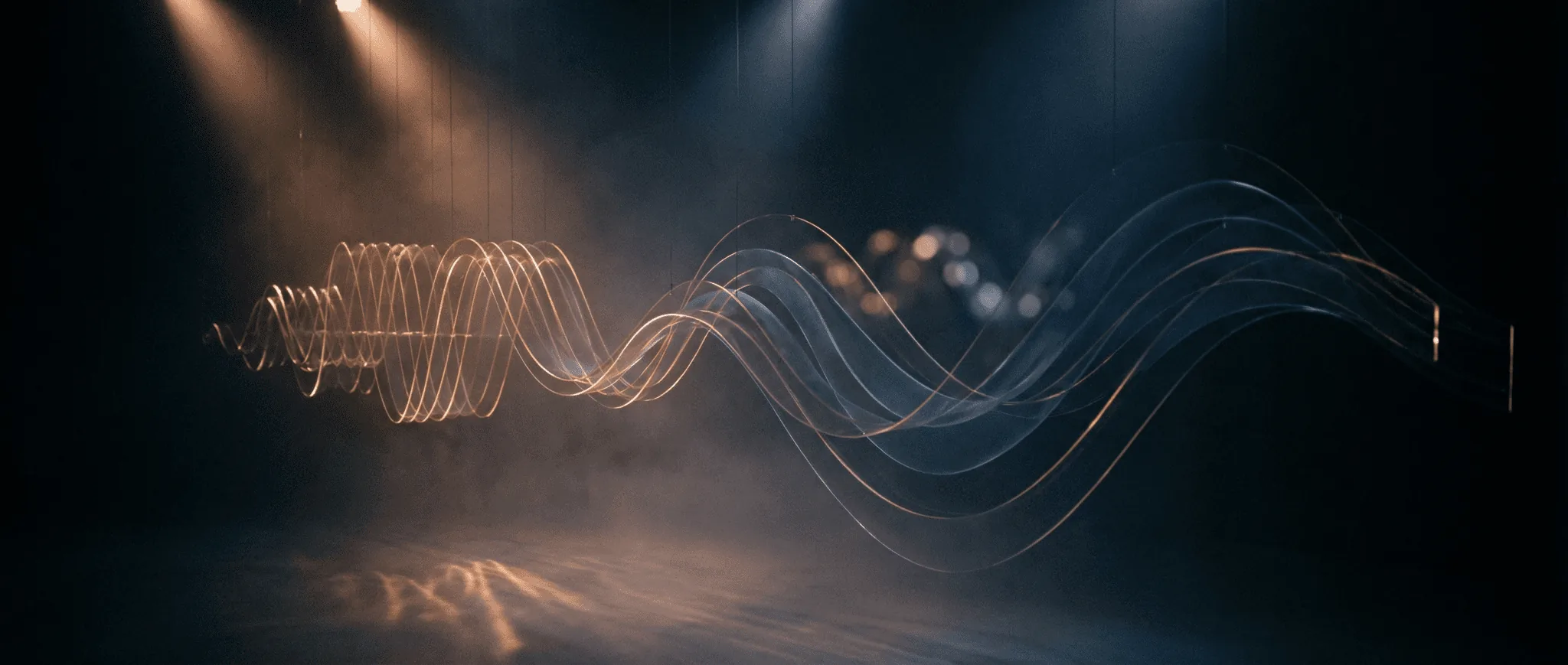
Translucent copper and blue wave forms visualizing sleep cycle phases against deep navy background

Long-Term Brain Health Risks

The long-term neurological implications are increasingly clear. The glymphatic system — the brain’s waste-clearance network — operates primarily during deep sleep and is gated by circadian timing. Sleep drives a 60% increase in brain interstitial space, enabling dramatic acceleration of beta-amyloid and tau clearance compared to wakefulness. Circadian disruption fragments the deep sleep stages most strongly associated with this clearance process. Fragmented daily rest-activity rhythms in cognitively intact older adults predict earlier cognitive decline and incident Alzheimer’s disease.

How We Reset Your Internal Clock

Dr. Ceruto’s circadian optimization methodology works with the hierarchy of environmental signals — zeitgebers — that the clock system uses to maintain alignment. Light is the most powerful, acting directly on the master pacemaker. Meal timing is the dominant signal for metabolic peripheral clocks. Exercise, social cues, and temperature each contribute additional synchronizing inputs. The methodology identifies the individual’s current circadian phase through chronotype assessment. It maps the specific points of misalignment between the biological clock and the imposed schedule, and designs a protocol that leverages strategically timed light exposure, meal timing, and activity patterns to realign the system. For individuals with chronotype-schedule mismatch, schedule restructuring to align cognitively demanding work with peak neural excitability windows reduces the physiological friction that drives both daytime impairment and nighttime sleep disruption.

Why Circadian Rhythm Optimization Matters in Midtown Manhattan

Midtown Manhattan presents one of the most circadian (relating to the body’s 24-hour biological clock)-hostile environments on earth. The district operates under conditions that systematically undermine every mechanism the body uses to maintain a stable 24-hour clock.

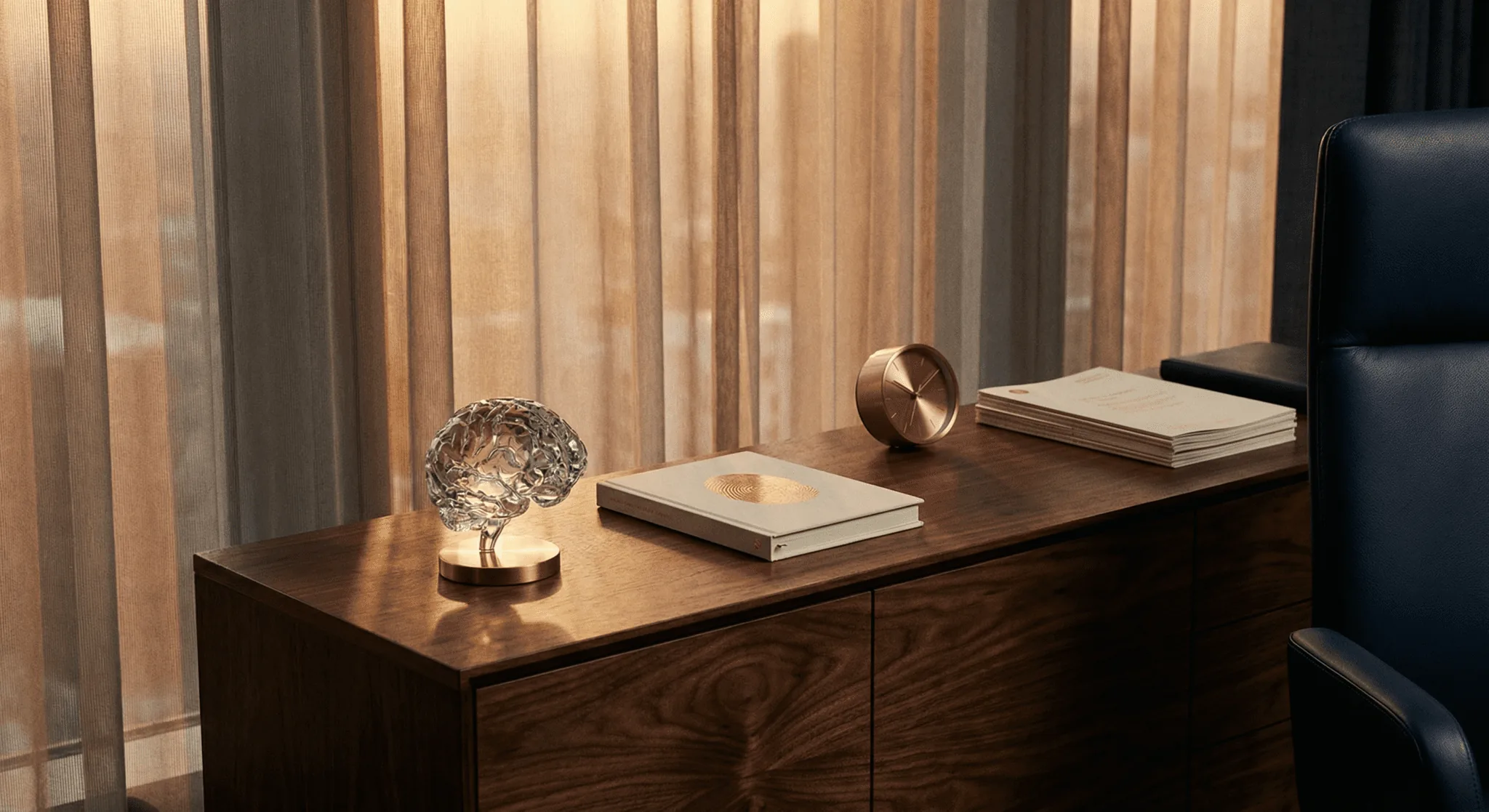
Walnut credenza with crystal brain sculpture and MindLAB journal in diffused dusk light suggesting high-floor Midtown Manhattan private office

The light environment is the most direct disruptor. Times Square and the surrounding blocks generate artificial light at levels that suppress melatonin production well past 10:00 PM — when circadian systems transition toward sleep. The American Medical Association estimates that white LED lamps have five times greater impact on circadian sleep rhythms than conventional street lamps. For residents of Hell’s Kitchen, the Theater District, and Midtown West, this is not a theoretical concern. It is the ambient environment outside their windows every night. A landmark study of 333,365 participants found that the highest quintile of outdoor artificial light at night was associated with a 25% increase in the likelihood of short sleep in men. It was associated with a 16% increase in women, compared to the lowest quintile.

Cross-timezone travel compounds the disruption for a significant segment of Midtown’s professional population. Management consultants traveling Monday through Thursday from offices at McKinsey, Deloitte, and BCG experience weekly circadian disruption that closely resembles shift work in its physiological impact. Wearable data from 1.5 million travel nights demonstrates that while sleep duration recovers within two days of return, sleep timing remains misaligned for up to fifteen days. Sleep architecture, including REM and deep sleep stages, remains below baseline for up to a week after long eastward flights. For consultants whose travel rhythm never allows full recovery, the circadian system never fully anchors.

The commuter population faces its own circadian pressure. More than 750,000 people pass through Grand Central Terminal daily. A commuter catching a 6:30 AM Metro-North train from Westchester or Connecticut must wake before 5:30 AM — a time that falls before the end of the natural sleep window for most adult chronotypes. This forced early truncation creates chronic social jetlag at a population scale, with the metabolic and cognitive consequences accumulating invisibly over years.

Midtown’s client entertainment culture introduces a third layer of disruption. Late dinners at corporate expense-account restaurants, Broadway shows ending after 10:30 PM, and post-theater drinks push sleep onset well past midnight for professionals who must be in the office by 8:00 AM. The alcohol consumed during these obligations suppresses REM sleep in the second half of the night and disrupts the circadian temperature rhythm that gates sleep architecture. The result is not occasional late nights but a structural pattern of circadian misalignment built into the professional obligations of Midtown’s relationship-based industries.

Dr. Sydney Ceruto, PhD — Founder, MindLAB Neuroscience

Dr. Sydney Ceruto, PhD — Founder & CEO, MindLAB Neuroscience

Dr. Ceruto holds a PhD in Behavioral & Cognitive Neuroscience from NYU and two Master’s degrees from Yale University. She lectures at the Wharton Executive Development Program at the University of Pennsylvania and has been an Executive Contributor to the Forbes Coaching Council since 2019. Dr. Ceruto is the author of The Dopamine Code (Simon & Schuster, June 2026). She founded MindLAB Neuroscience in 2000 and has spent over 26 years pioneering Real-Time Neuroplasticity™ — a methodology that permanently rewires the neural pathways driving behavior, decisions, and emotional responses.

References

Musiek, E. S., & Holtzman, D. M. (2016). Mechanisms linking circadian clocks, sleep, and neurodegeneration. Science, 354(6315), 1004–1008. https://doi.org/10.1126/science.aah4968

Chellappa, S. L., Morris, C. J., & Scheer, F. A. J. L. (2018). Daily circadian misalignment impairs human cognitive performance task-dependently. Scientific Reports, 8(1), 3041. https://doi.org/10.1038/s41598-018-20707-4

Wong, P. M., Hasler, B. P., Kamarck, T. W., Muldoon, M. F., & Manuck, S. B. (2015). Social jetlag, chronotype, and cardiometabolic risk. The Journal of Clinical Endocrinology & Metabolism, 100(12), 4612–4620. https://doi.org/10.1210/jc.2015-2923

Xie, L., Kang, H., Xu, Q., Chen, M. J., Liao, Y., Thiyagarajan, M., O’Donnell, J., Christensen, D. J., Nicholson, C., Iliff, J. J., Takano, T., Deane, R., & Nedergaard, M. (2013). Sleep drives metabolite clearance from the adult brain. Science, 342(6156), 373–377. https://doi.org/10.1126/science.1241224

Success Stories

“My body had simply stopped knowing when to sleep. Crossing time zones weekly for over two years had broken something fundamental, and every protocol, supplement, and device I tried couldn't hold longer than a few days. Dr. Ceruto identified the disruption at the level of my suprachiasmatic nucleus and recalibrated the signaling pattern driving the dysfunction. Within weeks, my circadian rhythm locked back in. I sleep now. Consistently. Regardless of where I land.”

Jonathan K., VP of Global Operations Maersk

“My kids had been sleeping through the night for three years, but my brain hadn't caught up. I was still waking every ninety minutes like clockwork — no amount of sleep hygiene or supplements touched it. Dr. Ceruto identified the hypervigilance loop that had hardwired itself during those early years and dismantled it at the source. My brain finally learned the threat was over. I sleep through the night now without effort.”

Catherine L., General Counsel Private Equity Greenwich, CT

“Four hours a night for over two years — that was my ceiling. Supplements, sleep protocols, medication — nothing touched it because nothing addressed why my brain wouldn't shut down. Dr. Ceruto identified the cortisol loop that was keeping my nervous system locked in a hypervigilant state and dismantled it. I sleep now. Not because I learned tricks — because the pattern driving the insomnia no longer exists.”

Adrian M., Portfolio Manager Citadel New York, NY

“Endocrinologists, sleep clinics, functional medicine — every specialist cleared me, and no one could tell me why I was exhausted every single day. Dr. Ceruto identified that my HPA axis was locked in a low-grade stress activation I couldn't feel consciously. Once that pattern was disrupted at the neurological level, my energy came back in a way that felt completely foreign. I'd forgotten what it was like to not be tired.”

Danielle K., Chief Marketing Officer Luxury Retail Beverly Hills, CA

“Willpower, accountability systems, cutting up cards — none of it worked because none of it addressed what was actually driving the behavior. Dr. Ceruto identified the reward prediction error that had been running my purchasing decisions for over a decade. Once the loop was visible, it lost its power. The compulsion didn't fade — it stopped.”

Priya N., VP of Engineering Fintech New York, NY

“Three months. That’s how long it took to go from debilitating panic to leading with clarity. Years of conventional approaches hadn’t moved the needle — Dr. Ceruto identified the root neural pattern and eliminated it. She didn’t teach me to manage the panic. She made it unnecessary. I didn’t know that was possible.”

Ella E., Partner Hedge Fund Manhattan, NY

Frequently Asked Questions About Circadian Rhythm Optimization in Midtown Manhattan

What is circadian rhythm optimization?

Circadian rhythm optimization (relating to the body's 24-hour biological clock) is the process of realigning the body's internal 24-hour clock system with the demands of the individual's actual life. Dr. Ceruto's approach identifies where the biological clock has drifted out of sync — light exposure, schedule mismatches, meal timing, travel —. She then uses the hierarchy of environmental signals that the clock responds to in order to restore alignment.

How does circadian misalignment affect the brain beyond sleep?

The circadian (relating to the body's 24-hour biological clock) system regulates far more than sleep timing. Approximately 60% of all cognitive performance parameters show significant circadian phase-dependence. Mood regulation, metabolic function, hormone rhythms, and the brain's overnight waste-clearance processes are all governed by circadian timing. When the clock is misaligned, cognitive performance degrades and emotional regulation — the ability to manage emotional responses — weakens. Metabolic markers shift toward dysfunction, and the glymphatic system's ability to clear neurotoxic waste during sleep is impaired.

Who benefits from circadian optimization?

Anyone whose schedule creates chronic mismatch with their biological clock. This includes people managing frequent travel across time zones, individuals whose work obligations push them into late nights followed by early mornings, and people whose natural sleep-wake timing conflicts with professional demands. It also includes anyone experiencing the constellation of fatigue, mood instability, and metabolic changes that accompany persistent circadian disruption (relating to the body's 24-hour biological clock).

What does the process involve?

The engagement begins with a Strategy Call — a phone-based conversation with Dr. Ceruto to assess the circadian pattern (relating to the body's 24-hour biological clock) and identify the primary misalignment drivers. This initial assessment determines the appropriate intervention methodology. The $250 Strategy Call fee applies to this initial assessment. From there, a structured program is designed around the individual's specific chronotype, schedule constraints, and circadian disruption profile. Program structure and investment details are discussed during the Strategy Call.

How quickly can circadian alignment improve?

The master clock can begin shifting within days when the right zeitgeber signals are applied at the right times. Strategic morning light exposure combined with appropriate evening light avoidance can produce measurable phase advances of nearly two hours over three days. Full alignment — resynchronization of clocks and sleep stabilization — typically develops over weeks of consistent protocol adherence. The timeline depends on the depth and duration of the misalignment.

Take the First Step Toward Circadian Rhythm Optimization

The Strategy Call is a focused conversation with Dr. Ceruto that maps the specific neural mechanisms driving your concerns and determines the right path forward.

Book a Strategy Call
MindLAB Neuroscience consultation room
Locations

The Intelligence Brief

Neuroscience-backed analysis on how your brain drives what you feel, what you choose, and what you can’t seem to change — direct from Dr. Ceruto.