Key Points
- Greenwich's culture rewards precision and emotional control, building neural architecture that produces managed relationships lacking the vulnerability required for genuine intimacy.
- Social performance and emotional intimacy operate on separate neural systems. Relationships that appear stable publicly can carry significant private disconnection.
- Control and connection require opposing neural states. The circuits producing composure actively suppress the vulnerability that deep emotional engagement demands.
- Children build relational architecture by observing parental patterns. Controlled, measured engagement modeled in the household replicates across generations.
- Real-Time Neuroplasticity™ builds new circuitry for emotional depth alongside existing capacity for control, expanding relational range without sacrificing precision.
| Marker | Traditional Approach | Neuroscience-Based Approach | Why It Matters |
|---|---|---|---|
| Primary Focus | Relationship Pattern Analysis | Talk-Based Counseling | Communication Coaching |
| Target | Neural circuits producing relational patterns | Conscious narrative and emotions | Verbal and behavioral habits |
| Methodology | Real-Time Neuroplasticity™ | Guided conversation | Scripts and practice techniques |
| Durability of Change | Durable neural rewiring | Requires ongoing sessions | Fades without reinforcement |
| Depth of Change | Architectural, beneath conscious control | Insight-dependent | Surface behavioral adjustment |
| Speed of Results | Shifts within weeks | Months to years | Immediate but temporary |
Why Relationship Pattern Analysis Matters in Greenwich, CT
How Greenwich’s Culture of Control Shapes Relationship Architecture
Greenwich cultivates a specific relational environment that shapes every connection formed within it. In backcountry estates, along the waterfront in Old Greenwich, and through the social networks of Riverside and Cos Cob, life operates with a precision that extends far beyond financial planning and property management. Relationships here are often characterized by a composure that looks like stability from the outside but feels like distance from within. The neural circuits reinforced by environments that reward control, discretion, and measured presentation do not produce the vulnerability that deep connection requires. They produce relationships that function reliably but lack the emotional depth that both partners privately wish they could access.
The hedge fund and private equity presence along Greenwich Avenue and in the offices near the train station creates a community where strategic thinking infiltrates every relational domain. A person who spends their professional life managing risk and controlling outcomes builds neural architecture that applies the same logic to intimate relationships. Emotional openness becomes a variable to manage rather than a state to inhabit. Conflict becomes something to resolve efficiently rather than sit with productively. The partner experiences precision where they need presence. They experience solutions where they need someone to simply listen. The controlling partner often has no awareness that their relational engagement is being processed through professional circuitry because the distinction between the two modes has collapsed over years of reinforcement.
For families in Belle Haven, Conyers Farm, or the mid-country neighborhoods, the expectation of maintaining appearances adds another architectural layer that compounds the control dynamic. Children in Greenwich grow up observing relationships that function beautifully in public while carrying private disconnection. That observation builds neural circuitry during the most formative developmental period. A generation later, the same pattern repeats with startling precision: perfectly managed relationships that look enviable from the outside while lacking the emotional architecture for genuine intimacy between the two people inside them. The child who watched their parents navigate social events flawlessly while barely speaking at home builds architecture that replicates exactly that split.
The social ecosystem of Greenwich reinforces these dynamics through continuous exposure. Events at the yacht club, school benefits, and neighborhood gatherings all operate on the same relational circuitry: composed, appropriate, and emotionally regulated to a degree that prevents genuine connection. The brain receives consistent reinforcement for controlled engagement and zero reinforcement for vulnerability. Over time, the circuits for emotional openness weaken from disuse while the architecture for measured social performance strengthens. The person who wants to connect more deeply with their spouse discovers that the neural circuitry required for that connection has been architecturally deprioritized by an environment that never asked for it.
Dr. Sydney Ceruto’s Real-Time Neuroplasticity™ identifies the specific circuits sustaining these dynamics and rewires them at the architectural level. The process does not ask you to abandon the precision that serves you professionally and socially. It builds neural architecture for emotional depth that operates alongside your existing capacity for control, rather than in conflict with it. The result is a broader relational range: the same person who navigates Greenwich’s social landscape with composure also carries the circuitry for genuine emotional intimacy when the context calls for it.


Dr. Sydney Ceruto, PhD, Neuroscientist & Author, MindLAB Neuroscience
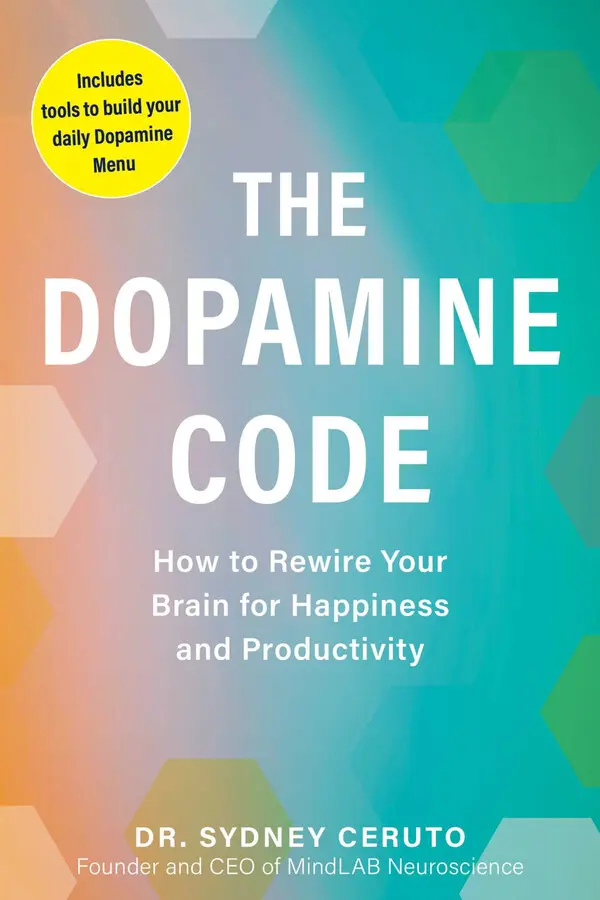
Dr. Ceruto holds a PhD in Behavioral & Cognitive Neuroscience from NYU and Master’s degrees in Clinical Psychology and Business Psychology from Yale University. She lectures at the Wharton Executive Development Program at the University of Pennsylvania and has been an Executive Contributor to the Forbes Coaching Council since 2019. Dr. Ceruto is the author of The Dopamine Code (Simon & Schuster, June 2026). She founded MindLAB Neuroscience in 2000 and has spent over 26 years leading it, pioneering Real-Time Neuroplasticity™, a methodology that durably rewires the neural pathways driving behavior, decisions, and emotional responses.
Frequently Asked Questions About Relationship Pattern Analysis
What is Relationship Pattern Analysis?
It maps the recurring neural circuits that produce repetitive relational dynamics across different people and contexts. The process targets the underlying architecture for durable rewiring rather than managing symptoms through ongoing conversation.
How does Greenwich's environment affect relationship patterns?
Greenwich rewards precision, discretion, and emotional control across both professional and social life. The neural circuits strengthened by these demands migrate into intimate relationships, producing dynamics that prioritize management over genuine emotional engagement.
My relationships look fine to everyone around us. Is there really a problem?
The neural architecture for social performance and the architecture for emotional intimacy are separate systems. Many people in Greenwich maintain relationships that function well publicly while experiencing significant disconnection privately. External appearance is not a measure of relational health.
What happens during the Strategy Call?
The Strategy Call is a focused phone conversation with Dr. Ceruto. She maps the specific neural mechanisms behind your relationship patterns and determines whether this approach fits your situation. It is a working session, not promotional.
Will this change how I operate professionally?
No. The process builds new neural architecture for emotional engagement without dismantling the circuits that drive professional precision. The goal is expanded capacity, adding relational depth alongside existing strengths.
Can children inherit relational patterns from their parents?
Children build their relational architecture by observing and internalizing the patterns modeled in their household. In Greenwich's environment, where controlled, measured engagement is the norm, children often develop the same neural circuitry for managing rather than experiencing relationships.
How is this different from the approaches available on Greenwich Avenue?
Relationship Pattern Analysis is not a wellness practice. It is a neuroscience-based process that identifies and durably rewires specific neural circuits. There are no mindfulness components, journaling exercises, or communication scripts. The work targets architecture, not awareness.
How long does the process take?
Most people experience shifts in automatic relational responses within the first several weeks. The depth of architectural rewiring varies, but Real-Time Neuroplasticity™ produces faster results than approaches relying on insight or behavioral practice alone.
My spouse says I am emotionally controlled, not connected. What does that mean neurologically?
It means your brain developed architecture that regulates emotional access tightly. Control and connection require opposing neural states. The circuits that produce composure and measured responses actively suppress the vulnerability that emotional connection demands.
What are Dr. Ceruto's qualifications?
Dr. Ceruto holds a PhD in Behavioral and Cognitive Neuroscience from NYU, two Master's degrees from Yale, and lectures at Wharton's Executive Development Program. She has over 26 years of experience pioneering Real-Time Neuroplasticity™.
Also available in: Miami · Wall Street · Midtown Manhattan · Beverly Hills · Lisbon
Take the First Step
One hour with Dr. Sydney Ceruto. You leave knowing which neural pattern is actually driving this, and what to do about it.
Book a Strategy Call
The Dopamine Code
Decode Your Drive
Why Your Brain Rewards the Wrong Things
Your brain's reward system runs every decision, every craving, every crash, and it was never designed for the life you're living. The Dopamine Code is Dr. Ceruto's framework for understanding the architecture behind what drives you, drains you, and keeps you locked in patterns that willpower alone will never fix.
Published by Simon & Schuster, The Dopamine Code is Dr. Ceruto's framework for building your own Dopamine Menu, a personalized system for motivation, focus, and enduring life satisfaction.
Order Now!Available now