






How Miami’s Environment Amplifies Fear and Avoidance Patterns
Miami operates at a pace that punishes hesitation. From Brickell’s financial district to the entrepreneurial energy of Wynwood and the Design District, the city rewards boldness. When your brain has learned to default to avoidance, every networking event, every investor pitch, every social gathering becomes a quiet battle between what you want and what your fear will allow.
The pressure is compounded by Miami’s rapid growth. Since 2020, the city has absorbed a wave of finance professionals relocating from New York, tech founders moving operations from San Francisco, and private equity firms establishing Southeast headquarters in Brickell and Coral Gables. The result is an environment where the professional stakes feel higher every year and where avoidance carries a visible cost.
Why Avoidance Becomes Self-Reinforcing in High-Momentum Cities
Fear-driven avoidance follows a specific neural pattern. The amygdala, the brain’s threat-detection center, flags a situation as dangerous. You avoid it. The relief you feel teaches your brain that avoidance was the correct response. Each cycle strengthens the association. Over time, the situations you avoid expand far beyond the original trigger.
In Miami, this pattern has particular consequences. The city’s social and professional life is deeply interconnected. Avoiding a speaking engagement at a Coconut Grove conference leads to missing introductions that would have opened doors in South Beach or Doral. The network effects compound. One avoided conversation can cascade into months of stalled momentum.
Dr. Ceruto’s Approach to Fear and Avoidance in Miami
Dr. Ceruto works with clients across Miami’s diverse professional landscape, from founders in the Wynwood startup scene to executives in the Brickell financial hub. Her methodology does not rely on gradual exposure or repeated confrontation. Real-Time Neuroplasticity™ targets the neural patterns that generate the fear response itself. When the pattern changes, the avoidance loses its grip.
Clients consistently describe the shift as structural, not motivational. The situations that once triggered anxiety simply stop activating the old response. A pitch meeting in Coral Gables feels like a conversation, not a threat. A networking event in Edgewater becomes an opportunity, not an ordeal.
Miami’s culture of reinvention makes it an ideal environment for this work. The city attracts people who are building something, and fear is the single most common obstacle between a strong vision and its execution.

Recognizing Avoidance in Your Own Life
Most people who carry avoidance patterns do not describe themselves as fearful. They describe themselves as cautious, strategic, or selective. The pattern is so well integrated into daily decisions that it feels like preference rather than constraint. You choose not to attend the event in Brickell. You decide the speaking opportunity in Coconut Grove is not worth the time. You postpone the difficult conversation with a partner because the timing never feels right.
Each of these decisions makes sense in isolation. Together, they form a pattern that progressively narrows the scope of your life. The brain optimizes for safety, not for growth. Without structural intervention, the pattern only moves in one direction: toward more avoidance, not less.
Dr. Ceruto’s initial mapping process reveals the full scope of the pattern. Many clients in Miami are surprised to discover how far the avoidance extends beyond the situations they consciously recognize as fear-driven. The Strategy Call begins this process and provides the first clear picture of what the pattern looks like from the outside.

Dr. Sydney Ceruto, PhD, Neuroscientist & Author, MindLAB Neuroscience
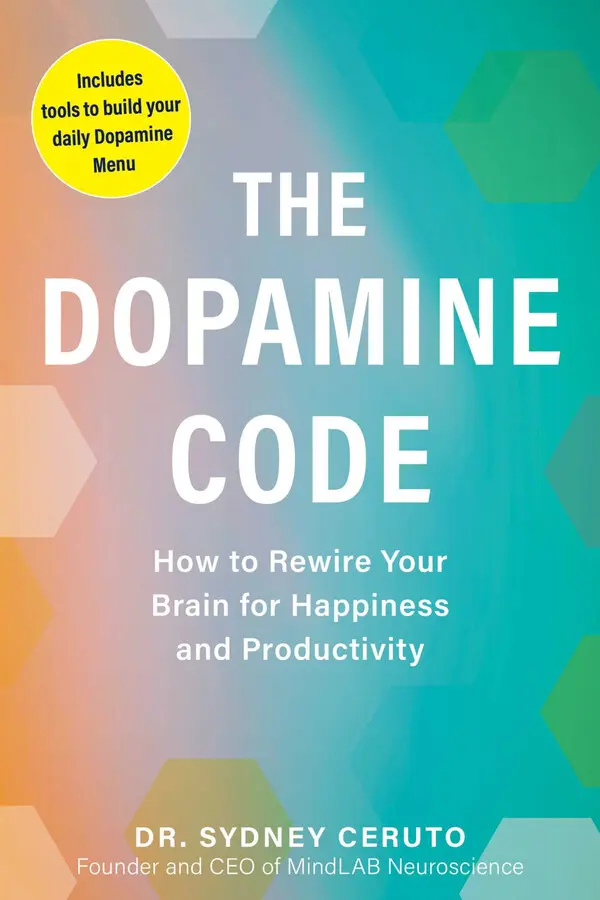
Dr. Ceruto holds a PhD in Behavioral & Cognitive Neuroscience from NYU and Master’s degrees in Clinical Psychology and Business Psychology from Yale University. She lectures at the Wharton Executive Development Program at the University of Pennsylvania and has been an Executive Contributor to the Forbes Coaching Council since 2019. Dr. Ceruto is the author of The Dopamine Code (Simon & Schuster, June 2026). She founded MindLAB Neuroscience in 2000 and has spent over 26 years leading it, pioneering Real-Time Neuroplasticity™, a methodology that durably rewires the neural pathways driving behavior, decisions, and emotional responses.
Also available in: Wall Street · Midtown Manhattan · Beverly Hills · Lisbon
Take the First Step
One hour with Dr. Sydney Ceruto. You leave knowing which neural pattern is actually driving this, and what to do about it.
Book a Strategy Call
The Dopamine Code
Decode Your Drive
Why Your Brain Rewards the Wrong Things
Your brain's reward system runs every decision, every craving, every crash, and it was never designed for the life you're living. The Dopamine Code is Dr. Ceruto's framework for understanding the architecture behind what drives you, drains you, and keeps you locked in patterns that willpower alone will never fix.
Published by Simon & Schuster, The Dopamine Code is Dr. Ceruto's framework for building your own Dopamine Menu, a personalized system for motivation, focus, and enduring life satisfaction.
Order Now!Available now