Key Takeaways
- Chronic anger restructures the amygdala-prefrontal cortex circuit, making future anger episodes more likely and intense
- Unregulated anger episodes create lasting damage to interpersonal trust through neurochemical shifts in both parties
- The brain’s threat detection system becomes hypersensitive after repeated anger activation, reducing emotional flexibility
- Workplace anger triggers mirror neuron responses in colleagues, creating toxic team dynamics that harm performance
- Real-time intervention during anger onset can prevent neural pathway reinforcement and preserve relationships
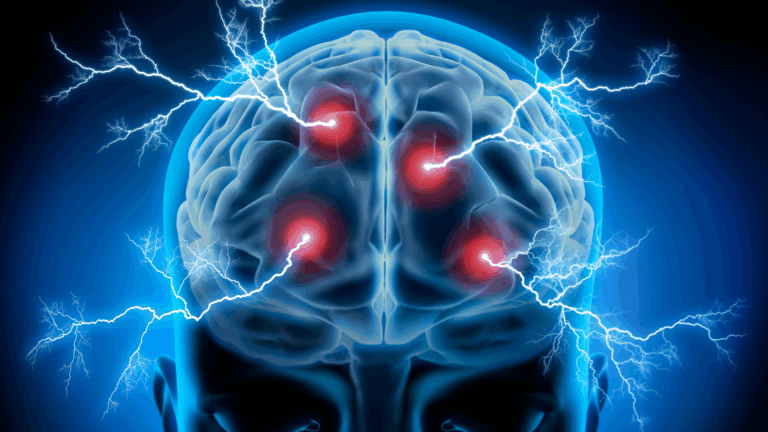
Anger fundamentally rewires your brain’s threat detection system, creating cascading effects that damage relationships, impair decision-making, and trigger chronic stress responses that persist long after the triggering event ends.
Individuals who habitually express anger without regulation show significantly elevated inflammatory biomarkers including interleukin-6 and tumor necrosis factor-alpha, providing physiological evidence that chronic anger accelerates systemic health deterioration.
Anger-prone individuals exhibit reduced gray matter volume in the ventrolateral prefrontal cortex, a region critical for impulse control and a hub within the brain’s cognitive control architecture, which predicts both workplace conflict frequency and relationship instability.
Most people understand that anger has consequences, but they fundamentally misunderstand what those consequences actually are. When someone asks about “anger’s impact,” they’re typically thinking about immediate fallout: the argument with their spouse, the tension at work, the regret afterward. What they don’t realize is that each anger episode is literally reshaping their brain’s architecture, making the next episode more likely, more intense, and harder to control.
In my practice, I consistently observe clients who describe feeling “like a different person” when they’re angry. They’re not wrong. During anger activation, the brain undergoes a neurochemical cascade that temporarily shuts down higher-order thinking while amplifying threat responses. But here’s what standard anger management approaches miss: the real damage isn’t happening during the anger episode itself. It’s happening in the minutes and hours afterward, when the brain is deciding whether to strengthen or weaken the neural pathways that just fired.
The Neuroscience of Anger: How Your Brain Processes Threat
Anger begins in the amygdala, your brain’s threat detection center, but its impact extends throughout multiple neural networks. When the amygdala perceives a threat, whether real or imagined, it triggers a cascade of neurochemical responses designed to prepare your body for immediate action.
The process unfolds in milliseconds: The amygdala releases norepinephrine and dopamine, flooding the system with arousal chemicals. The hypothalamic-pituitary-adrenal (HPA) axis activates, releasing cortisol and adrenaline. Most critically, the amygdala sends inhibitory signals to the prefrontal cortex, literally shutting down your capacity for rational thought, emotional regulation, and social reasoning.
This system evolved for life-or-death situations where thinking was a luxury you couldn’t afford. In the modern world, it activates during traffic jams, work meetings, and relationship conflicts: situations where thinking is exactly what you need most.
What makes chronic anger particularly destructive is its impact on neural plasticity. Each time the anger circuit fires, it becomes more sensitive and more easily triggered. The technical term is “kindling”: the same process observed in epileptic seizures. The more often a neural pathway activates, the lower the threshold for future activation becomes.
I often see clients who describe their anger as “coming out of nowhere” or feeling “disproportionate to the situation.” This isn’t a character flaw. It’s a predictable consequence of repeated amygdala activation strengthening the very circuits that produce anger responses. Their brain has become increasingly efficient at generating anger because that’s the pathway they’ve reinforced through repetition.
The Neurochemical Aftermath
The immediate neurochemical effects of anger create a toxic internal environment that persists long after you’ve “calmed down.” Cortisol levels remain elevated for hours, suppressing immune function and disrupting sleep patterns. Norepinephrine continues circulating, maintaining a state of hypervigilance that makes you more reactive to subsequent triggers.
But the most insidious effect occurs in your relationships. When you express anger toward another person, you’re not just affecting your own neurochemistry: you’re triggering their threat response as well. Their amygdala activates in response to your anger, releasing stress hormones that create lasting negative associations with you. This is why relationship damage from anger episodes often seems disproportionate to the content of the argument. The emotional impact is being processed at a neurochemical level that bypasses rational evaluation.
How Anger Rewires Relationships: The Mirror Neuron Effect
Relationships operate on neurochemical reciprocity through mirror neuron systems, meaning one person’s emotional state directly shapes the other’s nervous system response. When you express anger, the other person’s brain automatically begins mirroring your emotional state, activating their own threat responses even if they don’t express anger in return.
Chronic anger literally shrinks the prefrontal cortex while enlarging the amygdala, creating a feedback loop where emotional reactivity rises as regulation capacity falls.
This pattern creates a neurological paradox: the very expression of anger that feels empowering to you is simultaneously generating fear, defensiveness, and negative associations in the other person’s brain. Over time, their nervous system begins to associate your presence with threat activation, fundamentally altering how they respond to you even during calm interactions.
I’ve observed this dynamic consistently in couples who come to me after traditional approaches have failed. One partner describes feeling “like they’re walking on eggshells” around the other, while the angry partner insists their anger is justified and necessary for communication. Both are correct within their neurological reality, but neither understands the mechanism driving the dynamic.
The walking-on-eggshells partner has developed a sensitized threat response specifically to their partner’s emotional states. Their amygdala has learned to interpret subtle changes in voice tone, facial expression, and body language as potential anger triggers, activating stress responses before any anger is actually expressed. Meanwhile, the angry partner’s brain has learned that anger expression creates immediate attention and response from their partner, reinforcing the neural pathway through intermittent reinforcement: the most powerful schedule for habit formation.
The Neuroscience of Relationship Repair
Traditional advice suggests “taking space” or “cooling off” after anger episodes, but this approach misses the critical window for neural repair. The brain’s neuroplasticity is highest during the 4-6 hours following intense emotional activation. This is when new learning can overwrite or strengthen existing pathways.
During this window, both partners’ brains are deciding whether to strengthen the fear-anger loop or create new pathways for safe emotional expression. Without intervention, the default is strengthening existing patterns. The angry person’s brain reinforces anger as an effective communication strategy, while the recipient’s brain strengthens threat detection and defensive responses.
Real repair requires understanding that both nervous systems need to be deliberately recalibrated during this neuroplastic window. This isn’t about forgiveness or talking through the issue: it’s about creating new neurochemical experiences that teach both brains that safety is possible even during emotional intensity.
The Hidden Costs of Workplace Anger
Professional environments amplify anger’s neurological impact through social hierarchies and career consequences, making each episode more damaging than it would be in personal settings. When anger occurs in workplace settings, it activates not just personal threat responses but social threat responses related to status, belonging, and resource security.
Research by Keltner and Haidt demonstrates that anger expressions in professional settings trigger several simultaneous threat responses in observers: fear of social contagion (that the anger will spread), fear of status threat (that they might become the next target), and fear of resource threat (that team dysfunction will impact their own security). These fears activate the same neurochemical cascades as physical threats, creating persistent stress responses that impact performance, decision-making, and team cohesion.
The most damaging aspect of workplace anger isn’t the immediate disruption: it’s the lasting neurochemical changes in team members’ brains. When colleagues repeatedly observe anger outbursts, their brains begin treating the work environment as inherently threatening, activating chronic stress responses that suppress creativity, collaboration, and risk-taking.
I frequently work with executives who don’t understand why their “passionate” communication style creates such lasting team dysfunction. They experience their anger as temporary and situation-specific, while their team members experience it as an ongoing environmental threat that shapes their daily neurochemical state.
| Individual Impact | Team Impact | Organizational Impact |
|---|---|---|
| Chronic cortisol elevation | Reduced psychological safety | Decreased innovation and risk-taking |
| Impaired decision-making | Increased absenteeism | Higher turnover costs |
| Damaged professional reputation | Communication breakdown | Cultural toxicity spread |
| Reduced emotional intelligence | Loss of top performers | Legal and HR complications |
| Career advancement limitations | Decreased team performance | Brand and client relationship damage |
The Executive Anger Trap
High-performing executives face a particular neurological challenge with anger management. Their brains have been trained to associate anger with results: the immediate compliance, attention, and urgency that anger can generate in professional settings. This cycle creates a powerful intermittent reinforcement schedule that makes anger patterns particularly resistant to change.
The executive brain interprets anger as an effective tool because it often produces immediate behavioral changes in others. What it doesn’t register is the hidden costs: the gradual erosion of trust, the suppression of honest feedback, the loss of creative input from team members who’ve learned that challenging ideas might trigger anger responses.
In my work with C-suite clients, I consistently observe a pattern where initial career success was partially built on intensity and urgency that others experienced as anger-adjacent. As they advance to higher leadership levels, this same intensity becomes a liability, but their brain’s reward system has been conditioned to associate emotional intensity with professional effectiveness.
The Physiology of Chronic Anger: Long-term Health Consequences
Repeated anger activation creates measurable changes in cardiovascular, immune, and endocrine systems. The neurochemical cocktail of cortisol, norepinephrine, and adrenaline that accompanies anger responses was designed for acute, short-term activation. When this system fires repeatedly, it creates systemic inflammation and accelerated cellular aging.
Chronic anger literally ages your brain faster. Elevated cortisol levels damage hippocampal neurons responsible for memory formation and emotional regulation. The prefrontal cortex, your brain’s executive control center, shows measurable shrinkage in individuals with chronic anger patterns, a loss driven mainly by excessive catecholamine signaling and amplified by cortisol. Meanwhile, the amygdala enlarges and becomes more sensitive, creating a vicious cycle where emotional reactivity increases as emotional regulation capacity decreases.
The cardiovascular impact is particularly severe. Each anger episode triggers vasoconstriction, increased heart rate, and elevated blood pressure. Over time, this creates lasting changes in arterial function and increases risk for hypertension, stroke, and cardiac events. Research by Chida and Steptoe links chronic high anger and hostility to substantially greater risk of cardiac events compared to people with low anger levels.
But the most insidious health impact occurs through sleep disruption. Anger episodes late in the day create cortisol and norepinephrine elevation that persists for hours, interfering with the natural circadian rhythm that should be promoting restorative sleep. Poor sleep quality then reduces the prefrontal cortex’s capacity for emotional regulation the following day, making anger episodes more likely and intense.
The Inflammation Connection
Chronic anger creates a state of systemic inflammation through repeated activation of the HPA axis and sympathetic nervous system, producing measurable increases in pro-inflammatory markers that affect every organ system. This inflammation doesn’t just affect mood: it impacts every organ system, accelerating aging and increasing disease risk.
Pro-inflammatory cytokines released during anger episodes remain elevated for hours after the emotional intensity subsides. These cytokines cross the blood-brain barrier and directly impact neurons in areas responsible for mood regulation, creating a biological predisposition toward irritability and emotional reactivity.
I often work with clients who describe feeling “on edge” or “easily irritated” without understanding that their brain chemistry has been altered by repeated anger activation. They attribute their reactivity to external stressors when the real issue is internal inflammation affecting neural function.
Breaking the Anger Cycle: Neuroplasticity-Based Intervention
Traditional anger management focuses on coping strategies: breathing techniques, time-outs, cognitive reframing. These approaches can provide temporary relief but don’t address the underlying neural pathways that generate anger responses. Real change requires rewiring the amygdala-prefrontal cortex circuit through targeted neuroplasticity interventions.
The key insight from neuroscience research is that anger patterns are learned neural responses, not fixed personality traits. They can be unlearned and replaced with more adaptive patterns, but this requires understanding when and how the brain is most receptive to change.
The critical intervention window occurs during the first few minutes of anger onset, when the amygdala is highly active but the prefrontal cortex hasn’t completely shut down. This is when new neural pathways can be established that bypass the traditional anger response sequence.
My Real-Time Neuroplasticity™ approach intervenes during these live moments, teaching the brain to process threat information through prefrontal circuits rather than amygdala-driven reactions. This isn’t about suppressing anger: it’s about giving the brain alternative pathways for processing the same triggering information.
The Neurochemical Reset Protocol™
Effective anger intervention requires understanding the specific neurochemical sequence and introducing precise circuit breakers at optimal points in the amygdala-to-prefrontal pathway. This critical pathway can be deliberately strengthened through targeted exercises that activate prefrontal function during states of elevated emotional arousal.
The most effective interventions combine physiological regulation (activating the parasympathetic nervous system) with cognitive engagement (activating prefrontal circuits) during the actual anger episode. This combination creates new neural associations between arousal states and rational processing, gradually building stronger connections between emotional centers and executive function areas.
I work with clients to identify their personal anger signatures: the specific physiological and emotional cues that precede full anger activation. By intervening during these early warning phases, we can redirect the neural response before the amygdala completely hijacks the system.
The goal isn’t to eliminate anger entirely. Anger serves important functions in appropriate contexts: it signals boundary violations, motivates action against injustice, and provides energy for necessary confrontations. The goal is to give you conscious control over when and how anger activates, rather than having it activate automatically in response to triggers your brain has learned to associate with threat.
Creating Sustainable Change: The 90-Day Neural Retraining
Lasting change in anger patterns requires approximately 90 days of consistent neural retraining, a timeline that directly reflects the brain’s natural neuroplasticity cycles and the sustained effort required to build new neural pathways strong enough to compete with deeply established anger circuits.
The first 30 days focus on interrupting automatic anger responses and building awareness of the physiological cascade. The brain learns to recognize anger onset earlier and activate alternative pathways before the amygdala fully engages. This phase requires intensive practice because new neural pathways are fragile and easily overwhelmed by established patterns.
Days 31-60 involve strengthening the new pathways through progressively challenging situations. The brain practices using prefrontal circuits to process increasingly intense emotional triggers, building confidence and automaticity in the new response patterns. This is when clients typically report feeling “more like themselves” during challenging interactions.
The final 30 days integrate the new patterns into complex, real-world situations involving high stakes and multiple triggers. The new neural pathways become robust enough to function under pressure, and the old anger patterns begin to atrophy from disuse.
Throughout this process, the brain is literally rewiring itself. Neurological research shows measurable increases in prefrontal cortex gray matter density and decreased amygdala reactivity after intensive emotional regulation training. These changes correlate with improved relationship satisfaction, better work performance, and enhanced overall life quality.
How does chronic anger physically change the brain?
Repeated anger episodes create measurable structural changes: the amygdala enlarges and becomes more sensitive to threat cues, while the prefrontal cortex shows reduced gray matter density, diminishing emotional regulation capacity. This cognitive shift creates a neurological bias where anger episodes become progressively easier to trigger and harder to control, a process neuroscientists call kindling.
Why does anger feel justified even when it causes damage?
During anger activation, the amygdala sends inhibitory signals to the prefrontal cortex, temporarily reducing access to rational evaluation, empathy, and consequence assessment. Simultaneously, norepinephrine and dopamine create a state of heightened certainty and urgency. The brain experiences this neurochemical state as clarity and justified action, even when the response is disproportionate to the trigger.
Can anger management techniques actually rewire the brain?
Standard anger management techniques can provide temporary relief but often fail to address underlying neural pathways. Lasting change requires neuroplasticity-based interventions that target the amygdala-prefrontal cortex circuit during live anger activation, when the pathway is electrically active and most susceptible to restructuring. This reconsolidation window is where genuine circuit modification occurs.
How long do the neurochemical effects of an anger episode last?
The immediate stress hormones from an anger episode remain elevated for 4-6 hours, while cortisol may stay elevated for up to 12 hours. This extended neurochemical activation explains why a person feels on edge or easily triggered for hours after an anger episode ends. Sleep disruption from evening anger episodes can extend the neurochemical impact into the following day.
Can chronic anger cause lasting damage to relationships even after the behavior stops?
Yes, repeated anger episodes create lasting negative associations in other people’s brains through amygdala conditioning. However, these associations can be gradually overwritten through consistent positive interactions and explicit neural repair work during the critical 90-day retraining window.
Why do some people seem to get angrier as they age?
Chronic anger actually shrinks the prefrontal cortex while enlarging the amygdala, creating a biological predisposition toward increased emotional reactivity and decreased emotional regulation over time. This process can be reversed through targeted neuroplasticity interventions.
Is there a difference between “healthy anger” and destructive anger from a brain perspective?
The neurological activation is identical, but the duration and intensity differ significantly. Healthy anger activates briefly for specific purposes then resolves, while destructive anger maintains activation longer and generalizes to multiple triggers, creating the kindling effect.
Can medication help with chronic anger patterns?
Medication can reduce the intensity of anger episodes by modulating neurotransmitter levels, but it doesn’t rewire the underlying neural pathways. Lasting change requires combining pharmacological support with active neuroplasticity-based retraining.
How does unregulated anger physically affect your partner’s brain?
Witnessing a partner’s anger outburst triggers the observer’s amygdala into a threat response, releasing stress hormones that impair their ability to think clearly or respond constructively. Over time, repeated exposure to unregulated anger rewires the partner’s nervous system to remain in a state of hypervigilance, damaging emotional safety in the relationship.
Why is anger the emotion most likely to damage intimate relationships?
Anger activates the brain’s most primitive fight-or-flight circuits, overriding the prefrontal regions responsible for empathy, perspective-taking, and impulse control. Words and actions expressed during an anger hijack often target the vulnerabilities that intimacy has revealed, causing wounds that erode trust faster than any other emotional pattern.
What is the difference between healthy anger expression and destructive anger in relationships?
Healthy anger expression involves communicating the underlying need or boundary violation using regulated language while maintaining respect for the other person. Destructive anger bypasses the prefrontal cortex entirely, resulting in blame, contempt, or aggression that prioritizes emotional discharge over resolution and connection.
How can couples break the cycle of anger-driven conflict patterns?
Establishing a mutual agreement to pause conversations when either partner’s anger exceeds a manageable level gives both brains time to re-engage the prefrontal cortex. Returning to the discussion after a 20-minute cooldown period allows the neurochemical storm to subside and makes productive, solution-focused communication possible.
References
- Keltner, D., and Haidt, J. (1999). Social Functions of Emotions at Four Levels of Analysis. Cognition and Emotion, 13(5), 505-521. https://doi.org/10.1080/026999399379168
- Chida, Y., and Steptoe, A. (2009). The Association of Anger and Hostility With Future Coronary Heart Disease: A Meta-Analytic Review of Prospective Evidence. Journal of the American College of Cardiology, 53(11), 936-946. https://doi.org/10.1016/j.jacc.2008.11.044
From Reading to Rewiring
Understand the neuroscience. Apply it to your life. Work directly with Dr. Sydney Ceruto to build a personalized strategy.
One hour with Dr. Ceruto