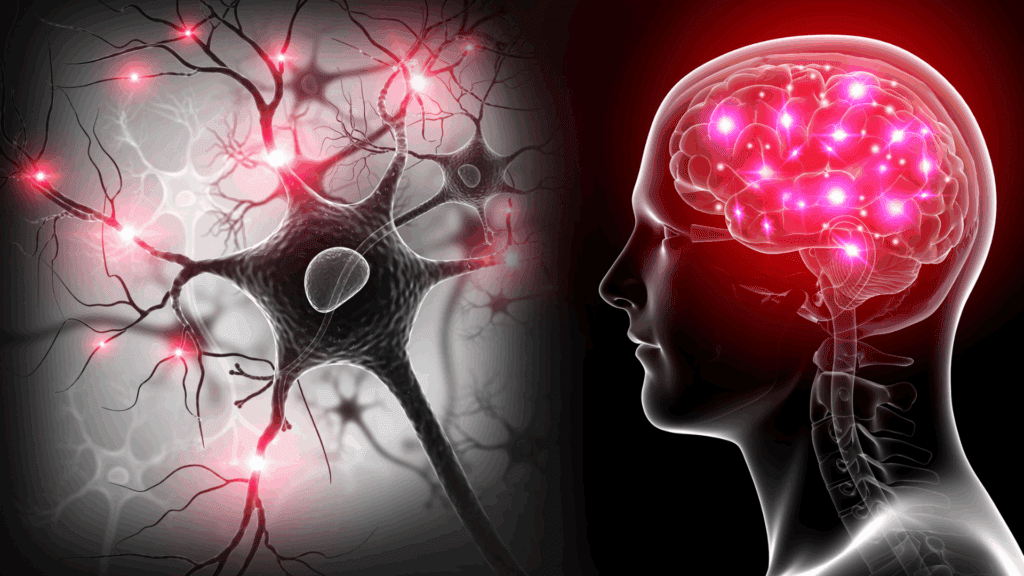
Neurogenesis—the brain’s ability to generate new neurons throughout life—occurs primarily in the hippocampus and continues at a rate of approximately 700 new neurons daily, fundamentally reshaping how we understand brain plasticity and cognitive potential.
Key Takeaways
- Adult neurogenesis produces roughly 1,400 new hippocampal neurons daily, with half surviving to integrate into existing circuits
- Physical exercise increases neurogenesis by 200-300% through BDNF elevation and enhanced vascular supply
- Chronic stress reduces new neuron production by up to 60% via cortisol-mediated suppression of neural stem cells
- The dentate gyrus serves as the brain’s primary neurogenic niche, supporting pattern separation and memory formation
- Environmental enrichment can restore neurogenesis rates even after prolonged stress or aging-related decline
For decades, neuroscience operated under the dogma that adult brains couldn’t generate new neurons. This misconception shaped everything from depression intervention to cognitive rehabilitation approaches. In my practice, I consistently observe clients who’ve been told their cognitive decline is inevitable—that their anxious, depressed, or cognitively inflexible patterns represent permanent brain states.
The discovery of adult neurogenesis demolished this limiting framework. Your brain produces new neurons every day, particularly in the hippocampus—the region central to memory formation, emotional regulation, and spatial navigation. These aren’t replacement cells maintaining the status quo. They’re fresh neural circuitry that can fundamentally alter how your brain processes information, forms memories, and responds to stress.
The Neurogenesis Process: How Your Brain Builds New Neurons
Understanding neurogenesis requires examining the cellular choreography occurring in your brain’s neurogenic niches. The process begins with neural stem cells residing in the subgranular zone of the hippocampal dentate gyrus. These cells maintain their stemness through precise molecular signals while simultaneously generating new neurons through asymmetric division.
The newborn neurons don’t immediately integrate into existing circuits. They undergo a 4-6 week maturation process during which they’re particularly vulnerable to environmental influences. During this critical period, the neurons extend axons and dendrites, form synaptic connections, and compete for survival signals. Only about half survive this integration phase—the brain maintains strict quality control over which new neurons earn permanent residence.
This selection process isn’t random. Neurons born during periods of learning, exercise, or environmental enrichment show enhanced survival rates. Conversely, neurons generated during chronic stress or in impoverished environments face higher elimination rates. The brain essentially tests each new neuron’s functional contribution before granting permanent circuit integration.
In my work with executives experiencing cognitive burnout, I’ve observed how this maturation timeline affects recovery patterns. Clients implementing neurogenesis-promoting protocols don’t experience immediate cognitive shifts. The changes emerge over 6-8 weeks as new neurons reach functional maturity and begin modifying existing hippocampal circuits. This delayed response often leads clients to abandon effective interventions prematurely.
| Neurogenesis Timeline | Process | Environmental Sensitivity |
|---|---|---|
| Days 0-7 | Neural stem cell activation and division | High – responsive to growth factors |
| Days 7-21 | Migration and initial differentiation | Critical – survival depends on environmental cues |
| Days 21-35 | Axon/dendrite extension and synapse formation | Moderate – activity-dependent refinement |
| Days 35-42 | Circuit integration and functional maturation | Lower – established connections stabilize |
Exercise: The Most Potent Neurogenesis Catalyst
Physical exercise represents the most reliable method for enhancing neurogenesis, with effects measurable within days of beginning regular activity. Aerobic exercise specifically triggers a cascade of neurogenic signals that fundamentally alter the hippocampal environment.
When you engage in sustained physical activity, several neurogenesis-promoting mechanisms activate simultaneously. Exercise increases cerebral blood flow by 15-20%, delivering enhanced oxygen and nutrient supply to neural stem cells. More critically, exercise elevates brain-derived neurotrophic factor (BDNF) levels by 200-300%. BDNF acts as both a neuron survival signal and a proliferation trigger, directly instructing neural stem cells to increase division rates.
Exercise also modifies the hippocampal microenvironment through vascular changes. Running and cycling promote angiogenesis—the formation of new blood vessels—creating enhanced vascular networks that support increased neuronal populations. This vascular expansion doesn’t just support new neurons; it optimizes the delivery of growth factors and removes metabolic waste more efficiently.
The neurogenesis response to exercise follows a dose-response relationship, but not linearly. Moderate-intensity exercise (60-70% max heart rate) for 30-45 minutes produces optimal neurogenic effects. High-intensity interval training shows similar benefits with shorter duration requirements. However, excessive exercise—particularly when combined with caloric restriction—can suppress neurogenesis through elevated cortisol and reduced energy availability.
In my practice, I’ve developed specific exercise prescriptions based on individual neurogenic goals. Clients recovering from depression benefit from consistent moderate-intensity activities that sustain BDNF elevation without triggering additional stress responses. Those seeking cognitive enhancement often respond better to varied exercise modalities that provide both cardiovascular benefits and novel motor challenges, maximizing both neurogenesis and synaptic plasticity.
Research demonstrates that exercise-induced neurogenesis directly correlates with improved mood regulation, enhanced memory formation, and increased stress resilience. The new neurons generated through exercise preferentially integrate into circuits involved in pattern separation—the ability to distinguish between similar but distinct experiences. This explains why physically active individuals show improved cognitive flexibility and reduced tendency toward overgeneralization in emotional responses.
Stress: The Neurogenesis Suppressor
Chronic stress represents neurogenesis’s primary antagonist, with effects measurable within days of exposure and persistent long after stressor removal. The stress-neurogenesis relationship operates through multiple pathways, creating a neurobiological environment hostile to new neuron production and survival.
Elevated cortisol—the primary stress hormone—directly suppresses neural stem cell proliferation through glucocorticoid receptor activation. Chronic cortisol exposure reduces stem cell division rates by 40-60% and increases apoptosis (programmed cell death) in newly generated neurons. This creates a double burden: fewer new neurons are born, and those that are generated face reduced survival probability.
Stress also alters the hippocampal microenvironment through inflammatory pathways. Chronic stress activates microglia—the brain’s immune cells—triggering the release of pro-inflammatory cytokines like IL-1β and TNF-α. These inflammatory signals create a toxic environment for developing neurons while simultaneously reducing BDNF production and disrupting growth factor signaling.
The temporal dynamics of stress-induced neurogenesis suppression reveal why traditional stress management approaches often fail. Acute stress temporarily reduces neurogenesis for 24-48 hours, but chronic stress creates persistent suppression lasting weeks or months after stressor removal. This explains why clients often report continued cognitive difficulties long after major stressors have resolved.
Stress-Induced Neurogenesis Suppression Mechanisms:
- Direct cortisol-mediated stem cell inhibition
- Inflammatory cytokine elevation (IL-1β, TNF-α)
- Reduced BDNF production and signaling
- Impaired vascular supply to neurogenic regions
- Disrupted sleep patterns affecting growth hormone release
In my clinical experience, addressing stress-induced neurogenesis suppression requires intervention at multiple levels. Simply removing external stressors isn’t sufficient—the neurobiological stress signature persists independently. Understanding how the brain’s emotional regulation circuits respond to chronic stress provides additional context for why single-strategy approaches fail. Clients need specific protocols to restore neural stem cell activity, reduce inflammatory signaling, and re-establish growth factor balance.
I’ve developed what I term “neurogenic rescue protocols” for clients with chronic stress histories. These integrate targeted exercise prescriptions, sleep optimization strategies, and dietary interventions specifically designed to reverse stress-induced neurogenic suppression. The protocols typically require 8-12 weeks to restore normal neurogenesis rates, with cognitive improvements emerging as new neurons reach functional maturity.
The brain’s capacity for generating new neurons represents one of its most remarkable properties. What most people are told is inevitable cognitive decline is, in many cases, a neurogenesis deficit with specific, addressable causes — and specific, evidence-based interventions that restore the production line.
The Hippocampus: Neurogenesis Command Center
The hippocampus serves as the brain’s primary neurogenic hub, generating approximately 1,400 new neurons daily throughout adult life. This seahorse-shaped structure houses multiple neurogenic niches, each contributing differently to cognitive function and emotional regulation.
The dentate gyrus within the hippocampus contains the subgranular zone—the most active neurogenic region in the adult brain. Neural stem cells residing in this zone maintain a delicate balance between self-renewal and differentiation, continuously producing new granule neurons that integrate into existing hippocampal circuits.
These new hippocampal neurons don’t simply replace damaged cells. They modify circuit function by introducing fresh connectivity patterns and altering the balance between excitatory and inhibitory signaling. Young neurons exhibit heightened excitability and enhanced plasticity compared to mature neurons, making them particularly influential in circuit modification.
The functional role of hippocampal neurogenesis extends beyond memory formation. New neurons contribute to pattern separation—the ability to encode similar experiences as distinct memories rather than overlapping representations. This prevents memory interference and supports cognitive flexibility. They also participate in mood regulation through connections with limbic structures, explaining why neurogenesis-promoting interventions often improve both cognitive function and emotional stability.
Recent research reveals that hippocampal neurogenesis operates differently across sub-regions. The posterior hippocampus, involved in spatial memory and navigation, shows different neurogenic patterns compared to the anterior hippocampus, which processes emotional memories and stress responses. This anatomical specificity suggests that targeted interventions might selectively enhance different aspects of hippocampal function.
In my practice, I assess hippocampal neurogenesis indirectly through cognitive markers that correlate with new neuron integration. Clients with robust neurogenesis typically show improved performance on pattern separation tasks, enhanced memory specificity, and reduced emotional overgeneralization. Those with suppressed neurogenesis demonstrate the opposite pattern: memories blur together, emotional responses generalize inappropriately, and cognitive flexibility remains limited.
Dietary Factors: Feeding Neurogenesis
Nutrition profoundly influences neurogenesis through multiple pathways, from providing essential building blocks for new neurons to modulating inflammatory responses that affect neural stem cell activity. The relationship between diet and neurogenesis operates at both macro and micronutrient levels.
Omega-3 fatty acids, particularly DHA (docosahexaenoic acid), represent critical neurogenesis supporters. DHA concentrates in neural membranes and serves as both a structural component and signaling molecule. Research demonstrates that DHA supplementation increases hippocampal neurogenesis by 25-40% while improving new neuron survival rates. The mechanism involves enhanced BDNF signaling and reduced inflammatory cytokine production.
Flavonoids—polyphenolic compounds found in blueberries, dark chocolate, and green tea—exert potent neurogenic effects through multiple pathways. These compounds cross the blood-brain barrier and accumulate in neurogenic regions, where they enhance neural stem cell proliferation and support new neuron integration. Blueberry consumption specifically increases hippocampal BDNF levels and promotes the survival of newly generated neurons.
Intermittent fasting emerges as a powerful neurogenesis modulator, though the relationship is complex. Short-term fasting (12-16 hours) increases BDNF production and enhances autophagy—the cellular cleanup process that removes damaged components. However, prolonged caloric restriction can suppress neurogenesis through stress pathway activation. The optimal approach involves cyclical fasting patterns that promote cellular stress adaptation without triggering chronic stress responses.
Neurogenesis-Supporting Nutrients:
- Omega-3 fatty acids (DHA/EPA): 1-2g daily, enhances BDNF signaling
- Flavonoids: 500-1000mg daily, reduces inflammation and supports stem cell activity
- Curcumin: 500-1500mg daily, modulates inflammatory pathways
- Magnesium: 400-600mg daily, supports NMDA receptor function and neuroplasticity
- Vitamin D: 2000-4000 IU daily, regulates neural stem cell differentiation
Dietary patterns matter as much as individual nutrients. The Mediterranean diet, rich in omega-3s, flavonoids, and anti-inflammatory compounds, consistently correlates with enhanced neurogenesis markers. Conversely, high-sugar, high-saturated fat diets suppress neurogenesis through inflammatory pathway activation and insulin resistance development.
In my clinical protocols, I use targeted nutritional interventions to support neurogenesis recovery. Clients with stress-induced neurogenesis suppression benefit from anti-inflammatory dietary patterns combined with specific supplements. Those seeking cognitive enhancement receive protocols emphasizing neuroprotective compounds and intermittent fasting schedules optimized for BDNF elevation.
Sleep: The Neurogenesis Recovery Window
Sleep represents a critical neurogenesis window, though the relationship involves more than simple recovery time. Sleep stages differentially affect neural stem cell activity, new neuron survival, and circuit integration processes.
During slow-wave sleep (deep sleep), the brain’s glymphatic system activates, clearing metabolic waste and toxins that accumulate during waking hours. This clearance process creates an optimal environment for neural stem cell activity by removing inhibitory signals and inflammatory compounds. Growth hormone release during deep sleep also directly supports neurogenesis by promoting stem cell proliferation and new neuron survival.
REM sleep contributes differently to neurogenesis through memory consolidation processes that influence which new neurons survive integration challenges. Dreams may serve as “testing grounds” for new neural connections, with circuits that prove functionally valuable during dream scenarios more likely to persist. This suggests that REM sleep quality affects not just neurogenesis quantity but the functional relevance of newly integrated neurons.
Sleep deprivation suppresses neurogenesis through multiple mechanisms. Even single nights of sleep restriction reduce neural stem cell proliferation by 20-30%. Chronic sleep loss creates a cascade of neurogenesis-suppressing effects: elevated cortisol, reduced growth hormone, increased inflammatory signaling, and disrupted circadian rhythms that affect stem cell activity cycles.
The timing of sleep matters as much as duration. Neural stem cell division follows circadian patterns, with peak activity occurring during early sleep hours. Shift workers and those with disrupted sleep schedules show reduced neurogenesis rates even when total sleep duration remains adequate. This circadian dependence explains why simply increasing sleep quantity doesn’t fully compensate for poor sleep timing.
| Sleep Stage | Duration | Neurogenesis Function |
|---|---|---|
| Light Sleep | 2-3 hours | Transition to neurogenic state, initial waste clearance |
| Deep Sleep | 1-2 hours | Peak glymphatic activity, growth hormone release, stem cell proliferation |
| REM Sleep | 1.5-2 hours | Memory consolidation, new neuron circuit testing |
In my practice, sleep optimization represents a foundational neurogenesis intervention. Clients receive specific protocols addressing both sleep quantity and quality, with particular emphasis on deep sleep enhancement. This often involves environmental modifications, timing adjustments, and targeted supplementation to support natural sleep architecture.
Environmental Enrichment: Creating Neurogenic Environments
Environmental factors profoundly influence neurogenesis through mechanisms that extend beyond simple stimulation. Enriched environments provide novelty, complexity, and social interaction opportunities that collectively enhance neural stem cell activity and support new neuron integration.
Novelty exposure specifically triggers neurogenic responses through dopamine pathway activation. When you encounter new experiences, dopamine release in the hippocampus creates conditions favorable for neural stem cell proliferation. This explains why travel, learning new skills, or changing routines can enhance cognitive function—they’re literally stimulating new neuron production.
Social interaction represents another critical neurogenic factor. Isolation reduces neurogenesis by 30-40%, while rich social environments enhance stem cell activity through multiple pathways. Social engagement activates oxytocin signaling, which promotes BDNF production and supports new neuron survival. It also provides cognitive challenges that stimulate hippocampal circuits, creating demand for enhanced processing capacity.
The complexity of environmental stimulation matters more than intensity. Environments that provide varied, moderate challenges optimize neurogenesis better than either understimulating or overwhelmingly complex settings. This follows an inverted U-curve relationship—optimal neurogenic environments provide sufficient challenge to stimulate growth without triggering stress responses that suppress stem cell activity.
Modern environments often lack neurogenic properties despite appearing stimulating. Digital stimulation typically provides high intensity but low complexity, failing to activate the varied neural circuits that support neurogenesis. The brain’s tendency to loop on repetitive thought patterns represents the opposite of environmental enrichment — a cognitive environment of extreme predictability that suppresses rather than promotes neurogenesis. Social media engagement, while socially connected, lacks the unpredictability and emotional depth that trigger robust neurogenic responses.
Environmental Factors Supporting Neurogenesis:
- Novel experiences requiring learning and adaptation
- Moderate physical challenges that promote skill development
- Rich social interactions involving emotional exchange
- Natural environments providing sensory complexity
- Creative activities requiring problem-solving and expression
In my clinical work, environmental enrichment protocols are individually tailored based on current life circumstances and neurogenic goals. Clients in monotonous work environments receive specific recommendations for introducing beneficial novelty without overwhelming their existing stress management capacity. Those in overstimulating environments learn to create recovery spaces that support rather than suppress neurogenic processes.
Age and Neurogenesis: Debunking the Decline Myth
The relationship between aging and neurogenesis reveals a more complex and optimistic picture than commonly assumed. While neurogenesis rates do decline with age, the decrease isn’t inevitable or uniform—environmental factors and lifestyle interventions can significantly modify age-related changes.
Young adult brains produce approximately 1,400 new hippocampal neurons daily. By age 60, this rate typically decreases to 600-800 new neurons daily—a significant reduction but hardly a cessation. More importantly, the functional impact of age-related neurogenesis decline can be offset through interventions that enhance new neuron survival and integration efficiency.
Age-related neurogenesis reduction occurs through multiple mechanisms. Neural stem cells gradually lose their proliferative capacity through cellular aging processes. The hippocampal microenvironment becomes less supportive of new neuron survival as inflammatory markers increase and growth factor production decreases. Blood-brain barrier integrity also declines, potentially exposing developing neurons to systemic inflammatory signals.
However, research demonstrates remarkable plasticity in age-related neurogenesis patterns. Older adults who maintain physically active lifestyles show neurogenesis rates comparable to sedentary individuals 20-30 years younger. Environmental enrichment can restore neurogenic capacity even after prolonged periods of decline. This suggests that age-related changes reflect use-dependent plasticity more than inevitable deterioration.
The quality of aging-related neurogenesis may be as important as quantity. Older brains that maintain robust neurogenesis often show enhanced new neuron integration efficiency—fewer neurons are produced, but those that survive contribute more significantly to circuit function. This compensatory mechanism explains why some older adults maintain cognitive flexibility despite reduced neurogenesis rates.
In my practice, I work with clients across age ranges who’ve been told their cognitive decline is inevitable. The evidence contradicts this pessimistic view. While neurogenesis interventions may require more time and consistency in older adults, the capacity for neural renewal remains throughout life. Clients in their 60s and 70s regularly demonstrate significant cognitive improvements following neurogenesis-promoting protocols.
Age-Optimized Neurogenesis Strategies:
- Consistent moderate exercise adapted to physical capabilities
- Cognitive challenges that build on existing expertise while introducing novelty
- Social engagement focused on meaningful relationships and activities
- Nutritional support emphasizing anti-inflammatory compounds
- Sleep optimization addressing age-related sleep architecture changes
Neurogenesis and Mental Health: Rewriting Emotional Circuitry
The connection between neurogenesis and mental health represents one of the most promising areas of contemporary neuroscience research. Depression, anxiety, and other psychiatric conditions correlate strongly with reduced hippocampal neurogenesis, while effective treatments often restore normal neurogenic function.
Depression specifically involves neurogenesis suppression through multiple pathways. Chronic stress associated with depression elevates cortisol levels that directly inhibit neural stem cell division. Inflammatory cytokines elevated in depression create a hostile environment for new neuron survival. Reduced BDNF signaling further compounds these effects, creating a neurobiological environment that perpetuates depressive activation patterns.
Antidepressant medications work partly through neurogenesis restoration. SSRIs increase serotonin availability, which indirectly promotes BDNF production and neural stem cell activity. However, this neurogenic effect requires weeks to develop—matching the delayed onset of antidepressant efficacy. The medications don’t immediately relieve these signals; they create conditions for new neurons to develop and integrate, gradually modifying emotional processing circuits.
Anxiety disorders show different neurogenesis patterns compared to depression. While depression typically involves globally reduced neurogenesis, anxiety may involve selectively enhanced neurogenesis in circuits processing threat-related information. This creates an imbalance where new neurons disproportionately integrate into fear-processing pathways, potentially maintaining anxious response patterns.
In my clinical experience, addressing mental health through neurogenesis requires targeting both the suppressive factors maintaining neural signatures and the positive factors supporting recovery. Clients with depression benefit from thorough protocols addressing stress reduction, inflammation management, and growth factor enhancement simultaneously. Those with anxiety often require more targeted approaches that selectively promote neurogenesis in emotional regulation circuits while moderating threat-processing enhancement. Real-Time Neuroplasticity™ allows me to intervene during the moments when stress-driven patterns are actively suppressing neurogenic capacity — because the neural stem cell environment is most responsive to change when the disrupting signal is live and identifiable.
The neurogenesis approach to mental health offers several advantages over traditional signal-focused approaches. By addressing underlying neural circuitry, neurogenic interventions can create lasting changes that persist beyond active intervention. They also avoid the side effects common with psychiatric medications while addressing root causes rather than signal management.
Clinical Applications: Neurogenesis in Practice
Translating neurogenesis research into practical interventions requires understanding both the mechanisms involved and individual variation in neurogenic responses. Not all neurogenesis-promoting strategies work equally well for every person, and optimal protocols often require personalized approaches based on specific neurogenic challenges.
Assessment of neurogenesis function involves both direct and indirect measures. While direct measurement requires specialized imaging techniques not widely available, cognitive assessments can reveal patterns consistent with robust or impaired neurogenesis. Pattern separation tasks, memory specificity measures, and cognitive flexibility assessments all correlate with neurogenic function.
Individual variation in neurogenesis response reflects genetic, environmental, and lifestyle factors. Some individuals show rapid responses to exercise-based interventions, with cognitive improvements emerging within 4-6 weeks. Others require longer protocols combining multiple neurogenic strategies before showing measurable changes. Age, stress history, nutrition status, and genetic polymorphisms affecting BDNF signaling all influence intervention responsiveness.
The timing of neurogenesis interventions affects their efficacy. Interventions implemented during periods of high stress or major life transitions may show delayed effects as stress pathways interfere with neurogenic processes. Conversely, interventions timed with natural neurogenic windows—such as recovery periods or positive life changes—often show enhanced effectiveness.
Practical Neurogenesis Protocol Framework:
- Assessment Phase (Week 1): Cognitive testing, stress evaluation, lifestyle analysis
- Foundation Phase (Weeks 2-4): Sleep optimization, basic exercise, stress management
- Enhancement Phase (Weeks 5-8): Targeted interventions, dietary modifications, environmental changes
- Integration Phase (Weeks 9-12): Protocol refinement, sustainability planning, outcome measurement
In developing clinical neurogenesis protocols, I emphasize sustainability over intensity. Dramatic short-term interventions rarely produce lasting neurogenic changes, while consistent moderate approaches create cumulative effects that persist long-term. Clients learn to identify their personal neurogenic factors and develop individualized maintenance approaches.
Future Directions: The Neurogenesis Frontier
Emerging research in neurogenesis reveals new possibilities for enhancing human cognitive potential and treating neurological conditions. Several promising areas are advancing from laboratory studies toward clinical applications.
Pharmacological neurogenesis enhancement represents one active research frontier. Researchers are developing compounds that selectively promote neural stem cell activity without the side effects of current medications. These “neurogenic drugs” might offer more targeted approaches to treating depression, cognitive decline, and neurodegenerative conditions.
Combination approaches integrating multiple neurogenic strategies show particular promise. Research suggests that simultaneous application of exercise, environmental enrichment, and targeted nutrition produces synergistic effects exceeding the sum of individual interventions. This supports the thorough approach I use in clinical practice.
Technology-assisted neurogenesis represents another emerging area. Virtual reality environments designed to provide optimal cognitive stimulation, physiological monitoring techniques systems that optimize exercise for neurogenic benefit, and apps that deliver precisely timed environmental enrichment all show potential for enhancing traditional approaches.
The future of neurogenesis research likely involves precision approaches tailored to individual genetic and physiological profiles. As we better understand the factors affecting neurogenic responsiveness, interventions can be customized to maximize effectiveness for each person’s unique neurobiological signature.
Understanding neurogenesis fundamentally changes how we view cognitive potential and mental health. Rather than accepting decline or dysfunction as inevitable, we can actively promote neural renewal throughout life. The brain’s capacity for generating new neurons represents one of its most remarkable properties—and one we’re only beginning to harness effectively.
If Your Brain’s Renewal System Needs Intervention
If the patterns described here — cognitive inflexibility that worsens under stress, memory difficulties that conventional approaches have not resolved, or emotional regulation that deteriorates despite your efforts — suggest a neurogenesis deficit rather than a character flaw, a strategy call maps where your brain’s renewal system is suppressed and what specific intervention restores it. The assessment is neurological, not motivational.
From Reading to Rewiring
Understand the neuroscience. Apply it to your life. Work directly with Dr. Ceruto to build a personalized strategy.
Self-Esteem & Identity — MindLAB Locations
References
Kempermann, G., Gage, F. H., Aigner, L., Song, H., Curtis, M. A., Thuret, S., … & Ehninger, D. (2018). Human adult neurogenesis: Evidence and remaining questions. Cell Stem Cell, 23(1), 25-30. https://doi.org/10.1016/j.stem.2018.04.004
Voss, M. W., Vivar, C., Kramer, A. F., & van Praag, H. (2013). The influence of aerobic fitness on cerebral white matter integrity and cognitive function in older adults. Human Brain Mapping, 34(11), 2972-2985. https://doi.org/10.1002/hbm.22119
Lucassen, P. J., Meerlo, P., Naylor, A. S., van Dam, A. M., Dayer, A. G., Fuchs, E., … & Czéh, B. (2010). Regulation of adult neurogenesis by stress, sleep disruption, exercise and inflammation: Implications for depression and antidepressant action. European Neuropsychopharmacology, 20(1), 1-17. https://doi.org/10.1016/j.euroneuro.2009.08.003
Yes, adult neurogenesis occurs primarily in the hippocampal dentate gyrus, producing approximately 1,400 new neurons daily. While earlier studies questioned human adult neurogenesis, recent research using improved detection methods confirms continuous neuron production throughout life.
New neurons require 4-6 weeks to mature and integrate into existing brain circuits. During this period, they extend connections, form synapses, and compete for survival signals. Cognitive benefits from neurogenesis-promoting interventions typically emerge after 6-8 weeks.
Absolutely. Exercise increases neurogenesis by 200-300%, while chronic stress reduces it by up to 60%. Sleep, nutrition, environmental enrichment, and social interaction all significantly influence new neuron production and survival rates.
Neurogenesis rates decrease with age but don’t cease completely. A 60-year-old produces about half the new neurons of a 20-year-old. However, lifestyle interventions can restore neurogenic capacity even in older adults, with active seniors showing rates comparable to sedentary younger individuals.
Frequently Asked Questions
This article is part of our Identity & Neural Flexibility collection. Explore the full series for deeper insights into identity & neural flexibility.