







Mental Fog in Miami

Brain fog is not vague: it has a measurable neural signature. Dr. Ceruto identifies the specific disruption in neuroinflammation, neuromodulation, or network connectivity and restores cognitive clarity at its source.

Mental fog is the brain's way of signaling overload, dysregulation, or sustained depletion, not a character flaw or a willpower problem. At MindLAB Neuroscience, we identify the neural, metabolic, and behavioral drivers keeping your mind under its own cloud and build targeted strategies to restore the clarity and precision your brain is wired to produce.
Book a Strategy Call
ForbesUSA TodayHuffPostNewsweekAssociated PressCosmopolitanBusiness InsiderForbesUSA TodayHuffPostNewsweekAssociated PressCosmopolitanBusiness Insider

Key Points

  1. Fog is not one thing, and naming which of the three drivers dominates comes first: an inflamed neuroimmune state, arousal chemistry that has run down, or attention networks that no longer take turns.
  2. Clinically significant brain fog is widespread rather than exceptional, and its scale is what moved researchers to name it a public health issue instead of an individual complaint.
  3. Fog that arrives after a long stretch of pressure is a depletion state, not a lapse in effort or motivation, and additional effort does not restore what has been drawn down.
  4. A permeable blood-brain barrier lets inflammation generated elsewhere in the body cross into brain tissue, where it amplifies the cascade already degrading cognition and clarity.
  5. Pushing arousal higher is not automatically the fix, because the same system that leaves thinking slow at the bottom of its range leaves it scattered and anxious at the top.
  6. The immune cells inside brain tissue can be tipped out of quiet monitoring into chronic activation by sustained pressure, poor sleep, or metabolic strain, and they tend to stay that way.
  7. Nothing about a foggy period is permanent, because the capacity that seems gone is intact underneath the disruption and returns once the specific driver behind it is addressed.

The experience of brain fog is one of the most common cognitive complaints among high-functioning professionals. It is also one of the most frequently dismissed. But neuroimaging confirms that brain fog corresponds to measurable disruptions in functional brain connectivity, neurotransmitter dynamics, and information processing efficiency. It is not a mood problem or a motivation problem. It is a brain state with identifiable mechanisms.

Three Converging Mechanisms

“Neuroimaging confirms that brain fog corresponds to measurable disruptions in functional brain connectivity, neurotransmitter dynamics, and information processing efficiency. It is not a mood problem or a motivation problem: it is a brain state with identifiable mechanisms.”

The neural substrate of brain fog is driven by three systems that frequently interact: neuroinflammation, disrupted neuromodulation, and degraded network connectivity.

Neuroinflammation, immune-driven inflammation occurring within the brain, represents the first mechanism. Microglia, the brain’s resident immune cells, can shift from a surveillance state to a chronically activated state under sustained stress, sleep deprivation, or metabolic disruption. When microglia become primed, stuck in a hair-trigger inflammatory readiness, they release pro-inflammatory cytokines including interleukin-1 beta and tumor necrosis factor-alpha. These cytokines directly impair long-term potentiation, the synaptic strengthening mechanism underlying learning and memory, degrading the brain’s capacity to form new connections and consolidate information.

Dense luminous neural threads condensing into single focused copper beam of clarity in deep navy void

Research has demonstrated that blood-brain barrier disruption, concentrated in the frontal cortex and temporal lobes, is directly associated with cognitive impairment and the subjective experience of mental cloudiness. When this protective filter becomes permeable, peripheral inflammatory signals enter the brain and amplify the neuroinflammatory cascade.

The second mechanism involves the locus coeruleus: brainstem source of norepinephrine. This neurotransmitter governs arousal, attention, and cognitive signal clarity. The locus coeruleus follows an inverted-U dose-response curve: too little norepinephrine produces drowsiness and fog; moderate levels produce sharp, focused attention; too much produces anxiety and scattered processing. Chronic stress and sustained cognitive demand deplete norepinephrine reserves, pushing the system below the optimal range and producing the characteristic experience of being awake but unable to think clearly.

The third mechanism is degraded connectivity between large-scale brain networks. The dorsal attention network (top-down, goal-directed attention system) normally operates in anti-correlation with the default mode network, the self-referential processing system active during mind-wandering. When one is active, the other should be suppressed. In brain fog states, this anti-correlation breaks down: both networks activate simultaneously or neither activates fully, producing a state in which attention is neither sharply focused nor genuinely at rest.

The Chronic Stress Pathway

Sustained stress is the most common pathway to cognitive fog in high-functioning professionals. Chronically elevated cortisol directly impairs prefrontal cortex function. It degrades neurotransmitter signaling, amplifies the loss of gray matter density that prolonged stress drives, and weakens inhibitory control over subcortical structures. Research documents measurable dendritic atrophy, shrinkage of neuronal branches, in the medial prefrontal cortex following chronic stress exposure, directly reducing the brain’s capacity for working memory, cognitive flexibility, and sustained attention.

The metabolic dimension compounds the structural one. Magnetic resonance spectroscopy confirms that prolonged cognitive work produces glutamate accumulation, a buildup of the brain’s primary excitatory neurotransmitter, in the lateral prefrontal cortex. This accumulation is not merely fatigue; it represents a neurochemical shift that makes further cognitive effort genuinely less efficient. The brain is not being lazy; it is operating in a degraded neurochemical state.

The Population-Level Reality

Brain fog is not rare. Population-level research estimates that approximately 28% of adults experience clinically significant cognitive fog, with prevalence increasing among those managing chronic stress, sleep disruption, or inflammatory conditions. The growing number of adults reporting cognitive difficulty has prompted researchers to classify brain fog as a significant public health concern requiring systematic recognition.

How Dr. Ceruto Addresses Brain Fog

Dr. Ceruto’s approach begins by differentiating which mechanism is primary in each individual’s presentation. The methodology does not treat brain fog as a single condition with a single solution. For neuroinflammation-driven fog, the focus is on identifying the inflammatory triggers and restoring the neuroimmune system to a regulated baseline. For neuromodulatory depletion, the work targets the conditions required to restore neurotransmitter reserves, with sleep architecture as the foundational intervention. For network connectivity disruption, the approach focuses on restoring the anti-correlation between attentional and default mode networks so the brain can re-establish the clean switching between focused attention and genuine rest.

Marble console with crystal brain sculpture and MindLAB journal in warm Miami evening light with tropical hardwood and copper accents

The brain’s capacity for cognitive clarity is not permanently diminished by periods of fog. The same neuroplasticity, the brain’s ability to rewire itself, that allows chronic stress to degrade prefrontal function also allows targeted intervention to restore it. The goal is not to push through fog with more effort but to address the specific disruption preventing the brain from operating at its actual capacity.

For deeper context, explore neuroplasticity and clearing mental fog.

Marker What You Experience What's Happening Neurologically What We Restructure
Awake but not sharp Present and functional but thinking feels like it is operating through resistance The locus coeruleus has pushed norepinephrine below the optimal range: too little produces drowsiness and fog rather than the sharp, focused attention of moderate levels The norepinephrine system to restore arousal and cognitive signal clarity to the optimal range on the inverted-U curve
Information not sticking Reading the same paragraph three times without retaining it, new information sliding off rather than consolidating Immune cells resident in the brain have locked into a defensive posture, and the inflammatory signals they release blunt the synaptic changes that turn new material into something retained The conditions holding the brain's immune cells in an activated state, so encoding recovers the reliability it lost
Attention that will not lock on Trying to focus but finding attention drifting constantly, unable to sustain engagement with a single task The anti-correlation between the attention network and the default mode network has broken down: both activate simultaneously, producing neither sharp focus nor genuine rest The switching mechanism itself, so that one mode can come fully online while the other properly stands down
Stress-driven fog Cognitive clarity degrading in direct proportion to stress load, with thinking sharpest after vacation then deteriorating rapidly Chronic stress is producing dendritic atrophy in the prefrontal cortex, mainly through excessive catecholamine signaling amplified by cortisol, shrinking neuronal branches and reducing capacity for working memory and cognitive flexibility The stress physiology driving prefrontal structural change, mainly excessive catecholamine signaling amplified by the cortisol rhythm, restoring the conditions for dendritic regrowth
Post-effort depletion Fog intensifying specifically after periods of intense cognitive work, not after physical exertion After a long stretch of demanding work the lateral prefrontal cortex is holding a buildup of the main excitatory messenger the brain runs on, and what stays there makes the next stretch cost more The metabolic recovery conditions the prefrontal cortex needs to clear glutamate buildup and resume efficient operation

Why Mental Fog Matters in Miami

Miami’s professional environment creates a convergence of brain fog triggers that few other American cities replicate. The combination of sustained cognitive demand, chronic heat exposure, multilingual processing load, and a relocation-driven population managing simultaneous professional and logistical complexity produces conditions in which neuroinflammatory, neuromodulatory, and network connectivity disruptions all compound.

The corporate professionals concentrated in Brickell and Coral Gables manage cognitive loads that span multiple time zones, languages, and regulatory environments daily. Miami’s position as the gateway to the Americas means that a single workday routinely involves communications across six or more time zones in two or more languages. Digital fatigue research documents that 84% of professionals report significant digital tool fatigue, with workers losing an average of 51 minutes per week to tool-switching alone. In Miami’s cross-border professional environment, these figures represent a conservative floor. The multilingual dimension multiplies every context switch.

Miami’s climate directly undermines the physiological prerequisites for cognitive clarity. The muggier period spans nearly eight months, with summer nighttime lows averaging 78 to 83 degrees. Research confirms that humid heat suppresses deep sleep increases overnight wakefulness, and blocks the core body temperature drop that the brain requires as a sleep-onset signal. Sleep deprivation, even a single night below six hours, produces dorsolateral prefrontal cortex dysfunction that measurably degrades working memory, attention, and decision quality. In a city where environmental conditions chronically compromise sleep architecture, the cumulative cognitive cost is substantial.

The transplant population faces a specific fog profile. More than 55,000 interstate workers arrived in the Miami metro in 2024. Many manage the simultaneous demands of establishing a new professional identity, navigating an unfamiliar cultural landscape, and handling the practical complexity of relocation across language barriers. This sustained background cognitive load depletes the prefrontal resources that maintain cognitive clarity, often producing a fog state that the individual attributes to stress rather than recognizing as a neurochemical condition with identifiable mechanisms.

Miami’s mental health access gap exacerbates the problem: the city has approximately one mental health provider for every 498 people, compared to the national ratio of one per 340. Professionals experiencing cognitive fog often wait weeks for an initial evaluation, while patterns continue to entrench.

Dr. Sydney Ceruto, PhD, Neuroscientist & Author, MindLAB Neuroscience

Dr. Sydney Ceruto, PhD, Neuroscientist & Author, MindLAB Neuroscience

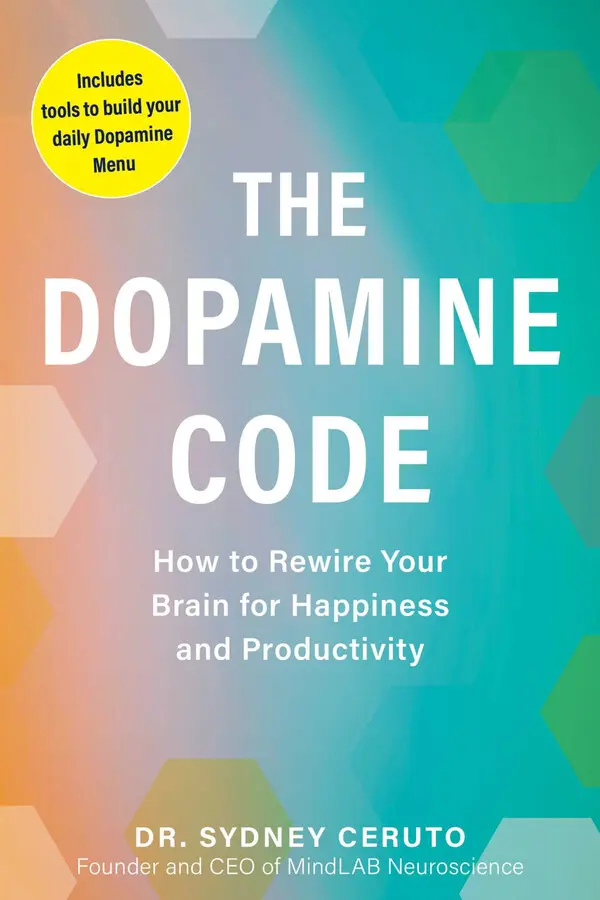
Dr. Ceruto holds a PhD in Behavioral & Cognitive Neuroscience from NYU and Master’s degrees in Clinical Psychology and Business Psychology from Yale University. She lectures at the Wharton Executive Development Program at the University of Pennsylvania and has been an Executive Contributor to the Forbes Coaching Council since 2019. Dr. Ceruto is the author of The Dopamine Code (Simon & Schuster, June 2026). She founded MindLAB Neuroscience in 2000 and has spent over 26 years leading it, pioneering Real-Time Neuroplasticity™, a methodology that permanently rewires the neural pathways driving behavior, decisions, and emotional responses.

References

Greene, C., Connolly, R., Brennan, D., Laffan, A., O’Keeffe, E., Zaporojan, L., O’Callaghan, J., Thomson, B., Connolly, E., Argue, R., Martin-Loeches, I., Long, A., Cheallaigh, C. N., Conlon, N., Doherty, C. P., & Campbell, M. (2024). Blood-brain barrier disruption and sustained systemic inflammation in individuals with long COVID-associated cognitive impairment. Nature Neuroscience, 27(3), 421–432. https://doi.org/10.1038/s41593-024-01576-9

Girotti, M., Bulin, S. E., & Carreno, F. R. (2024). Effects of chronic stress on cognitive function: From neurobiology to intervention. Neurobiology of Stress, 33, 100670. https://doi.org/10.1016/j.ynstr.2024.100670

Haywood, D., Rossell, S. L., & Hart, N. H. (2025). Cutting through the fog: Recognising brain fog as a significant public health concern. BMC Public Health, 25, 1230. https://doi.org/10.1186/s12889-025-22525-6

Success Stories

“When the inheritance came, it didn't feel like a gift. It felt like a grenade in every family relationship I had. I couldn't make a single financial decision without a flood of guilt and second-guessing. Years of talking through it hadn't changed anything. Dr. Ceruto identified the neural loop connecting money to fear of family rejection and dismantled it. The paralysis didn't fade. It stopped.”

Vivienne R., CFO, Family Office Palm Beach, FL

“I'd optimized everything, diet, fitness, sleep, but my cognitive sharpness was quietly declining and no one could explain why. Dr. Ceruto identified the synaptic density patterns that were thinning and built a protocol to reverse the trajectory. This wasn't prevention in theory. My neuroplasticity reserve is measurably stronger now than it was three years ago. Nothing I'd tried before even addressed the right problem.”

Henrique L., Head of Strategic Planning, Galp Lisbon, PT

“The way I was processing decisions under pressure had a cost I couldn't see, until Dr. Ceruto mapped it. She identified the neural pattern driving my reactivity in high-stakes situations and restructured it at the root. I don't just perform better under pressure now. I think differently under pressure. That's not something any executive coach or performance program ever came close to delivering.”

Rob W., Goldman Sachs Manhattan, NY

“My phone was the first thing I touched in the morning and the last thing I put down at night, and every app blocker, digital detox protocol, and willpower-based system I tried lasted less than a week. Dr. Ceruto identified the variable-ratio reinforcement loop that had hijacked my attention circuits and dismantled it at the neurological level. My phone is still in my pocket. The compulsion to reach for it isn't. That's a fundamentally different kind of fix.”

Tomas R., COO, Logistics & Supply Chain Lisbon, PT

“Color-coded calendars, alarms, accountability partners. I'd built an entire scaffolding system just to stay functional, and none of it addressed why my brain couldn't sequence and prioritize on its own. Dr. Ceruto identified the specific prefrontal pattern that was misfiring and restructured it. I don't need the scaffolding anymore. My brain actually does what I need it to do.”

Jordan K., VP of Product, Enterprise SaaS San Francisco, CA

“After the concussion, my processing speed collapsed. I couldn't hold complex information the way I used to, and no one could explain why the fog wasn't lifting. Dr. Ceruto mapped the damaged pathways and built compensatory networks around them. My brain doesn't work the way it did before the injury. It works differently, and in some ways, more efficiently than it ever did.”

Owen P., Founder & CEO, Sports Performance Scottsdale, AZ

Frequently Asked Questions About Mental Fog in Miami

What is mental fog and cognitive clarity support at MindLAB Neuroscience?

Mental fog and cognitive clarity support is a neuroscience-grounded approach that identifies the specific neural mechanism producing the subjective experience of reduced sharpness, slowed processing, and impaired concentration. Dr. Ceruto differentiates between neuroinflammation-driven fog, neuromodulatory depletion, and network connectivity disruption to target the actual source rather than managing symptoms.

What causes brain fog at the neural level?

Brain fog arises from one or more of three converging mechanisms: neuroinflammation in which the brain's immune cells release chemicals that impair synaptic function, depletion of the neurotransmitters, chemical messengers between brain cells, that maintain attentional sharpness. The third mechanism involves degraded connectivity between the brain networks responsible for focused attention and rest. Chronic stress, sleep disruption, and sustained cognitive overload are the most common triggers in professional populations.

Who is this approach designed for?

Individuals who notice a persistent decline in cognitive sharpness that does not resolve with rest, vacation, or lifestyle adjustments. This includes professionals experiencing difficulty sustaining focus through complex tasks, reduced verbal fluency, impaired recall of recently learned information, or a general sense of operating below their cognitive baseline. The approach is designed for people whose fog is not explained by an acute medical condition but has become a persistent feature of daily function.

What does the initial process look like?

The process begins with a Strategy Call: a phone-based conversation with Dr. Ceruto that maps the specific fog pattern, identifies likely mechanisms, and determines the appropriate intervention pathway. Program structure and investment details are discussed during the Strategy Call.

How long does it take to restore cognitive clarity?

The timeline depends on the mechanism driving the fog and how long the pattern has been established. Neuromodulatory depletion, when the primary issue is neurotransmitter reserve, often responds within weeks when sleep architecture and recovery conditions are restored. Neuroinflammation-driven fog and chronic stress-related prefrontal changes typically require a longer restructuring period, with progressive improvement as the underlying neural conditions normalize.

Also available in: Wall Street · Midtown Manhattan · Beverly Hills · Lisbon

Take the First Step Beyond Mental Fog

The Strategy Call is a focused conversation with Dr. Ceruto that maps the specific neural mechanisms driving your concerns and determines the right path forward.

Book a Strategy Call
MindLAB Neuroscience strategy call setting

The Dopamine Code

Decode Your Drive

Why Your Brain Rewards the Wrong Things

Your brain's reward system runs every decision, every craving, every crash — and it was never designed for the life you're living. The Dopamine Code is Dr. Ceruto's framework for understanding the architecture behind what drives you, drains you, and keeps you locked in patterns that willpower alone will never fix.

Published by Simon & Schuster, The Dopamine Code is Dr. Ceruto's framework for building your own Dopamine Menu — a personalized system for motivation, focus, and enduring life satisfaction.

Order Now!

Available now

The Dopamine Code by Dr. Sydney Ceruto — Decode Your Drive
Locations
Secret Link