
Key Takeaways
- Social media, economic instability, and global disruption measurably alter Gen Z and Millennial brain development.
- Social media alters attention, memory, emotional regulation; its dopamine-driven like cycle can produce addictive patterns.
- Financial stress from rising costs, student debt, and job uncertainty directly increases anxiety and depression.
- Loneliness persists despite connectivity: online interaction does not satisfy the reward system like in-person connection.
- Neuroplasticity-based intervention helps clients identify limiting patterns and build new neural pathways through repeated behavior.
The Evolving Landscape of Mental Health among Gen Z and Millennials
As a neuroscience-based life and career practitioner with over two decades of experience, I’ve observed a significant shift in Mental Health Trends Among Gen Z and Millennials. The landscape of psychological challenges faced by these younger generations has evolved dramatically, shaped by unprecedented global events, technological advancements, and societal changes.
Heavy social media use is associated with shifts in dopamine-driven reward responses and with changes in attention, memory, and emotional regulation in younger people.
From my Chair
In my years of practice, I’ve witnessed the increasing rates of anxiety among younger generations, depression, dysthymia, and persistent low mood, and other mental health challenges across these age groups. These aren’t mere statistics: they represent real struggles encountered daily in practice sessions, manifesting in ways that differ markedly from previous generations.
The integration of neuroscience into practice has provided profound insights into how external factors like social media, economic instability, and global events affect brain function and mental well-being. This approach has revealed that these aren’t just external stressors but have tangible, neurological impacts on the mental health of Gen Z and Millennials. As Davidson has demonstrated, sustained stress fundamentally reshapes the circuits governing emotional regulation.
Over the years, I’ve seen a marked change in the nature of clients’ concerns. Early in my career, issues were often more straightforward, typically revolving around career advancement or relationship difficulties. Now, I’m increasingly dealing with complex, intertwined problems stemming from digital overwhelm, economic anxiety, and a pervasive sense of global uncertainty. What’s particularly concerning is the depth of these issues. Many clients come to me after years of traditional professional support, feeling stuck and hopeless.
The unique challenges faced by Gen Z and Millennials often require a more nuanced, brain-based approach to create lasting positive change. As we delve into the mental health trends among these generations, understanding not just the psychological aspects but also the neurological underpinnings is essential. This comprehensive view allows us to develop more effective strategies to support the mental well-being of Gen Z and Millennials in the modern world.
The Impact of Social Media on Mental Health
Digital Impact on the Brain
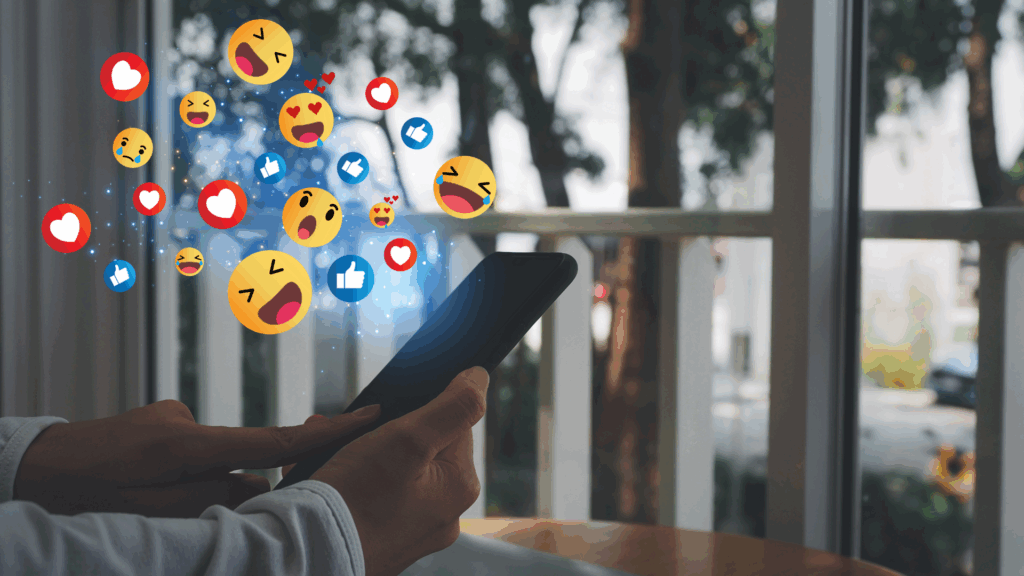
Excessive use of social media and digital devices significantly affects brain development and function in measurable ways. Constant exposure alters brain areas related to attention, memory, and emotional regulation. The brain’s reward system, particularly dopamine release, is heavily influenced by social media interactions, leading to addictive behaviors and potential mental health challenges.
Neuroplasticity and Stress
Neuroplasticity, the brain’s ability to adapt and reorganize itself, plays a crucial role in how individuals respond to stressors. For Gen Z and Millennials, the constant barrage of information and social comparison on social media can lead to chronic stress. Sustained threat activation dysregulates the autonomic nervous system in ways that compound over time. For related work in this area, see the neuroscience of stress and nervous-system regulation.
Economic Instability and Mental Health
Financial Stress and Anxiety
Economic instability is another significant factor affecting mental health trends among Gen Z and Millennials. The rising cost of living, student debt, and job market uncertainties contribute to financial stress and anxiety. Financial stress can lead to increased rates of depression and anxiety, impacting overall mental health.
Coping Mechanisms and Support Systems
Developing effective coping mechanisms and support systems is essential for managing financial stress. Community-specific mental health groups and accessible mental health care, including telehealth services, can provide much-needed support. These interventions can help individuals navigate economic challenges and maintain mental well-being.
Global Events and Their Psychological Impact

The COVID-19 Pandemic
The COVID-19 pandemic has had a profound impact on mental health trends among Gen Z and Millennials. The uncertainty, social isolation, and disruption of daily life have led to increased rates of anxiety, depression, and other mental health challenges. The pandemic has highlighted the importance of mental health care and the need for accessible services.
Psychological Resilience
Building psychological resilience is crucial in coping with global events. Resilience involves the ability to adapt to adversity and bounce back from difficult experiences. Mental health professionals can play a vital role in helping individuals develop resilience through professional support, support groups, and other interventions.
Mental Health Statistics
Prevalence of Mental Health Issues
Recent data indicate a high prevalence of mental health challenges among Gen Z and Millennials. Large national surveys indicate that most Americans have struggled with mental health in the past year, with Gen Z and Millennials reporting even higher rates.
Barriers to Seeking Care
Despite the high prevalence of mental health challenges, many individuals do not seek professional care. The RedBox Rx survey found that more than six out of ten individuals with consistent or worsening mental health struggles have not sought professional care, citing cost and mental health stigma that blocks care-seeking as significant barriers.
Why This Younger Generation Feels So Lonely

Neuroscientific Insights into Loneliness
Loneliness is a significant issue among Gen Z and Millennials, often exacerbated by social media and digital interactions. Neuroscientific research shows that loneliness and its neurological effects on young people can lead to changes in brain structure and function, particularly in areas related to social cognition and emotional regulation.
The Role of Social Media and Dating Apps
Social media and dating apps, while designed to connect people, can sometimes contribute to feelings of loneliness. The superficial nature of online interactions and the constant comparison to others can lead to feelings of inadequacy and isolation. Neuroscientific studies suggest that the brain’s reward system, which is activated by social interactions, may not be fully.
The Current Climate of Dating Apps
Psychological Impact of Dating Apps
Dating apps have become a prevalent way for Gen Z and Millennials to meet potential partners. However, the swipe culture and the emphasis on physical appearance can lead to negative psychological effects. The constant evaluation and rejection inherent in dating apps can contribute to low self-esteem, anxiety, and depression.
Neuroscientific Perspective on Dating Apps
From a neuroscientific perspective, the use of dating apps can impact the brain’s reward system . The intermittent reinforcement provided by matches and messages can lead to addictive behaviors, similar to those seen in gambling. This can result in users spending excessive amounts of time on dating apps, which can detract from real-life social interactions.
Effective Interventions for Improving Mental Health Among Gen Z and Millennials
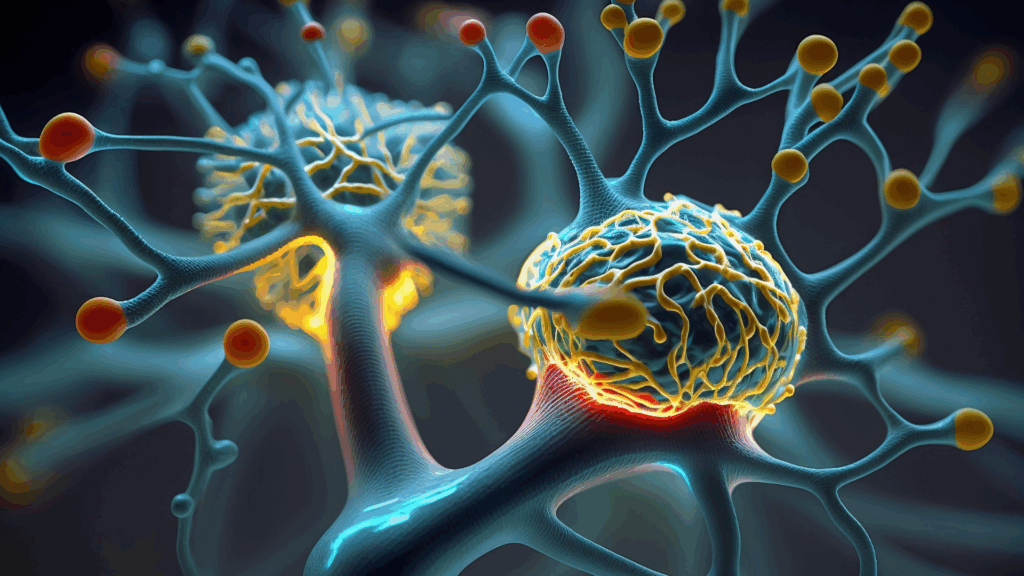
Neuroplasticity-Based Practice
Neuroplasticity, the brain’s ability to form new neural connections throughout life, is a powerful tool in neuroscience-based practice. This approach focuses on rewiring neural pathways to support positive behavioral changes and improved mental health. As a practitioner, I guide clients to:
- Identify limiting beliefs and thought patterns
- Create new, empowering neural pathways through repetition of positive thoughts and behaviors
- Engage in activities that promote neurogenesis, like learning new skills or languages
- Practice visualization techniques to strengthen desired neural connections
Neuroimaging studies have shown that consistent practice of new thought patterns and behaviors can lead to measurable changes in brain structure and function, particularly in areas related to emotional regulation, decision-making, and stress response. Doidge documents cases where deliberate neuroplasticity-based practice produced structural brain changes measurable within weeks of sustained effort. For how this fits the larger picture, see the science of regulating an overactive stress response.
Brain-Wave Optimization in Practice
Brain-wave optimization is a professional support approach that incorporates principles of brain-state regulation into everyday practices. Grounded in neuroscience research on how different brain-wave frequencies correspond to distinct mental states, this approach helps clients develop practical tools for self-regulation. In my practice, I help clients:
- Understand their dominant brain wave patterns and how they relate to mental states
- Learn techniques to shift into optimal brain states for different activities (e.g., alpha waves for relaxation, beta waves for focus)
- Develop personalized strategies to manage stress and anxiety based on individual brain patterns
- Practice intentional awareness and focused stillness techniques informed by brain-state optimization principles
Research has demonstrated that brain-state regulation interventions can lead to improvements in attention, emotional regulation, and overall mental well-being. By incorporating these principles into practice, Gen Z and Millennials can gain greater control over their mental states and develop more effective coping strategies.
Conclusion
Mental health trends among Gen Z and Millennials are influenced by various factors, including social media, economic instability, and global events. Understanding these trends from both neuroscientific and psychological perspectives can help develop effective interventions and support systems. By addressing the barriers to mental health care and promoting resilience, we can improve mental health outcomes for these younger generations.
Mental health challenges among Gen Z and Millennials raise important questions about causes, mechanisms, and evidence-based approaches to support. The answers below draw on current neuroscience research to address the questions most commonly raised by younger adults and those who support them.
Why are Gen Z and Millennials experiencing higher rates of anxiety and depression than previous generations?
The combination of constant social media exposure, economic instability, and global disruptions has created neurological stress loads that differ qualitatively from those faced by earlier generations. Chronic low-level threat activation keeps the amygdala persistently engaged, impairing the prefrontal cortex’s regulatory capacity and increasing vulnerability to anxiety and depression. These are not simply external stressors, they produce measurable neurological effects on brain development and function.
How does social media use affect the developing brain?
Constant social media exposure alters brain areas related to attention, memory, and emotional regulation by conditioning the neural reward system to respond to frequent, unpredictable social feedback signals. The dopamine-driven reward cycle creates addictive behavioral patterns, especially in adolescent brains where reward sensitivity is elevated and regulatory circuitry is still developing. The result is a brain trained for rapid, shallow social feedback rather than sustained attention and deep relational connection.
Why do young people feel lonely even when they are constantly connected digitally?
The brain’s social reward circuits are calibrated for in-person interaction, shared physical presence activates oxytocin, serotonin, and dopamine in ways that text-based and video communication cannot fully replicate. Superficial online interactions generate some reward signal but fail to satisfy the deeper need for genuine presence and reciprocal emotional attunement. Young people can have extensive digital social lives and still experience the neurological signature of social deprivation.
How does financial stress from economic instability contribute to mental health challenges in young adults?
Chronic financial uncertainty activates the same threat pathways as physical danger, elevated cortisol, reduced prefrontal function, and persistent hypervigilance that makes it difficult to access calm, forward-looking perspective. For generations navigating rising housing costs, student debt, and unpredictable employment, this chronic stress represents a persistent neurological burden that accumulates over time. The mental health consequences are predictable neurological responses to genuine environmental threat.
What neuroplasticity-based approaches are most effective for improving mental health in young adults?
Neuroplasticity-based approaches work by helping individuals identify limiting thought patterns and behavioral loops, then building new neural pathways through deliberate, repeated behavioral change. Practices that reliably produce measurable change include consistent sleep, regular physical movement, structured social connection, and mindfulness. The power of these approaches lies not in any single practice but in their cumulative effect on neural architecture over time.
References
- Davidson, R. J. (2012). The emotional life of your brain: How its unique patterns affect the way you think, feel, and live. Penguin Books.
- Sapolsky, R. M. (2017). Behave: The biology of humans at our best and worst. Penguin Books.
- Van der Kolk, B. (2014). The body keeps the score: Brain, mind, and body in the healing of trauma. Penguin Books.
- Cozolino, L. (2014). The neuroscience of human relationships: Attachment and the developing social brain. W. W. Norton.
- Doidge, N. (2007). The brain that changes itself: Stories of personal triumph from the frontiers of brain science. Penguin Books.