Emotional intelligence drives leadership performance through specific brain circuits. Learn the four neural failures that undermine teams and how to...
Read article : Emotional Intelligence and Effective Leadership: The NeuroscienceTeam Dynamics
The neuroscience of collective intelligence. Learn to build psychological safety, resolve friction, and optimize the performance of diverse teams.
9 articlesThe Collective Brain
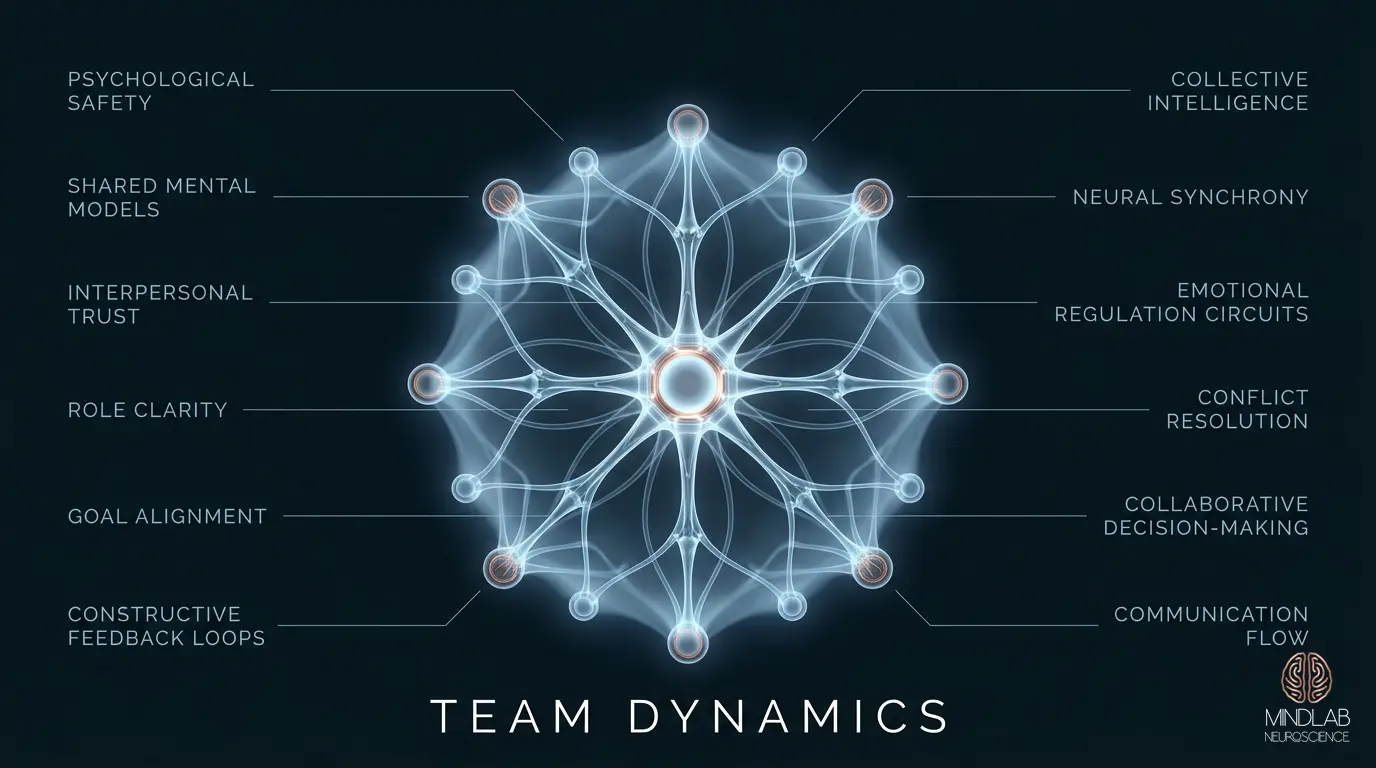
A team is not just a group of individuals; it is a “Neural Network.” High-performance teams exhibit Neural Synchronization, where the brain waves of leaders and followers actually align during effective communication. The bottleneck for this synchronization is almost always fear.
Psychological Safety
Google’s Project Aristotle found that Psychological Safety is the #1 predictor of team success.
-
The Amygdala Block: If team members fear being punished for a mistake, their amygdala activates. This shuts down the “social engagement system” and inhibits the creative centers of the brain. They stop taking risks and start “managing impressions.”
-
Trust Chemistry: Trust releases Oxytocin, which acts as a social lubricant, increasing empathy and allowing for faster information transfer between brains.
Optimizing Collaboration
-
Turn-Taking: In elite teams, conversation is distributed relatively equally. “Dominator” dynamics shut down the collective intelligence of the group.
-
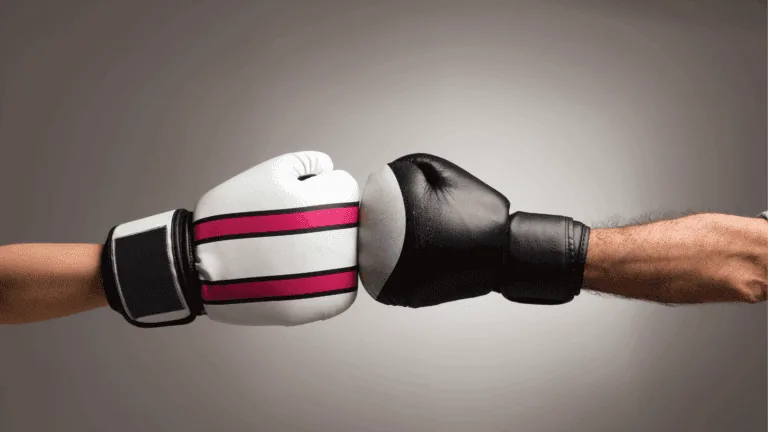
Friction vs. Conflict: Healthy teams distinguish between Task Conflict (debating ideas, which is good) and Relationship Conflict (attacking people, which is bad).

Latest Articles
Dopamine-aware leadership applies cutting-edge neuroscience to drive team motivation, engagement, and productivity. Learn why dopamine is key for leaders and...
Read article : Dopamine-Aware Leadership: Neuroscience for Motivating TeamsResistance to change is a neural protection mechanism, not a character flaw. Six neuroscience-backed techniques to move a team from...
Read article : Resistance to Change: Transforming Change in the Workplace with NeuroscienceConflict can be an asset in team negotiation and decision-making if managed constructively. Leaders must avoid groupthink by encouraging diverse...
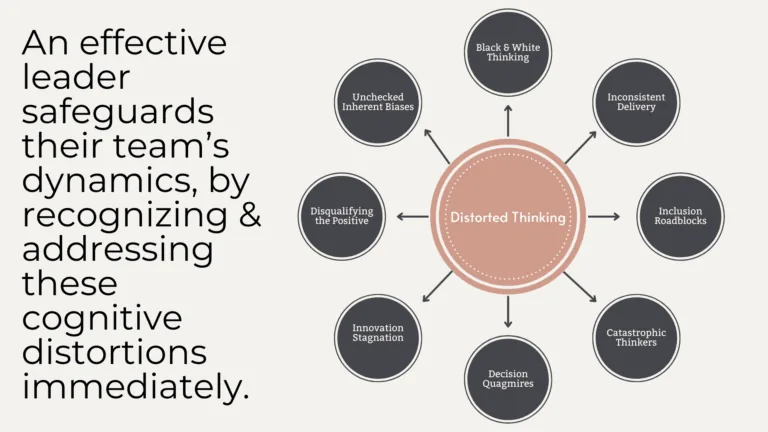
Read article : Encouraging Constructive Conflict in Team NegotiationsA leader's cognitive distortions spread to the whole team, shaping decisions, communication, and morale. The mechanisms, and how to catch...
Read article : Leadership Cognitive Distortions: How They Reshape Team DynamicsWhen a leader thinks through cognitive distortions, the pattern spreads to the whole team through three mechanisms. How to spot...
Read article : Unveiling the Impact of Cognitive Distortions on Team LeadershipEmbark on a fascinating journey into the world of personality types and their profound impact on our relationships and careers....
Read article : Optimizing Personality Understanding: A Comprehensive Guide to Different Personality TypesEmployee engagement is a brain-state problem, not a morale one. Thirteen neuroscience-backed practices that switch a team from threat to...
Read article : Optimize Employee Engagement: 13 Strategies for LeadersHigh-quality leadership is one of the strongest forces shaping long-term organizational success. The traits people most want in a leader,...
Read article : What People Want in a Leader: How Do You Measure Up?