
Key Takeaways
- Cognitive load, the efficiency of brain processing, is a core health metric, not a footnote.
- Neuroplasticity makes stress regulation, emotional control, and decision-making trainable capacities rather than fixed personality traits.
- Strength training drives BDNF release and dampens the cortisol load that amplifies the catecholamine signaling eroding prefrontal function.
- Deep sleep runs glymphatic clearance of metabolic waste; sleep quality predicts cognitive and emotional health.
- Nervous-system recovery, not surface relaxation, is the mechanism that makes self-care actually restorative.
The real story behind the current shift in women’s health is not a new diet or a new wearable, it is a change in what women are choosing to optimize. The focus has moved from appearance and short-term fixes to the underlying system that governs energy, mood, focus, and recovery: the brain and the nervous system it runs. Sustained stress reshapes the prefrontal cortex and keeps the stress response switched on; neuroplasticity means that same architecture can be deliberately rebuilt for steadier regulation, sharper decisions, and durable resilience. That is the lever almost no wellness trend touches, and it is the one that actually compounds.
Women are prioritizing resilience, balance, and sustainable strategies built to last in a fast-paced, demanding world, and the neuroscience behind that shift is clear. Cognitive load, the brain’s capacity to process and manage information efficiently, is a critical factor in overall health. As women navigate increasingly complex careers, family responsibilities, and personal aspirations, cognitive resilience becomes as essential as physical endurance. The brain behaves like a high-performance engine: it requires proper fuel, strategic rest, and a deliberate balance between stimulation and recovery.
In my practice, the women who arrive convinced they have a discipline problem almost never do. One composite I see constantly: a founder in her forties running a company while raising children, certain she simply needs more willpower. What she actually has is a nervous system that has been idling in sympathetic overdrive for so long that the prefrontal cortex, the seat of regulation, planning, and emotional control, has lost traction. No amount of willpower overrides depleted neural hardware. Rebuild the hardware, and the behavior changes on its own. That is the entire premise of a neuroscience-based approach to women’s health, and it is why building durable emotional resilience has become as central a goal as physical strength.
Research on neuroplasticity has established that the brain remains highly adaptable across the lifespan, which means women can actively rewire neural pathways to build stronger stress responses, better emotional regulation, and sharper decision-making. Combined with targeted physical strategies, this creates a foundation for lasting health. With growing awareness of neuroscience-based practices, nutrition research, and longevity science, women are adopting an integrated, evidence-based approach to well-being, one that emphasizes mental clarity, emotional resilience, strength, stress reduction, and genuine recovery rather than temporary relaxation.

Why Women’s Health Priorities Are Changing
The traditional view of self-care as indulgence is being replaced by a science-backed approach that prioritizes nervous-system recovery, hormonal balance, and cognitive resilience. Closing the women’s health gap means making these strategies accessible and designed around the specific biological and psychological needs of women. The old model, built on diet culture and appearance-based fitness, is no longer the standard. Women are increasingly choosing sustainable, performance-based practices that support cognitive health, metabolic function, and physical endurance, driven by a growing understanding that longevity, mental clarity, and the capacity to process emotion cleanly matter as much as physical fitness.
For decades, health messaging aimed at women emphasized quick fixes, calorie restriction, excessive cardio, short-term detox plans, that often produced burnout, hormone disruption, and a fraught relationship with food and exercise. A science-backed approach now takes center stage, emphasizing long-term strength, mental resilience, and overall well-being.
The key driver is the connection between neuroscience and daily choices. How women eat, move, sleep, and manage stress directly shapes brain function and emotional regulation. Instead of chasing aesthetics, women are embracing evidence-based approaches that support cognitive and physical health at once, shifting the emphasis toward neurological well-being, hormone balance, and metabolic efficiency, and aligning their priorities with longevity and disease prevention rather than temporary change.
The real shift in women’s health is not a new diet or wearable. It is women choosing to optimize the system underneath energy, mood, and focus.
Three Major Factors Shaping Women’s Health Priorities Now
- Rising awareness of mental and emotional burnout, women today carry more simultaneous responsibility than ever, driving higher stress and exhaustion. Stress management, nervous-system regulation, and resilience training have become primary priorities as more women recognize what chronic stress does to the prefrontal cortex.
- A shift toward metabolic health and strength training, rather than chasing weight loss through restriction, women are focusing on strength-building, blood-sugar regulation, and muscle preservation as pillars of longevity, optimizing metabolism, energy, and endurance for the long run.
- A greater emphasis on longevity and preventative health, more women are investing in neuroscience-backed lifestyle changes that support brain health, emotional resilience, and hormonal balance, integrating individualized nutrition, recovery-based self-care, and strength-focused fitness.
The wellness industry is no longer defining women’s health through outdated beauty standards but through mental clarity, physical strength, and emotional resilience. By prioritizing sustainable, research-backed strategies, women are reclaiming their health in a way that is genuinely effective and built for the long term.

Mental Strength and Emotional Resilience as Health Priorities
Women are recognizing that mental and emotional strength are the foundation of physical health. With rising rates of anxiety, burnout, and emotional fatigue, the emphasis is turning toward cognitive wellness and the broader science of stress, resilience, and nervous-system regulation. This is the part of the picture I spend most of my time on, because it is the part that, once rebuilt, makes every other health behavior easier to sustain.
How Mental Strength Impacts Overall Health
Cognitive resilience and the way the brain regulates its own emotional load affect nearly every aspect of physical health, including:
- Immune function and inflammation levels
- Metabolic health and weight regulation
- Hormonal balance and reproductive wellness
- Sleep quality and recovery from physical activity
Instead of relying on surface-level self-care, women are increasingly investing in nervous-system regulation and proactive emotional-health strategies that change the brain’s baseline rather than briefly masking the symptoms of overload.
Best Practices for Enhancing Mental Strength
- Cognitive reappraisal training, structured reframing and problem-solving exercises that build cognitive flexibility and strengthen decision-making under stress.
- Regulating the nervous system, cold exposure, controlled breathwork, and vagal activation through slow exhalation are becoming key tools for lowering chronic stress and improving emotional resilience.
- Neuroscience-based stress reduction, practices that shift the brain out of a chronic threat response and into calm, focused productivity.
- Protecting mental energy, setting boundaries, reducing unnecessary cognitive clutter, and managing emotional investments to prevent burnout and overload.
Together these approaches build long-term emotional strength, improving both mental clarity and overall well-being.
Self-Care for Women: A Shift Toward Deep Restoration
Traditional self-care chased surface-level relaxation. Today, self-care for women is rooted in recovery methods that restore energy, lower cortisol, and improve metabolic function, and the distinction matters neurologically, because relaxation soothes the moment while recovery rebuilds the system.
- Prioritizing deep recovery, high-quality parasympathetic activation through progressive muscle relaxation, float work, and guided breathwork to reset the nervous system.
- Optimizing dopamine balance, reducing compulsive social-media consumption, engaging in deep work, and protecting intentional leisure so the reward system recalibrates.
- Supporting cellular health, emphasis on sauna use, red-light exposure, and strategic fasting protocols informed by research on mitochondrial function and longevity.
- Managing emotional load through energy conservation, protecting mental bandwidth by limiting exposure to negativity, setting clear boundaries, and practicing intentional solitude.
This science-driven self-care gives women the tools to recover, recharge, and sustain high-performance living without grinding the nervous system down.

Optimizing Sleep for Peak Performance
Sleep is finally being recognized as one of the most important parts of women’s health. For years, disrupted sleep was accepted as the unavoidable cost of a busy life, but sleep quality directly governs long-term physical and mental health, which moves rest from luxury to non-negotiable. The connection runs deeper than feeling well-rested: deep sleep is essential for hormone regulation, cognitive function, immune support, and metabolic stability, which is why women who tighten up their circadian rhythm and sleep architecture often see mood, focus, and weight stabilize together.
One of the most overlooked aspects of sleep is brain detoxification. During deep sleep, the brain clears metabolic waste through the glymphatic system, a process that becomes inefficient when sleep is short or fragmented. Inadequate sleep is linked to memory problems, elevated neuroinflammation, and higher long-term risk for degenerative conditions. Women who protect quality sleep are investing in long-term brain health, not just next-day energy. Rather than papering over poor rest with caffeine, women are focusing on improving sleep quality at a biological level, recognizing the tight links between sleep, metabolism, and cardiovascular health, where chronic sleep loss tracks with insulin resistance, weight gain, and elevated cardiac risk.
How Women Are Improving Sleep
- Regulating circadian rhythms naturally, more morning sunlight and less artificial light at night to support melatonin and align the internal clock with daylight.
- Building an optimized sleep environment, cooler temperatures, breathable fabrics, blackout curtains, and noise reduction, all of which measurably improve sleep efficiency.
- Using wearables to track sleep stages, heart-rate variability, and deep-sleep cycles, then making targeted adjustments rather than guessing.
- Addressing stress-driven sleep disruption with guided relaxation, slow breathing, and nervous-system down-regulation before bed, since a sympathetic-dominant state keeps the brain from dropping into deep sleep.
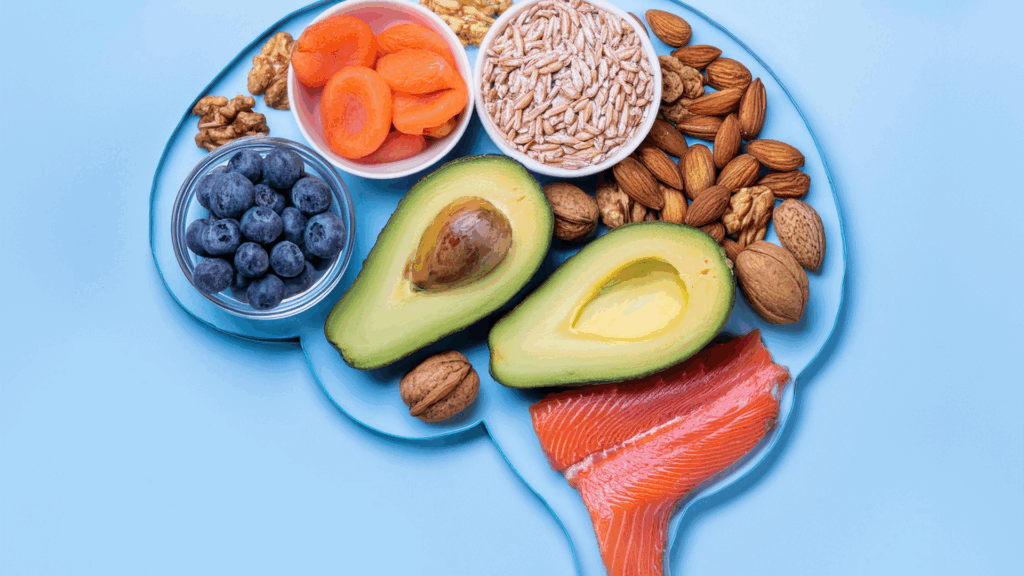
- Aligning nutrition with sleep, reducing late caffeine intake, incorporating magnesium-rich foods, and using tryptophan-containing foods that support the serotonin pathway feeding sleep regulation.
Sleep is no longer an afterthought but a foundational pillar of women’s health, on par with diet and exercise, every night of genuine rest compounding into better clarity, recovery, and emotional stability.
Women’s Health Goals Now Center on Longevity and Sustainability
The most notable shift this year is the move from short-term results to long-term sustainability. Women are choosing individualized, neuroscience-based strategies that hold strength, mental clarity, and emotional resilience steady for decades, investing in research-backed, longevity-focused habits that support physical, mental, and emotional regulation across the lifespan.
By prioritizing strength, cognitive resilience, and meaningful self-care, the new movement is laying the foundation for a healthier, stronger, more capable future, women not just living longer, but living sharper, steadier, and more fully, now and for the decades ahead.
About the Author
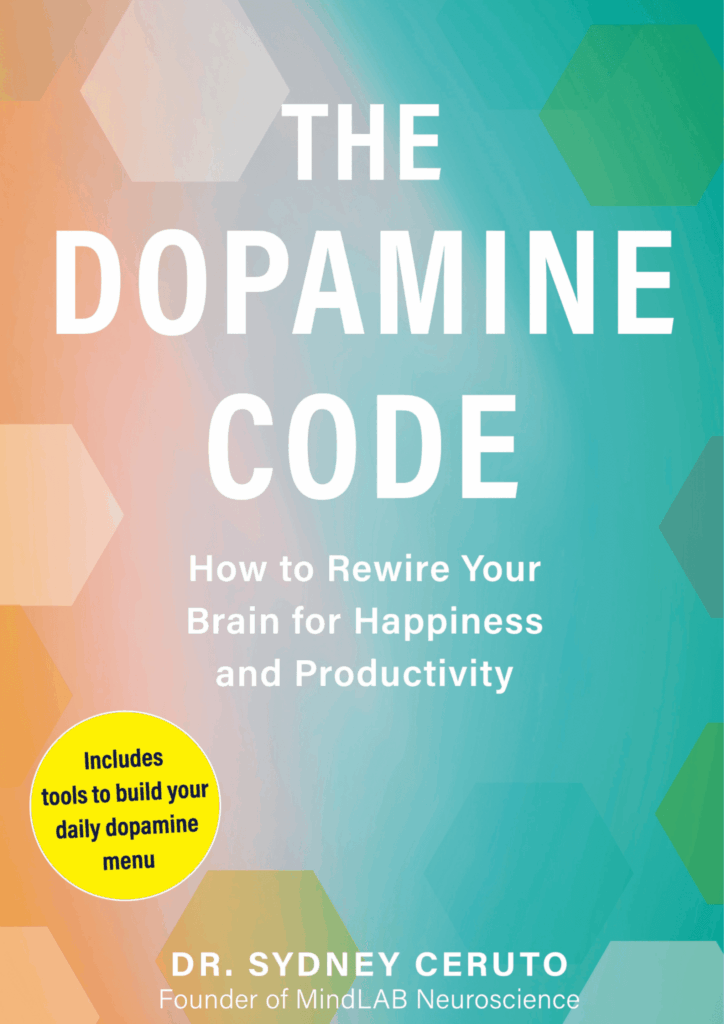
Dr. Sydney Ceruto is a neuroscientist and author, and the founder of MindLAB Neuroscience, the pioneer of Real-Time Neuroplasticity™, a proprietary methodology that durably rewires the neural pathways driving behavior, decisions, and emotional responses.
She holds a PhD in Behavioral & Cognitive Neuroscience from NYU and Master’s degrees in Clinical Psychology and Business Psychology from Yale University, and lectures in the Wharton Executive Development Program at the University of Pennsylvania.
Knowing that strength training drives BDNF or that the glymphatic system clears your brain during deep sleep is useful, but translating that knowledge into a nervous system that actually regulates itself is where most people stall. If the patterns in this article describe your experience, the next step is a focused conversation about the specific neural architecture driving them.
Why are women’s health priorities shifting toward neuroscience-based approaches?
Women are recognizing that cognitive load, the brain’s ability to efficiently process and manage information, is a critical factor in overall health. As women navigate increasingly complex careers, family responsibilities, and personal aspirations, cognitive resilience becomes as essential as physical endurance. Neuroplasticity research has revealed that women can actively rewire their neural pathways to build stronger stress responses, better emotional regulation, and sharper decision-making abilities. This science-backed understanding is replacing outdated wellness trends with targeted, measurable strategies.
How does strength training benefit women’s mental health?
Strength training produces neurological benefits that extend far beyond physical fitness. Resistance exercise triggers the release of brain-derived neurotrophic factor (BDNF), which supports neuroplasticity and the formation of new neural connections. It also regulates cortisol levels, reducing the chronic stress that impairs cognitive function. For women specifically, strength training builds both physiological and psychological resilience, the physical challenge creates neural adaptation patterns that transfer to improved stress management, emotional regulation, and confidence in navigating demanding situations.
What does effective self-care look like from a neuroscience perspective?
Effective self-care prioritizes nervous system recovery rather than temporary relaxation. This means strategies that actively downregulate the sympathetic stress response and restore the parasympathetic system, quality sleep that consolidates neural learning, movement that regulates stress hormones, and practices that reduce cognitive load rather than adding to it. The neuroscience perspective reframes self-care from indulgence to maintenance: the brain requires strategic rest, proper fuel, and a balance between stimulation and recovery to sustain high performance.
How do hormonal changes affect cognitive function in women?
Hormonal fluctuations directly influence neurotransmitter activity, affecting mood, focus, memory, and stress resilience across different life stages. Estrogen and progesterone modulate serotonin and GABA systems, which govern emotional regulation and cognitive clarity. Understanding these neurochemical interactions allows women to implement targeted strategies, adjusting nutrition, exercise intensity, and recovery practices, that support brain function through hormonal transitions rather than simply enduring the changes. This is precision health informed by neuroscience.
What is the connection between cognitive resilience and longevity for women?
Cognitive resilience, the brain’s ability to maintain performance under stress and recover efficiently, is a key predictor of long-term health outcomes. Women who build strong prefrontal cortex function through targeted mental and physical practices show better stress regulation, reduced inflammation, and slower cognitive decline over time. The combination of strength training, strategic rest, emotional regulation skills, and continuous learning creates a compound effect where each element reinforces the others, building a foundation for sustained vitality and mental clarity across decades.
References
- Gross, J. J. (2015). Emotion regulation: Current status and future prospects. Psychological Inquiry, 26(1), 1-26. https://doi.org/10.1080/1047840X.2014.940781
- Kolb, B. and Gibb, R. (2014). Searching for the principles of brain plasticity and behavior. Cortex, 58, 251-260. https://doi.org/10.1016/j.cortex.2013.11.012
- Marston, K. J., Newton, M. J., Brown, B. M., Rainey-Smith, S. R., Bird, S., Martins, R. N., and Peiffer, J. J. (2017). Intense resistance exercise increases peripheral brain-derived neurotrophic factor. Journal of Science and Medicine in Sport, 20(10), 899-903. https://doi.org/10.1016/j.jsams.2017.03.015
- Xie, L., Kang, H., Xu, Q., Chen, M. J., Liao, Y., Thiyagarajan, M., et al. (2013). Sleep drives metabolite clearance from the adult brain. Science, 342(6156), 373-377. https://doi.org/10.1126/science.1241224