Key Takeaways
- Self-compassion activates the brain’s caregiving and safety circuits rather than the threat-defense system that self-criticism engages, producing measurably different neurological and physiological outcomes.
- The three core components of self-compassion — intentional awareness, common humanity, and self-kindness — correspond to distinct neural processes that together shift the nervous system from threat mode to restoration mode.
- Chronic self-criticism sustains cortisol elevation and prefrontal suppression, impairing the executive functions required for learning from mistakes, while self-compassion restores the regulatory capacity needed for genuine growth.
- Mindfulness practice physically restructures the brain, increasing gray matter density in regions governing self-awareness and emotion regulation while reducing amygdala reactivity to perceived personal failure.
- Self-compassion is a trainable neurological skill, not a fixed personality trait, and targeted practice produces lasting changes in how the brain processes setbacks and emotional pain.
Most of us have never learned how to have compassion for ourselves. We extend warmth and understanding to friends without hesitation, yet when we face our own failures, the internal voice turns brutal. During my doctoral studies at NYU, a professor posed a question that stopped me cold: if you spoke to your friends the way you speak to yourself, would you have any? The answer was immediate and uncomfortable. I would never tell someone I cared about that they were an idiot, that they should have known better, that their mistake was unforgivable. Yet that was precisely the language I directed inward, automatically and relentlessly. The gap between how we treat others and how we treat ourselves reveals something fundamental about the way most people are wired — and understanding the neuroscience behind that gap is the first step toward closing it.
What Self-Compassion Actually Is — and What It Is Not
Self-compassion refers to the tendency to be supportive and understanding with ourselves rather than harshly critical or judgmental when we encounter difficulty, failure, or personal shortcoming. Instead of tearing ourselves to shreds when we fail or make a mistake, we soothe and comfort ourselves, providing the caring concern needed to try again. This is not self-indulgence, self-pity, or lowered standards. Research has consistently demonstrated that self-compassionate individuals are more likely to take personal responsibility for their mistakes, engage in productive behavior change, and persist through difficulty than those who respond to failure with harsh self-attack.
The confusion between self-compassion and self-indulgence runs deep in Western culture. For some reason, our culture tells us that relentless self-criticism is the way we should be — women especially — or else we will become self-centered egomaniacs. The assumption is that without the whip of self-punishment, we would have no motivation to improve. This is an empirically testable claim, and the evidence contradicts it decisively. Self-criticism activates the brain’s threat-defense system, flooding the body with cortisol and adrenaline and narrowing cognitive focus to immediate survival. Self-compassion activates an entirely different neural network — the mammalian caregiving system — which produces oxytocin, reduces cortisol, and broadens cognitive flexibility. The neurological architecture underlying these two responses could not be more different, and the outcomes they produce diverge accordingly.
The Neuroscience of Self-Criticism: Why Being Hard on Yourself Backfires
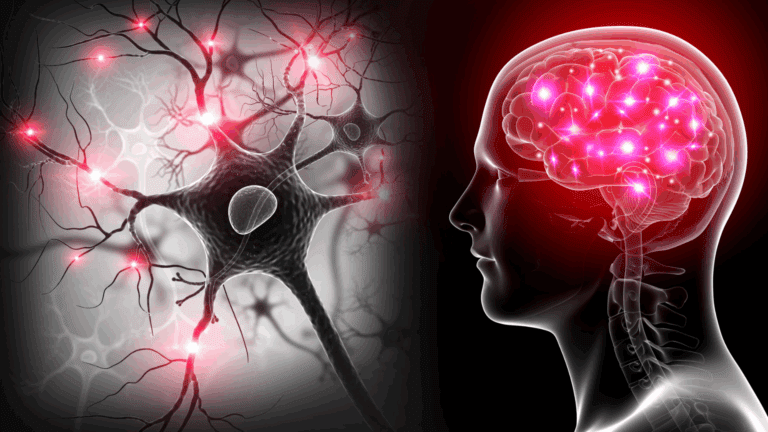
Before understanding why self-compassion works, it is worth examining precisely why self-criticism fails. When you berate yourself for a mistake — “How could you be so stupid?” — the brain registers this as a threat. The amygdala activates, triggering a cascade of stress hormones that prepare the body for danger. This response evolved to protect you from external predators, but the brain does not distinguish between a threat from outside and a threat generated by your own inner voice. The neurological consequence is identical: sustained sympathetic nervous system activation, elevated cortisol, and suppression of the prefrontal cortex — the very region you need most for clear thinking, problem-solving, and learning from the mistake that triggered the self-attack in the first place.
The neural bases of emotion regulation depend on robust communication between prefrontal regulatory circuits and the limbic system. When this communication is disrupted — whether by external stress or internal self-attack — the capacity for flexible, adaptive responding diminishes substantially. Chronic self-critics live in a state of sustained threat activation, which over time produces measurable changes in brain structure and function. The prefrontal cortex weakens while the amygdala becomes increasingly sensitized, creating a neurological architecture that favors reactive defensiveness over thoughtful engagement.
This explains why all beating ourselves up does is make us feel depressed, insecure, and afraid to take on new challenges. We fear the self-punishment that will follow if we fail, so we avoid risk entirely. It also makes it harder for us to see ourselves clearly because it is too painful — much better to blame problems on someone else than to face the inner tyrant. The self-critical cycle is self-reinforcing: the more harshly you judge yourself, the more the brain’s threat system dominates, the less access you have to the cognitive resources required for genuine self-reflection, and the more defensive and avoidant your behavior becomes. Self-criticism does not produce the improvement it promises. It produces paralysis.
The Three Pillars of Self-Compassion and Their Neural Foundations
Self-compassion is not a vague aspiration to “be nicer to yourself.” It is a structured practice built on three distinct components, each corresponding to identifiable neural processes that shift the brain from threat mode to a state conducive to learning, growth, and genuine resilience.
Intentional Awareness
When you are self-compassionate, you are aware of your own suffering. You bring your attention inward to notice your thoughts, feelings, and sensations with curiosity rather than judgment. This is not passive observation — it is a deliberate cognitive act that engages specific neural circuits. Mindfulness practice has been shown to alter cortical representations of interoceptive attention, strengthening the brain’s capacity to observe internal states without immediately reacting to them. This creates the neurological space between stimulus and response that self-criticism collapses.
Without self-compassion, you might say to yourself: “I can’t believe I’m so stressed and constantly thinking about the report that’s due tomorrow. Why is there a stupid knot in my stomach?” With self-compassion, you would notice with curiosity: “I’m noticing a knot in my stomach. I’m feeling stressed right now. I’m aware that I’m thinking about the big report that’s due tomorrow.” The difference is not cosmetic. The judgmental version activates the threat system, amplifying the stress response. The mindful version engages prefrontal observation circuits that actually dampen amygdala reactivity, producing a measurably different physiological state.
The neuroscience of mindfulness meditation confirms that sustained practice produces structural changes in the brain. Increases in regional gray matter density have been documented in areas associated with self-awareness, compassion, and introspection after as few as eight weeks of regular practice. These are not subjective impressions — they are measurable changes in brain tissue that correspond to enhanced capacity for the kind of non-judgmental self-observation that self-compassion requires.
Common Humanity
Common humanity is an aspirational concept that challenges us to consider that we all have something in common: we are all struggling mentally in some way, and we all wish to find peace. When I realize that I am not alone in my suffering, I feel comforted. When I believe my pain is unique and isolating, the distress intensifies.
You may feel isolated when you are struggling because you might think you are the only one having a tough time. Social media certainly does not help. When you are going through a difficult period and see everyone else on Instagram apparently having their best time ever, you feel even more alone. This perceived isolation activates the brain’s social pain circuits — the same neural systems that process physical pain — compounding the suffering with a layer of loneliness that makes recovery harder.
The neurological basis for why connection alleviates suffering is well documented. Social regulation of the neural response to threat demonstrates that perceived social support directly modulates the brain’s alarm circuits, reducing threat-related activation even in the presence of genuine stressors. Common humanity provides an internal version of this social regulation: by recognizing that suffering is universal rather than personal, you activate the same neural attenuation of threat that occurs when another person holds your hand during a frightening experience. Your suffering makes you a part of the human experience, not an exile from it.
Self-Kindness
This refers to your inner voice, which might sound more like an inner critic than a mentor. When you are practicing self-compassion, you approach yourself the way you approach someone you respect and appreciate — with kindness, encouragement, and mentorship. Instead of berating yourself each time you mess up, you say: “I’m human and make mistakes. What can I learn from this?” And then you move on.
The shift from self-attack to self-kindness produces measurable changes in the nervous system. Emotion regulation research has established that the strategy you use to process difficult experiences determines which neural circuits are engaged and what physiological outcomes follow. Cognitive reappraisal — the deliberate reframing of an experience in less threatening terms — engages prefrontal regulatory circuits that actively modulate amygdala reactivity. Self-kindness is, in neurological terms, a form of sustained cognitive reappraisal directed at the self. It engages the brain’s top-down regulatory architecture rather than leaving the limbic system to run unchecked.
What makes self-kindness particularly powerful is its effect on motivation. The common fear is that being kind to yourself after a failure removes the motivation to improve. The neuroscience shows the opposite. When the nervous system is in a state of safety rather than threat, the prefrontal cortex regains its full regulatory capacity, executive function improves, and the cognitive flexibility required for creative problem-solving becomes available again. Self-compassion does not lower standards. It provides the neurological conditions under which genuine learning and growth can actually occur.
Reaching Out for Support
Self-compassion does not mean that you have to deal with your suffering alone. In fact, when you are attuning to your body, you might notice that it is asking you to reach out for support. Listen to that inner wisdom. Your community members and colleagues want to support you in the same way you want to support them when they are struggling.
The human nervous system is fundamentally built for co-regulation. Social baseline theory proposes that the human brain assumes proximity to social resources as its default operating condition, and that isolation — not connection — requires additional neural effort and energy expenditure. When you reach out for support, you are not displaying weakness. You are returning the nervous system to its evolutionarily expected operating environment. The brain literally functions more efficiently, with lower metabolic cost and superior regulatory capacity, when social support is available. Please do not hesitate to ask for help if you are really having a tough time.
How Self-Compassion Rewires the Brain: The Evidence
The claim that self-compassion changes the brain is not metaphorical. Meditation and mindfulness practices — central vehicles for developing self-compassion — produce documented structural and functional changes in neural tissue. Experienced meditators show significantly different patterns of default mode network activity and connectivity compared to non-meditators, with reduced activation in self-referential processing regions associated with mind-wandering and ruminative self-focus. This finding is directly relevant to self-compassion because rumination — the repetitive, self-focused rehashing of failures and shortcomings — is the cognitive hallmark of self-criticism and a primary driver of depression and anxiety.
The default mode network — a distributed set of brain regions active during self-referential thought — plays a central role in how we construct and evaluate our sense of self. In individuals prone to self-criticism, this network becomes biased toward negative self-evaluation, generating a continuous internal monologue of inadequacy that reinforces depressive thinking patterns. Self-compassion practices directly interrupt this cycle by training the brain to engage self-referential processing without the automatic negative valence that characterizes habitual self-criticism.
Further research into the effects of mindfulness-based stress reduction has demonstrated that even eight-week programs induce brain changes similar to those observed in practitioners with thousands of hours of meditation experience. The regions most affected include the prefrontal cortex, the anterior cingulate cortex, and the insula — precisely the areas governing self-awareness, emotional regulation, and the integration of bodily signals with conscious experience. These are the neural substrates of self-compassion, and they respond to targeted practice with measurable structural enhancement.
Self-compassion is not a personality trait you either possess or lack. It is a neurological skill that strengthens with practice, producing measurable changes in brain structure and function.
Self-Compassion and Resilience: The Performance Connection
High achievers often hold the implicit belief that self-criticism is what drives their performance — that self-compassion would reduce standards, motivate complacency, or soften the edge that success requires. This belief is understandable, but it is empirically wrong. The research consistently shows that high performers who develop self-compassion maintain or improve their performance while experiencing significantly lower burnout, stronger rebound from setbacks, and more sustainable long-term trajectories.
The mechanism is straightforward when viewed through a neurological lens. When the response to a setback is harsh self-attack, the nervous system remains in a state of sustained threat activation. In this state, cognitive flexibility, creative problem-solving, and the willingness to try again become neurologically inaccessible — the prefrontal cortex is suppressed by stress hormones, and the brain defaults to rigid, defensive processing. Self-compassion deactivates the threat system and re-engages the caregiving system, creating the internal safety that allows genuine learning from failure and the motivated re-engagement required for resilient performance.
Research on self-compassion and procrastination illuminates this connection further. Procrastination is often driven not by laziness but by the desire to avoid the emotional pain of anticipated self-criticism following imperfect performance. Self-compassion disrupts this avoidance cycle by reducing the threat associated with imperfect outcomes. When failure does not trigger self-punishment, the motivation to avoid attempting the task in the first place evaporates. The result is greater engagement, not less — because the brain no longer needs to protect itself from its own evaluative system.
Building a Self-Compassion Practice: Neuroplasticity in Action
Self-compassion is not easy to do, especially if you have spent your life being hard on yourself for every little mistake. The neural pathways supporting self-criticism are well-established through years of repetition, and changing them requires deliberate, sustained practice that builds new circuits while allowing the old ones to weaken through disuse. The good news is that the brain’s capacity for this kind of reorganization — neuroplasticity — does not expire. It remains available throughout the lifespan, and the evidence shows that structured practice produces real structural change.
The neuroscience of mindfulness meditation provides the clearest roadmap for how this works. Sustained attention practices strengthen prefrontal regulatory circuits. Compassion-focused meditation activates the caregiving system and produces measurable increases in positive affect and prosocial motivation. Even working memory capacity and affective experience show protective effects from mindfulness training, suggesting that the practice builds a neurological buffer against the depleting effects of stress. These findings confirm that self-compassion practice is not merely a psychological exercise — it is a neurological intervention that restructures the hardware underlying emotional response.
I can tell you from personal experience that self-compassion is a genuine turning point. Once I began approaching myself the way I approach my friends and family, my life became much more joyful and meaningful. I am not as afraid to make mistakes because I realize I am human. I recognize when I am stressed or having a hard time, and I take time to address my pain and sadness instead of pushing through and pretending I am fine. I basically give myself a break — and that break is not a concession. It is the foundation from which everything else improves.
The practical starting point is simple but not easy: notice the next time you speak to yourself in a way you would never speak to someone you care about, and deliberately redirect that internal voice toward the kind of response you would offer a struggling friend. This is not about positive affirmations or forced optimism. It is about activating the caregiving circuits of the brain rather than the threat circuits, and allowing the neurological consequences of that shift to accumulate over time. Every act of self-compassion lays down neural pathways that make the next act of self-compassion slightly more automatic — until the new pattern begins to replace the old one.
Move Beyond Self-Criticism at the Neurological Level
If chronic self-criticism is eroding your confidence, your resilience, or your capacity to engage fully with your life and work, the path forward requires more than willpower or positive thinking. The neural circuits that maintain self-attack patterns respond to targeted, neuroscience-based intervention — not to intellectual understanding alone. Working directly with the brain’s architecture produces changes that endure because the underlying circuitry has genuinely shifted.
Self-Esteem & Identity — MindLAB Locations
References
Brewer, J. A., Worhunsky, P. D., Gray, J. R., Tang, Y. Y., Weber, J. and Kober, H. (2011). Meditation experience is associated with differences in default mode network activity and connectivity. Proceedings of the National Academy of Sciences, 108(50), 20254-20259. https://doi.org/10.1073/pnas.1112029108
Coan, J. A., Schaefer, H. S. and Davidson, R. J. (2006). Lending a hand: social regulation of the neural response to threat. Psychological Science, 17(12), 1032-1039.
Coan, J. and Sbarra, D. (2015). Social baseline theory: the social regulation of human emotion. Current Opinion in Psychology, 1, 87-91.
Etkin, A., Buchel, C. and Gross, J. J. (2015). The neural bases of emotion regulation. Nature Reviews Neuroscience, 16(11), 693-700. https://doi.org/10.1038/nrn4044
Farb, N. A. S., Segal, Z. V. and Anderson, A. K. (2013). Mindfulness meditation training alters cortical representations of interoceptive attention. Social Cognitive and Affective Neuroscience, 8(1), 15-26.
Gotink, R. A., Meijboom, R., Vernooij, M. W., Smits, M. and Hunink, M. G. M. (2016). 8-week Mindfulness Based Stress Reduction induces brain changes similar to traditional long-term meditation practice — a systematic review. Brain and Cognition, 108, 32-41.
Gross, J. J. (2015). Emotion regulation: current status and future prospects. Psychological Inquiry, 26(1), 1-26. https://doi.org/10.1080/1047840X.2014.940781
Holzel, B. K., Carmody, J., Vangel, M., Congleton, C., Yerramsetti, S. M., Gard, T. and Lazar, S. W. (2011). Mindfulness practice leads to increases in regional brain gray matter density. Psychiatry Research: Neuroimaging, 191(1), 36-43.
Jha, A. P., Stanley, E. A., Kiyonaga, A., Wong, L. and Gelfand, L. (2010). Examining the protective effects of mindfulness training on working memory capacity and affective experience. Emotion, 10(1), 54-64. https://doi.org/10.1037/a0018438
Marchetti, I., Koster, E. H. W., Sonuga-Barke, E. J. and De Raedt, R. (2012). The default mode network and recurrent depression: a neurobiological model of cognitive risk factors. Neuropsychology Review, 22(3), 229-251.
Neff, K. D. (2011). Self-compassion, self-esteem, and well-being. Social and Personality Psychology Compass, 5(1), 1-12.
Raichle, M. E. (2015). The brain’s default mode network. Annual Review of Neuroscience, 38, 433-447.
Sirois, F. M. (2014). Procrastination and stress: exploring the role of self-compassion. Self and Identity, 13(2), 128-145. https://doi.org/10.1080/15298868.2013.763404