Cognitive Reappraisal vs. Positive Thinking: What the Brain Actually Needs
Key Takeaways
- Cognitive reappraisal reinterprets the emotional signal, while positive thinking replaces it: neurologically distinct operations
- The prefrontal cortex downregulates amygdala activation through reappraisal: a cortical computation, not willpower or optimism
- Emotion regulation is trainable: the reappraisal circuit develops only during emotionally charged practice, not after
- Some negative signals are accurate: reappraisal separates signal from legacy pattern instead of overriding everything
- Expressive suppression, hiding feeling without changing it, is metabolically expensive and neurologically counterproductive versus reappraisal
Does positive thinking actually work? Not the way most people practice it. Forced positive thinking, replacing a genuine negative feeling with an affirmation, creates an internal mismatch the brain detects and amplifies. What actually changes emotional experience is a specific neural process called cognitive reappraisal: the prefrontal cortex generating alternative interpretations of an emotionally charged event rather than overriding the emotion itself. The distinction is not semantic. It is neurologically measurable. Cognitive reappraisal reduces amygdala activation through top-down inhibitory signaling. Suppression and forced positivity increase internal conflict.
In 26 years of practice, I have observed that the people who struggle most with “thinking positive” are often attempting something the brain was never designed to do, a limit rooted in how the brain structures thought and emotion. They are trying to override an emotional response with a cognitive instruction that contradicts the felt experience, and the brain treats that contradiction as a problem to solve, not a solution to implement. Understanding why this happens, and what the brain needs instead, changes everything about how you approach your own mind.
Cognitive reappraisal is one of the most widely utilized emotion regulation strategies studied in neuroscience. It is not a mindset. It is not optimism. It is a measurable cortical computation, one that the prefrontal cortex performs when it generates a different perspective on an emotionally evocative event. The research on this process spans decades, involves thousands of neuroimaging studies, and consistently demonstrates that reappraisal and suppression produce fundamentally different outcomes in the brain. This article explains the mechanism, the evidence, and what it means for anyone who has tried to think their way to a better emotional state and found it does not work.
Why Does Forced Positive Thinking Backfire in the Brain?
Overlaying a positive thought onto a genuine negative feeling without engaging the interpretive layer means the prefrontal cortex is performing conflict management, not cognitive reappraisal. The felt experience communicates one thing. The imposed instruction communicates another. The brain maintains two competing representations simultaneously, and that contradiction amplifies distress rather than reducing it.
The Mismatch the Brain Cannot Ignore
The amygdala generates emotional signals that are fast, automatic, and grounded in the brain’s assessment of actual conditions. When the prefrontal cortex introduces a contradictory narrative, “everything is fine” over a genuine feeling that things are not, the anterior cingulate cortex detects the discrepancy. The result is cognitive noise, not resolution.
Research by James Gross at Stanford University has demonstrated that emotional suppression, the effortful inhibition of emotional expression and experience, increases physiological arousal, impairs memory consolidation, and produces negative interpersonal outcomes. Suppression is metabolically expensive. The brain expends significant resources maintaining a state it knows to be false, and that expenditure compounds with every instance. The emotional response does not disappear because you have instructed it to. The amygdala continues firing. The body continues responding. Only the outward expression changes, and the brain tracks the gap between the internal state and the expressed state as an unresolved conflict.
What I observe in practice is that clients who have been practicing forced positivity for months or years often present with a specific kind of exhaustion. They are not tired from life. They are tired from the continuous internal labor of maintaining a state the brain keeps rejecting. The cognitive tax of sustained suppression is real, measurable, and frequently misidentified as burnout or depression. In many situations, the presenting complaint resolves not by adding more positive thinking but by removing the suppression task entirely and allowing the brain to process the actual signal.
Why Affirmations Make Some People Feel Worse
Affirmations occupy a specific failure mode in the brain’s processing hierarchy. When an affirmation aligns with the actual felt state, it can reinforce a constructive narrative. When it directly contradicts the felt state, the more common scenario, the brain registers the contradiction as a conflict requiring resolution, creating an internal dissonance that amplifies rather than reduces distress.
Individuals with low self-esteem who repeat positive self-statements often feel worse afterward, not better. The mechanism is consistent with what the neuroscience of cognitive reappraisal predicts: when the cognitive instruction contradicts the emotional baseline, the brain does not update the baseline. It amplifies the monitoring of the discrepancy. The cognitive appraisals generated by forced affirmation are not reappraisals. They are impositions, and the brain treats them accordingly.
I have watched this pattern across hundreds of individuals in professional situations. Someone in a genuinely difficult situation (a relationship fracturing, a professional failure, a sustained period of uncertainty) begins telling themselves “I am strong, I am capable, I attract positive outcomes.” The statements may be objectively accurate in other contexts. But in the moment of genuine distress, they register as noise layered on signal. The brain’s emotional response is not optimism. It is increased monitoring for the discrepancy between what is felt and what is being claimed.
What Is Cognitive Reappraisal and How Does It Differ From Positive Thinking?
Cognitive reappraisal is the deliberate reconstruction of the meaning of an emotionally charged event. Rather than replacing the emotional signal, reappraisal reinterprets it: the prefrontal cortex generates an alternative frame for the same experience. The amygdala fires. The emotional response is real.
This is not wishful thinking. It is a specific cortical computation with measurable neural correlates. The process of deliberately viewing a situation from a different perspective engages specific brain regions that suppression and forced positivity do not activate.
Reappraisal as a Cortical Computation, Not a Mindset
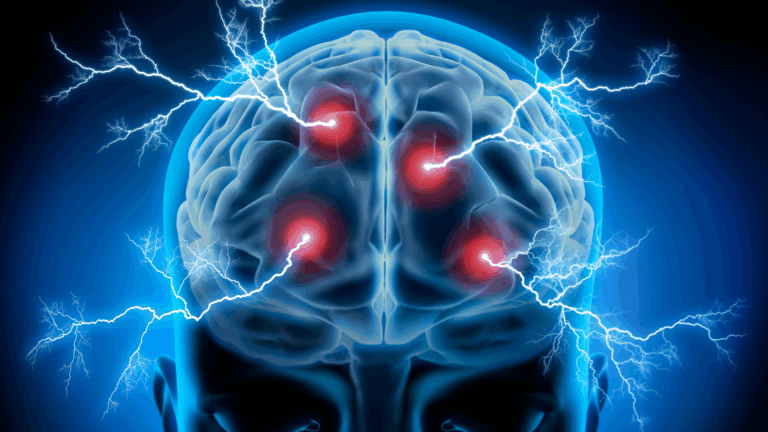
The ventrolateral prefrontal cortex and medial prefrontal cortex function as the regulatory counterpart to the amygdala. When these brain regions engage with an emotionally charged experience, they can generate alternative interpretations: reassessing understandings of threat as challenge, loss as information, uncertainty as possibility. Each reframe modulates the amygdala’s output through a direct inhibitory pathway.
Cognitive reappraisal, rethinking the meaning of a stressful event, reduces subjective distress, decreases amygdala activation, and sustains lower physiological arousal compared to emotional suppression. Neuroimaging meta-analyses confirm that reappraisal consistently engages the lateral and medial prefrontal cortex while simultaneously reducing amygdala activation. The critical distinction: reappraisal works with the emotional signal. Suppression and forced positivity try to override it. The brain responds differently to each.
The person who reappraises a job loss as an inflection point that creates space for realignment is not deluding themselves. They are engaging a prefrontal computation that changes how the amygdala processes the event. The person who forces themselves to feel grateful for the same loss without engaging the interpretive layer is creating a conflict the brain will track until it is resolved. Reframing is not the same as replacing. The distinction is the difference between regulating emotions effectively and suppressing them at a cost.
| Strategy | What It Does | Neural Mechanism | Long-Term Outcome |
|---|---|---|---|
| Cognitive Reappraisal | Reinterprets the meaning of the emotional event | Prefrontal cortex generates alternative interpretation → downregulates amygdala via top-down inhibitory signaling | Reduced distress, lower physiological arousal, strengthened prefrontal-amygdala circuit, durable emotional flexibility |
| Expressive Suppression | Hides outward expression without changing the internal experience | Prefrontal cortex inhibits behavioral output while amygdala continues firing at full intensity | Increased physiological arousal, impaired memory, social cost, progressive cognitive depletion |
| Forced Positive Thinking | Overlays a positive narrative onto a genuine negative feeling | Anterior cingulate cortex detects mismatch between felt state and imposed thought → amplifies internal monitoring | Increased cognitive noise, exhaustion from sustained conflict management, worse outcomes for those with low self-esteem |
| Avoidance | Removes exposure to the emotional trigger entirely | Amygdala’s threat classification is confirmed by escape behavior → strengthens the fear pathway | Progressive narrowing of tolerated experiences, maintained or intensified emotional reactivity |
The Prefrontal-Amygdala Circuit That Produces Real Optimism
Durable optimism is not a personality trait or a decision. It is the result of a well-developed prefrontal-amygdala regulatory circuit, one that reliably generates alternative interpretations in response to threatening or distressing signals. People who are genuinely optimistic are not suppressing negative feelings.
This distinction matters because it explains why some people seem naturally resilient while others struggle despite considerable effort. The difference is not character. It is circuit strength. And circuit strength is trainable, but only through the right kind of practice, using regulation strategies that engage the circuit during emotional activation rather than after it.
| Strategy | Brain Mechanism | Amygdala Effect | Cognitive Load | Long-Term Outcome |
|---|---|---|---|---|
| Cognitive Reappraisal | Prefrontal cortex generates alternative interpretation | Decreases activation (top-down inhibition) | High initially, decreases with practice | Durable change: schema updates; builds prefrontal capacity |
| Forced Positive Thinking | Prefrontal cortex imposes contradictory narrative | No decrease: conflict signal amplifies monitoring | Sustained high: two competing representations | Exhaustion: cognitive noise compounds; presents as burnout |
| Expressive Suppression | Inhibits expression without modifying signal | No decrease: amygdala continues full cascade | Continuous high: felt vs. expressed state gap | Increased arousal, impaired memory, reduced satisfaction |
| Avoidance | Removes exposure to emotional trigger | Temporary reduction; sensitization over time | Low in moment; cumulative cost from restriction | Reinforces threat model; shrinks behavioral repertoire |
What Is Expressive Suppression and Why Does the Brain Treat It Differently?
Expressive suppression is the deliberate inhibition of emotional expression, hiding what you feel without changing how you feel. It is one of the most studied emotion regulation strategies in the literature and consistently produces worse outcomes than cognitive reappraisal across every dimension measured: physiological arousal, subjective experience, social functioning, and long-term emotional health.
The distinction between reappraisal and expressive suppression is not subtle. Reappraisal changes the generation of the emotional response by altering its meaning before the full cascade activates. Expressive suppression intervenes after the emotional response has already been generated, attempting to mask the output without modifying the input. The brain is still producing the full emotional signal (the amygdala fires, the autonomic nervous system responds, stress hormones release), but the person prevents the outward expression. The internal experience remains unchanged or intensifies.
The Metabolic Cost of Hiding What You Feel
Gross and John’s foundational work shows that habitual suppressors, individuals who chronically use expressive suppression as their primary regulation strategy, experience less positive emotion, more negative emotion, worse interpersonal functioning, and lower life satisfaction compared to habitual reappraisers.
In my practice, I see the consequences of chronic suppression regularly. A client who has spent years managing high-pressure situations by suppressing their emotional responses, maintaining composure while internally escalating, eventually presents with what appears to be cognitive decline or concentration difficulty. Their working memory is compromised not because of any structural deficit but because of the continuous cognitive load imposed by the suppression task. The regulator system is overwhelmed not by the emotions themselves but by the effort of concealing them.
Why Suppression Fails as an Emotion Regulation Strategy
Suppression fails as a long-term regulation strategy for a straightforward neurological reason: it does not modify the emotional signal. The amygdala continues generating the same threat or distress response. The autonomic nervous system continues producing the same physiological activation. The only thing that changes is the behavioral output: the face, the voice, the observable expression.
Research using EEG and functional neuroimaging has consistently shown that suppression increases rather than decreases physiological arousal. The heart rate goes up. Cortisol levels rise. The anterior cingulate cortex, the brain’s conflict monitor, shows sustained activation during suppression, indicating that the brain is actively managing the conflict between felt experience and expressed behavior rather than resolving it. This stands in direct contrast to cognitive reappraisal, where amygdala activation decreases and autonomic arousal normalizes as the reinterpretation takes hold.
The way you handle your emotions today is building the brain you will have tomorrow. Each instance of effective reappraisal strengthens the prefrontal pathway. Each instance of suppression trains the brain to manage conflict rather than resolve it.
How Does Emotion Regulation Shape the Brain Over Time?
Emotion regulation is not a single act. It is a developmental process that physically reshapes the brain regions involved in emotional processing and cognitive control. The regulation strategies a person relies on habitually (whether reappraisal, suppression, avoidance, or rumination) sculpt the structural and functional architecture of their prefrontal cortex, amygdala, and the connections between them.
Structural Changes From Habitual Reappraisal
Neuroimaging research has demonstrated that individuals who habitually use cognitive reappraisal show greater cortical volume in the ventrolateral and dorsolateral prefrontal cortex, the brain regions most directly involved in generating alternative interpretations and exerting cognitive control over emotional reactions. Conversely, individuals who habitually suppress show reduced prefrontal volume and increased amygdala reactivity.
This structural finding has a practical implication that I emphasize with every client: the way you handle your emotions today is building the brain you will have tomorrow. Each instance of effective reappraisal strengthens the prefrontal pathway. Each instance of suppression trains the brain to manage conflict rather than resolve it. Over months and years, these differences in daily regulation strategies compound into meaningful structural variations in the brain regions that govern emotional life.
Research published in Social Cognitive and Affective Neuroscience found that reappraisal ability was positively correlated with gray matter volume in the dorsomedial prefrontal cortex. The individuals who were most skilled at generating alternative interpretations of negative events had measurably more neural tissue in the region responsible for that cognitive operation. This is the neuroanatomical evidence that emotion regulation is not a talent but a trained capacity, and the training must involve the right regulation strategies, not just any strategy.
The Schema Updating Mechanism
A complementary view holds that the efficacy of cognitive reappraisal depends on schema updating, the process by which the brain modifies its stored interpretive frameworks (schemata) in response to new information. According to this model, successful reappraisals do not simply substitute one interpretation for another.
This schema-based understanding of reappraisal explains why some reappraisals produce lasting change while others feel effortful and temporary. When the reappraisal merely adds an alternative interpretation without updating the schema, the person must consciously regenerate the alternative each time the situation recurs. When the reappraisal updates the schema itself, the new interpretation becomes the default, the brain’s automatic first response rather than its deliberate second thought. The schema enrichment that occurs during effective reappraisal is what separates temporary cognitive tricks from durable emotional change.
The people who develop genuine optimism are not the ones who practiced positive thinking. They are the ones who built a prefrontal regulatory circuit strong enough to reinterpret threatening signals before the amygdala finishes its cascade. Optimism is not a belief. It is a brain architecture.
In practice, I see this distinction constantly. A client who intellectually understands that a colleague’s criticism reflects the colleague’s stress rather than the client’s incompetence may need to regenerate that reappraisal every time the colleague criticizes them. But a client whose underlying schema has shifted, who now automatically processes criticism as information about the speaker rather than information about the self, does not need to reappraise at all. The emotional response has changed at the generation level because the schema that drives the initial cognitive appraisals has been updated.
What Does the Neuroscience Research Actually Measure?
The science of cognitive reappraisal relies on specific measurement tools that reveal what the brain does during emotion regulation in real time. Understanding these methods matters because it separates the neural evidence from the self-help speculation. When neuroscience claims that reappraisal “works,” that claim rests on specific, replicable observations, not subjective reports of feeling better.
EEG and the Temporal Signature of Reappraisal
Electroencephalography (EEG) measures electrical activity across the scalp and reveals the timing of neural processes with millisecond precision. Prefrontal EEG studies of cognitive reappraisal have identified a characteristic temporal pattern: when participants are instructed to reappraise a negative image or scenario, prefrontal activation increases within 500-1000 milliseconds, followed by a measurable reduction in the late.
The LPP reduction during reappraisal is one of the most robust findings in the emotion regulation literature. It indicates that reappraisal does not merely change how people report feeling about an event. It changes how the brain categorizes the event’s emotional significance at a perceptual level. The alpha wave activity in frontal regions during successful reappraisal also shifts, reflecting increased cognitive engagement in the prefrontal cortex during the generation of alternative interpretations.
This temporal precision is important because it demonstrates that reappraisal is an active cognitive process, not a passive shift in attitude. The brain is performing specific computational operations (engaging prefrontal brain regions to modulate the amygdala’s output), and those operations have a measurable timeline that EEG captures.
Functional Neuroimaging: Which Brain Regions Drive Reappraisal?
Functional magnetic resonance imaging (fMRI) studies have mapped the specific brain regions involved in cognitive reappraisal with considerable precision. Neuroimaging consistently identifies the same network: reappraisal activates the dorsolateral prefrontal cortex, the ventrolateral prefrontal cortex, the dorsomedial prefrontal cortex, and the inferior parietal lobule.
This network is not the same as the network engaged during suppression. Suppression activates the lateral prefrontal cortex and the anterior cingulate cortex but does not produce the characteristic amygdala downregulation seen in reappraisal. The brain regions engaged during suppression are performing a different task, monitoring and managing conflict rather than resolving the emotional signal at its source. Different regulation strategies engage different neural architectures and produce different outcomes.
The cognitive load imposed by reappraisal is also different from the cognitive load of suppression. Reappraisal requires effortful processing during the initial generation of the alternative interpretation but then reduces ongoing demand as the new interpretation stabilizes. Suppression requires continuous effortful processing because the original emotional signal never changes: the brain must keep managing the discrepancy between felt experience and expressed behavior for as long as the suppression continues.
Why Do Some People Reappraise Better Than Others?
Not everyone reappraises with equal effectiveness, and this variability is not random. Individual differences in reappraisal ability are linked to measurable characteristics of brain structure, neural connectivity, personality trait profiles, and prior experience with emotion regulation. Understanding these differences is clinically important because it determines where intervention should focus for each individual.
Trait-Level Differences in Cognitive Reappraisal
Research using the Emotion Regulation Questionnaire (ERQ), developed by Gross and John, has identified stable trait-level differences in how frequently individuals use reappraisal versus suppression as their default regulation strategy. These trait differences predict outcomes across virtually every domain studied: people who score high on habitual reappraisal experience more positive emotion, report greater life satisfaction.
But the trait measure only captures frequency of use. The capacity to reappraise effectively also varies, and this capacity difference maps onto structural brain characteristics. Individuals with greater prefrontal cortical thickness and stronger connectivity between the prefrontal cortex and the amygdala demonstrate more effective emotion regulation during laboratory tasks. The regulator and the regulated are physically connected, and the strength of that connection predicts how well reappraisals succeed in reducing amygdala activation.
What I find significant is that these individual differences are not fixed. They shift in response to sustained practice. A client who initially struggles to generate alternative interpretations during emotional activation, whose reappraisal attempts feel effortful and unconvincing, can develop measurably stronger reappraisal capacity over months of deliberate practice. The trait is not destiny. The trait is a starting point that tells me how much circuit development a particular individual needs.
When Automatic Reappraisal Develops
One of the most important findings in the reappraisal literature is that cognitive reappraisal can become automatic. Early in training, reappraisal is deliberate and effortful: the person must consciously generate an alternative interpretation while the emotional signal is active. This process requires significant cognitive control resources and competes with the emotional experience for processing capacity.
But with sustained practice, the deliberate process becomes increasingly automatic. The prefrontal cortex begins generating alternative interpretations without conscious initiation. The person does not decide to reappraise: the brain reappraises as its default first response. This transition from deliberate to automatic reappraisal represents a fundamental shift in how the brain processes emotional events.
Research demonstrates that automatic emotion regulation, regulation that occurs without conscious effort or awareness, is associated with better emotional outcomes than deliberate regulation alone. The individuals who showed automatic regulatory responses to negative stimuli reported less distress and showed less physiological reactivity than those who relied on deliberate regulation. The goal of reappraisal training, then, is not to become better at consciously rethinking situations. It is to build the circuit to the point where rethinking is the brain’s automatic first response.
How Does Cognitive Reappraisal Apply to Specific Emotional Situations?
The evidence for cognitive reappraisal is not confined to laboratory experiments with negative images. The process operates across the full range of emotionally charged situations people actually face: anxiety, depression, workplace stress, relationship conflict, grief, and chronic uncertainty. The specific application of reappraisal varies by situation, and understanding those variations matters for effective emotion regulation.
Anxiety and Threat Overestimation
Why your brain is wired for anxiety involves the amygdala generating threat signals in situations that may not contain actual danger. The brain’s threat detection system is calibrated toward false positives: it is evolutionarily safer to perceive threat where none exists than to miss real danger.
This recalibration is a genuine reappraisal because it does not deny the emotional signal. It reinterprets the signal’s source. The person is not told to feel differently. They are offered a different cognitive framework for understanding why they feel the way they do. The framework changes the downstream processing because the brain no longer needs to resolve the conflict between felt danger and asserted safety. Instead, it can evaluate whether the pattern-matched threat is actually relevant to the current situation.
In practice, I find that anxiety responds to reappraisal more readily than most people expect, but only when the reappraisal is specific. General reassurance fails. Specific reappraisal, “your amygdala is running a pattern match from a situation three years ago that resembles this one but differs in these specific ways”, succeeds because it gives the prefrontal cortex actual information to work with rather than an instruction to ignore the alarm.
Depression and the Negative Interpretation Bias
Major Depressive Disorder (MDD) presents a different reappraisal challenge. In depression, the cognitive appraisals are biased systematically toward negative interpretation, not because the amygdala is overfiring (though it may be) but because the prefrontal interpretive system is generating negatively skewed meanings. Events that a non-depressed brain would interpret neutrally or positively are assigned negative significance by default.
Research has shown that individuals with MDD demonstrate reduced prefrontal activation during reappraisal tasks compared to healthy controls. The neural infrastructure for reappraisal is present but underperforming: the prefrontal cortex generates alternative interpretations with less vigor and less success in downregulating the amygdala. This is consistent with the professional observation that depressed individuals can often identify alternative interpretations intellectually but cannot make those alternatives feel real or compelling.
The implication for the approach is that emotion regulation in depression cannot rely on standard reappraisal instructions alone. The system that performs the reappraisal is itself compromised. What I do differently in practice is build the reappraisal circuit incrementally, starting with low-intensity emotional situations where the prefrontal system can still function as an effective regulator, and gradually increasing intensity as the circuit strengthens. Asking a depressed brain to reappraise a core negative belief about the self is like asking an injured muscle to lift its maximum weight. The capacity must be rebuilt from manageable loads.
Workplace Stress and Situational Reappraisal
Workplace situations present reappraisal opportunities that differ from professional anxiety or depression in an important way: many workplace stressors are genuinely ambiguous. A critical email from a supervisor could reflect genuine performance concerns or a supervisor having a bad day. A reorganization could signal career threat or career opportunity.
The challenge in workplace situations is that the emotional response often drives behavior before reappraisal can engage. A person reads a critical email, experiences an amygdala-driven threat response, and responds defensively, all within the time window before the prefrontal cortex can generate an alternative interpretation. This is why reappraisal training matters: with a stronger regulatory circuit, the alternative interpretation generates faster, and the gap between the emotional response and the regulatory response narrows until the two become nearly simultaneous.
Relationships and Interpersonal Emotion Regulation
Relational situations add a layer of complexity because emotion regulation occurs not only within individuals but between them. When two people interact, each person’s emotional responses influence the other’s regulatory task. Research on interpersonal emotion regulation (IER) has demonstrated that one partner’s reappraisal capacity affects the other partner’s emotional experience: effective reappraisers create calmer.
This interpersonal dimension is something I emphasize with clients who question why investing in their own emotion regulation matters beyond their own experience. Your reappraisal capacity shapes the emotional environment you create for others. A parent who reappraises effectively during a child’s tantrum creates a different regulatory context than a parent who suppresses or escalates. A leader who reappraises during a crisis creates a different team dynamic than one who projects unprocessed anxiety. Emotion regulation is not a private cognitive exercise. It is a social force that shapes the situations other people must navigate.
Can You Train Your Brain to Reappraise Automatically?
Yes, but not through repetition of positive statements. Reappraisal training requires engaging the ventrolateral and medial prefrontal cortex during emotionally charged moments, not after them. The brain learns reappraisal through live practice, and the timing is the variable that determines whether the circuit develops.
The most common frustration I hear from clients is: “I know how to reframe this. I understand the alternative interpretation. But I cannot do it in the moment when the feeling is overwhelming.” That gap between knowing and doing is not a willpower problem. It is a timing problem. The reappraisal circuit needs to be activated during the emotional event, when the prefrontal-amygdala pathway is engaged and plastic, not hours or days later when the client has calmed down and can think clearly.
This is why standard approaches (journaling about difficult experiences, completing thought records after the fact, discussing emotional events in a retrospective setting) produce limited results for many people. These practices engage the prefrontal cortex, but they engage it when the amygdala is no longer firing. The circuit that needs training is not active. The brain learns one thing during emotional activation and a different thing during calm reflection. For the reappraisal pathway to strengthen, the two must coincide.
Reappraisal Techniques That Build the Circuit
Effective reappraisal techniques share a common feature: they engage the prefrontal cortex during emotional activation rather than after it. The most effective approaches I have identified across 26 years of practice involve three components operating simultaneously. The underlying neural mechanisms involve coordinated activity across cortical and subcortical regions.
First, real-time signal identification. Rather than labeling the experience with a feeling word (“I feel anxious”), the process identifies the neural event driving the experience. Is this an amygdala threat response? An anterior cingulate error-detection loop? A default mode network rumination cycle? The specificity matters because each pattern requires different reappraisal content. Reappraisal is not one-size-fits-all: the alternative interpretation must address the specific cognitive process that generated the original emotional response.
Second, validity assessment. Not every negative signal should be reappraised. The brain sometimes produces negative emotional responses that contain accurate information about genuinely problematic situations. Reappraising a valid signal is not regulation. It is denial, and the brain will override it eventually. Effective reappraisal techniques include a discrimination step: Is this signal tracking a real-world condition that requires action, or is it running a legacy pattern from a past situation that resembles but does not match the current one?
Third, live circuit engagement. The reappraisal must occur while the emotional signal is active. Not before it fires (the circuit is not engaged). Not after it resolves (the circuit is no longer plastic). During. This timing window is narrow and uncomfortable, which is precisely why most people avoid it and why most regulation strategies fail to produce lasting change.
What I observe is that the individuals who develop strong automatic reappraisal are those who practice during emotional activation, who engage the interpretive layer while the feeling is live, not after it has passed. This is considerably harder than retrospective reflection, but it is what the neuroscience of circuit development requires.
What Does a Neuroscientist Do Differently About Negative Thinking?
The approach I take in my practice differs from standard reframing in one critical dimension: timing. Real-Time Neuroplasticity™ intervenes during the neural window when the prefrontal-amygdala circuit is actively processing, not after the emotional event, when the circuit is no longer engaged.
The three components of this approach:
First, I identify the specific emotional signal the brain is producing, not the thought, not the narrative, but the neural event underneath it. A client may describe their experience as “I feel like a failure.” The neural event driving that experience might be an anterior cingulate cortex error-detection loop, an amygdala threat response to an ambiguous social signal, or a default mode network rumination cycle. Each requires a different intervention, and the signal, not the story, determines the path. The cognitive appraisals a person reports are the surface. The neural pattern generating those appraisals is what must be addressed.
Second, I determine whether the signal contains real information or is running a legacy pattern. Not all negative feelings should be reappraised. Sometimes the brain is correctly flagging a situation that requires attention: a relationship that is genuinely unsafe, a professional environment that is unsustainable, a commitment that contradicts the person’s actual values. Effective practice distinguishes between signal and noise. Reappraising a genuine danger signal is not optimism. It is denial, and the brain will override it eventually. This discrimination between valid and outdated signals is a critical regulation strategy that most approaches skip entirely.
Third, I build the reappraisal circuit through real-time intervention when the emotional signal is live. The ventrolateral prefrontal cortex is most plastic, most capable of forming new regulatory pathways, during moments of emotional activation. Working with the brain during these windows produces circuit-level changes that retrospective exercises cannot access. This is the difference between understanding reappraisal intellectually and developing it as an automatic neural capacity.
The practical implication is significant. Standard reframing teaches people to think differently about their experiences after the fact. Real-Time Neuroplasticity™ trains the brain to process differently during the experience itself. The client does not learn a new cognitive strategy. They develop a stronger regulatory circuit, one that engages automatically when the amygdala fires, rather than requiring conscious effort to override the initial response. The generation of the alternative interpretation becomes part of the brain’s default processing, not an add-on applied after the fact.
How Does Cognitive Reappraisal Relate to Cognitive Load and Performance?
The relationship between emotion regulation and cognitive performance is bidirectional. Effective reappraisal improves cognitive performance by freeing working memory resources. Ineffective regulation, particularly suppression, degrades cognitive performance by consuming those same resources. Understanding this relationship explains why emotional dysregulation so often presents as concentration difficulty, decision fatigue, or executive function impairment.
The Working Memory Trade-Off
Working memory has a limited capacity. When a person is simultaneously processing emotional distress and attempting to perform a cognitive task, the two demands compete for the same prefrontal resources. The regulation strategy the person uses determines how that competition resolves.
Suppression is resource-intensive and continuous. It requires sustained cognitive control to maintain the gap between felt experience and expressed behavior. This continuous demand reduces the working memory capacity available for other tasks: reading, decision-making, creative problem-solving, social processing. Research has demonstrated that participants instructed to suppress their emotional responses while performing a concurrent cognitive task show measurably worse performance on the cognitive task compared to participants instructed to reappraise.
Reappraisal is also resource-intensive, but only during the initial generation of the alternative interpretation. Once the reappraisal stabilizes, once the new interpretation becomes the dominant frame, the cognitive demand decreases. The prefrontal cortex is no longer managing a conflict. It has resolved the conflict by changing the interpretation. Working memory resources are freed for other tasks because the emotional signal has been genuinely modified, not merely masked.
This finding has direct implications for anyone operating in high-pressure situations where both emotional regulation and cognitive performance are required simultaneously. The executive making critical decisions during a crisis. The professional navigating a career transition while maintaining daily performance. The individual managing family conflict while sustaining work output. In each situation, the regulation strategy chosen, reappraisal versus suppression, determines how much cognitive capacity remains available for the task at hand.
What is cognitive reappraisal in simple terms?
Cognitive reappraisal is the process of deliberately changing what an emotional experience means, rather than suppressing the emotion itself. When the brain encounters a negative trigger, reappraisal generates a different perspective: interpreting criticism as feedback rather than attack. The prefrontal cortex generates this alternative interpretation and, through direct neural connections, reduces the amygdala’s threat response.
What is an example of a cognitive reappraisal situation?
A person receives a critical performance review at work. The initial emotional response, driven by the amygdala, registers threat, shame, and defensive anger. With reappraisal, the prefrontal cortex generates an alternative interpretation: the review contains specific information about skill gaps that, if addressed, could accelerate professional growth. The emotional significance shifts from personal attack to actionable data, and the person can engage with the feedback productively.
What are the 4 R’s of emotion regulation?
The 4 R’s framework provides a sequential approach to emotion regulation: (1) Recognize the emotional signal without judgment. (2) Reflect on whether the signal contains accurate information or reflects a legacy pattern. (3) Reappraise the meaning by generating an alternative interpretation. (4) Respond from the reappraised position, allowing behavior to follow the updated interpretation rather than the initial emotional impulse.
Why do affirmations make me feel worse?
When an affirmation contradicts your felt state, the brain detects the mismatch. The prefrontal cortex then manages conflict between two competing signals rather than regulating the emotion. The anterior cingulate cortex flags the discrepancy, amplifying internal monitoring rather than reducing distress. Individuals with low self-esteem who repeat positive self-statements feel worse afterward, consistent with what neuroscience predicts about mismatch detection.
What is the difference between cognitive reappraisal and standard reframing?
Significant overlap exists, but the key distinction is timing. Standard reframing is typically applied retrospectively: after the emotional event, during calm reflection. Cognitive reappraisal is most effective during the emotional event, when the prefrontal-amygdala circuit is actively processing. Additionally, effective reappraisal involves updating the underlying schema that generated the original interpretation, while standard reframing often adds an alternative interpretation without changing the default.
Can you become a naturally optimistic person through brain training?
Building a stronger default reappraisal circuit is achievable. With consistent practice during emotionally charged moments, the prefrontal cortex’s regulatory pathway becomes the brain’s preferred response rather than its effortful exception. Meaningful shifts in automatic reappraisal typically emerge over months of deliberate practice during live emotional activation. What people call “natural optimism” is, neurologically, a well-developed prefrontal-amygdala pathway that generates positive reappraisals with minimal conscious effort.
Is it ever harmful to reappraise a negative experience?
Yes, when the negative signal contains accurate information. Not all distress should be reappraised. Sometimes the brain is correctly flagging a dangerous situation, a relationship that is causing real harm, or an unsustainable commitment. Effective practice distinguishes between signal and noise. Reappraising a genuine danger signal suppresses adaptive information. The goal is not eliminating negative feelings. The goal is distinguishing between feelings that reflect reality and feelings that reflect legacy patterns the brain has not updated.
How does cognitive reappraisal affect physiological responses?
Cognitive reappraisal produces measurable changes in autonomic nervous system activity. Successful reappraisal reduces heart rate, decreases cortisol secretion, lowers skin conductance, and normalizes respiratory patterns. When reappraisal downregulates amygdala activation, the body’s stress response decreases correspondingly. In contrast, expressive suppression increases physiological arousal even when it successfully reduces outward emotional expression.
How long does it take to develop effective cognitive reappraisal skills?
The timeline depends on existing prefrontal-amygdala circuit strength, the emotional intensity of situations being regulated, and consistency of practice. Most individuals begin noticing shifts in automatic emotional responses within 8-12 weeks of consistent practice during live emotional activation. The shift is gradual: the generation of alternative interpretations becomes faster, requires less conscious effort, and produces more compelling results the brain actually adopts.
Is positive thinking actually supported by neuroscience?
Neuroscience supports a specific form of positive thinking called cognitive reappraisal, which involves the prefrontal cortex actively reinterpreting emotional stimuli rather than simply suppressing negative thoughts. Brain imaging studies show that effective cognitive reappraisal strengthens prefrontal-amygdala connectivity, giving you more neural control over emotional reactions. This is fundamentally different from surface-level positive affirmations, which often fail to engage the deeper brain circuits required for genuine emotional shifts.
How does the prefrontal cortex regulate negative emotions?
The prefrontal cortex sends top-down inhibitory signals to the amygdala, effectively modulating the intensity of fear and stress responses before they cascade into full emotional reactions. This regulatory process depends on the strength of neural connections between these two regions, which can be measurably enhanced through consistent practice of reappraisal strategies. When prefrontal regulation is strong, individuals demonstrate faster emotional recovery and more adaptive responses to adversity.
What is the difference between cognitive reappraisal and toxic positivity?
Cognitive reappraisal engages the prefrontal cortex to reframe the meaning of a situation while fully acknowledging the emotional reality, whereas toxic positivity attempts to suppress amygdala activation through denial, which neuroscience shows actually intensifies the underlying stress response. Brain scans reveal that suppression strategies increase amygdala firing rather than reducing it, creating a paradoxical amplification of the very emotions someone is trying to avoid. Genuine neuroscience-based optimism works with the brain’s architecture rather than against it.
Why does the amygdala react to negative thoughts even when they are not real threats?
The amygdala evolved to prioritize threat detection over accuracy, which means it fires in response to perceived danger whether the threat is a physical predator or a catastrophic thought about tomorrow’s presentation. This negativity bias served a survival function in ancestral environments but creates disproportionate stress responses in modern life where most threats are psychological rather than physical. Understanding this neural mechanism is the first step toward building prefrontal override capacity that distinguishes genuine threats from mental projections.
References
- Davidson, R. J. (2012). The Emotional Life of Your Brain. Plume.
- Sapolsky, R. M. (2017). Behave: The Biology of Humans at Our Best and Worst. Penguin Press.
- LeDoux, J. (1996). The Emotional Brain: The Mysterious Underpinnings of Emotional Life. Simon and Schuster.
- Barrett, L. F. (2017). How Emotions Are Made: The Secret Life of the Brain. Mariner Books.
- Van der Kolk, B. (2014). The Body Keeps the Score: Brain, Mind, and Body in the Healing of Trauma. Penguin Books.
- Doidge, N. (2007). The Brain That Changes Itself: Stories of Personal Triumph from the Frontiers of Brain Science. Penguin Books.
From Reading to Rewiring
Understand the neuroscience. Apply it to your life. Work directly with Dr. Sydney Ceruto to build a personalized strategy.
One hour with Dr. CerutoWhen the Pattern Persists
If you recognize the cycle described in this article, knowing how to think about a situation differently but unable to access that capacity when the emotion is live, the gap is not knowledge. It is circuit development. The prefrontal regulatory pathway needs training during activation, not education during calm.
A strategy call with Dr. Ceruto is one hour of precision, mapping the specific emotional patterns your brain is running and identifying whether standard approaches have failed because of timing, targeting, or both. This is not a conversation about what you should think. It is an assessment of what your brain is doing and what it needs to do differently.