Key Takeaways
- Neuroplasticity provides the biological foundation for functional recovery after injury, even when damage is substantial.
- Recovery is not a quick fix but a gradual process: small changes build functional gains.
- Neuroplasticity recruits intact regions to compensate for damage, strengthens alternative pathways, and forms new connections.
- Timing, intensity, and consistency of rehabilitation significantly influence the extent of neuroplastic recovery.
- Axonal sprouting, synaptogenesis, and cortical remapping drive the reorganization behind observable improvement.
Brain injuries, whether mild or severe, can have life-altering consequences. However, the brain’s inherent capability for neuroplasticity offers a genuine basis for recovery that extends well beyond what was understood even two decades ago. This natural process represents the brain’s remarkable capacity to reorganize itself, often in ways that allow people to reclaim abilities once thought permanently lost. It is not a quick fix, but rather a gradual, adaptive journey in which small, consistent changes build toward meaningful recovery. This phenomenon, deeply rooted in the brain’s adaptability, is central to the recovery process post-injury. But how does neuroplasticity aid in brain injury recovery, and what can individuals do to harness its potential?
Recovery after brain injury is not a single repair. It is intact regions assuming lost functions, strengthening their own connections through slow, consistent, adaptive work.
Neuroplasticity in Brain Injury Recovery: A Deep Dive into Recovery Mechanisms
Understanding the role of neuroplasticity in brain injury recovery is essential for both individuals navigating the recovery process and the professionals supporting them. Conscious awareness emerges from the global workspace, a distributed network of prefrontal and parietal regions that broadcasts information across the brain when activation exceeds a critical threshold. This finding has direct implications for brain injury recovery: when injury disrupts one node in this distributed network, the remaining intact regions can, under the right conditions, compensate by strengthening their own connections and assuming functions previously managed by the damaged area. The underlying research is covered in the neural patterns behind to rewire your brain.
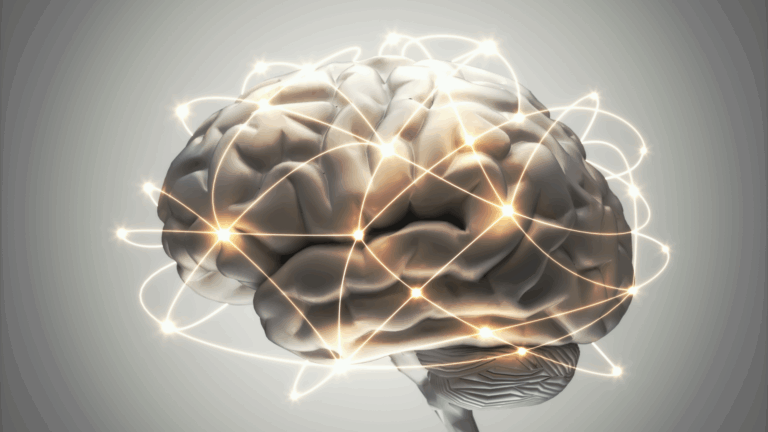
Neuroplasticity, at its essence, refers to the brain’s ability to restructure and adapt by forming new neural connections. This adaptability becomes especially crucial when the brain faces injuries. Brain injury recovery, powered by neuroplasticity, involves the reorganization of neural pathways to compensate for damaged areas. This process may include the strengthening of existing connections, the creation of entirely new pathways, and even the reassignment of brain regions to handle functions they did not previously control. It is a dynamic and ongoing process influenced by environment, behavior, and deliberate evidence-based engagement. The broader framework is set out in the wider science of resilience and emotional regulation.
- Neuroplasticity at Work: After a brain injury, certain areas might become non-functional or less efficient. Neuroplasticity steps in, allowing other parts of the brain to take over these functions, leading to recovery and adaptation. For example, a person who experiences damage to a language-processing center may, through targeted exercises and repeated practice, recruit adjacent brain regions to help restore speech and comprehension. In this way, neuroplasticity is not simply a theoretical concept. It is observable in real-life improvements when the right conditions for change are provided.
- Memory and Skill Retention: One of the remarkable aspects of neuroplasticity is its role in preserving memories and skills. Even after an injury, the brain can relearn and retain crucial information, thanks to its plastic nature. The relearning process often requires more time and repetition than it did before the injury, but the potential for regaining abilities remains strong. Individuals frequently report that once they begin to make progress, their rate of improvement accelerates, reflecting the brain’s ability to recover its capacity for efficient learning.
- Rehabilitation and Neuroplasticity: Modern rehabilitation techniques leverage the principles of neuroplasticity. Tailored exercises, cognitive tasks, and structured interventions aim to stimulate the brain, promoting the formation of new neural connections. The success of these interventions depends heavily on timing, intensity, and consistency. Early intervention often produces faster results, but research and practice show that neuroplastic change can occur even years after an injury if the brain is given the right stimuli.

The Biological Mechanisms Driving Neural Reorganization
The observable improvements that follow brain injury are driven by specific biological processes, each operating at a different scale and timeline. Understanding these mechanisms clarifies both the potential and the limitations of neuroplastic recovery.
Axonal sprouting occurs when intact neurons near the injury site extend new branches toward areas that have lost their original input. These new connections can partially restore communication between brain regions that were disconnected by the injury. The process is slow, typically requiring weeks to months, but it represents genuine structural repair rather than mere compensation. Experience-dependent plasticity operates across the lifespan, with targeted stimulation producing measurable changes in cortical thickness within weeks, confirming that the brain retains its capacity for structural adaptation long after development is complete.
Synaptogenesis, the formation of new synaptic connections between existing neurons, allows the brain to increase the density of communication within intact networks. When one pathway is damaged, synaptogenesis enables the remaining pathways to carry a greater share of the information load. This mechanism is particularly responsive to intensive, repetitive practice, each successful repetition strengthens the newly formed synapses, gradually increasing their efficiency until the compensatory pathway operates with something approaching the speed of the original.
Cortical remapping represents the most dramatic form of neuroplastic reorganization. In this process, brain regions that were originally dedicated to one function are recruited to serve a different purpose entirely. The somatosensory and motor cortices are particularly capable of this form of reorganization, which is why motor recovery after stroke often exceeds initial expectations when rehabilitation is sufficiently intensive and sustained.
Strategies to Enhance Neuroplasticity During Brain Injury Recovery
- Engage in Cognitive Exercises: Brain games, puzzles, and memory tasks can stimulate neural growth and strengthen existing pathways. More complex challenges, such as learning a new skill, language, or instrument, can provide an even greater boost by activating multiple regions of the brain simultaneously.
- Physical Activity: Regular movement and exercise can boost blood flow to the brain, supporting neuroplasticity and recovery. Activities that require coordination, such as dancing, swimming, or yoga, also engage both motor and cognitive networks, further enhancing adaptability.
- Mindful Practices: Focused stillness and relaxation techniques can aid in reducing stress, a factor that can hinder neuroplasticity. In addition, maintaining a positive and engaged mindset can play a powerful role in signaling to the brain that it is safe to explore, adapt, and rebuild lost capabilities.
- Environmental Enrichment: Research consistently demonstrates that enriched environments (those providing sensory variety, social interaction, and novel stimulation) produce significantly greater neuroplastic change than impoverished or monotonous settings. For individuals recovering from brain injury, this means that the quality of the recovery environment matters as much as the specific exercises performed within it.
- Sleep Optimization: Sleep is not merely restorative. It is the period during which the brain consolidates newly formed neural connections. The slow-wave sleep phases are particularly critical for synaptic strengthening, meaning that disrupted or insufficient sleep directly impairs the neuroplastic gains achieved during waking rehabilitation efforts.
- Nutritional Support: The biological processes of axonal sprouting and synaptogenesis require specific nutritional substrates. Omega-3 fatty acids support neuronal membrane integrity, while adequate protein intake provides the amino acids needed for neurotransmitter synthesis. A recovery nutrition plan designed to support neural repair can meaningfully complement structured rehabilitation.
This process may include the strengthening of existing connections, the creation of entirely new pathways, and even the reassignment of brain regions to handle functions they did not previously control.
For a comprehensive understanding of neuroplasticity and its many applications, explore the guide on neuroplasticity and its broader recovery applications. The human brain operates as a complex network where the efficiency of information transfer between regions determines cognitive capacity more than the activity of any single area, a finding that underscores why recovery strategies targeting network-level connectivity produce better outcomes than those focused on isolated brain regions.
Conclusion
Neuroplasticity in brain injury recovery underscores the brain’s resilience and adaptability. The biological mechanisms driving this process (axonal sprouting, synaptogenesis, and cortical remapping) are not theoretical abstractions but measurable, targetable processes that respond to deliberate intervention. Recognizing and harnessing this potential can pave the way for effective recovery, offering genuine hope to countless individuals impacted by brain injuries.
The critical insight is that neuroplastic recovery is not passive. It requires active engagement, structured challenge, and sustained effort over time. The brain will not reorganize itself simply because time passes; it reorganizes in response to the demands placed upon it. This means that the quality, intensity, and specificity of post-injury engagement directly determine the trajectory and ceiling of recovery. For individuals and families navigating this process, understanding that the brain retains its capacity for meaningful change, even months or years after injury, provides both realistic hope and a clear direction for action.
I work with individuals facing the complexities of brain injury recovery, identifying the specific neuroplastic pathways most responsive to intervention and designing structured programs that maximize the brain’s adaptive capacity. A strategy call determines whether a targeted, neuroscience-informed approach can accelerate the recovery trajectory beyond what standard rehabilitation alone has achieved. Book a Strategy Call to explore what is possible for your specific situation.
Explore more in the Cognitive Flexibility & Thought Patterns hub.
How does neuroplasticity support recovery from brain injury?
Neuroplasticity enables the brain to reorganize its functional architecture after injury by recruiting intact neural regions to compensate for damaged areas, strengthening alternative neural pathways that route around lesioned tissue, and forming entirely new connections through the processes of axonal sprouting and synaptogenesis. This reorganization underlies the observable recovery of function seen after stroke, traumatic brain injury, and other neurological insults, demonstrating that the injured brain retains significant capacity for adaptive change, particularly when supported by targeted rehabilitation and enriched environments.
What factors most influence the brain’s neuroplastic recovery capacity after injury?
The most influential factors include: injury severity and location (determining the extent of available intact tissue for reorganization), age at injury (younger brains have greater plasticity but any age retains meaningful capacity), the timing and intensity of rehabilitation (early, intensive, task-specific practice produces greater neuroplastic change than delayed or generic approaches), aerobic exercise (which stimulates BDNF and supports the cellular processes underlying neural repair), and the quality of the post-injury environment (enriched environments with cognitive challenge consistently outperform impoverished ones in plasticity measures).
What are the limits of neuroplastic brain injury recovery?
Neuroplasticity has genuine limits: severely damaged or destroyed neurons cannot be regenerated, and the extent of compensatory reorganization is constrained by the volume and health of remaining intact tissue. Expectations for recovery must be calibrated to the specific nature of the injury rather than to an idealized outcome. That said, the limits of recovery are often underestimated in the early post-injury period, the brain’s capacity for adaptive reorganization frequently exceeds initial prognoses, particularly when rehabilitation is intensive, early, and sustained over sufficient time.
How does targeted rehabilitation leverage neuroplasticity?
Effective neuroplasticity-leveraging rehabilitation is task-specific (practicing the actual functions lost rather than generic exercises), high-intensity (sufficient repetition to drive the synaptic changes required for measurable reorganization), progressive (consistently challenging slightly beyond current capacity to maintain the neural growth stimulus), and emotionally engaged (reward and attention systems significantly amplify neuroplastic change). These principles explain why passive, low-intensity, or non-specific rehabilitation produces less recovery than programs designed with the biology of neuroplastic change explicitly in mind.
How do emotional and cognitive support complement physical brain injury recovery?
Brain injury impacts are rarely purely physical, the same event that produces motor or sensory deficits typically also disrupts emotional regulation, identity, and cognitive function in ways that significantly affect recovery quality and trajectory. Emotional support addresses the grief and psychological adjustment required after functional loss. Cognitive rehabilitation targets the specific executive function, memory, and attention deficits that impair daily function and rehabilitation engagement. Both complement and potentiate physical recovery by maintaining the motivational capacity and emotional regulation that sustained neuroplastic work requires.
References
- Kolb, B. and Gibb, R. (2014). Searching for the principles of brain plasticity and behavior. Cortex, 58, 251-260.
- Bassett, D. S. & Sporns, O. (2017). Network neuroscience. Nature Neuroscience, 20(3), 353-364.
- Dehaene, S. and Changeux, J. P. (2011). Experimental and theoretical approaches to conscious processing. Neuron, 70(2), 200-227.