


Autophobia and loneliness feel alike but activate different brain circuits. Knowing which pattern drives your experience determines exactly how...
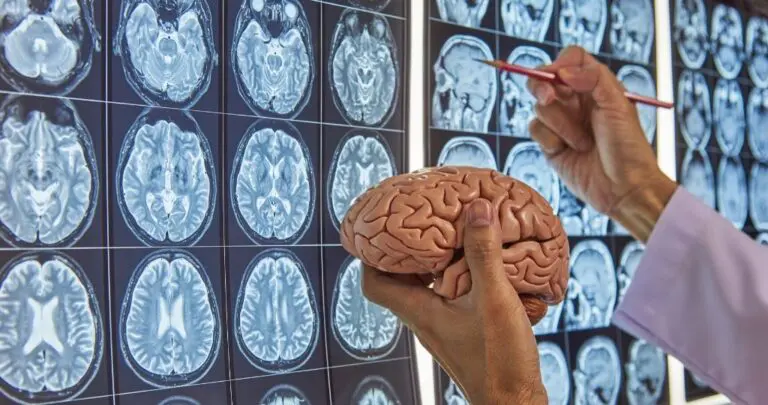
Neuroscience and mental health are interlinked. If you want to address your mental illness, here are some key strategies for your brain-well...

If you have high expectations and meaningful goals, along the way you will undoubtedly face times of disappointment. Haven’t you found the bigger...

The distinction between fast and slow thinking is not a metaphor. It describes two measurably different neural processing systems with competing...

Being able to identify the Four Horsemen in your conflict discussions is a necessary first step to eliminating them and replacing them with healthy,...

Anger management isn't about suppressing emotions. It's about rewiring the neural pathways that trigger explosive responses before your prefrontal...

Disappointment is a dopamine prediction error, not a character flaw. Here is how the brain processes unmet expectations and rebuilds the capacity...

Analysis paralysis is the brain overloading working memory until no choice feels safe. Learn the neuroscience of overthinking and how to break...

Your brain processes over 6 million bits of sensory information per second, but when intense emotions arise, the prefrontal cortex goes offline...

Emotional intelligence strengthens intimate relationships by sharpening how we read, regulate, and respond to a partner's emotions.