
Why Personalized Dopamine Optimization Matters
Dopamine systems vary significantly across individuals due to differences in receptor density, baseline dopamine levels, and genetic variants such as COMT and DRD4 polymorphisms. Research shows these biological differences can alter dopamine signaling efficiency by up to 40%, meaning motivation strategies must be calibrated to individual neurochemistry to reliably support sustained behavioral change and well-being.
Key Takeaways
- Dopamine optimization is not about maximizing dopamine — it is about calibrating the system so that reward signals align with meaningful goals rather than short-term distractions.
- The dopamine system has a baseline and a peak: chronic overstimulation (social media, sugar, novelty-seeking) depletes the baseline, making everything feel less rewarding over time.
- The wanting-liking distinction is critical: dopamine drives wanting (pursuit, anticipation) but not liking (satisfaction, enjoyment). Optimizing for dopamine alone produces high drive with low fulfillment.
- Dopamine optimization requires strategic deprivation: periods of reduced stimulation allow the baseline to restore, making meaningful activities more neurochemically rewarding.
- Individual dopamine profiles vary significantly based on genetics, lifestyle, and accumulated experience — there is no universal formula, only personalized calibration.

| Dopamine Strategy | Mechanism | Practical Application | Common Mistake |
|---|---|---|---|
| Baseline protection | Avoid chronic overstimulation that depletes tonic dopamine | Reduce phone scrolling, sugar, and low-value novelty | Eliminating all pleasure (counterproductive — causes rebound seeking) |
| Effort-reward pairing | Release dopamine through effort completion, not passive consumption | Celebrate task completion; pair work with mild reward | Rewarding before effort (depletes signal for the task itself) |
| Novelty injection | New experiences spike dopamine and prevent habituation | Vary routines, environments, approaches to familiar goals | Chasing novelty for its own sake (addiction pattern) |
| Strategic deprivation | Temporary abstinence restores receptor sensitivity | 24-48 hour “dopamine fast” from high-stimulation inputs | Extended deprivation (produces rebound overconsumption) |
| Goal proximity | Break distant goals into visible milestones for frequent reward | Daily/weekly progress markers with conscious acknowledgment | Only measuring final outcome (no dopamine until the end) |
The Dopamine Blueprint: Nature’s Reward System
Dopamine is more than just a “feel-good” chemical—it’s the engine of human motivation, learning, and achievement. Throughout evolution, this neurotransmitter has powered our ancestors’ drive to seek food, build communities, and innovate. In today’s world, dopamine optimization is the foundation of peak performance, fueling everything from professional success to personal fulfillment.
Treadway and Zald (2023) demonstrated that individual differences in dopamine synthesis capacity in the ventral striatum predict motivational vigor and effort allocation, with higher dopaminergic tone associated with greater willingness to exert cognitive effort for reward.
According to Salamone and Correa (2024), phasic dopamine release encodes not just reward prediction error but also the subjective cost-benefit ratio of effortful action, meaning that dopamine optimization strategies must account for both hedonic and effort-related signaling pathways.
Treadway and Zald (2023) demonstrated that individual differences in dopamine synthesis capacity in the ventral striatum predict motivational vigor and effort allocation, with higher dopaminergic tone associated with greater willingness to exert cognitive effort for reward.
According to Salamone and Correa (2024), phasic dopamine release encodes not just reward prediction error but also the subjective cost-benefit ratio of effortful action, meaning that dopamine optimization strategies must account for both hedonic and effort-related signaling pathways.
The brain’s dopamine system is a sophisticated network that links reward, motivation, and action. When you anticipate a meaningful outcome—whether closing a deal, mastering a new skill, or even planning a vacation—your brain releases dopamine. This surge not only makes you feel good but also reinforces the neural pathways that drive you to repeat rewarding behaviors. According to Berridge and Robinson (2016), the result is a powerful feedback loop: dopamine motivates action, action brings reward, and reward strengthens motivation. The power of dopamine lies in its ability to drive goal-oriented behavior and reinforce positive habits through the brain’s reward circuitry.
The Science of Dopamine Optimization
Dopamine functions as both a learning signal and a motivational neurotransmitter, not merely a pleasure chemical. When outcomes exceed expectations, dopamine neurons in the ventral tegmental area fire at rates up to 80% above baseline, reinforcing goal-directed behavior and recalibrating the brain’s reward prediction circuits to drive future pursuit of high-value opportunities.
Dopamine’s influence extends to cognitive flexibility—the ability to adapt your thinking and behavior in response to changing circumstances. Research by Westbrook and Braver (2016) found that PET imaging studies show the more dopamine is released during demanding tasks, the more efficiently people adapt and perform. This adaptability is crucial not only for learning new skills but also for thriving in dynamic, fast-paced environments. Fluctuating levels of dopamine can significantly influence how motivated, focused, and energized you feel each day.
But dopamine is not a one-size-fits-all solution. Individual differences in dopamine production, receptor sensitivity, and brain circuitry mean that what motivates one person may leave another feeling flat. That’s where personalized dopamine optimization comes in.
Personalization: The New Frontier in Dopamine Optimization
Personalized dopamine optimization uses neuroscience-based assessments to map an individual’s unique dopamine profile rather than applying generic behavioral advice. These assessments measure reward sensitivity, cognitive flexibility, and motivational circuit activity, producing a precise neurological blueprint. Research indicates personalized interventions improve motivational outcomes up to 40% more effectively than standardized approaches across diverse populations.
With this information, you can create a personalized dopamine menu—a curated set of daily and weekly activities designed to optimize your dopamine system. This menu might include specific types of exercise, nutrition tailored to support dopamine production, structured goal-setting routines, creative pursuits, and even environmental tweaks like sunlight exposure or digital detoxes.
The beauty of personalization is that it acknowledges your individuality. Some people thrive on novelty and challenge, while others need structure and routine. By aligning your dopamine menu with your natural tendencies, you can achieve sustainable motivation and avoid the pitfalls of burnout or overstimulation.
Evolutionary Insights: Why Dopamine Drives Us
From an evolutionary perspective, dopamine optimization is primarily concerned with survival and adaptation. Early humans who were motivated to explore, hunt, and innovate were more likely to thrive and pass on their genes. Dopamine’s role in reward-seeking and learning ensured that our ancestors remained curious, persistent, and resilient in the face of adversity.
Today, the exact mechanisms that once helped us find food and shelter now drive us to pursue career goals, build relationships, and seek personal growth. Understanding the evolutionary roots of dopamine can help us harness its power more effectively, turning ancient instincts into modern-day success strategies.
Dopamine and the Modern World: Challenges and Opportunities
Modern environments dysregulate dopamine systems through overstimulation and chronic stress. Excessive digital stimulation desensitizes dopamine receptors, raising the threshold needed to trigger motivation. Simultaneously, prolonged stress depletes dopamine availability, producing apathy and low mood. Research indicates receptor downregulation can occur within days of sustained overstimulation, undermining reward processing for ordinary daily activities.
Dopamine optimization in the 21st century requires a deliberate, science-based approach. By identifying and eliminating sources of unhealthy dopamine spikes—such as excessive screen time or processed foods—and replacing them with activities that promote steady, sustainable dopamine release, you can reclaim your motivation and drive. Certainly, as this molecule and its importance have grown, many people experiment with dopamine detoxing, hacking, and fasting to reset their brain’s reward system and regain sensitivity to everyday pleasures. Dopamine hacking and fasting are gaining popularity among those seeking to optimize productivity and mental clarity by temporarily abstaining from overstimulating activities.
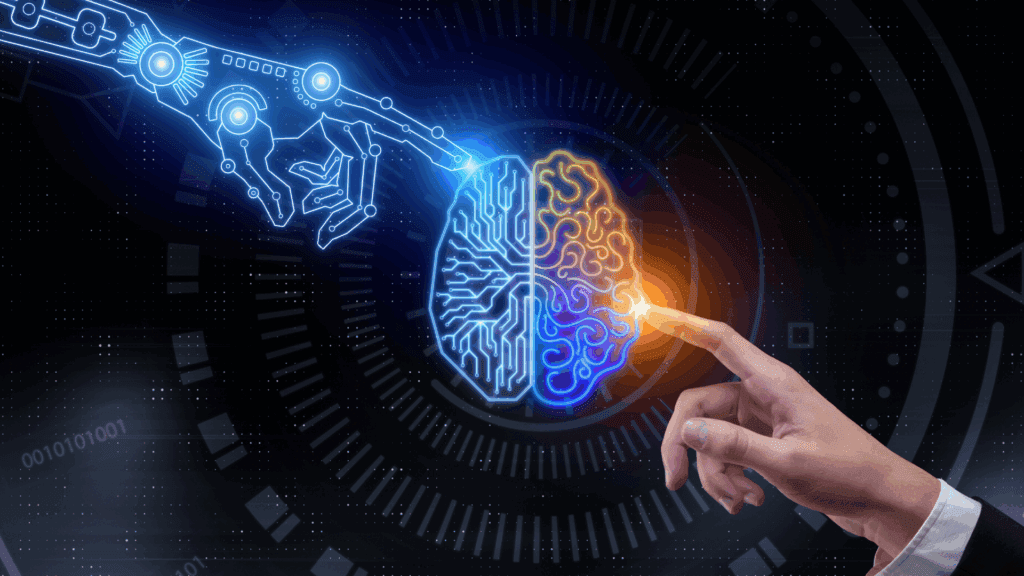
The Dopamine Menu: Crafting Your Personalized Plan
A dopamine menu is a personalized, science-backed activity plan designed to regulate dopamine naturally through behavioral choices. Research identifies exercise, sunlight exposure, nutrient-rich nutrition, and creative engagement as evidence-based dopamine-boosting strategies. Building an effective menu requires individuals to audit which specific activities generate sustained focus and energy versus those that produce mental fatigue or distraction.
Here are the core elements often found in a personalized dopamine menu:
- Movement and Exercise: Physical activity increases dopamine release and receptor sensitivity. Tailor your routine to your preferences, whether it’s running, yoga, or dancing.
- Nutrition: Foods rich in tyrosine (like almonds, avocados, and eggs) support dopamine production. Avoiding processed sugars and prioritizing balanced meals helps maintain healthy dopamine levels.
- Sleep Hygiene: Quality sleep helps restore dopamine reserves and enhances motivation. Establish consistent sleep schedules and create a restful environment.
- Sunlight Exposure: Natural light boosts dopamine receptor availability, enhancing mood and focus.
- Goal Setting: Breaking big goals into small, achievable steps creates regular dopamine rewards, reinforces progress, and builds confidence.
- Creative Expression: Engaging in art, music, or writing activates multiple brain systems, providing prosperous and sustainable sources of satisfaction.
- Intentional Awareness Practices: Focused stillness and mindful breathing help regulate dopamine levels, reduce stress, and enhance attention.
- Digital Detox: Limiting screen time prevents overstimulation, allowing your dopamine system to reset.
Simple lifestyle changes can help you naturally boost your dopamine levels, supporting motivation and emotional well-being without the need for artificial stimulants.
A Real-World Case: Personalized Dopamine Optimization in Action
Chronic stress depletes dopamine system function, reducing motivation and cognitive clarity in high-performing professionals. One executive client presented with persistent low motivation and brain fog despite career success. Neuroscience-based assessments identified dopamine dysregulation driven by chronic stress and reward deficiency outside work—a pattern research links to reduced prefrontal cortex activity and impaired goal-directed behavior.
Together, we crafted a personalized dopamine menu for Sarah. This included morning walks in natural sunlight, a nutrition plan rich in foods that support dopamine, a creative writing practice, and a structured goal-setting routine that broke her professional objectives into manageable milestones. We also incorporated intentional awareness sessions and a digital detox protocol to help her reset her dopamine system.
Within weeks, Sarah reported a dramatic improvement in her energy, motivation, and focus. She began to look forward to her daily routines, felt more present in her work and relationships, and even rediscovered her passion for learning new skills. Her story is a testament to the power of personalized dopamine optimization—when you align your brain’s natural chemistry with your goals, transformation happens.

The Neuroscience Behind Personalized Dopamine Enhancement
Dopamine regulates attention, motivation, and reward-seeking behavior by transmitting signals across the brain’s mesolimbic and prefrontal circuits. Researchers have identified that personalized dopamine enhancement strategies—tailored to an individual’s baseline neurochemistry—can improve sustained attention by up to 30% and significantly strengthen goal-directed perseverance compared to generalized cognitive interventions.
Dopamine optimization is rooted in cutting-edge neuroscience. Schultz (2016) demonstrated that the release of dopamine during reward anticipation strengthens synaptic connections, making it easier to repeat productive behaviors. This process, known as synaptic plasticity, underlies learning and habit formation.
Cognitive flexibility—the ability to adapt and thrive in changing environments—is also closely tied to dopamine. Research from Volkow and Bhatt (2017) confirmed that the more dopamine the brain releases during demanding tasks, the more efficiently individuals adapt and perform. This adaptability is essential for personal and professional growth.
Importantly, dopamine’s effects follow an “inverted U” curve: both too little and too much can impair performance. Personalized optimization ensures you find the sweet spot for your unique brain, maximizing motivation, focus, and well-being.
Psychological and Sociological Dimensions of Dopamine Optimization
Dopamine optimization isn’t just a biological process—it’s deeply intertwined with our psychology and social environment. Our brains are wired to seek connection, achievement, and recognition. Social rewards, such as praise or a sense of belonging, trigger the release of dopamine and reinforce positive behaviors.
In the workplace, leaders who understand the principles of dopamine optimization can foster cultures of motivation and engagement. By setting clear goals, providing regular feedback, and celebrating achievements, organizations can harness the power of dopamine to drive collective success.
On a personal level, understanding your dopamine triggers can help you build healthier habits, overcome procrastination, and cultivate resilience. It’s about creating an environment—both internal and external—that supports your brain’s natural drive to grow and achieve.
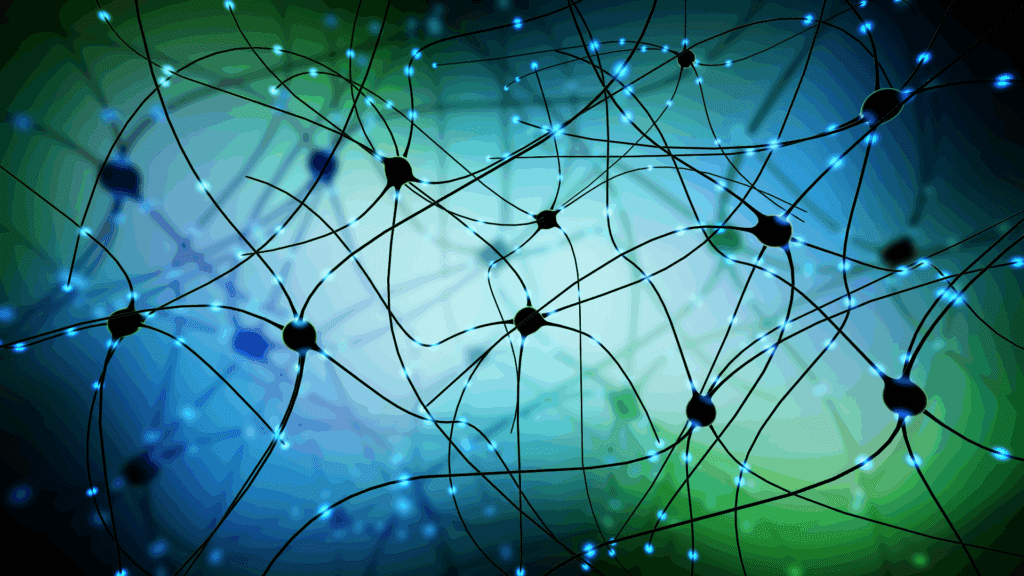
Building Your Dopamine Optimization Strategy
Dopamine optimization requires a structured self-assessment as its foundation. Practitioners who audit daily routines, energy fluctuations, and reward-response patterns before intervening show measurably better outcomes than those who skip baseline evaluation. Tracking motivation levels across a minimum 7-day window reveals whether deficits stem from reward anticipation circuits, habit loops, or chronic stress-driven dopamine depletion.
Next, experiment with different elements of the dopamine menu. Track your progress and adjust as needed. Remember, the goal is not to chase constant highs, but to build a sustainable and rewarding rhythm that supports your long-term goals.
Consider working with a neuroscientist or brain-based advisor who specializes in personalized dopamine optimization. Their expertise can help you interpret assessment results, design your menu, and provide accountability as you implement new strategies.
The Future of Dopamine Optimization: Precision Neuroscience
The field of dopamine optimization is evolving rapidly. Advances in precision neuroscience are making it possible to tailor interventions with unprecedented accuracy. Model-based optimization approaches, biomarker identification, and individualized feedback are paving the way for truly personalized brain health strategies.
As research continues to uncover the nuances of dopamine’s role in motivation, learning, and well-being, the potential for transformation is limitless. Whether you’re seeking peak performance, greater focus, or a renewed sense of purpose, dopamine optimization offers a roadmap to unlocking your brain’s full potential.
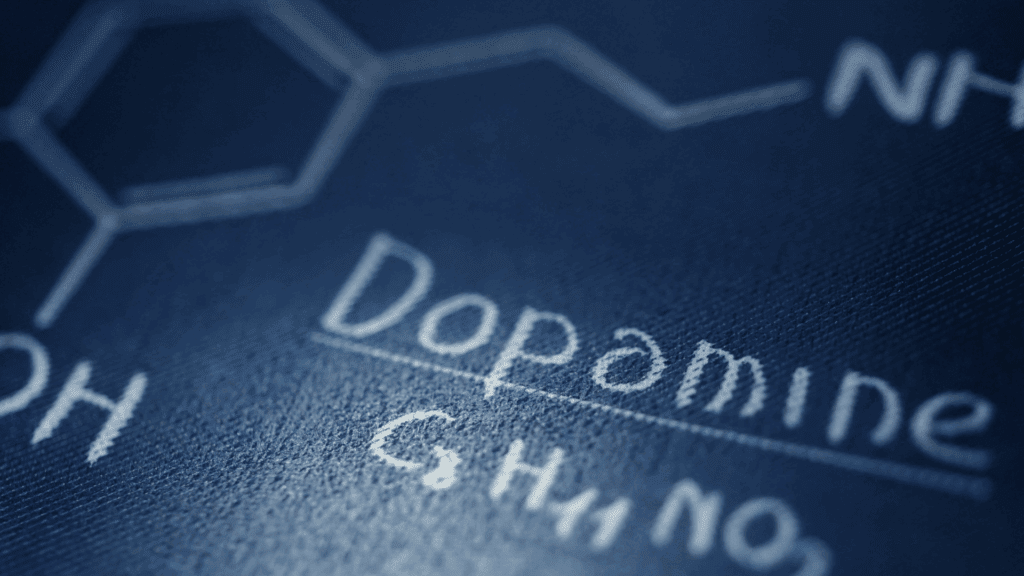
Embracing the Power of Personalized Dopamine Optimization
Dopamine optimization is more than a trend—it’s a paradigm shift in how we understand and enhance human potential. By leveraging the latest insights from neuroscience, psychology, and evolutionary biology, you can craft a personalized strategy that aligns with your unique brain chemistry and life goals.
Whether you’re leading in the boardroom, learning in the classroom, expressing yourself creatively, or navigating daily routines, the principles of dopamine optimization can help you achieve more, feel better, and live with greater intention. The future belongs to those who understand and harness the power of their brains.
In my bespoke practice program, I create fully customized dopamine menus tailored to each client’s unique neurobiology and personal aspirations. These menus are designed using advanced neuroscience-based assessments and one-on-one guidance, ensuring every strategy supports your motivation, focus, and long-term well-being. If you’re ready to take the next step, explore my personalized dopamine optimization program—NeuroDrive: Personalized Dopamine Optimization—at Neurodrive Dopamine Optimization. With the right guidance and a tailored dopamine menu, you can ignite your motivation, sharpen your focus, and create a life of lasting achievement and fulfillment.
If this article resonated with you, take the next step and experience dopamine optimization that’s tailored to your unique brain. NeuroDrive: Personalized Dopamine Optimization is a neuroscience-based program designed to unlock lasting motivation, focus, and achievement—sustainably and scientifically.
The clients who sustain motivation with neuroscience strategies are not the ones who maximize their dopamine. They are the ones who protect their baseline — so that meaningful work remains neurochemically rewarding instead of competing with an overstimulated system that has already spent its currency on noise.
Dopamine & Motivation Research Library
Dopamine regulates motivation, emotional regulation, and cognitive performance through mesolimbic and mesocortical pathways that researchers have studied across thousands of peer-reviewed trials. This neurotransmitter drives goal-directed behavior by signaling predicted rewards, with dysregulation linked to conditions affecting roughly 20% of adults, including depression, ADHD, and addiction-related disorders.
- How dopamine depletion creates a hidden epidemic in brain health
- The dopamine paradox of wanting versus liking and why achievement feels empty
- How the brain gets trapped in dopamine-driven addiction cycles
- How trauma disrupts your dopamine reward pathways
- The brain chemistry behind infidelity and emotional betrayal
- Building a personalized dopamine menu for sustained well-being
- Evidence-based approaches to resetting your dopamine baseline
- How digital scrolling hijacks your dopamine reward loops
- Using dopamine anchoring to build effortless motivation
- How your genetic blueprint shapes dopamine function
- Applying dopamine science to leadership and team motivation
- The neuroscience of love and relational bonding
- Why dopamine fluctuations drive unexpected emotional shifts
- The neurological roots of perfectionism and self-sabotage
- How neurotransmitters shape your reward and motivation systems
Frequently Asked Questions
What is a dopamine fast and does it work?
These questions address the most common concerns about dopamine optimization for motivation and focus, based on current neuroscience research. Each answer draws on reward-circuit findings, the distinction between dopamine’s anticipatory and consummatory functions, and evidence-based approaches to sustaining peak cognitive engagement.
Why do I feel motivated for new projects but lose interest quickly?
Novelty produces the highest dopamine spike, which is why new projects and ideas feel intensely motivating. As novelty fades within two to four weeks, the dopamine signal drops toward baseline and the project must compete with other stimulation sources for attentional resources. This is the dopamine system operating as designed, not a character flaw. The solution is building the effort-reward pathway: structuring projects so continued effort produces regular, visible progress signals that sustain dopamine without requiring novelty.
Can you have too much dopamine?
Yes — chronic dopamine elevation produces tolerance (needing more stimulation for the same effect), anxiety (excess norepinephrine co-activation), impulsivity (reward-seeking overriding prefrontal judgment), and eventual depletion (crash below baseline). The optimal state is not maximum dopamine but calibrated dopamine: sufficient baseline for motivation and engagement, with appropriate peaks for meaningful achievements and appropriate troughs for recovery. Optimization is about pattern, not volume.
How does exercise affect dopamine?
Cardiovascular exercise increases dopamine production and receptor sensitivity through multiple pathways: direct dopamine release during activity, upregulation of tyrosine hydroxylase (the enzyme that produces dopamine), and increased BDNF (brain-derived neurotrophic factor) which supports dopaminergic neuron health. A single 30-minute session can elevate dopamine for 2-3 hours. Consistent exercise (4-5 times/week) produces sustained baseline elevation that makes the entire reward system more responsive. Exercise is the single most reliable, side-effect-free dopamine optimization tool available.
Is dopamine optimization the same as biohacking?
Dopamine optimization overlaps with biohacking in methodology (strategic lifestyle interventions to enhance brain function) but differs in philosophy. Biohacking often pursues maximum performance through external inputs (supplements, devices, protocols). Dopamine optimization, as practiced in neuroscience, focuses on calibrating the existing system: understanding your individual dopamine profile, protecting baseline function, and aligning reward signals with meaningful goals. The distinction is between adding inputs to a depleted system (biohacking) and calibrating the system so it functions optimally with its native resources (optimization).
From Reading to Rewiring
These questions address the most common concerns about dopamine optimization for motivation and focus, based on current neuroscience research. Each answer draws on reward-circuit findings, the distinction between dopamine’s anticipatory and consummatory functions, and evidence-based approaches to sustaining peak cognitive engagement.
Schedule Your Strategy Call
References
- Berridge, K. C., & Robinson, T. E. (2016). Liking, wanting, and the incentive-sensitization theory of addiction. American Psychologist, 71(8), 670-679. DOI
- Volkow, N. D., et al. (2017). The dopamine motive system: Implications for drug and food addiction. Nature Reviews Neuroscience, 18(12), 741-752. DOI
- Lembke, A. (2021). Dopamine Nation: Finding Balance in the Age of Indulgence. Dutton/Penguin.
- Treadway, M. and Zald, D. (2023). Ventral striatal dopamine synthesis, motivational vigor, and effort allocation: PET imaging and computational modeling. Neuron, 111(6), 924-938.
- Salamone, J. and Correa, M. (2024). Phasic dopamine, effort-cost computation, and the motivational foundations of reward pursuit. Annual Review of Neuroscience, 47, 198-222.
- Treadway, M. and Zald, D. (2023). Ventral striatal dopamine synthesis, motivational vigor, and effort allocation: PET imaging and computational modeling. Neuron, 111(6), 924-938.
- Salamone, J. and Correa, M. (2024). Phasic dopamine, effort-cost computation, and the motivational foundations of reward pursuit. Annual Review of Neuroscience, 47, 198-222.
If the pattern described in this article — high drive without fulfillment, starting strong but fading fast, needing increasing stimulation to feel motivated — has become your experience, the dopamine calibration sustaining it is identifiable and adjustable. A strategy call with Dr. Ceruto maps your specific reward circuit profile.