Every single day, your brain is running habit loops, whether you notice them or not. You wake up, grab your phone, scroll the same apps, drink the same coffee, think the same thoughts, and react the same way to stress. None of that is random. It is the result of habit loops wired into your nervous system over years of repetition.
Most people try to change their lives by forcing willpower. On Monday, they start a new diet, delete the dating app for the fourth time, and swear not to answer work emails at midnight; however, by Thursday, they find themselves falling right back into the same habit loops. They decide they are weak, broken, or lazy. In reality, their brain is doing exactly what it was trained to do.
In my work at MindLAB Neuroscience, I spend my days inside these habit loops with clients. For more than twenty-five years, I have coached founders, surgeons, traders, attorneys, creatives, and parents who are bright, driven, and exhausted by patterns they cannot seem to break. They are not lacking insight. Many can explain their story in painful detail. What they are missing is a clear map of the habit loops that actually drive their behavior, along with neuroscience-based tools to rewire them in real time.
That is my goal with you here. My goal is simple: to help you see your habit loops clearly so you can break the bad ones and build better ones that finally serve you. You will learn what habit loops are, how your brain creates them, why some are healthy, and others are brutal, and how to change them without pretending you are a robot.
You will also meet Viviana, a thirty-three-year-old woman caught in a habit loop of one-night hookups that left her feeling empty and ashamed, even as she kept repeating it. You will hear how she used real-time neuroplasticity practice and brain-based tools to build new habit loops that protect her rather than punish her. And I will share some of my own battles with habit loops, including compulsive shopping and saying yes to plans I never wanted, and how I broke them using the same neuroscientific work I use with my clients.
If you have ever watched yourself repeat the same late-night routine, the same argument, or the same self-sabotage and thought, and thought, “What is wrong with me?” then this course is for you. There is nothing wrong with you. You can change your habit loops once you understand them.
What Habit Loops Are Really Doing Inside Your Brain
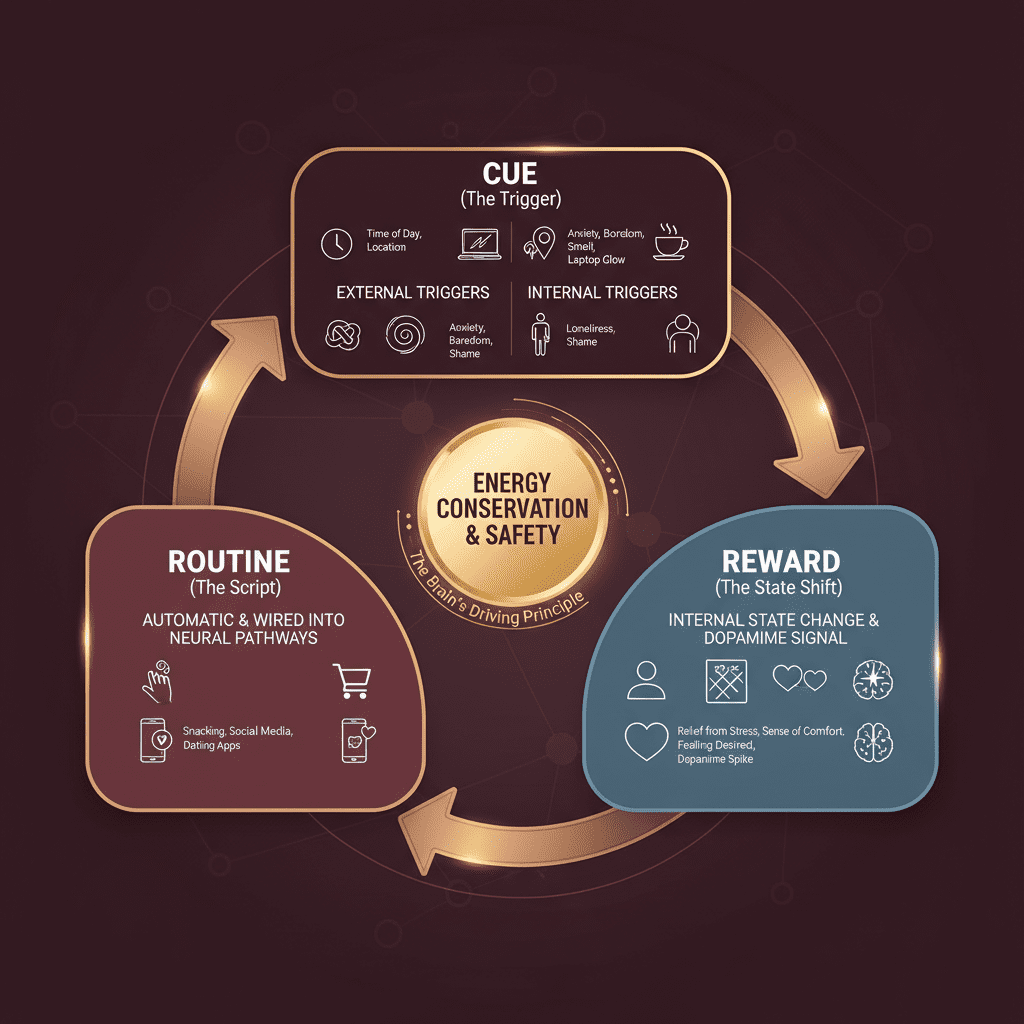
At the simplest level, habit loops are repeatable patterns your brain builds to conserve energy. Your nervous system is always trying to answer one fundamental question: how can I get through this day with the least effort while staying safe? To do that, it links three things together: a cue, a routine, and a reward. When that pattern repeats enough times, it becomes a habit loop that runs on its own. In other words, your brain keeps running the same simple script, cueing the routine reward, until it becomes automatic.
The cue is the trigger. It might be a time of day, a feeling in your body, a place, or a specific person. You walk into your kitchen at night and feel restless. You see your phone light up. You notice that familiar ache of loneliness on a Sunday afternoon. That moment is the cue that starts many habit loops.
The routine is the action your brain has learned to perform in response to that cue. You open the fridge and snack without thinking. You tap the social media icon you use most often. You re-download a dating app you promised yourself you deleted for good. These routines are not random. They are wired into pathways in your brain that get stronger every time you repeat them. Over time, the routine part of your habit loops can feel almost automatic.
The reward is the state shift you experience at the end of the habit loop. It could be a brief dopamine spike from sugar, likes, or flirting. It may be relief from boredom, stress, or uncertainty. It may be the familiar comfort of a story, even if that story hurts you. Your brain is not judging the quality of the reward. It is only learning; when I do this routine after this cue, I get that state shift. That is the cycle that keeps habit loops alive.
The cue, where habit loops begin
Consider the cue as the subtle signal your brain receives before initiating one of your habit loops. Some cues are outside you, like a location, a smell, or the glow of your laptop at night. Some cues are inside you, like a rush of anxiety, a wave of boredom, or the heaviness of shame. Your brain notices that cue and prepares to fire a well-worn pattern.
This is why certain places or times of day feel dangerous to your goals. It is not just the fridge or the phone. It is the entire web of habit loops that have formed around that cue. If you always pour a drink at six, six o’clock itself becomes a cue. If you always open your email the second you feel stuck on a challenging task, that stuck feeling becomes the cue that pulls you into that habit loop.
The routine, the script inside a habit loop
The routine is part of the habit loops you see on the surface. It is the behavior others might judge, and it is the part you usually blame yourself for. You may refer to it as scrolling, snacking, shopping, engaging in casual encounters, snapping at your partner, or withdrawing from plans. But under the label, it is simply the middle step of a habit loop, the script your brain runs between cue and reward.
Your brain likes this script because it does not have to think about it. Once a routine becomes part of your habit loops, your nervous system no longer asks, “Is this good for me?” It asks, does this reduce uncertainty, and does this change how I feel, at least a little? That is how a routine that once felt harmless can turn into a hard-to-break habit loop.
The reward, the hidden engine of habit loops
The reward is the most powerful and most misunderstood part of habit loops. On the surface, it might look like the cookie, the message, the orgasm, the purchase, or the sense of control after you clean your inbox at midnight. Underneath, the reward is the change in your internal state. Your heart rate slows. Your mind stops spinning for a moment. You feel desired instead of invisible, or angry instead of helpless.
Your brain remembers that change and tags it as important. It uses dopamine as a teaching signal, not just to feel pleasure, but to tell your circuits: “Store this habit loop; this one works.” The next time the cue appears, your brain will nudge you toward the same routine because it predicts the same reward.
When you start to see the real reward inside your habit loops, you gain leverage. You can stop fighting yourself on the surface and start offering your brain a better way to get that exact state change.

The Neuroscience And Evolution Of Habit Loops
Habit loops are not a character flaw. They are baked into the way your brain developed over millions of years. Your nervous system evolved in harsh environments where energy was precious, threats were constant, and novelty could mean danger. In that world, brains that could link cues, routines, and rewards quickly had a survival advantage. They moved faster, wasted less energy, and stayed alive.
Over time, the brain built an internal system that tags specific actions with dopamine. Dopamine is not just the pleasure chemical. It is the teaching signal that tells your brain, Remember this; it matters. When a cue predicts a rewarding state shift, dopamine rises. When the reward is even a bit better or more intense than expected, dopamine jumps, and the habit loops that led to it get stronger.
That system once helped your ancestors remember where the fruit trees were, which path led to fresh water, and which people in the tribe were safe. Today, the same dopamine-based system wires habit loops around notifications, alcohol, pornography, online shopping, revenge texting, or late-night hookups. Your brain is using ancient hardware in a very modern, very overstimulating world.
Why your brain loves predictable habit loops
From an evolutionary view, unpredictability often meant danger. If you did not know where your next meal was coming from, or whether that person at the edge of the camp was friend or foe, your nervous system went on high alert. Over time, brains that could predict patterns, through habit loops, needed less constant vigilance.
That is still true today. Habit loops give your brain something predictable to count on. Even harmful habit loops do this. They offer a known script. Your brain might not like the outcome, but it hates the feeling of not knowing what will happen next. So it clings to habit loops that feel familiar, even when another part of you knows they are hurting you.
Dopamine and the wiring of habit loops
When you run a habit loop, nerve cells in different regions of the brain fire together. The cue activates specific sensory and emotional circuits. The routine engages action circuits. The reward, especially if it triggers a dopamine spike, lights up motivation circuits. Over time, these cells start to wire together. The cue automatically activates the routine. The routine pulls your attention toward the expected reward.
This is neuroplasticity in action, your brain reshaping itself based on repeated experience. Habit loops are simply neuroplasticity on autopilot. The more often a habit loop runs, the more deeply it is carved into the structure of your brain. This is why you can sometimes feel like a passenger in your own life, watching yourself repeat habit loops you swore you were done with.
Neuroplasticity: how habit loops change your brain
The hopeful part is that neuroplasticity does not care whether a habit loop is good or bad. Your brain can change in both directions. If you repeat a loop of late-night drinking, your brain will get better at running that pattern. Your brain will become more adept at calming your nervous system by repeatedly reaching out for safe support.
Every time you interrupt a harmful habit loop and run a better one—even for a few minutes—you are changing your brain; new connections form. Old connections weaken. Habit loops that once felt permanent can soften and eventually give way to new ones. This is not motivation. This is biology.
When Habit Loops Help You And When They Hurt You
Not all habit loops are detrimental to you. Certain habit loops contribute to your functioning. Habit loops enable you to perform tasks such as brushing your teeth, driving a car, tying your shoes, or opening your laptop to begin work. You also rely on habit loops: you automatically reach out to a trusted friend when you are struggling or take a short walk to reset after a stressful call.
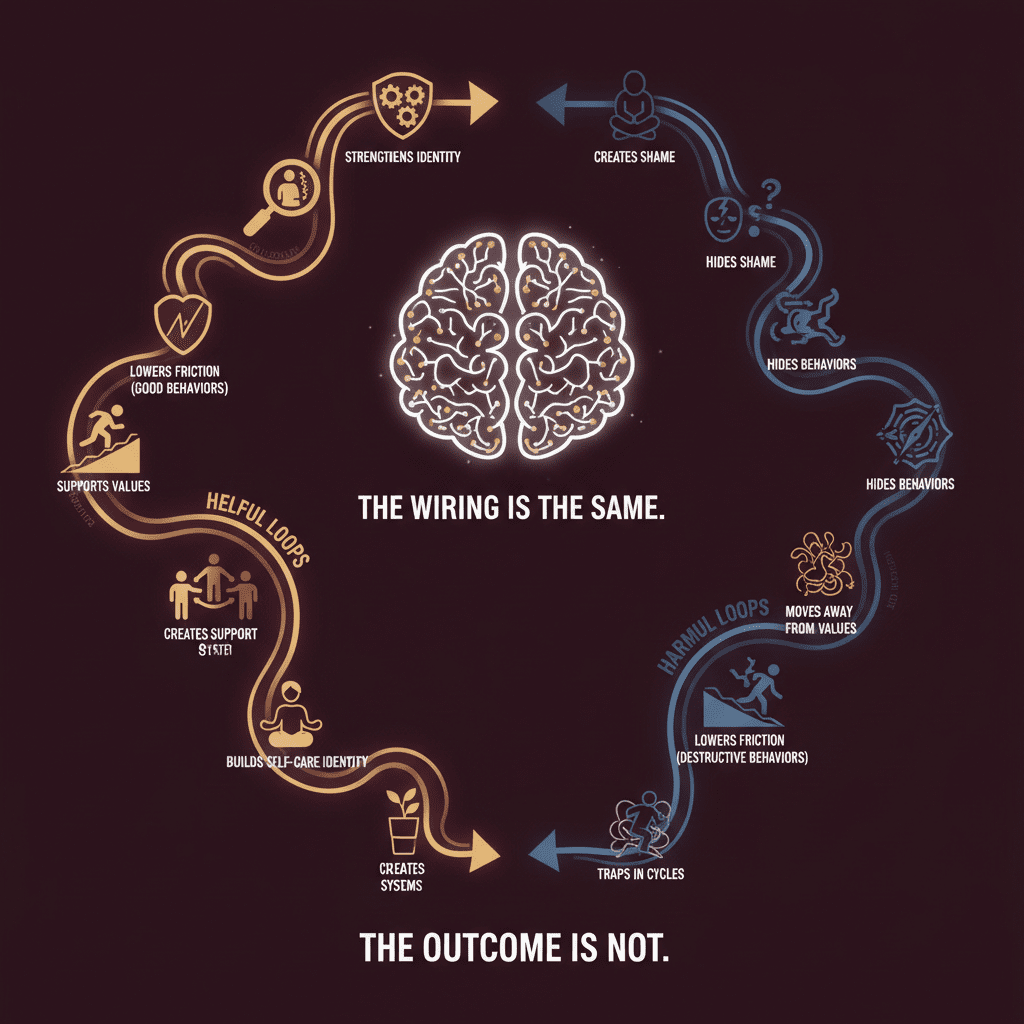
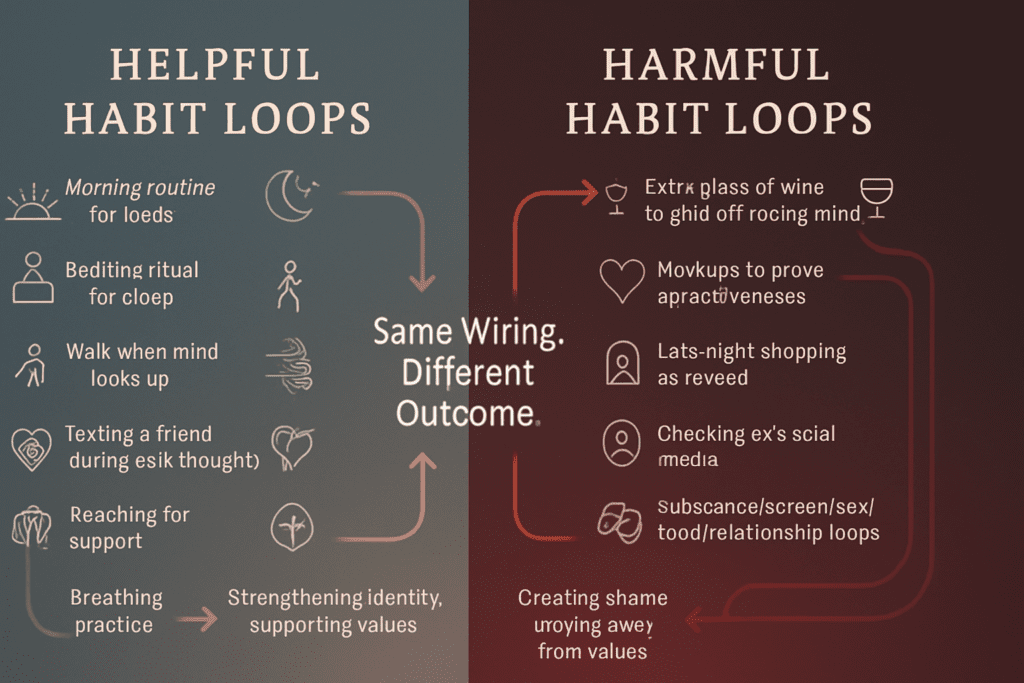
Helpful habit loops lower friction around behaviors that align with the life you actually want. They make it easier to do the right thing without a fight every time. Harmful habit loops lower friction around behaviors that move you away from your values, your health, or your deeper goals. The wiring is the same. The outcome is not.
The tricky part is that harmful habit loops often start out feeling helpful. The extra glass of wine at night begins as a way to shut off your racing mind. The hookup starts as a way to prove you are still attractive. The late-night online shopping starts as a reward for a hard week. The problem grows when your brain begins to pair specific cues with those routines so strongly that you feel pulled toward them, even when they stop feeling good.
Helpful habit loops that support you.
You already have habit loops that work in your favor. You may have a morning routine that sets your brain up for focus or a simple bedtime ritual that helps you sleep. You might have a habit loop of going for a short walk when you feel your mind locking up or texting a close friend when you feel that familiar slide into dark thinking. These habit loops make your life easier, not harder.
When you see these supportive habit loops, you can strengthen them on purpose. You can add minor upgrades, like a brief breathing practice or a moment of gratitude, to deepen the reward your brain feels. Over time, these habit loops become part of your identity. You start to see yourself as someone who cares for their brain, not just someone who battles it.
Harmful habit loops can trap you in a cycle of negative behavior.
Harmful habit loops usually come with shame. You may hide them from others. You may hide them from yourself. You might tell yourself you are just blowing off steam or that you can stop any time. Underneath, you know the cost.
These loops could be related to substances, screens, sex, food, work, or relationships. They might involve staying in a job that is killing your spirit, because the habit loop of people-pleasing runs deep. They might look like checking your ex’s social media every night and reopening emotional wounds that could have started to mend.
When we work together at MindLAB Neuroscience, we do not regard harmful habit loops as proof that something is wrong with you. We consider them as data. Each habit loop holds information about what your brain has been trying to protect you from and what state it has been desperate to reach.
Viviana’s Story: A Habit Loop Of Hookups And Loneliness
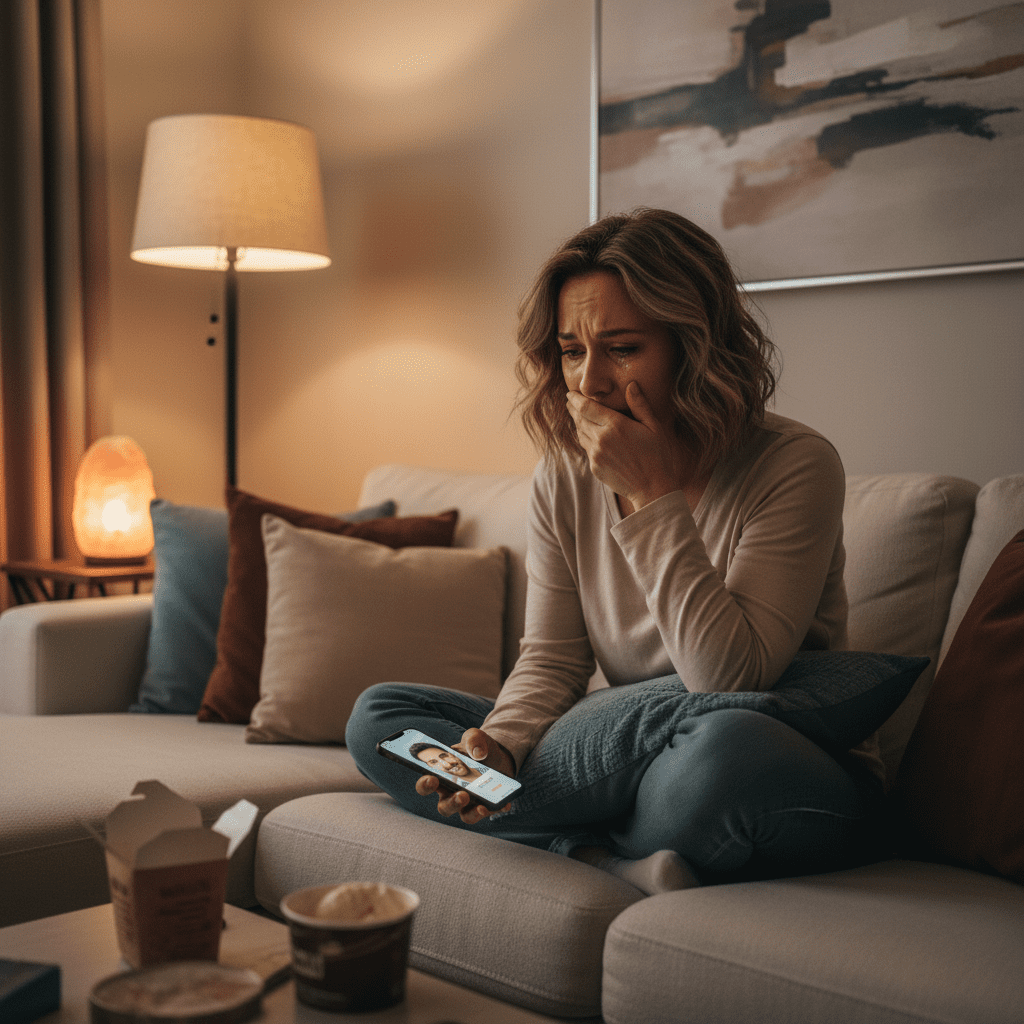
Viviana is not her real name, but her story is real. She was thirty-three, smart, funny, successful in her career, and intensely lonely. When she first came to see me, she did not use the term ‘habit loops.’ She said, “I hate myself the morning after, yet I keep doing it anyway.”
For years, Viviana had been caught in a habit loop with dating apps and one-night hookups. The cue was almost always the same: a wave of loneliness late at night or the anxiety that flooded her system after a long day. She would pour a glass of wine, open the app, and start swiping. Her routine followed a familiar script: chat, flirt, agree to meet, get in an Uber, and go through with a hookup she knew, even on the way there, would leave her feeling hollow.
The reward was complicated. On the surface, it was sexual attention. Underneath, it was a temporary escape from vulnerability. In a one-night hookup, Viviana could be wanted without being seen. She could act confident, even bold, while keeping her real fear of abandonment locked away. For a few hours, her nervous system felt chosen, without risking rejection in a real relationship. That was the hidden reward for wiring her habit loops.
By the time Viviana reached out to me, the habit loops around her hookups felt stronger than her own voice. She described nights when she would literally call me from her apartment after she had already matched with someone. Her words were raw. I know I should not go; I can feel I am about to disappear into the same shame spiral, but I do not know how to stop this habit loop.
Mapping Viviana’s habit loops in detail
From a neuroscience view, her cues, routines, and rewards were welded together. Loneliness or anxiety at night flipped the switch. Her brain, primed for fast relief, rushed toward the app. The chats and plans brought a rush of dopamine, each ping and flirt reinforcing the habit loops firing in the background. By the time she was dressed and calling a car, her rational brain felt like a faint whisper.
We began by mapping her habit loops in almost ridiculous detail. What time did the first urge hit? What happened in her body? What exact words did the matches send that made her feel that pull? When did the voice of self-hatred start to speak up? We put the entire habit loop on paper, from the first restless thought to the moment she woke up the next morning and could not meet her own eyes in the mirror.
Seeing these loops on paper was painful for her, but also relieving. For the first time, it felt less like a mysterious force and more like a pattern we could interrupt.
Rewiring her habit loops in real time
We did something different. When Viviana called me in those moments, I did not shame her, and I did not pretend that breaking that habit loop would be easy. Instead, we stepped directly into the habit loop in real time. Slow down, and tell me exactly what you are feeling in your body right now. Where do you feel the pull? Where do you feel the fear?
As she described the tightness in her chest, the buzzing in her stomach, and the racing thoughts, we named the cue: “This is the starting line of your habit loop.” Then we traced the routine; we walked through the steps she was about to take: the app, the chat, the makeup, and the car. We also named the real reward: a few hours where she did not have to sit with the terror that someone could know her and leave.
Changing these loops is not about snapping your fingers and becoming someone else. It is about building a new loop that can compete with the old one. With Viviana, we designed a replacement habit loop around the very same cue: late-night loneliness and anxiety.
The cue stayed the same. The routine changed. Instead of going straight from emotion to app, she practiced a new sequence: text another trusted person, move her body for a few minutes to discharge some of the energy, then sit down and write an honest, uncensored page about what she was really craving. Not sex, but safety, love, being chosen, and being kept.
The reward also changed. We made sure her nervous system got a fundamental state shift from this new habit loop, not just more thoughts. She noticed that when she chose this new routine, she woke up without shame. She felt a little stronger, a little more in charge of her story. Over time, that feeling, grounded self-respect instead of self-hatred, became the new reward her brain paired with the cue. Her new loops shifted toward protection and authentic connection.
This did not happen overnight. Viviana slipped. There were nights she still went. But each time she chose the new habit loop, the old wiring weakened a bit, and the new wiring strengthened. That is neuroplasticity. Your brain changes in the direction of what you actually do, not what you promise yourself you will do. Today, her relationships look unique. The habit loops that once kept her alone now support her in building something real.
My Own Battle With Habit Loops As A Neuroscience Practitioner
I am not writing about habit loops from a privileged perspective. I am writing as someone who has had to break many non-advisable habit loops in my own life. It would be easy to hide behind my years of clinical work and my role as founder of MindLAB Neuroscience. The truth is, my brain is wired like every other human brain, capable of brilliant patterns and very messy habit loops.
One of my most stubborn habit loops was compulsive shopping. The cue was rarely dramatic. It could be a stressful day, a difficult client session that stirred up my old wounds, or a quiet afternoon when I felt a subtle emptiness. The routine was simple: open a browser or walk into a store on my way home. I would tell myself I was just looking. Within minutes, I was adding things to a cart or standing at a counter, heart racing, convincing myself that this bag, or jacket, or pair of shoes would finally calm the noise inside.
The reward was not the item. The true reward was the fleeting feeling that I was taking care of myself, that I was addressing a need, and that I wasn’t simply enduring discomfort. Every part of that habit loop, from the click to the checkout, carried a little dopamine buzz. My brain learned that when you feel off, this is how we correct it. The bills, the clutter, and the shame came later, outside the narrow window of the habit loop.
Compulsive shopping as a habit loop
For a long time, I rationalized this habit loop. I told myself I deserved it. I told myself everyone has their thing. Finally, I decided to approach it the same way I would address a client’s habit loops. I mapped it. I wrote down the cues in painful detail. I tracked the exact times, places, and emotional states that prompted me to go to the store or visit the website. I paid attention to the sensations in my body, the surge of urgency, the slight tunnel vision, and the fantasy that this one purchase would change my day.
Then I designed a new habit loop. The cue stayed the same: that restless, empty, jittery feeling. The routine changed. Instead of opening a browser, I opened a notebook. I wrote down exactly what I wanted to buy and why. Then I wrote down the feeling I imagined the purchase would give me: calm, beauty, status, and control. Thereafter, I practiced a different action that could move me toward that real reward, without swiping a card.
The reward shifted. Over time, my brain began to associate that same cue with a different outcome, not the rush of a package arriving, but the quieter, steadier sense of being in alignment with myself. It was not glamorous. It was effective. I had used my own neuroscientific training to change one of my most stubborn habit loops, and it worked.
The habit loop of saying yes when I meant no
Another habit loop I had to confront was my compulsive acceptance of plans I did not want. The cue was any invitation that carried even a hint of guilt or expectation. A friend’s request to attend an event I didn’t have the energy for, a colleague’s pressure to participate in a project, and a social obligation that conflicted with my need for rest were the triggers. My routine was automatic: smile, say yes, and tell myself I would figure it out later.
The reward was short-term harmony. My brain had to avoid the discomfort of someone else’s disappointment. I could avoid the anxiety that saying no might change their view of me. My nervous system, wired from early life to keep the peace and carry responsibility, regarded that as a high-value reward. The long-term cost was resentment, burnout, and a schedule that did not reflect my actual priorities.
So I built a new habit loop here, too. The cue stayed the moment I felt that spike of pressure in my chest when someone asked for something. The routine changed. Instead of an automatic yes, I gave myself a simple line: let me check my schedule and get back to you. That one sentence interrupted the old habit loops and gave my rational brain time to come back online. This allowed me to make decisions based on my values rather than solely on my fear.
The reward became a life that felt more like mine. I had evenings to recover, mornings to write, and space to show up fully for clients instead of dragging myself through the week. Each time I honored that new habit loop, my brain learned that saying no did not equal abandonment. It often led to more respect, from others and from myself.
Breaking these loops was not simple. It required every bit of neuroscientific insight I have and a willingness to be honest about my own wiring. I share this because I want you to know that if you are stuck in habit loops that feel bigger than you, you are not alone, and you are not broken. Your brain is trainable at any age.
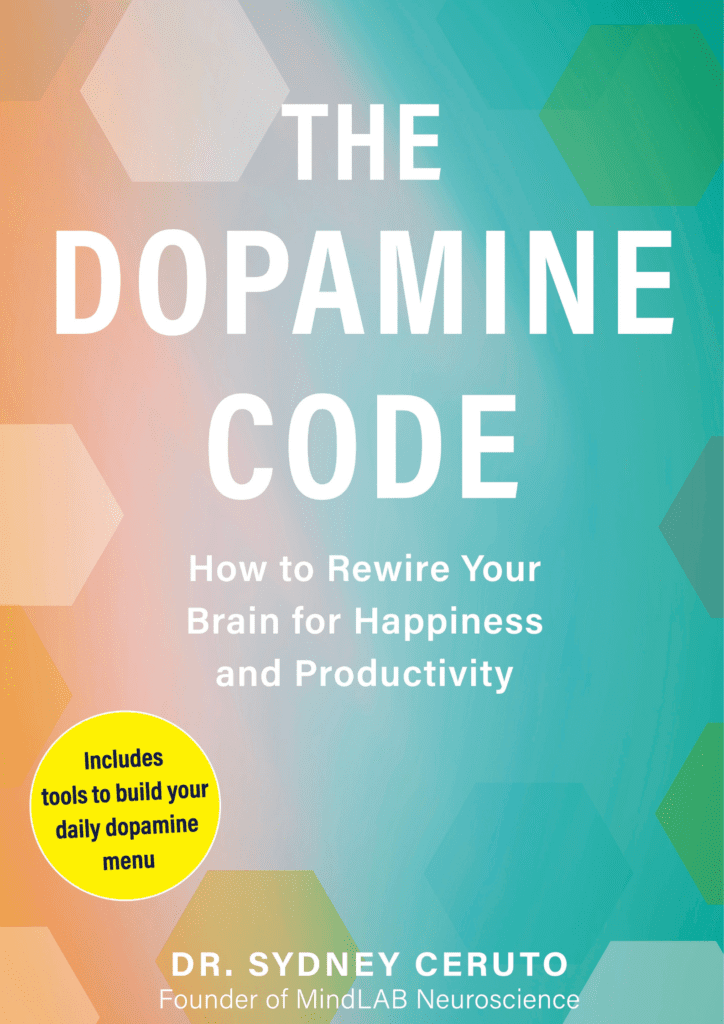
reveals how to rewire your brain for happiness
and productivity through understanding habit loops
and dopamine regulation.
This comprehensive guide includes tools to build
your daily dopamine menu for sustained behavioral change.
What my habit loops taught me about change
Living through my own loops taught me something I now often say to clients. Insight is essential, but it is not enough. You can understand your past, name your patterns, and still run the same habit loops tomorrow. Change happens when you bring your knowledge to the exact moment that a habit loop starts to fire.
My loops around shopping and saying yes were teaching my brain that comfort and harmony mattered more than my long-term health and energy. When I began to build new loops, I was teaching my brain a different lesson: that rest, boundaries, and alignment were worth protecting. The science of neuroplasticity is powerful, but it becomes life-changing only when it is applied inside your actual loops, in real time.
How To Break Bad Habit Loops And Build Better Ones With Neuroscience
If you want to change habit loops, you need more than good intentions. You need a protocol that works with your biology. Neuroplasticity means your brain is constantly reshaping itself based on what you repeat. The question is not whether your brain is changing. It is about whether it is changing in the direction you want.
The first step is to develop an awareness that goes deeper than simply acknowledging, “I do that a lot.” You need to map your habit loops with the kind of detail that would make sense to a scientist and to a close friend. The second step is designing a new habit loop that targets the same cue and reward but replaces the routine with something healthier. The third step is practicing that new loop in real time, especially when your nervous system is lit up. This is where real-time neuroplasticity work occurs, specifically during the moments when you would typically revert to the old pattern.
Step one: Map your habit loops with honesty
Start with one habit loop that clearly hurts you. Maybe it is late-night eating, doom scrolling, porn, rage texting, staying in a dead relationship, or saying yes when you mean no. Do not try to rewrite your entire life at once. Pick one habit loop and study it.
Ask yourself, what is the cue? Is it a time of day, a feeling, a place, or a thought? Notice what happens in your body just before the habit loop kicks in. Does your chest tighten? Does your jaw clench? Do you feel a restless buzz under your skin? Write it down.
Then map the routine. Describe each step, not just the headline. If your habit loop is scrolling in bed, note the moment you plug in your phone on the nightstand, the way your hand reaches for it as soon as you wake at three a.m., and the order in which you open the apps. If your habit loop involves hooking up with someone from an app, write down the steps from opening the app to the messages to get ready to leave the house. The more you bring these loops into the light, the less mysterious they become.
Finally, be brutally honest about the reward. Ask yourself, what state shift am I chasing? The reward could be a sense of relief from loneliness. You are seeking a sense of fulfillment. You experience an illusion of control. You experience a sense of being occupied, rather than feeling stuck. You cannot change these loops you keep lying to yourself about.
Step two: Design a better habit loop around the same cue
Once you understand the cue and reward, you can design a replacement habit loop that still gives your brain what it is craving, without the exact cost. You are not just deleting a pattern. You are building a new pathway in your nervous system.
If your cue is late-night anxiety and your old habit loop is opening a bottle, your new habit loop might involve a brief nervous system reset, a short, targeted breathing sequence that calms your brain’s alarm system, followed by a grounding action like journaling or a short walk. The reward is a calmer body and a clearer head in the morning, rather than a hangover and shame.
If your cue is feeling unwanted and your old habit loop is swiping through people who do not see you, your new habit loop might be reaching out to someone who actually knows you or engaging in a creative practice that reminds you who you are. The reward becomes a real connection and self-respect, not another morning of feeling used.
The important thing is that your new loops must feel rewarding to your nervous system, not just morally correct. If they feel flat and punishing, your brain will keep preferring the old habit loops. This is where my work often focuses, helping clients build what I call a dopamine menu, a set of healthy, high-meaning rewards that their brain can actually feel.
Step three: Practice real-time neuroplasticity
Designing new loops on paper is easy. Running them in real life, when your heart is pounding and your old loop is screaming at you, is the real work. This is where real-time neuroplasticity practice comes in.
In those moments, your goal is not to feel calm. Your goal is to stay conscious. When you feel the cue hit, notice it and name it; this is the start of my habit loop. When the urge to run the old routine rises, remind yourself: “My brain is firing old wiring; that is all.” Then, as quickly as you can, run the first step of your new habit loop. Text someone safe. Move your body. Change your environment. Put physical distance between you and the object of the old loop.
Every time you do this, even imperfectly, you are teaching your brain that there is more than one path from cue to reward. At first, the old habit loops will be louder. Over time, as you repeat the new habit loops, the balance shifts. This is not magical thinking. It is how neurons respond to practice. What fires together, wires together.
Common mistakes people make with habit loops
There are a few common mistakes I see when people try to change habit loops on their own. One is trying to change too many habit loops at once. The brain does better when you focus on one or two loops and repeat new patterns until they stick.
Another mistake is relying solely on willpower, without changing the cue or the environment around your habit loops. If you keep all the same cues in place and expect a different result, you will think you failed when, in fact, your brain simply followed its training.
A third mistake is creating overly punishing new habit loops. If your replacement habit loop feels like a chore with no real reward, your brain will not choose it when you are tired or stressed. The new habit loops must feel at least somewhat soothing, empowering, or meaningful to you, or they will never win the competition inside your nervous system.

Habit Loops In Love, Work, And High-Pressure Performance
Habit loops do not just show up in obvious behaviors like eating or drinking. Habit loops manifest in your love, work, and high-stakes performance. If you have ever noticed yourself repeating the same fight in every relationship or freezing at the same point in every big project, you are looking at habit loops in action.
In relationships, habit loops often form around attachment wounds. A raised voice becomes the cue. The routine might be shutting down, attacking, or clinging. The reward is temporary safety; you avoid the more profound terror of abandonment or shame. Over time, these habit loops can destroy intimacy. You are no longer talking to the person in front of you. You are reacting to old wiring.
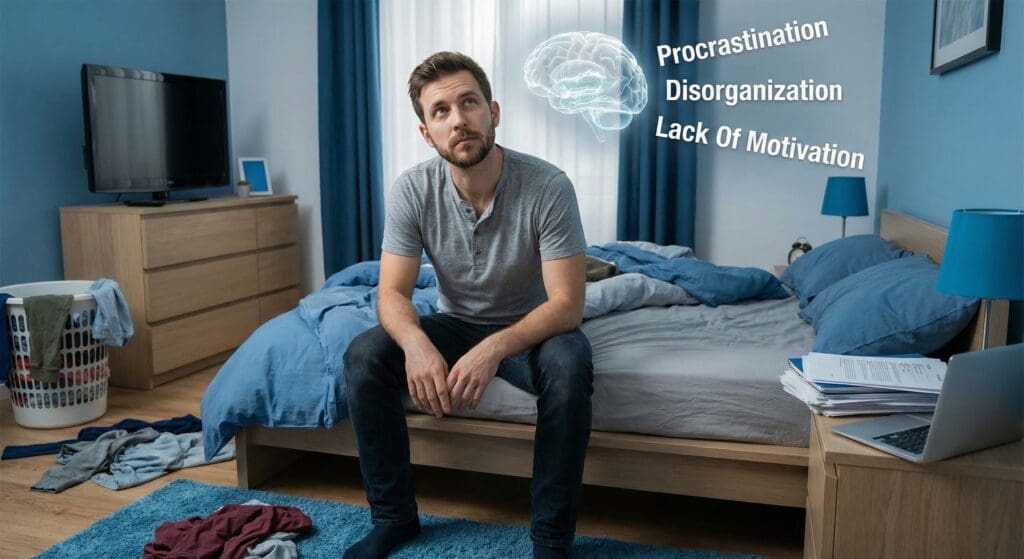
At work, habit loops manifest as procrastination and overworking. The cue might be a complex task or a big decision. One habit loop might lead you to avoid it, check email, scroll, or clean your desk. Another habit loop might push you to grind late into the night, driven by fear of failure. Both habit loops aim to regulate the perceived threats in your nervous system. Neither is sustainable.
In high-pressure roles like trading, surgery, leadership, or entrepreneurship, habit loops can be the difference between stability and burnout. As a neuroscience-based practitioner, I have seen traders whose cue is a losing day. Their habit loop is to double down, chase risk, and try to win it back immediately. The reward is the fantasy of getting even, plus a dopamine surge if they do. The cost can be catastrophic.
Habit loops in relationships and attachment
With many of my clients, habit loops in love started long before their current partner. If you grew up in a home where love felt unpredictable, your brain may have built habit loops around scanning for danger, withdrawing first, or clinging hard when someone pulls away. Those habit loops might once have protected you. Now they may be pushing away the very safety you crave.
One client would shut down completely whenever her partner looked frustrated. Her cue was the change in his face. Her routine was to retreat into silence and coldness. The reward was that she did not have to feel her fear of conflict. Once we mapped these habit loops, she could begin building new ones, like naming her fears out loud and asking for reassurance, rather than disappearing emotionally.
Habit loops in work, focus, and productivity
Habit loops also shape your focus. If you reach for your phone every time you feel stuck on a task, your brain learns that distraction is the reward for discomfort. Over time, your habit loops make deep work feel harder and harder. Your attention span is not broken. It is training.
I often help clients build new habit loops around focus and energy management. This might mean pairing a specific cue, like sitting at a certain desk or putting on noise-canceling headphones, with a short, timed sprint of focused work. The reward can be a planned break, a brief walk, or a check-in with a supportive person. Habit loops designed around how the brain naturally cycles through focus and rest can transform your work without grinding you into the ground.
Habit loops under pressure, money, risk, and performance
Under extreme pressure, these loops grow louder. Old wiring resurfaces. A leader who has practiced calm decision-making all week might suddenly default to snapping at their team when a crisis hits, because their habit loops around conflict are still wired for attack or withdrawal.
In my work with people who handle large amounts of money or risk, we map loops around fear and excitement. Some have habit loops that push them to over-trade, over-commit, or chase losses. Others have habit loops that make them freeze and miss opportunities. In both cases, the goal is the same: to build habit loops that keep the brain regulated enough to make clear, grounded decisions, even when the stakes are high.
Identity, Shame, And The Deeper Story Behind Habit Loops
Habit loops do not exist in a vacuum. They sit inside your identity and your story about who you are. If you’ve had the same habit loops for years, you may have built your self-image around them. You may think I am the kind of person who cannot commit, or who always overeats, or who falls apart under stress.
Shame is the fuel that keeps those loops running. When you wake up after a bad habit loop and attack yourself, your nervous system goes into threat mode. You feel hopeless, defective, or broken. In that state, your brain reaches for whatever of these loops has given you relief before. The cycle continues.
How shame feeds habit loops
Shame narrows your vision. It tells you that one habit loop defines all of who you are. It makes you hide from others, from support, and from your own data. If you believe that your habit loops prove you are beyond help, you will not gather information about them. You will not test new patterns. You will stay inside the loop.
When I sit with clients in the middle of their loops, I am not there to scold them. I am there to hold up a sharp, kind mirror. We look at the habit loops with curiosity, not cruelty. Shame shrinks in that light. Once shame loosens, your brain has the space to learn.
Turning habit loops into signals instead of verdicts
One of the most powerful shifts you can make is to regard habit loops as signals, not verdicts. A habit loop is not a final statement about your worth. It is information about what your brain has been trying to handle and what it has not yet learned to do.
When a familiar habit loop starts to run, instead of thinking, “Here I go again; I am hopeless,” you can ask yourself, “What is this loop trying to protect me from right now?” Is it loneliness or fear of failure? Is it loneliness? Is it fear of failure? Fear of being seen. Once you know that, you can choose a different habit loop that better protects your health.
This is not positive thinking. This approach fosters a different relationship with your own mental wiring. Habit loops stop being invisible programs and become patterns you can work with.
Building A Life Shaped By Better Habit Loops
Your life is not just about willpower. The habit defines the loops your brain runs when you are tired, stressed, scared, or bored. Those habit loops are not permanent. They are patterns your nervous system learned, and they can be unlearned and replaced.
I have spent more than twenty-five years inside people’s loops, from the boardroom to the bedroom. I have watched clients like Viviana break habit loops that once felt fused to their identity. I have watched traders rewire habit loops that once destroyed their accounts. I have watched high achievers learn to rest, say no, and choose relationships that feel safe instead of chaotic.
I have done this work on myself, too, rewiring loops around shopping, people pleasing, and overcommitting, using the same neuroscientific tools I use with my clients. I know, from lived experience. Based on my experience and thousands of hours spent with clients, I have learned that habit loops can change, and when they do, the entire shape of your life changes along with them.
Breaking these loops is not about being perfect. It is about being honest. It is about being willing to look at the raw, uncensored reality of what you do when you are in pain, what you reach for when you feel alone, and what stories you tell yourself to justify it. It is about learning how your brain really works, then using that knowledge to build habit loops that serve the life you want, instead of the one you are trying to escape.
If you recognized yourself in Viviana’s late-night habit loop, in my own compulsive shopping, or in the quieter habit loops that run your day, I want you to hear this: there is nothing weak or broken about you. Your brain has been trying to protect you with the tools it has. Now you have new tools.
When you learn how these loops really work, you can finally break the bad ones and build better ones that support the life you actually want to live. With the proper support, with real neuroscientific insight, and with practice, you can change your habit loops and, with them, your relationships, your work, and your sense of self.
This is the work I do every day at MindLAB Neuroscience. It is not quick-fix practice. It is a deep, precise, neuroscience-based rewiring of the habit loops that keep you stuck. If you are tired of hating yourself in the morning, tired of promising you will change and watching the same habit loops win, I invite you to stop trying to do this alone. Together, we can map your habit loops, design new ones that honor who you really are, and help your brain finally learn a different way to live.
This article is part of our Pattern Recognition & Cognitive Automation collection. Explore the full series for deeper insights into pattern recognition & cognitive automation.