Key Takeaways
- Dopamine is built from tyrosine, so tyrosine-rich foods supply the raw material for production.
- Protein-rich foods (eggs, fish, lean meat, soy, legumes) are the most reliable dopamine precursors.
- Gut health supports dopamine-related signaling, so fiber and fermented foods keep the system working.
- Food works alongside sleep, exercise, and daylight, which regulate dopamine efficiency in the brain.
- No single dopamine food exists: the weekly pattern matters more than any one meal.
Can Food Actually Move Your Dopamine?
As a neuroscientist, I am asked constantly whether food can really change dopamine. The honest answer is that certain foods supply the raw material your brain uses to make it, but food is an input, not a switch. Dopamine is built from the amino acid tyrosine, so protein, leafy greens, and a healthy gut give your reward system the building blocks it needs for steady motivation, focus, and mood. What you eat across a day sets a baseline; what you do with the rest of your day decides how much of that dopamine your brain actually puts to use. That larger picture is your brain’s cognitive architecture.
The brain does not respond to one heroic meal. It responds to the pattern you repeat across a week, which is why consistency beats any single ingredient every time.
Below is the science of how nutrition shapes dopamine, the specific foods that supply its precursors, and, more importantly, how food fits into the pattern that actually regulates your reward system over time.
Why Dopamine Matters for Brain Health
Dopamine is the neurotransmitter at the center of the brain’s motivation and reward circuitry. It drives your sense of pursuit, sharpens attention, and supports emotional stability. When dopamine signaling is working well, effort feels worth it and focus comes more easily. When it drops, ordinary tasks feel heavier, motivation thins, and thinking can feel foggy. The research on what drives those shifts is covered in the neural patterns behind the dopamine architecture protocol.
One question I am often asked is whether you can raise dopamine naturally just by changing what you eat. The accurate answer is that diet changes the availability of the precursors dopamine is built from. It does not override the behavioral patterns, sleep, and stress load that shape how your reward system uses those precursors. Food is necessary. It is rarely sufficient on its own.
The Science Behind Dopamine-Supporting Foods
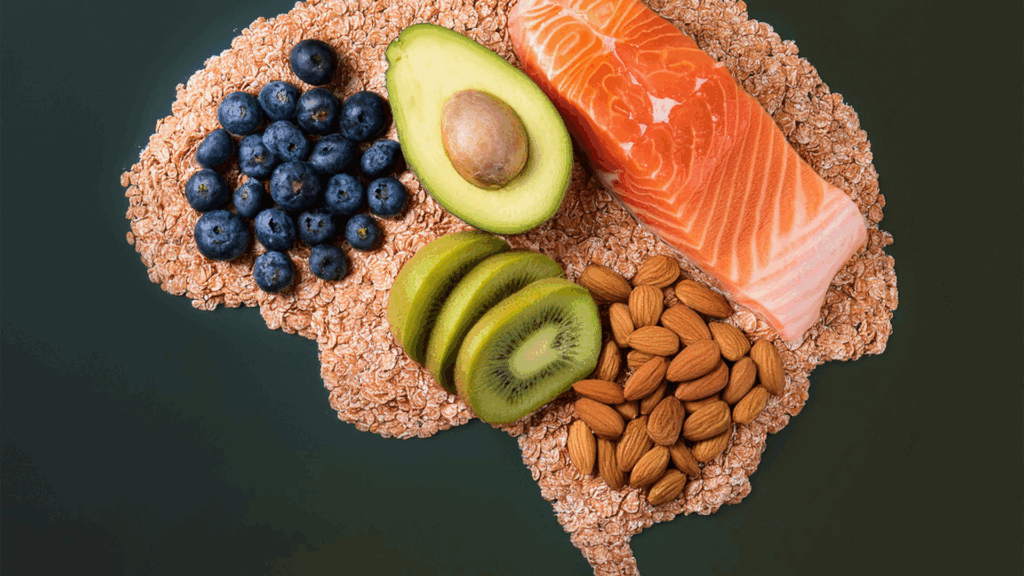
The mechanism is specific. Tyrosine, an amino acid found in protein, crosses into the brain and is converted first to L-DOPA and then to dopamine, a process that also requires iron, vitamin B6, and folate as cofactors. This is why whole foods tend to outperform isolated supplements: they deliver the precursor and the cofactors together, in the ratios the conversion pathway actually needs. The foods that reliably supply that full profile are consistent and unremarkable:
- Eggs for tyrosine, plus the B vitamins the conversion pathway depends on.
- Fatty fish like salmon and trout, for the omega-3s that support neuronal signaling.
- Leafy greens such as spinach and kale, for folate and the minerals the pathway uses.
- Nuts and seeds like pumpkin seeds and walnuts, for healthy fats and amino acids.
- Berries such as blueberries and strawberries, whose polyphenols protect neurons under oxidative stress.
- Fermented foods like kefir and kimchi, which support the gut populations tied to dopamine signaling.
- Legumes such as lentils and chickpeas, for plant-based protein and cofactor minerals.
The list is real, and it is also where most people stop, which is the mistake. In my work, the people who fixate on a single dopamine food almost always miss the mechanism that actually matters. No individual ingredient moves the system in a way you would notice. What moves it is the repeated pattern: enough precursor, enough cofactor, delivered consistently, in a body that is sleeping and moving well enough to use them. That is the difference between a foods list and a working reward system.
Why Whole Foods Win
There is a straightforward reason whole foods tend to serve the brain better than processed ones. Processing strips much of the tyrosine, B vitamins, and minerals the dopamine pathway relies on, while adding fast-absorbing sugars that spike and then crash reward signaling. Whole foods deliver the precursors slowly and with their cofactors intact. You are not chasing a novelty when you choose them; you are giving a demanding biosynthetic pathway the specific inputs it was built to run on.

Where Food Fits in a Larger Method
Nutrition is one lever among several, and treating it as the whole answer is why so many dopamine diets disappoint. In practice, the people who feel a durable change are the ones who address food alongside the other inputs that regulate dopamine: the timing of protein across the day, sleep quality, daylight exposure, and the behavioral patterns, especially the high-stimulation ones, that quietly desensitize the reward system faster than any meal can rebuild it. Food that supplies precursors into a system being drained by compulsive stimulation is water into a leaking bucket.
That is the logic behind our structured approach to dopamine: it sequences nutrition, sleep, movement, and behavioral change so each supports the others rather than working against them. If you want the full framework rather than the food layer alone, the NeuroSync™ program maps how these inputs fit together for a given person’s chemistry and routine.
What Change Actually Looks Like
When the food layer is working, the shift people describe is rarely dramatic and almost never immediate. It arrives as a lifting of flatness. Ordinary tasks start to carry a little more pull. Focus holds a few minutes longer before it frays. The afternoon crash softens. These are the felt signatures of a reward system that is finally getting its precursors consistently while the behaviors draining it are being reduced at the same time.
It is worth being honest about the timeline. Because dopamine synthesis depends on enzymatic conversion rather than a quick chemical hit, most people notice changes in focus and drive over two to three weeks of consistent input, not in a day. The people who quit at day three, waiting for a switch to flip, abandon the process right before the pattern would have begun to register. The mechanism is real; the timeline is simply slower than a supplement’s promise.

The Gut-Brain Link
Your gut is sometimes called your second brain, and where dopamine is concerned that is close to literal. A large share of the body’s dopamine is produced in the gut, and the bacterial populations there influence how much precursor the system has to work with. This is one reason fermented foods earn their place on the list: they support the microbiome that dopamine signaling depends on. It is also a useful illustration of the central point of this article, that dopamine is a system, not a single food, and the system spans further than the plate.
Simple Steps to Start Today
Start the day with a protein-rich breakfast, such as eggs or fish, so tyrosine is available early rather than after an afternoon crash. Build lunch and dinner around leafy greens, nuts, and seeds to supply the cofactors the conversion pathway needs. Keep berries and a small amount of dark chocolate for their neuroprotective polyphenols, and add fermented foods to support the gut side of the system.
Then treat the non-food inputs as part of the same protocol, not afterthoughts. Protect your sleep, get outside for daylight, and be honest about the high-stimulation habits that are draining the reward system your meals are trying to supply. Consistency across all of these, held for a few weeks, is what produces a change you can actually feel.
Where Nutrition Ends and the System Begins
Food is a genuine lever on dopamine, but it is the first lever, not the last. If you have optimized your diet and still feel flat, unmotivated, or foggy, the limiting factor is almost always sitting in the patterns around the food, in sleep, stress, and what your brain has learned to chase for reward.
Nutrition is one pillar of a larger system: the broader Dopamine Menu framework integrates diet with the behavioral and cognitive reward layers that determine how the dopamine you make actually gets used.
Food supplies the raw material for dopamine, but the larger levers sit in your daily patterns: how you sleep, when you focus, and what your brain has learned to chase for reward. Mapping those patterns is the work of a strategy call.
From Your Plate to Your Patterns
Nutrition is one input into your dopamine system. In a strategy call, Dr. Ceruto looks at the full picture of how your sleep, focus, and reward habits shape the dopamine you actually use, and designs a targeted plan for steadier motivation.
Book a Strategy CallWhat foods increase dopamine production in the brain?
The honest answer starts with a correction: no single food raises dopamine in a way you would notice. What matters is supplying the raw material consistently. The reliable sources are foods rich in the amino acid tyrosine, dopamine’s direct precursor, eggs, wild-caught fish, lean meat, soy, legumes, and dark leafy greens. Tyrosine crosses into the brain and is converted to L-DOPA and then to dopamine through enzymatic steps that also require iron, vitamin B6, and folate. That is why whole foods outperform isolated supplements: they deliver the precursor and its cofactors together. But the list is where most people stop, and stopping there is the mistake. It is the repeated pattern, not any one ingredient, that actually moves the system.
How does gut health affect dopamine levels and brain function?
More than most people expect. A large share of the body’s dopamine is produced in the gut, and the bacterial populations there influence how much precursor the whole system has to work with, signaling up to the brain through the vagus nerve in a two-way loop that shapes mood, motivation, and clarity. Processed food, chronic stress, and antibiotic overuse degrade that microbiome and, with it, precursor production. This is why fermented foods like kimchi, sauerkraut, and kefir earn their place: they support the populations dopamine signaling depends on. It is also a clean illustration of this article’s central point, that dopamine is a system, not a single food, and the system reaches well past the plate.
Can changing your diet really improve motivation and mental clarity?
It can, within limits worth being honest about. Diet changes the availability of the precursors dopamine is built from, so when the brain is short on tyrosine, iron, or B vitamins, restoring them does lift synthesis and, with it, focus and drive. What diet does not do is override the sleep, stress load, and high-stimulation habits that decide how the reward system uses those precursors. In my work, the people who feel a durable change are the ones who fix the food and the patterns around it together. Most notice the shift over two to three weeks of consistent input, not in a day, because it depends on enzymatic conversion rather than a quick chemical hit.
Why do processed foods and sugar crash dopamine levels?
They hit the reward system with a fast, oversized spike, and the brain compensates by downregulating its dopamine receptors, the same tolerance pattern any overstimulated reward circuit develops. The result is that the same food delivers steadily less reward over time while pushing you to eat more of it to chase the original effect. And because processed foods are stripped of the tyrosine, B vitamins, and minerals sustained dopamine production actually needs, they leave you in a deficit: brief spikes followed by long troughs that show up as brain fog, low drive, and flatness. It is the reward-system equivalent of borrowing against tomorrow’s motivation.
How long does it take for dopamine-boosting dietary changes to affect the brain?
The pathway starts responding within days as tyrosine becomes more available, but the change you can actually feel takes longer. Most people notice steadier focus and motivation over two to three weeks of consistent input. Reversing the receptor downregulation left by heavy processed-food consumption takes longer still, on the order of six to twelve weeks depending on where you start. The people who quit at day three, waiting for a switch to flip, walk away right before the pattern would have begun to register. Protecting sleep, moving regularly, and cutting sugar shortens the timeline by taking competing demands off the same precursor supply.
References
- Berridge, K. C. and Robinson, T. E. (2016). Liking, wanting, and the incentive-sensitization theory of addiction. American Psychologist, 71(8), 670-679.
- Kolb, B. and Gibb, R. (2014). Searching for the principles of brain plasticity and behavior. Cortex, 58, 251-260.