Key Takeaways
- Amygdala hyperactivity sustains threat vigilance; prefrontal cortex disruption impairs regulation: a neural signature, not weakness.
- Elevated cortisol and serotonin, dopamine, noradrenaline imbalances drive disrupted sleep, appetite, muscle tension, cognitive fog.
- Evolutionary survival mechanisms (vigilance, energy conservation, social withdrawal) turn maladaptive under chronic modern stressors.
- Approaches targeting the nervous system (breathwork, sensory regulation, movement, visualization) rewire what generic strategies cannot.
- Social connection activates oxytocin pathways, reinforcing neural resilience: relationships are biological recovery, not just comfort.
Anxious depression is the simultaneous activation of two neural states that usually take turns, the racing threat-vigilance of anxiety and the motivational shutdown of depression, running at the same time, in the same nervous system. It is not ordinary stress or passing sadness, and restoring anxiety and threat calibration is central to relief. It threads physiological signals like a racing heart, restless sleep, and headaches together with negative expectation and bone-deep exhaustion, and the people living it often describe being trapped between fear and despair at once. In my work, this is one of the most consistently misread conditions I see, precisely because the anxiety keeps people functional enough to hide the depression underneath it. The neuroscience explains why this union is so hard to break, and why it resists the strategies that work for either state alone.
At its core, anxious depression is marked by recurring episodes of low mood paired with chronic anxiety. Sufferers contend with rumination, catastrophic thoughts, unease, and diminishing energy, leading to cycles where relief seems impossible. If anxiety leaves one tense, and depression saps motivation, anxious depression magnifies both: eroding resilience, complicating routines, and making challenge and change seem insurmountable.
Neuroscientists have pinpointed key mechanisms: the limbic system, particularly the amygdala, heightens threat detection and anxiety, while disruptions to the prefrontal cortex impair emotional regulation, decision-making, and productive coping. Cortisol, the body’s primary stress hormone, surges through the system, exacerbating sleeplessness and appetite changes. The result: anxious depression affects not just mood but memory, concentration, and the ability for social connection, deepening isolation for those who struggle.
From a psychological perspective, anxious depression persistently distorts perception. Every day stress gets amplified; minor problems become mountains. Sufferers report both slow, hopeless thoughts and sudden waves of panic, rarely able to pinpoint what feels wrong. This “twin challenge” is not a temporary state but a powerful pattern held together by cycles of fear, doubt, and exhaustion.
An evolutionary lens reframes anxious depression as an old warning system gone haywire. Worry, vigilance, and withdrawal once helped early humans avoid danger or recover after loss. Today, however, chronic social pressures and relentless triggers can turn adaptive instincts into maladaptive habits. Brains primed to scan for risk overreact to work stress, social comparison, or uncertainty, trapping people in a feedback loop of worry and dejection. Related reading: the neuroscience of rewire your anxious brain.
Sociological factors further complicate recovery. Environments that emphasize individual achievement, performance, or “busyness” tend to heighten anxiety and depression rates. Social stigma and isolation erode trust, preventing open communication and support. Even well-meaning loved ones may misinterpret withdrawal as indifference or irritability, reinforcing the vicious cycles of guilt and self-blame.
Understanding the neuroscience of anxious depression delivers hope. Research reveals that entrenched habits and neural patterns are not fixed; with targeted neuroscience-based advisory work and self-care, they can be rewired for resilience, optimism, and lasting change. The sections that follow explore science-backed approaches for personal development, daily management, and nuanced support, helping untangle anxious depression and lay the foundation for deep, meaningful recovery.
Brain Circuits and Chemistry in Anxious Depression
The neuroscience underlying anxious depression reveals interconnected circuits and chemical messengers that sustain emotional distress at a biological level. The amygdala, responsible for threat detection, remains hyperactive and keeps individuals in constant anticipation of danger. The prefrontal cortex loses regulatory capacity, making it difficult to shift out of negative spirals or reach confident decisions.
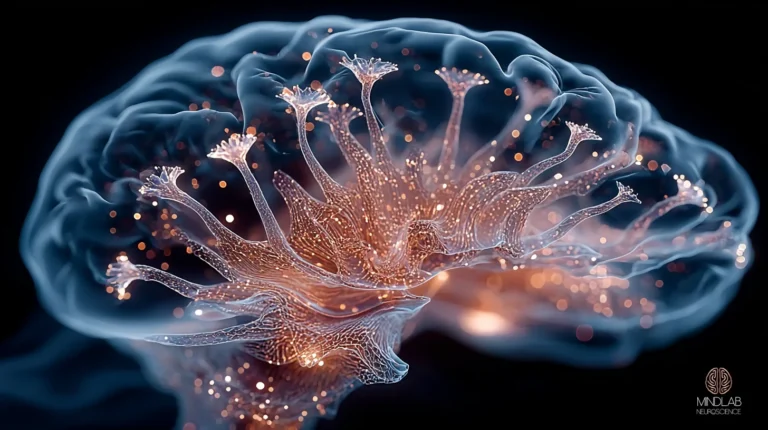
In anxious depression, a hyperactive amygdala and imbalanced serotonin and dopamine systems trap individuals in simultaneous threat arousal and motivational collapse.
Cortisol is a central player; its levels climb with persistent anxiety and despair. High cortisol dulls the mind’s ability to experience joy, stunting motivation and pushing sufferers toward isolation. At the same time, neurotransmitters such as serotonin, dopamine, and noradrenaline become imbalanced. Serotonin fluctuations cause mood instability; dopamine deficits sap pleasure and drive; noradrenaline spikes trigger an ever-vigilant state, conspiring to trap individuals in the grips of anxious depression. These neurochemical disruptions form measurable signatures that distinguish anxious depression from standard mood conditions.
Imaging studies show that people with anxious depression form rigid neural pathways. Emotional centers in the limbic system become overactive, while the centers responsible for logic and planning falter. This explains why clear thinking rarely calms relentless worry and why “snapping out” of depression is so hard. Neuroscience provides a biological lens for the lived experience, validating that this internal struggle is rooted in powerful, measurable brain dynamics.
Over time, untreated anxious depression alters brain structure. The hippocampus may shrink, memory fades, and neural connections that support resilience become sparse. Recovery requires more than optimism; it demands science-based strategies designed to stimulate fresh neural growth and flexibility.
The fundamental insight is that what feels like weakness is actually the result of robust, adaptive processes. Neuroscience-based advisory work utilizes these findings to guide recovery, redirecting emotional energy and establishing new routines that recalibrate the brain’s response to stress and opportunities. The path forward is one of learning and adaptation, driven not by willpower alone but by understanding and leveraging the mechanics of the mind.
The Persistent Depressive Spectrum: When Low Mood Becomes the Baseline
Anxious depression does not always present as acute crisis. For many individuals, the depressive component manifests as a persistent depressive pattern (historically known as dysthymia): a chronic, low-grade depression that lasts for years and becomes so integrated into daily experience that the person mistakes it for personality rather than a modifiable neurological state.
The neurological distinction is significant. Acute depressive episodes involve intense disruption of reward circuitry, motivation systems, and prefrontal function: the neural equivalent of a system crash. Persistent depressive patterns reflect a different architecture: a chronic low-level dysregulation of serotonin, norepinephrine, and dopamine systems that is less acutely disabling but more continuously erosive. Because the suffering is normalized rather than episodic, it frequently evades recognition, both by the individual and by those around them.
When persistent low mood intersects with chronic anxiety, the combination is particularly resistant to change. The anxiety provides just enough activation to keep the person functional, masking the depressive baseline that drains vitality, creativity, and relational depth. In my practice, clients who arrive describing “anxiety” frequently reveal, once we look closely, that the depressive component had been running quietly underneath for years, long before the anxiety became acute enough to make them finally act.
Neuroplasticity research demonstrates that even deeply entrenched persistent depressive patterns are modifiable. Behavioral activation, deliberately increasing engagement with meaningful and rewarding activities, directly stimulates dopaminergic reward circuits that persistent depression suppresses. Combined with targeted cognitive restructuring to address the negative predictive biases maintained by chronic low mood, and sleep optimization to support neurotransmitter replenishment, these interventions rebuild the neural conditions for sustained wellbeing rather than merely managing acute episodes.
Recognizing the persistent depressive spectrum within anxious depression is critical because it changes the intervention strategy. Addressing only the anxiety (the louder, more visible component) leaves the chronic depressive foundation intact, virtually guaranteeing recurrence. Effective neural recalibration must target both simultaneously.
Evolutionary Perspectives on Emotional Twin Challenges
From an evolutionary standpoint, anxious depression represents survival strategies malfunctioning in a modern context. Anxiety, once an essential asset for vigilance, threat avoidance, and group safety, now becomes maladaptive when perpetuated by chronic, non-life-threatening stress. Likewise, depressive tendencies (for energy conservation, reflection, and communal restoration) grow harmful in isolation or constant self-criticism.
Anthropological studies reveal that cycles of anxiety and depression could once unify communities: safeguarding against real danger and providing time for rest, recovery, or planning after loss. However, modern stressors (such as never-ending notifications, job pressures, and news cycles) keep brains in perpetual overdrive, unable to disarm old warning systems and relax into a state of safety.
Reframing through an evolutionary lens means teaching clients to recognize ancient instincts at work. By understanding and respecting these internal signals, individuals can transition from shame to self-compassion and transform outdated survival reactions into adaptive and creative responses. Mindful awareness helps separate genuine threat from habitual alarm, giving space to try new approaches without fear.
The greatest gift of evolutionary insight is validation. Anxious depression is not a personal failing; it’s a signal for recalibration. Those who challenge their default mental settings and engage in neuroscience-based self-care write new futures: ones built on knowledge, resilience, and thriving beyond survival mode.
The Social Web: Stress, Stigma, and Anxious Depression

Social context is pivotal in the emergence and maintenance of anxious depression. Family norms, workplace culture, community standards, and media messages shape how the “twin challenges” are understood and managed. Pressure to perform, stay busy, or compete can activate chronic stress and erode emotional safety.
Stigma is one of the most considerable barriers to recovery. People with anxious depression frequently internalize negative messages about mental health, feeling ashamed to seek support or fearing judgment from peers. The persistent secrecy leads to further isolation, loneliness, and entrenched patterns.
The corrosive power of anxious depression lies in its ability to undermine social connectedness. Withdrawal, negative thinking, and exhaustion make it harder to maintain or build supportive relationships. Misunderstanding and miscommunication with loved ones only intensify guilt and self-doubt.
Sociological research reveals that environments that value collaboration, vulnerability, and authenticity promote recovery. Open conversations about mental health, peer support communities, and compassionate mentoring create safety nets that buffer against chronic stress and social fragmentation.
Social transformation is inseparable from neuroscience; both are necessary for addressing the depths of anxious depression. Empowering clients to cultivate positive social routines (such as sharing feelings, building trust, and offering help) activates oxytocin pathways, reinforces neural resilience, and fosters sustainable change.
Living With Anxious Depression: Everyday Patterns
Daily existence with anxious depression is an ongoing negotiation between exhaustion and tension. Mornings bring fatigue and a barrage of anxious thoughts about obligations and risks. Physical indicators (such as tight muscles, headaches, and disturbed sleep) sap energy and morale, making even minor tasks seem daunting.
Pleasure and relaxation are elusive. Activities that once brought joy feel overshadowed by dread or guilt, and social interactions can deepen feelings of isolation. Focus and productivity diminish as the mind veers into persistent worry or low mood, leaving individuals feeling foggy, indecisive, and emotionally unstable.
Sleep rarely restores; nights are plagued by rumination and pessimistic forecasts. Appetite fluctuates, unsettling physical stability. Relationships strain under the dual burden of anxiety and sadness, with loved ones often misreading withdrawal for apathy or irritability.
Despite adversity, many individuals develop a keen sense of self-awareness. Noticing triggers, such as sensory overload or deadline stress, can inform adaptations: gentle routines, soothing environments, and intentional breaks. Still, the persistent, invisible nature of anxious depression means ongoing, science-informed support remains essential.
Neuroscience of Twin Emotions: Why Neuroscience-Based Advisory Work Changes the Game
Generic strategies rarely suffice for anxious depression, because they manage the output instead of the circuit that produces it. The neuroscience-based approach I use works at the level of the emotional circuitry itself rather than the surface signals. In practice, that means teaching each person how their own nervous system is wired to react to stress, uncertainty, and setback, and then changing that wiring at the biological level rather than leaving them to white-knuckle through it.
Personalized assessment uncovers physical and cognitive triggers unique to each client. Instead of focusing solely on thoughts, neuroscience-based advisory work leverages practical routines (such as breathwork, sensory regulation, movement, and guided visualization) to remodel brain pathways for calm and hope.
Micro-successes become anchors for change; tiny shifts rooted in neuroplasticity encourage tangible progress and sustainable motivation. What distinguishes neuroscience-based advisory work is its compassion: respecting complex emotional experiences, reframing setbacks as learning opportunities, and celebrating each neurobiological milestone.
Clients rediscover confidence, develop emotional stamina, and stabilize mood. Real change is not about erasing anxious depression, but transforming it from the inside out using science, creativity, and purposeful action.
Real Change: One Client’s Story
Rachel, a driven professional, exemplifies the challenges and triumphs of neuroscience-based recovery. Arriving exhausted, Rachel described mornings filled with dread, spiraling anxiety about work, and evening collapses into self-doubt. Her mind constantly buzzed with catastrophic fears, and each failed interaction or forgotten task intensified her despair.
Rachel’s patterns disrupted sleep, strained relationships, and eroded her self-esteem. She canceled plans out of dread for judgment and misunderstood silence, cycling through loneliness and guilt. The turning point came in our sessions when Rachel began to map the rhythms of anxious depression, connecting spikes of panic with subsequent emotional depletion and tracing them to situations and triggers.
Armed with neuroscience strategies, Rachel learned to intervene early. Mindful movement before meetings grounded her nervous system. Soundscapes and breathing recalibrated nighttime arousal. Sensory routines and micro-goals built a foundation for consistent improvement.
Most crucially, Rachel (a composite drawn from many similar engagements) practiced vocalizing her struggles, setting boundaries, seeking support, and dissolving shame through openness rather than secrecy. Gradually, the “gap” between agitation and exhaustion grew. Rachel reclaimed agency, developed resilience, and transformed her narrative: from someone broken to someone who had rewired her life for adaptability and accomplishment.
Her journey remains a testament to what neuroscience-based advisory work offers: tools for emotional artistry, learning, and thriving far beyond the twin shadows of anxious depression.
Neural Recalibration Toward Long-Term Habit Change

Enduring relief from anxious depression relies on transformative, sustainable habits rooted in neuroscience-based advisory work. Lasting change requires shifting focus from quick fixes toward deep, brain-driven behavioral patterns that reinforce emotional stability. The process begins by cultivating client awareness of how each choice, routine, and response shapes neural pathways determining mood, resilience, and perception.
A critical principle behind habit formation is the habit loop, comprising cue, routine, and reward. Neuroscience-based advisory work helps individuals identify cues that trigger anxious or depressive spirals, design adaptive routines to replace old reactions, and celebrate the small rewards that reinforce positive change. These micro-habits, whether it’s two minutes of deep breathing before a meeting or a brief gratitude reflection at bedtime, leverage neuroplasticity: the brain’s power to reorganize itself through repetition.
Consistency is the key. Research shows that tiny, regular actions (structured mornings, physical movement, intentional pauses, journaling) gradually rewrite the mind’s default patterns. Positive reinforcement and celebration of small wins bring essential surges of dopamine, which anchor new behaviors and increase motivation. Tracking progress is vital. Keeping journals, using habit apps, sharing milestones with trusted mentors, or employing feedback surveys helps maintain momentum and makes growth visible, illuminating the invisible.
Neuroscience-based advisory work also builds a protective buffer against setbacks. Rather than framing lapses as failures, advisors encourage curiosity, realistic self-compassion, and strategic reflection. Clients learn to read setbacks as valuable data, recalibrating strategies with each experience. This resilient attitude reduces shame and strengthens commitment, laying a foundation for adaptability in the face of daily stress.
Social modeling and accountability supercharge habit formation. Practicing positive routines in front of others (be it in advisory sessions, peer groups, or family rituals) activates mirror neurons, amplifying emotional contagion and group commitment. Scheduled check-ins, peer status updates, and community feedback create cultures of healthy change that support individual transformation.
As time passes, new habits such as optimizing neural pathways to address self-sabotage, mindful movement, boundary setting, and creative engagement become automatic. Individuals reclaim agency, creativity surges, and emotional turbulence quiets. The science reveals that habit mastery in neuroscience-based advisory work is not solely about willpower, but rather about the strategic and intentional rewiring of the mind. The result is enduring hope, renewed pride, and a sense of mastery over patterns that once felt immovable, opening doors to a life animated by choice, growth, and fulfillment.
A Neuroscience Toolkit for Complex Emotions
Sustainable management of anxious depression requires a multi-layered toolkit grounded in neuroscience discoveries. Science-based interventions address not only surface indicators but also underlying changes in neural networks and chemical messengers contributing to chronic distress. Emerging research on neuropeptides such as neuropeptide Y underscores why personalized approaches often yield stronger outcomes.
Mindfulness practices, such as focused breathing and body scans, can measurably restore balance to overloaded circuitry by dampening the amygdala’s alarm signals and activating calming networks in the cortex. Engaging in physical movement, whether vigorous exercise or gentle stretching, does more than lift mood: it supports neuroplasticity, creating new synapses and releasing neurotransmitters critical for motivation and pleasure.
Reflection and data-driven self-tracking amplify self-awareness. Journaling about emotional shifts or voice memos on mood triggers helps construct personal feedback loops, offering unique insights for each individual. Embracing these practices enables clients to catch downward emotional spirals, course-correct with intention, and build evidence for their progress.
Emotion regulation is a sophisticated neuroscience-informed tool. Naming one’s emotions actually changes neural activity, making feelings less threatening and easier to manage. Reframing experiences through positive perspective-taking strengthens the prefrontal cortex’s command over reactive patterns, helping the mind break free from loops of automatic fear or self-doubt.
Social connection, supported by neuroscientific evidence, is equally essential. Positive relationships and interactions trigger the release of oxytocin and dopamine, creating feelings of trust and safety and mitigating the impact of isolation or shame. Finding creative outlets and engaging in novelty (whether through art, music, or new experiences) activates the brain’s reward centers, supporting motivation and curiosity.
This neuroscience toolkit is adaptable. Individuals can mix and refine tools to fit changing needs and personal discoveries, knowing that measurable brain changes, rather than abstract affirmations, are what lead to enduring hope and resilience. These science-backed strategies empower each person to build a life rooted in progress, meaning, and emotional recovery.
The New Narrative: Thriving Beyond Twin Challenges
Achieving lasting well-being after anxious depression means forging a new, neuroscience-inspired narrative that redefines one’s relationship with emotion and adversity. A profound internal shift marks this journey, as individuals apply the principles of brain science to transform vulnerability into power and curiosity. Neuroscience-based advisory work catalyzes changes not only in habits but also in self-identity and life trajectory.
Over time, the chronic cycles of worry and sadness lose their grip. Old triggers (whether work stress, social discomfort, or past failures) grow less potent because the mind is taught new responses rooted in emotional mastery and insight. Interpersonal relationships and career fulfillment can be achieved through genuine transparency, mutual understanding, and mindful engagement, rather than avoidance or defense.
Recovery becomes a lived experience, not an idealized future. Clients tap into personal meaning as they observe their own progress, reflect on adaptive choices, and pursue growth in the face of setbacks. Emotional storms, once disruptive, are reframed as invitations to deeper learning, creative problem-solving, and renewed purpose.
The new narrative celebrates the complexity of anxious depression, turning it from a closed loop of suffering into an open exploration of resilience, humor, and joyful participation in life. Neuroscience-based strategies provide the foundation, but personal will and self-compassion drive the transformation. Every gained insight, coping skill, and acts of connection add to a mosaic of strength and adaptability.
Ultimately, thriving beyond twin challenges is not a static achievement: it is a dynamic process of self-discovery and reinvention. By approaching emotion with awareness, adaptability, and kindness, individuals show that anxious depression can be the gateway to richer relationships, lasting fulfillment, and ongoing well-being.
Recalibrate the Circuits Behind Anxious Depression
If anxiety and low mood have run together for so long that they feel like simply who you are, the way out is not more willpower or another round of generic advice. It is targeted work on the specific limbic-prefrontal imbalance that keeps both states firing at once: intervention that changes the underlying circuitry rather than managing its symptoms. The change holds because the wiring itself has shifted.
What happens in the brain when anxiety and depression occur together?
When anxiety and depression co-occur, two normally opposing neural systems activate simultaneously. The amygdala drives hypervigilance and threat scanning, the hallmark of anxiety, while disrupted serotonin signaling in the prefrontal cortex produces the motivational collapse and hopelessness characteristic of depression. Cortisol surges from chronic amygdala activation further impair hippocampal function, weakening memory consolidation and distorting perception of future events.
Why is anxious depression harder to address than anxiety or depression alone?
Anxious depression creates a neurological paradox where strategies that calm anxiety can deepen depressive withdrawal, because that same activation is often the only arousal keeping the individual functional. Conversely, approaches that boost energy and motivation can amplify anxiety by adding activation to an already hypervigilant nervous system. Effective intervention must therefore address both systems simultaneously through precise recalibration of the limbic-prefrontal balance rather than targeting one state at the expense of the other.
Can the brain’s anxious depression patterns be durably rewired?
Yes, neuroplasticity allows the neural circuits maintaining anxious depression to be structurally reorganized. The key is targeting the specific feedback loop: the amygdala’s overactive threat detection triggers a catecholamine surge, amplified by cortisol, which impairs prefrontal regulation, which allows more amygdala activation, which produces more cortisol. Breaking this cycle at the neural level, rather than managing its outputs, creates lasting architectural change.
Why do people with anxious depression often feel trapped between panic and numbness?
This trapped sensation reflects the nervous system oscillating between two defensive states described by polyvagal theory. Sympathetic activation produces the racing heart, restless energy, and catastrophic thinking of anxiety. When this activation exceeds what the nervous system can sustain, the dorsal vagal complex triggers a shutdown response, the numbness, flatness, and disconnection of depressive withdrawal.
How does chronic stress contribute to developing anxious depression?
Sustained cortisol exposure from chronic stress shrinks hippocampal volume, weakening the brain’s ability to contextualize threats accurately so that neutral events begin registering as dangerous. Simultaneously, chronic stress reduces serotonin receptor sensitivity in the prefrontal cortex, diminishing the neurochemical foundation of mood stability. The amygdala grows more reactive with each stress cycle, lowering the threshold for threat activation and creating a brain state primed for anxious depression’s dual pattern of oversensitive alarm alongside depleted mood regulation.
What is the difference between persistent low mood and acute depressive episodes?
Acute depressive episodes involve intense, time-limited disruption of reward circuitry, motivation systems, and prefrontal function, producing severe indicators that are typically recognizable as depression. Persistent depressive patterns (historically called dysthymia) reflect a chronic low-level dysregulation of serotonin, norepinephrine, and dopamine systems that may be less acutely disabling but more continuously erosive of wellbeing, cognition, and relationships.
What lifestyle factors most directly affect anxious depression at a neurological level?
The most neurologically impactful lifestyle factors are: sleep quality (which directly governs neurotransmitter replenishment and emotional regulation capacity), aerobic exercise (which promotes BDNF production and hippocampal neurogenesis, research demonstrates exercise can meaningfully reduce depressive indicators), social connection (which activates oxytocin pathways and reinforces neural resilience), meaningful activity and purpose (which sustains dopaminergic engagement), and reduced chronic stress (which lowers cortisol levels that suppress hippocampal function).
References
- Heim, C. and Nemeroff, C. B. (2001). The role of childhood trauma in the neurobiology of mood and anxiety disorders: preclinical and clinical studies. Biological Psychiatry, 49(12), 1023-1039. https://pubmed.ncbi.nlm.nih.gov/11430844/
- Kalin, N. H. (2020). The critical relationship between anxiety and depression. American Journal of Psychiatry, 177(5), 365-367. https://pubmed.ncbi.nlm.nih.gov/32354270/
- Price, R. B. and Duman, R. (2020). Neuroplasticity in cognitive and psychological mechanisms of depression: an integrative model. Molecular Psychiatry, 25(3), 530-543. https://pubmed.ncbi.nlm.nih.gov/31801966/
Crisis & mental-health support resources
If you are in crisis or thinking about harming yourself, support is available right now.
- 988 Suicide & Crisis Lifeline: call or text 988 (24/7, free, confidential).
- Crisis Text Line: text HOME to 741741.
- If you are in immediate danger, call 911 or go to your nearest emergency room.