Unravel the complexities of Histrionic Personality Disorder (HPD) and its profound impact on relationships. This comprehensive guide explores the unique...
Read article : Optimizing Relationship Dynamics: Addressing Histrionic Personality DisorderBoundaries
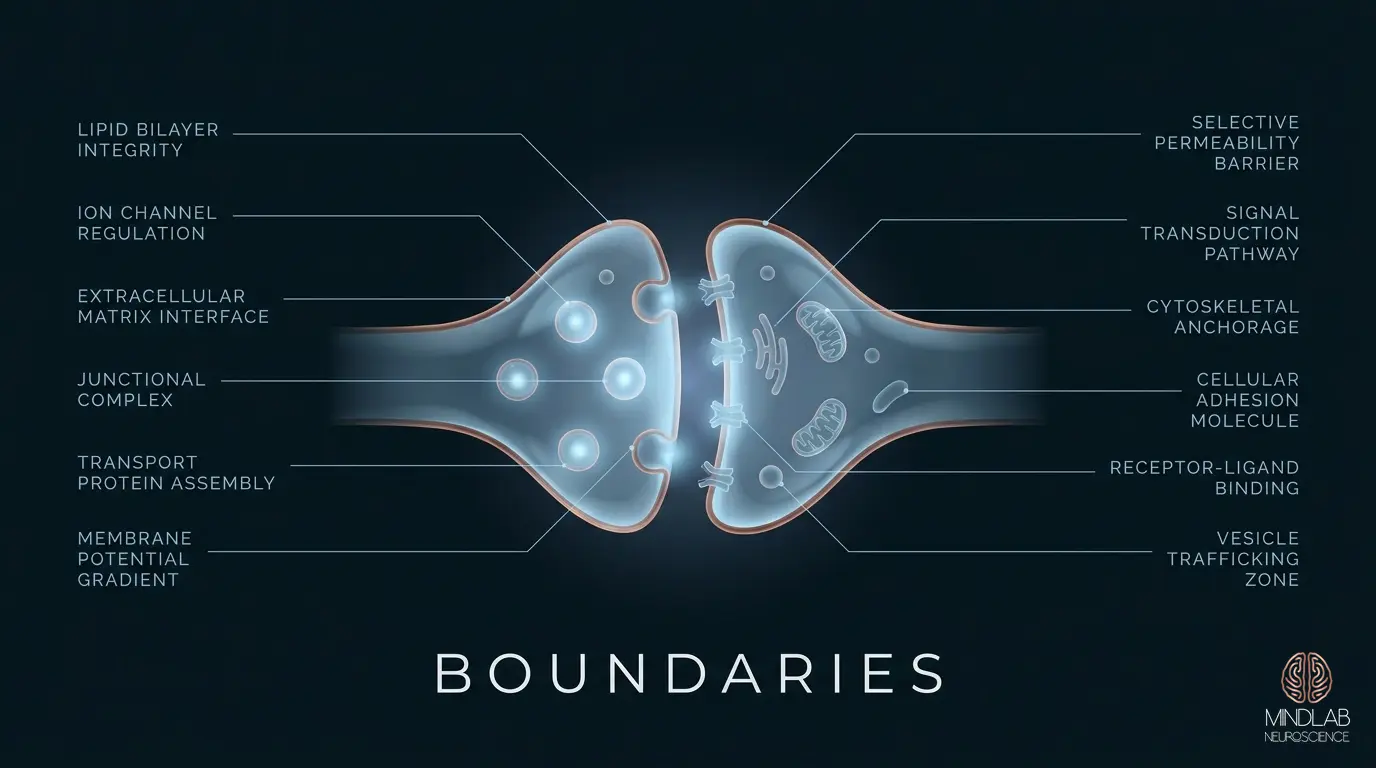
The perimeter of your psychological safety. Learn to set and enforce limits that protect your energy, time, and mental space without guilt.
13 articlesThe Psychology of Self-Protection
Boundaries are not walls; they are the perimeter of your psychological safety. In neuroscience terms, a boundary is the distinction between “Self” and “Other.” Without clear boundaries, the brain cannot distinguish between your emotions and someone else’s, leading to enmeshment and emotional contagion.
The Cost of Porous Boundaries
When you fail to set boundaries, you engage in People Pleasing—a fawn response.
-
The Threat: The brain perceives saying “No” as a risk of social rejection (which the primitive brain equates to death).
-
The Toll: To avoid this risk, you suppress your own needs, creating a state of chronic high cortisol. You are essentially setting yourself on fire to keep others warm, leading to inevitable burnout and resentment.
Architecture of a “No”
Setting a boundary is an Executive Function skill.
-
Cognitive Reframing: Shift the frame from “I am being mean” to “I am protecting my resources.”
-
The Pause: Buy yourself time. “I need to check my calendar” allows you to step out of the immediate social pressure, engage your Prefrontal Cortex, and make a decision aligned with your capacity, not your fear.

Latest Articles
Anxiety can often rear its head during family gatherings, where the pressure to conform, meet expectations, and navigate complex dynamics...
Read article : Navigating Family Anxiety: A Neuroscientific Approach to Optimizing Peace Amidst ChaosLimerence vs love: a battle waged in the shadows of our hearts. Unravel the enigma that's sabotaging relationships worldwide. Dive...
Read article : Limerence vs Love: Decoding the Heart’s DeceptionAre you sacrificing your identity and well-being for your partner's happiness? Discover the neuroscience behind codependent relationships and learn proven...
Read article : Neuroscience to Resolve Codependent Relationships: Rewiring the Brain for Healthy ConnectionsEver feel like your needs take a backseat to others'? The fawn response, rooted in trauma, could be why. Dive...
Read article : The Fawn Response: Trauma; People-Pleasing & ResolvingExplore the complex dynamics of idealization in Borderline Personality Disorder (BPD), including its psychological roots, neuroscientific insights, and strategies for...
Read article : The Idealization Paradox: How BPD Creates Love-Hate Cycles and What Your Brain Can Do About ItHoliday burnout isn’t a character flaw. It’s your nervous system doing threat mode in a high-load season. This article gives...
Read article : Holiday Burnout Is Not in Your Head: It’s Your Nervous System (A 10-Minute Reset Protocol)How to remember to forget is the skill of releasing the loop while keeping the lesson. A warm neuroscience-based guide...
Read article : How to Remember to Forget: The Neuroscience of ForgivenessIf you have ever wondered whether something in your relationship is a real red flag or just fear, this neuroscience-based...
Read article : Relationship Red Flags: A Neuroscience GuideEver caught yourself basking in the glow of your own reflection a bit too long? You might be scratching the...
Read article : Addressing Narcissistic Traits: 10 Neuroscientific Insights for Self-DiscoveryIn today's fast-paced world, the ability to effectively compartmentalize our professional and personal lives has become increasingly crucial for achieving...
Read article : Mastering the Art of Compartmentalization: A Neuroscience-Based Approach to Balancing Career and Personal LifeAssertiveness is the key to clear, respectful, and confident communication. It's the middle ground between aggression and passivity, allowing you...
Read article : The Impact of Assertiveness: Optimizing Communication and Boundaries