


What the anterior cingulate cortex does: error detection, salience, interoception, and cognitive control. A clear guide to ACC function.
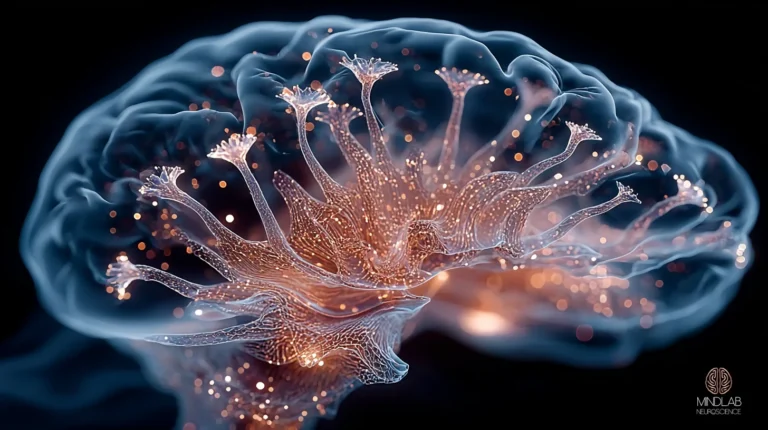
Anterior cingulate cortex anxiety drives chronic self-doubt in high achievers. See how an overactive error-detection system fuels it.

Anhedonia after addiction reflects a recalibrated reward system. See how mu-opioid and dopamine circuits recover, and the realistic timeline...
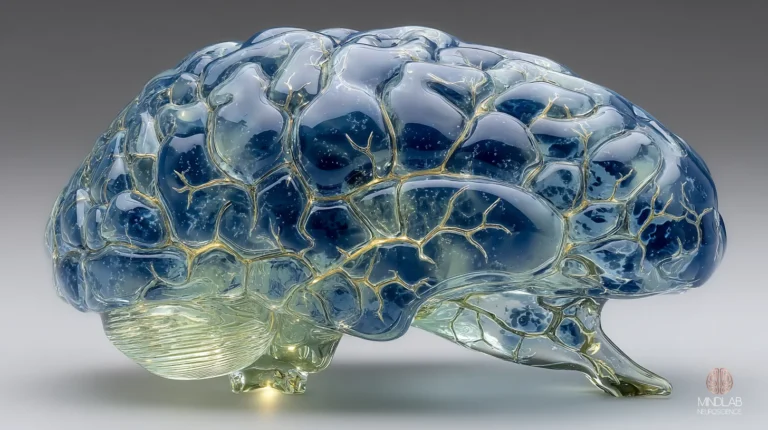
Alexithymia in high performers hides behind competence. See how anterior insula activity shapes emotional awareness, and what rebuilds it.

Acetylcholine and attention run on two timescales. See why chronic stress drains sustained focus first while reactive alertness stays sharp.
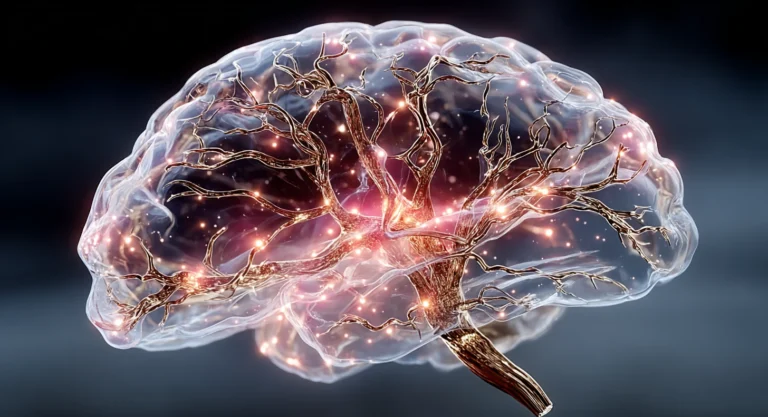
Key Takeaways
The brain stores no fuel, so cerebral blood flow must supply oxygen and glucose continuously.
Neurovascular coupling routes extra...
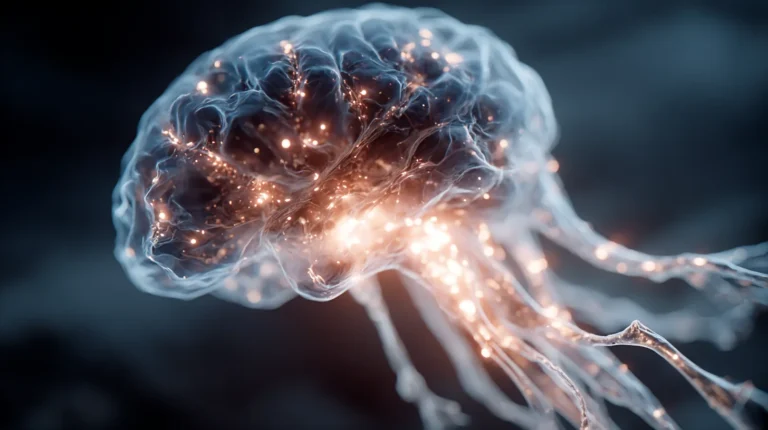
Key Takeaways
Interoception is perception of internal bodily condition: heartbeat, breathing, hunger, gut, distinct from outward senses.
Signals...
Key Takeaways
Learning agility is unlearning, not faster acquisition: weakening old patterns lets new ones hold.
Old knowledge does not fade;...

Key Takeaways
Social buffering: the brain lowers its threat response near a trusted person, countering social pain.
Social Baseline Theory:...

Key Takeaways
Becoming your parent’s caregiver inverts the childhood attachment template, which is why it feels disorienting.
Caregiver...
Key Takeaways
Plateaus mark the handoff from prefrontal effort to basal-ganglia automation, not the end of learning.
During the flat stretch,...