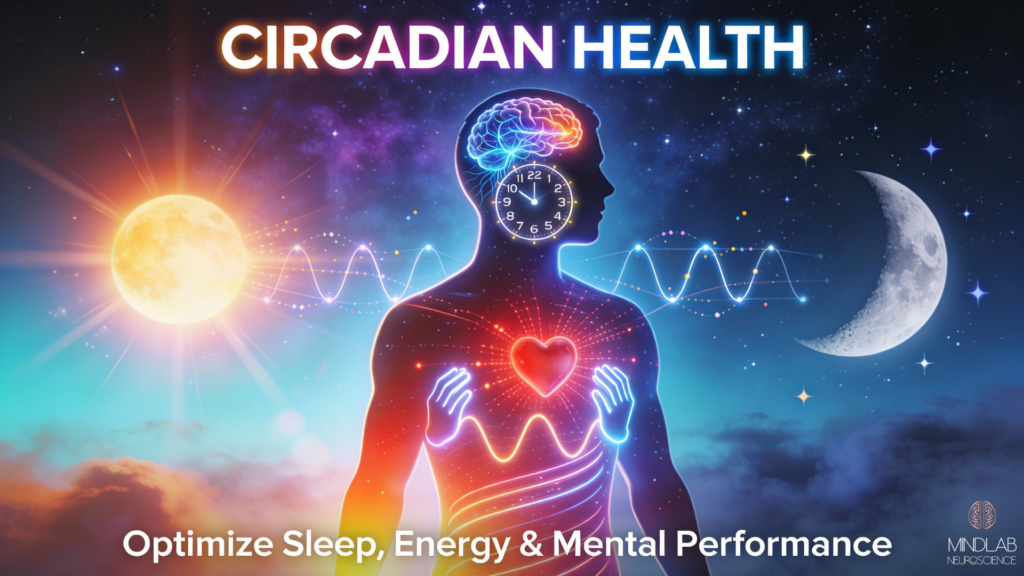
Ever wonder why you wake up on some days feeling like you can conquer the world, while on others, you can’t even roll out of bed?
Why do you struggle with jet lag, and why do afternoon naps seem so appealing?
The answer to all those questions is circadian health.
Your circadian health affects multiple bodily processes, including your sleep-wake cycle, mental state, and behavior.
When something disrupts your circadian health, you get sleepy, have low energy, and have mood swings.
In this article, we’ll explore how circadian health works, its impact on your health, and how to fix it.
What Is Circadian Health?
Circadian health refers to having well-functioning biological rhythms that are adequately synchronized with your environment and lifestyle.
When you have excellent circadian health, your body effectively:
- Regulates sleep and wakefulness at appropriate times.
- Produces hormones at the right moments.
- Maintains stable energy levels throughout the day.
- Controls body temperature fluctuations.
- Manages hunger and digestion cycles.
- Coordinates cognitive performance and alertness.
Think of circadian health as your body’s ability to anticipate and adapt to daily patterns.
The quality of your circadian health directly affects crucial aspects of your life, including sleep quality, mental clarity, and physical energy.
For example, someone with optimal circadian health naturally feels energized in the morning, maintains steady alertness during the day, and becomes sleepy at night—all without relying on stimulants or sleep aids.
The Difference Between Circadian Rhythm and Circadian Health
While often used interchangeably, circadian rhythm and circadian health are distinct concepts.
Your circadian rhythm is the biological process—your internal 24-hour clock regulating sleep, hormones, and other bodily functions.
Think of it as the mechanism itself, like having a watch.
This rhythm exists whether it’s working optimally or not.
Circadian health is how well your circadian rhythm fits your lifestyle and environment.
It’s like the difference between a watch and a watch that keeps accurate time.
Good circadian health means your internal rhythms are well-synchronized with natural light-dark cycles and your daily activities, leading to consistent energy levels, stable mood, and quality sleep.
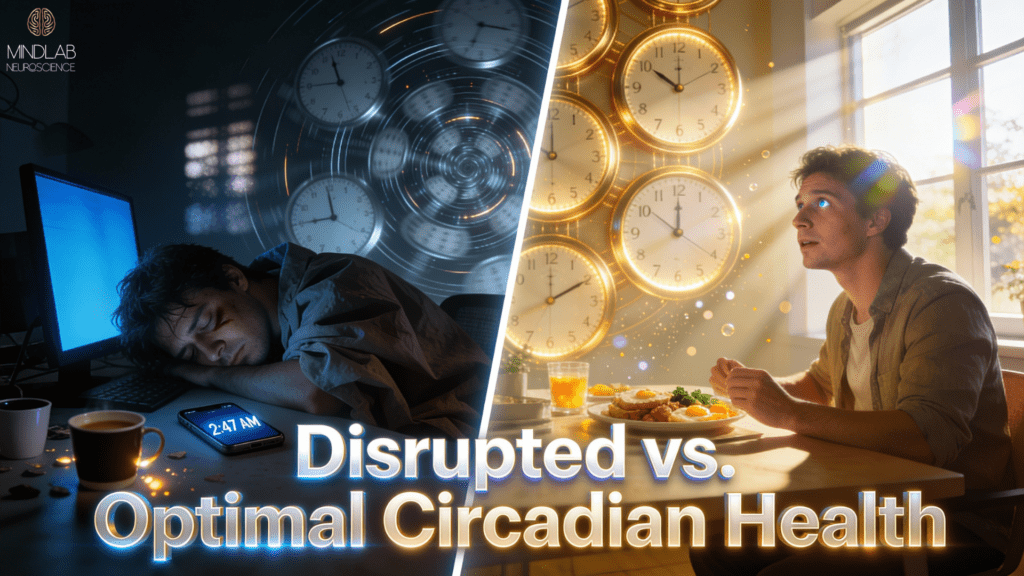
For example, someone might have a natural circadian rhythm that makes them sleepy around 10 PM. Still, poor circadian health could mean they’re unable to fall asleep until 2 AM due to factors like irregular light exposure, inconsistent meal times, or mistimed exercise.
Just as you can have good or poor cardiovascular health, you can have optimal or disrupted circadian health.
Key Takeaways
- If you want to sleep well, maintain consistent energy levels, and keep your mood stable, you need to keep your circadian rhythm in check.
- Light and dark exposure are key triggers for your circadian health.
- Circadian health affects more than just your sleep. It may be responsible for many mental health, cognitive, and health issues like obesity and depression.
Ever wonder why you wake up on some days feeling like you can conquer the world, while on others, you can’t even roll out of bed?
Why do you struggle with jet lag, and why do afternoon naps seem so appealing?
The answer to all those questions is circadian health.
Your circadian health affects multiple bodily processes, including your sleep-wake cycle, mental state, and behavior.
When something disrupts your circadian health, you get sleepy, have low energy, and mood swings.
In this article, we’ll explore how circadian health works, its impact on your health, and how to fix it.
How Does Circadian Health Work?
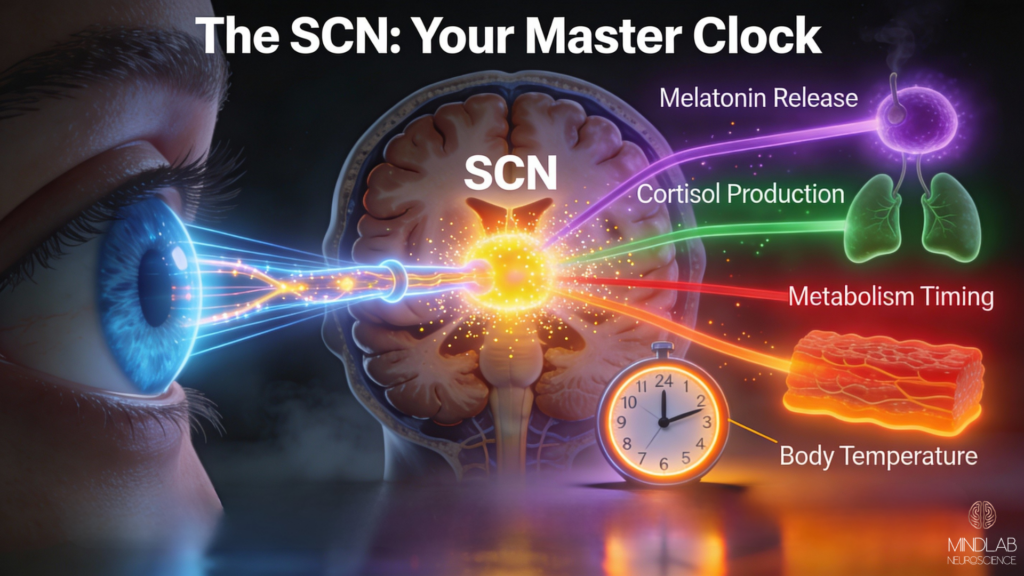
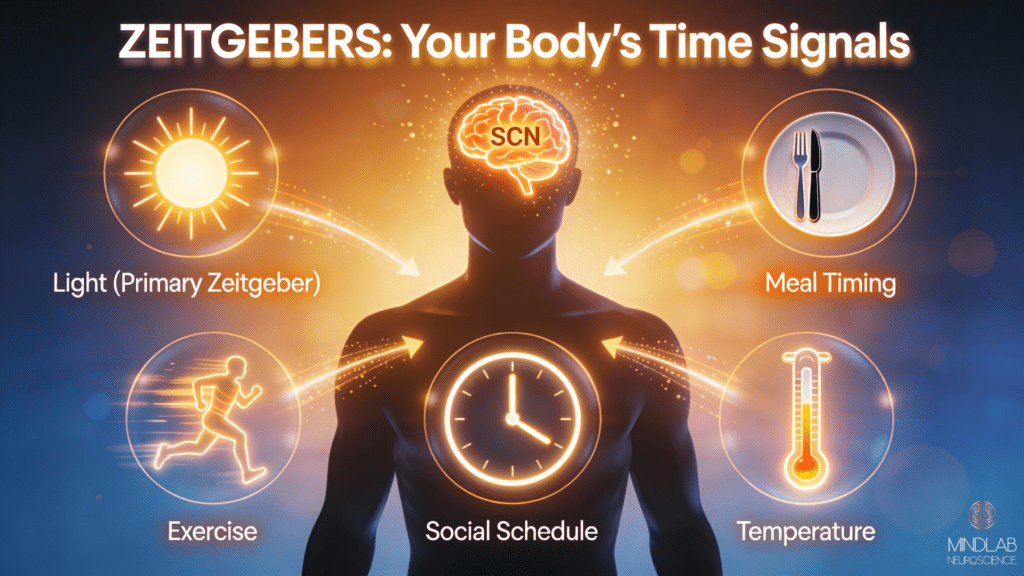
Circadian health revolves around several biological clocks throughout the body, all coordinated by a master clock in the brain called the suprachiasmatic nucleus (SCN).
This master clock operates on a cycle slightly longer than 24 hours and must be adjusted regularly to stay aligned with Earth’s day-night cycle.
Your body relies on environmental cues called zeitgebers to maintain proper alignment.
While light is the most influential zeitgeber, other factors, such as meal timing, exercise patterns, and social interactions, also play essential roles in regulating your circadian health.
Light exposure particularly impacts your circadian health through specialized cells in your eyes that detect brightness and communicate directly with your master clock.
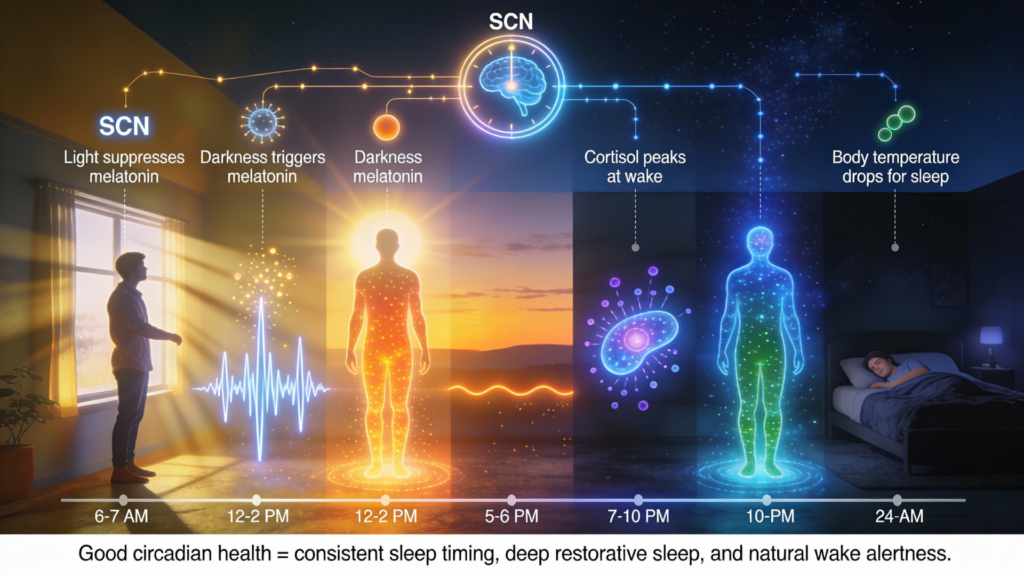
These signals trigger the release or suppression of key hormones, such as cortisol and melatonin.
Cortisol peaks in the morning to increase alertness, while melatonin rises in the evening to prepare for sleep.
Additionally, every major organ and tissue in your body contains its own biological clock.
These peripheral clocks control local functions like digestion and liver activity while synchronizing with the master clock.
When all these systems align correctly, you experience natural energy patterns, regular sleep-wake cycles, consistent hunger signals, and stable cognitive function throughout the day.
Chronobiology and Genetics: The Science Behind Circadian Health
Chronobiology, the study of biological rhythms in living organisms, reveals that circadian health is deeply rooted in your genetic makeup.
These biological rhythms aren’t just habits—they’re encoded in your DNA through specific genes that regulate your internal clock.
Scientists have identified several “clock genes” influencing whether people naturally feel alert or sleepy.
These genes encode proteins that oscillate rhythmically, controlling various aspects of physiology. The most well-known are the PER and CLOCK genes, which work together to regulate circadian timing.
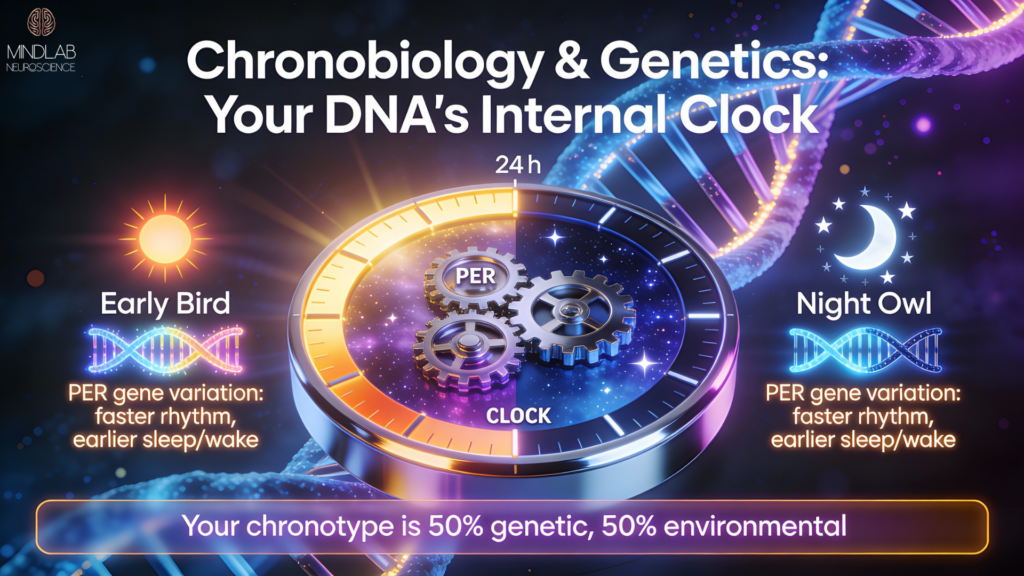
Your genetic profile influences whether you’re naturally an early bird (morning chronotype) or a night owl (evening chronotype).
Early birds tend to have a variation of the PER gene that speeds up their circadian rhythm, causing them to wake up and feel sleepy earlier. Night owls often have a different genetic variation that extends their natural day.
That said, your genes don’t determine your future.
Environmental factors and behaviors can influence how these genetic predispositions express themselves. Understanding your natural chronotype can help you work with your biology rather than against it, leading to better circadian health.
What Happens When Your Circadian Health Is Off?
Your circadian health is a compelling yet fragile internal process.
You’ll have lots of energy, good sleep, and a good mood if you consistently keep it healthy.
Conversely, poor circadian health leads to numerous problems for your body, including:
- Sleep conditions: Improper circadian rhythm makes it much harder to fall asleep, which can lead to insomnia and irregular sleep-wake patterns.
- Mental health issues: Irregular sleep makes you more prone to depression, anxiety, and mood imbalances.
- Cognitive issues: Poor circadian health can lead to reduced concentration, memory problems, and decreased mental performance.
- Health conditions: Out-of-sync circadian health increases the risk of significant health issues such as obesity, diabetes, and heart attacks.
- Fatigue: When you don’t sleep well, you’re not rested enough, leading to significant fatigue and decreased energy levels.
But what causes poor circadian health?
The significant factors are typical.
- Consistent travel across time zones
- Shift work
- Illness
- Stress
- Excessively bright sleep environment
- Social/study habits leading to irregular bedtimes
How to Maintain Proper Circadian Health
Consistency is one of the most important things to establish regarding circadian health.
To keep your circadian health and rhythms in check, you must have consistent daily habits like
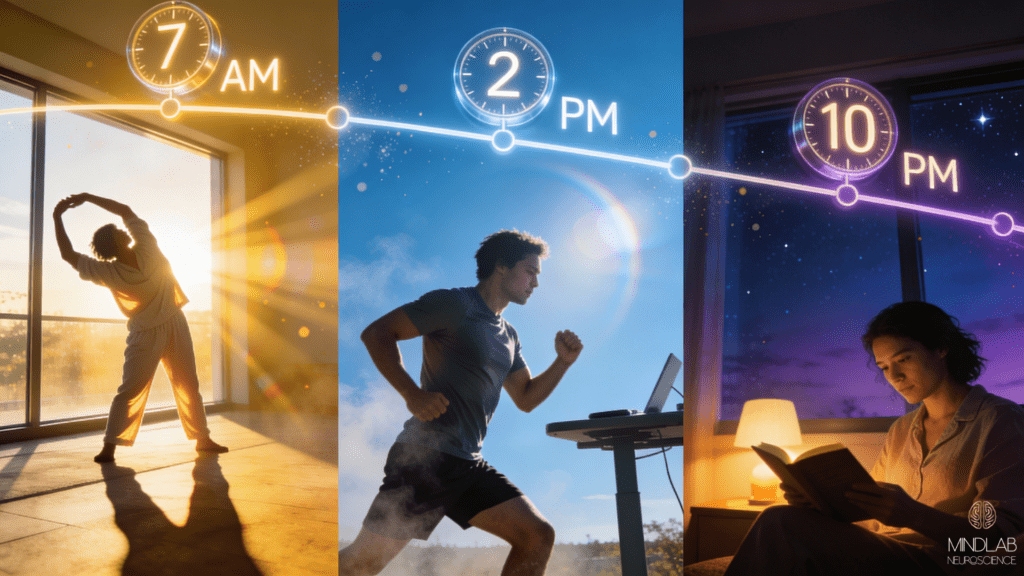
- Keeping a regular schedule: When possible, maintain a consistent schedule for most aspects of your life, such as meal times. If you usually have breakfast, lunch, and dinner, try having all three around the same time.
- Establishing a regular sleep routine: Try going to bed and waking up at the same time every day, even on weekends. Weekends can be a challenge for maintaining a regular schedule, but stick to as much of a regular sleep routine as possible for at least 6 days a week.
- Physical activity: Exercising regularly benefits your body in many ways, including your circadian rhythm. Exercise regularly throughout the week, even if it’s just light physical activity.
- Optimizing your sleep environment: Keep your bedroom as dark and quiet as possible, and as cool as possible (18-19°C). For example, you could use blackout curtains, earplugs, and a sleep mask.
- Limiting blue light exposure: Screen light can disrupt your circadian rhythm, especially for long periods and before bedtime. Reduce or eliminate screen time from phones, tablets, and computers at least an hour before bedtime. Ideally, avoid using such devices during this time.
- Morning light exposure: Get outside for at least 30 minutes after waking up. It’ll significantly improve your circadian health, and sunlight has been shown to help with mood and energy levels.
- Healthy diet: Avoid heavily processed foods, heavy meals, caffeinated drinks, and alcohol close to bedtime.
- Relaxation techniques: Incorporating them can help improve your sleep quality. Try incorporating meditation, breathing exercises, or yoga into your daily routine. For example, 10 minutes of daily meditation is enough to start.
- Limiting naps: Who doesn’t love a satisfying, refreshing nap in the afternoon? Naps are beneficial in most cases, but be careful not to have too many. If you need a nap, keep it for 20–30 minutes and avoid napping late in the day, as it can make falling asleep much harder.
- Hydrate: Drink enough water during the day, but reduce liquid intake in the evening to avoid frequent nighttime trips to the bathroom.
- Mind your body temperature: Warm showers or baths before bed are beneficial, as they help your body cool down and relax, signaling your brain it’s time to sleep.
- Managing stress: Try to manage your stress before bedtime. The more stressed you are before going to sleep, the easier it’ll be to disrupt your sleep.
How to Fix Disrupted Circadian Health
You managed to keep your circadian health on point for several weeks.
You started seeing progress with your sleep, energy levels, and mood.
However, a life event caused you to stray from your routine.
If your circadian rhythm is also out of sync, here are some ways to fix it:
- Light therapy: Blue light therapy (not the same blue light as on your smartphone) is a common treatment for disrupted circadian rhythms. This procedure involves exposure to a specific light that mimics natural sunlight. Controlling exposure to light can alter melatonin production and restore disrupted circadian rhythms. Light therapy is often accomplished through a lightbox or blue light therapy glasses.
- Supplements: One of the first things you’ll hear a person with insomnia do is take melatonin supplements. With melatonin supplements, the timing and dosage can make a big difference in treatment effectiveness, so ask your doctor for advice before trying this therapy. Melatonin supplements are not suitable for children.
- Consistent sleep schedule: One of the easiest ways to fix your disrupted circadian health is to adjust your sleep schedule. Write down your typical daily routine, including your work shifts and social gatherings, and create a sleep plan that helps you stay consistent.
How Circadian Health Affects Your Body
Your circadian health influences nearly every system in your body.
From your heart rate to your digestion, these internal rhythms regulate crucial physical functions and can impact your overall health.
Blood pressure follows a distinct daily pattern, typically dropping during sleep and rising before you wake.
Circadian rhythm disturbances can disrupt this natural pattern, potentially contributing to cardiovascular issues.
Studies reveal that shift workers, who frequently encounter circadian disruption, exhibit elevated rates of heart-related conditions.
Your digestive system also operates on a circadian schedule. The gut has its own biological clock that influences nutrient absorption, metabolism, and the gut microbiome.
Eating irregularly or late at night can disrupt these natural rhythms, potentially leading to digestive and metabolic problems.
The immune system also shows strong circadian patterns.
Sleep enhances many immune functions, and disrupted circadian rhythms can weaken your body’s defense mechanisms.
Hormonal production follows strict daily timing—growth hormone, which aids in tissue repair, peaks during deep sleep. Cortisol, essential for energy and stress response, naturally peaks in the morning.
Athletic performance also varies with circadian timing.
Most people reach their peak physical performance in the late afternoon, when body temperature is highest, and muscle function is optimal. Understanding these patterns can help optimize workout timing and athletic training.
The Impact of Circadian Health on Sleep
Your circadian health likely suffers if you have trouble falling asleep at night or wake up feeling exhausted.
But how does circadian health impact sleep exactly?
Circadian health primarily influences sleep through exposure to light and darkness.
Light exposure during the day keeps your circadian rhythms in sync.
As darkness falls, the SCN releases the brake on the pineal gland (as it does during the day due to daylight), triggering the release of melatonin, the primary hormone that signals darkness to the body.
Conversely, exposure to natural sunlight in the morning suppresses melatonin, helping you wake up refreshed.
The more you align your circadian health and circadian rhythms, the better your sleep, energy, and mood will be.
Circadian Health and Energy Levels
Dips in energy throughout the day can happen, especially the afternoon dip, which is a regular part of your circadian rhythm.
But when these lows happen too often or are severe, poor circadian health might be the reason.
Disruptions to your circadian rhythm lead to fatigue and low energy.
Why is that?
Your circadian rhythms regulate the timing of hormone release, body temperature, and other physiological processes.
For example, circadian rhythms regulate cortisol levels, which help you feel awake and energetic.
It peaks in the morning and gradually decreases throughout the day.
Circadian and Mental Health
When your internal clock malfunctions, it can significantly impact your psychological well-being.
Mental health conditions often show strong connections to circadian disruption, and many people experience changes in their sleep patterns, energy levels, and daily rhythms.
Seasonal Affective Syndrome (SAD) demonstrates one of the most apparent links between circadian health and mental well-being.
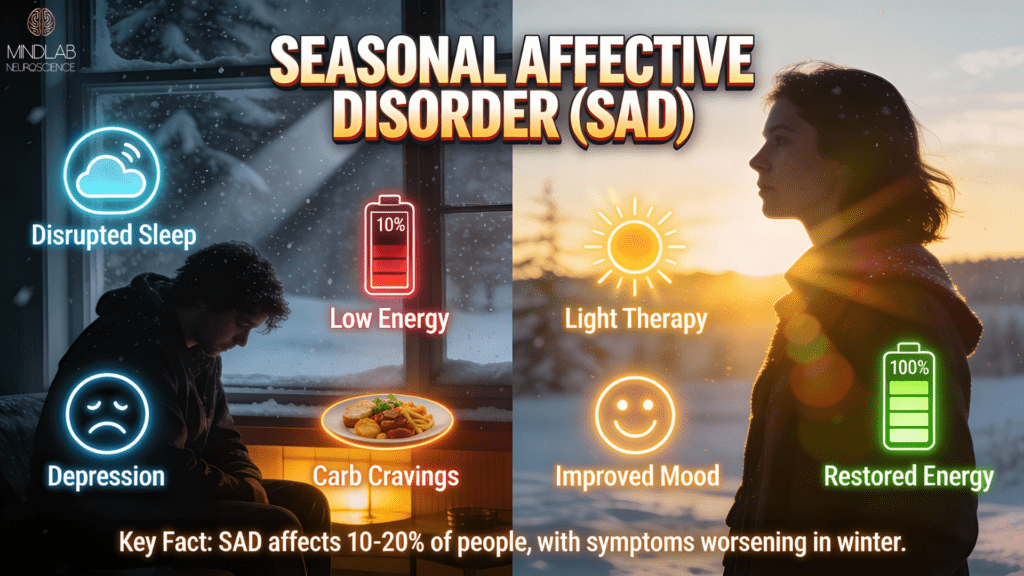
During darker winter months, reduced sunlight exposure can disrupt your circadian system, leading to depression symptoms that typically improve in spring and summer. This is especially common in regions far from the equator, where seasonal changes in light are more dramatic.
Research has also found connections between circadian disruption and bipolar condition.
People with bipolar condition often experience significant changes in their sleep patterns during different phases of their condition.
Depression and anxiety also show strong ties to circadian health.
People with these conditions frequently experience sleep disturbances, changes in the timing of appetite, and shifts in their daily energy patterns.
Circadian Health Across Life Stages
Your circadian health changes significantly throughout life, with each age group facing unique challenges and requirements.
Infants and young children start life without a precise circadian rhythm.
Newborns sleep in shorter bursts throughout the day and night, gradually developing more regular patterns around 3–6 months.
Young children typically need more sleep and tend to go to bed earlier. Light exposure and family routines strongly influence their circadian rhythms.
Teenagers experience a natural shift in their circadian rhythm, making them naturally inclined to stay up and wake up later. This biological change often conflicts with early school start times, leading to chronic sleep deprivation. During these years, the body clock can shift by up to two hours, making it difficult for teens to fall asleep early.
Though individual differences remain significant, adults generally develop more stable circadian patterns.
Work schedules, family responsibilities, and social obligations often challenge natural rhythms. Women may experience additional circadian disruptions due to hormonal changes during menstruation, pregnancy, and menopause.
Older adults tend to shift toward earlier wake and sleep times.
They might naturally wake up at dawn and feel sleepy in the early evening. Aging can also make circadian rhythms more fragile, leading to more sleep disruptions and greater sensitivity to changes in routine.
Cultural and geographic factors also influence circadian health:
- Different societies have varying meal times and work schedules.
- Latitude affects natural light exposure patterns.
- Cultural practices like siestas align with natural dips in energy in the afternoon.
- Urban versus rural environments create different circadian challenges.
Modern Life and Circadian Health
Modern lifestyles often conflict with our natural circadian rhythms.
From artificial lighting to international travel, contemporary life introduces numerous disruptions to our internal clocks.
Social jet lag, the mismatch between our biological clock and social obligations, affects many people who maintain different schedules on workdays versus free days.
This weekly rhythm disruption can have a similar impact to regular jet lag, leading to fatigue, mood changes, and decreased performance.
The rise of remote work has introduced new circadian challenges as well.
While flexible schedules can better align with natural rhythms, blurred boundaries between work and personal time often lead to irregular sleep patterns and extended screen time.
Urban environments present their own set of challenges, too.
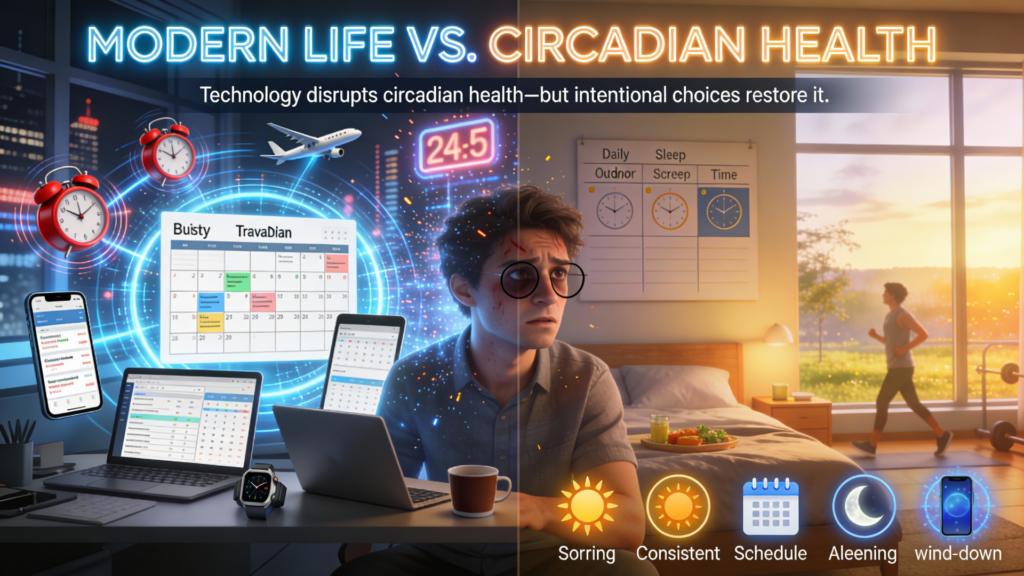
Light pollution, noise, and the 24/7 culture of cities can make it difficult to maintain regular circadian rhythms. Meanwhile, shift work affects millions globally, forcing many to operate against their natural biological timing.
Frequent time-zone travel disrupts circadian rhythms through jet lag, requiring careful management strategies.
Business travelers and flight crews face ongoing challenges in maintaining circadian health while regularly crossing multiple time zones.
Technology and Circadian Health
While technology can disrupt circadian rhythms, some can help you fix them.
Here are some of the most cutting-edge technologies designed to help you regulate your internal clock:
- Blue Light Therapy Glasses: These glasses simulate sunlight with a gentle blue light that enters your eyes and stimulates sensory cells in the retina called photosensitive retinal ganglion cells (ipRGCs). This sends a biological signal through the optic nerve toward your body’s master clock, located in your brain. Be aware that the time of day is crucial when using these devices.
- Light Therapy Lamps: Light therapy lamps are stationary devices similar to light therapy glasses, and you’d typically place these lamps in your bedroom—but only use them in the morning. They work by simulating natural sunlight, helping you regulate your circadian health. Light therapy lamps are handy for combating SAD.
- Wearable Sleep Trackers: These portable devices monitor your sleep patterns and provide detailed insights to help improve sleep hygiene.
- Circadian Health Apps: These apps help you align your daily activities with your circadian rhythm and health by providing personalized sleep, meal, and exercise recommendations.
- Sleep Environment Optimizers: These gadgets improve your sleep environment by controlling temperature, humidity, light, and noise levels to help you sleep better. For example, there are specific mattresses that regulate optimal sleep temperature or air purifiers that clean the air while you sleep.
Embrace Your Circadian Health: The Path Forward
Finding your circadian rhythm is crucial if you want to sleep better, sustain energy, and stabilize your mood. However, it is important to remember that circadian health is a lifestyle, not a one-time pill. Fixing your circadian rhythm is crucial if you want to sleep better, sustain energy, and stabilize your mood. However, it is important to remember that circadian health is a lifestyle, not a one-time pill.
You do not need to overhaul your entire life overnight. Start small. Perhaps you begin by spending 10 minutes a day viewing morning sunlight, or maybe you commit to stopping late-night snacking. These small signals to your SCN (master clock) accumulate and have a cumulative effect over time.
By respecting your biology and aligning your daily habits with the sun’s rise and fall, you are essentially swimming with the current rather than against it. The result is a body that functions as it was designed to: alert during the day, restorative at night, and resilient in the face of stress.
With your understanding of circadian health, I invite you to choose one strategy from this list and implement it today. Your body clock is ready to reset; it just needs you to give it the right time.
Frequently Asked Questions
How long does it take to reset a disrupted circadian rhythm?
It varies by individual and the severity of the disruption, but most people can reset their circadian rhythm within 3 to 7 days by strictly adhering to a consistent light-dark cycle and sleep schedule. Jet lag typically resolves at a rate of one day per time zone crossed.u003cbru003e
Can a night owl maintain good circadian health?
Yes, but it requires effort. If your genetics (chronotype) make you a night owl, you can stay healthy by maintaining a consistent schedule that suits your body, as long as you still get enough high-quality sleep. However, u0022social jetlagu0022 occurs when night owls are forced into early-bird work schedules, which can disrupt circadian health.
Does intermittent fasting help circadian health?
Emerging research suggests it does. u0022Time-restricted feedingu0022 (eating only within a specific window, such as 8 AM to 6 PM) reinforces your body’s peripheral clocks. Avoiding food for 2-3 hours before bed allows your body to focus on cellular repair rather than digestion during sleep.u003cbru003e
Why is morning light more critical than afternoon light?
Morning light (specifically low-angle sunlight) contains a unique spectrum of blue and yellow wavelengths that effectively suppresses melatonin and spikes cortisol. This provides the strongest signal to your brain that the day has started, anchoring your circadian rhythm for the next 24 hours.
Can taking melatonin supplements fix my circadian health permanently?
No. Melatonin supplements are a u0022chronobioticu0022—they can help shift the timing of your sleep phase (helpful for jet lag), but they do not fix the underlying habits causing the disruption. Long-term circadian health requires behavioral changes, not just supplementation.u003cbru003e
How does circadian health affect weight loss?
Circadian rhythms regulate your metabolism. Eating late at night, when your body expects to be asleep, can lead to increased insulin resistance and fat storage. Aligning your calorie intake with your active daylight hours is often associated with better weight management.u003cbru003e
Is it possible to damage your circadian rhythm permanently?
It is rare to u0022permanentlyu0022 damage the mechanism, as the SCN is highly plastic and adaptable. However, chronic disruption (such as decades of shift work) is linked to long-term health consequences, including cardiovascular disease and cognitive decline, that may persist even after the schedule is fixed.
What is the u0022afternoon slump,u0022 and is it normal?
Yes, a dip in energy between 1:00 PM and 3:00 PM is a regular part of human circadian physiology. It is a secondary dip in the master clock’s alerting signal. While normal, a severe crash may indicate sleep deprivation or a heavy, carb-laden lunch.u003cbru003e
This article is part of our Sleep & Circadian Optimization collection. Explore the full series for deeper insights into sleep & circadian optimization.